REVIEW · KIGALI
One Day Gorilla Trekking Rwanda & Iby’iwacu Cultural Village
Book on Viator →Operated by Afri Safaris · Bookable on Viator
Few experiences feel this close to nature.
This day trip pairs Volcanoes National Park gorilla tracking with a stop at Iby’iwacu Cultural Village, where former poachers share how poverty pushed them into illegal activity and how life can change after stopping. It’s designed for people with limited time in Kigali, with an early start, a clear briefing, and a full day plan that still leaves room to breathe.
What I like most is the pre-trek 7:00am briefing in Kinigi, which sets expectations for how to behave around gorillas and what to carry. I also like that the experience is built around practical transport: a 4×4 ride with WiFi options, plus a planned lunch stop in Musanze to keep your energy up.
The main drawback to plan for is timing and physical effort. Gorilla trekking is real trekking, and the day is long (often 6 to 10 hours), so moderate fitness helps a lot.
In This Review
- Key things to know before you go
- Kigali-to-Volcanoes: How a one-day gorilla trek actually fits your schedule
- The 7:00am briefing at RDB HQ in Kinigi (and why it matters)
- Tracking mountain gorillas in Volcanoes National Park: the moment you’ll never forget
- Choosing a gorilla family: age and fitness matching you should take seriously
- 4×4 transport with WiFi and planned photo time
- After the gorillas: Iby’iwacu Cultural Village and the ex-poacher story
- Lunch at Migano Cafe in Musanze: a real break before you head back
- Price and value: what $300 includes, and the permit reality check
- Best-fit for this day trip: who it suits and what to consider
- Practical tips to make the day smoother (and less stressful)
- Should you book this one-day Rwanda gorilla trek plus Iby’iwacu?
- FAQ
- What does the $300 per person price include?
- Is the gorilla permit fee included in the tour price?
- How long does the full experience take?
- Do I get picked up in Kigali, and is transport provided?
- Is Iby’iwacu admission included?
- What is the cancellation policy?
Key things to know before you go
- A 7:00am ranger-style briefing in Kinigi helps you understand rules, behavior, and what to bring before tracking begins
- You’re assigned a gorilla family based on fitness and age, so the trek can match your capabilities
- Expect an intense close-up: you may even notice the gorillas’ strong scent in the forest
- Iby’iwacu is more than dancing: it’s a place linked to ex-poachers rebuilding their lives
- Lunch at Migano Cafe in Musanze gives you a real reset mid-day
- Gorilla permit costs are separate, so check your budget early (this is the biggest line item)
Kigali-to-Volcanoes: How a one-day gorilla trek actually fits your schedule
A one-day gorilla trekking trip works because it turns a complicated journey into a timed route. You start in Kigali early enough to reach Volcanoes National Park in time for a formal briefing, then you head into the forest for your tracking session. When you’re done, you move on to cultural time in the Iby’iwacu Cultural Village, and you finish with lunch built into the day.
For planning purposes, treat this as a full-day commitment, not a quick excursion. The driving time alone is estimated around 2 to 2.5 hours each way, depending on conditions, and the day is structured so you’re not guessing what happens next. That matters in Rwanda, where permits and schedules are serious business.
If you’re short on days in Kigali, this is one of the cleanest ways to see mountain gorillas without turning your trip into a multi-day logistics puzzle. You’ll get the headline experience, plus a human story through Iby’iwacu, without having to organize each piece yourself.
You can also read our reviews of more tours and experiences in Kigali.
The 7:00am briefing at RDB HQ in Kinigi (and why it matters)
Your morning is anchored by a briefing at the RDB headquarters in Kinigi, timed for around 7:00am. This isn’t a casual check-in. It’s where you meet other participants and the Rangers who will lead the experience, and it’s where you learn exactly how to behave around gorillas.
That briefing is valuable because gorilla trekking has rules for good reasons: safety, animal protection, and making sure everyone in your group can stay calm and follow the Rangers’ instructions. You’ll also be assigned a gorilla family with the goal of matching the group’s trek location to fitness and age.
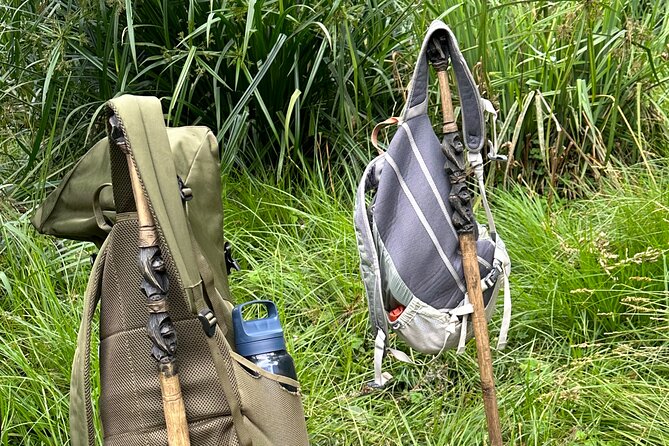
This is also where you learn what to carry while tracking. You won’t be stuck guessing about essentials at the trailhead. In my view, that single step is what separates a smooth first-day experience from a stressful one.
Tracking mountain gorillas in Volcanoes National Park: the moment you’ll never forget
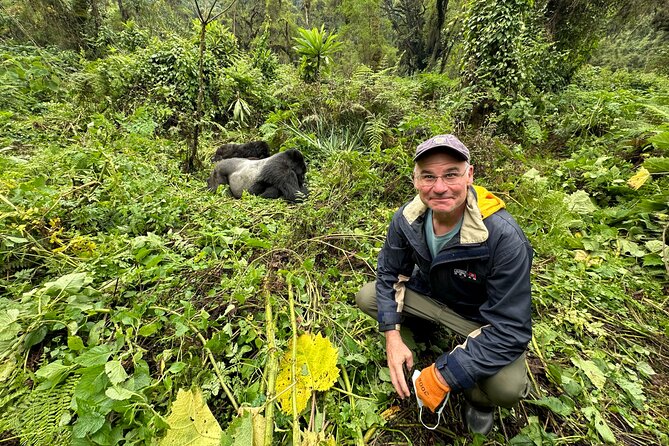
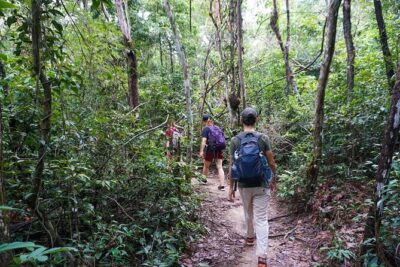
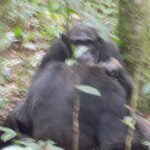
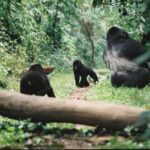
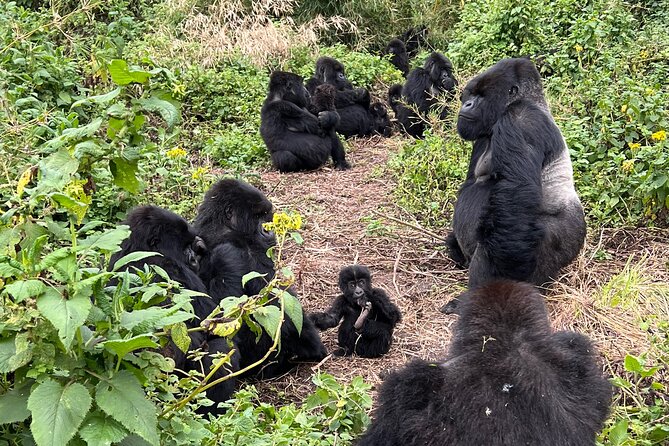
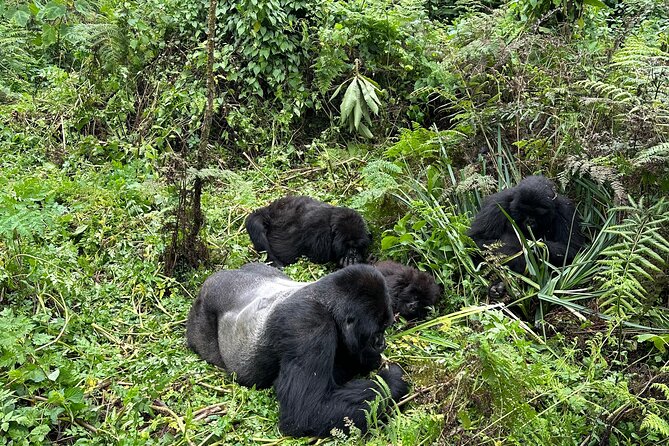
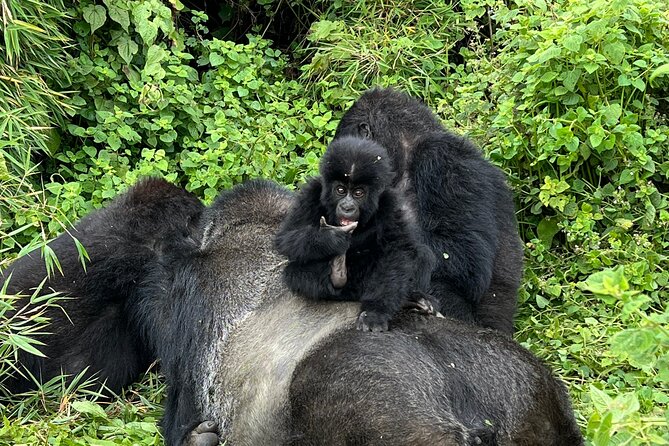
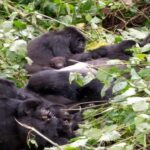
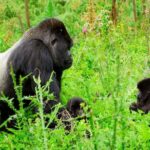
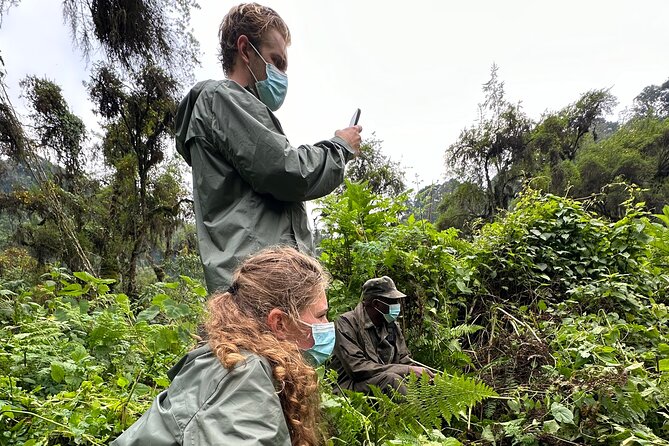
When the trek starts, it’s a slow kind of suspense. You’re walking in a forest where every sound matters, and you’re following Rangers who know where to look. The goal is simple: find a gorilla family and spend time observing them at close range.
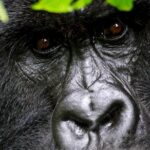
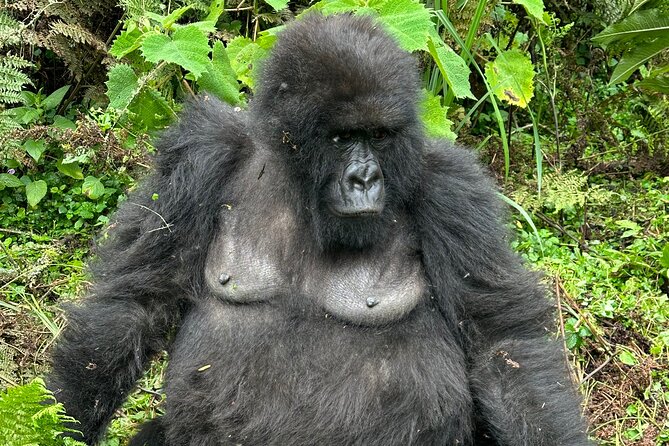
And yes, the close range is real. You may notice a pungent, sickly-sweet scent from sweaty gorillas. It’s not pleasant like perfume, but it is strangely human and grounding, a reminder that these animals are not staged attractions. You also learn something that feels almost unreal the first time you hear it: humans and mountain gorillas share about 98% DNA. Standing close enough to see breathing and movement makes that statistic feel less like trivia and more like context.
One more thing: some families are deeper in the forest. Your assigned family is chosen with your fitness level in mind, but the forest itself still sets the pace. Be ready for a trek that’s more about patience than speed.
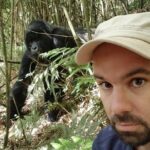
When the gorillas finally appear, the experience shifts instantly from logistics to wonder. You’ll watch body language, listen to sounds you didn’t know you’d notice, and realize you’re borrowing a brief moment of the gorillas’ daily life. It’s humbling in a way that doesn’t need speeches.
Choosing a gorilla family: age and fitness matching you should take seriously
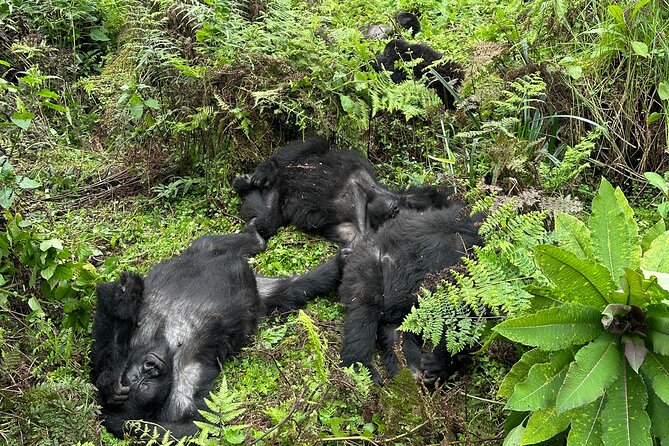
A quiet but important detail: you’re assigned a gorilla family considering your fitness and age. That’s not just customer service. It’s how the trek stays safe and realistic for the group.
If you’re planning this, be honest with yourself. Moderate physical fitness is recommended, and your day will be easier if you come prepared for early mornings and uneven forest footing. If you’ve been living a mostly sedentary routine, this is the time to judge whether you can handle a long, slow day with walking and waiting.
Also remember that gorilla trekking isn’t something you can easily “push through” once you’re out there. If you’re struggling, you can slow down, but you can’t control how the forest, the Rangers, and the gorillas set the schedule. Matching your family is meant to reduce those risks, so don’t try to game the system by overstating your stamina.
The result is that you get the core experience—time with the gorillas—without turning your day into a battle.
4×4 transport with WiFi and planned photo time
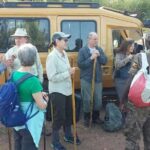
The driving portion is part of the experience on a long day. You’ll be picked up in Kigali, then transferred toward Volcanoes National Park with a local driver guide. Vehicles are described as 4×4 Land Cruiser or a 4×4 open roof safari vehicle, and WiFi connectivity is available on the safari vehicle choice.
That may not sound exciting, but it’s practical. WiFi helps with communication, maps, and keeping your group calm while waiting for the briefing start time. Open-roof options can also make the scenic countryside feel more immediate during the drive.
One more small detail that can make a big difference: there can be stops along the way to take photos of the Volcanoes scenery. If you’re the type who likes to capture the journey, this kind of pause beats eating dust the entire time. It also helps you arrive less tense for that early briefing.
After the gorillas: Iby’iwacu Cultural Village and the ex-poacher story
After gorilla trekking, you’ll transfer to Iby’iwacu Cultural Village. The idea here is simple: you’re not just consuming Rwanda’s wildlife story, you’re also seeing how local people rebuilt their lives.
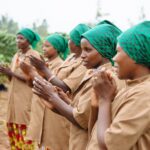
Iby’iwacu is focused on Rwanda’s cultural traditions, but it carries a specific message. The village is made up of ex-poachers—people who once stole gorillas because of poverty. They now work to stop poaching and share what they’ve learned. That turns the visit from entertainment into a conversation with history.
You’ll spend about 45 minutes at the village, and the experience is described as combining known cultural traditions, people, and history through displays and personal interaction. International visitors get a window into typical village life: houses, traditional dances, dressing, food, herbs, and how older kingdoms were generally organized.
The value here isn’t that it’s polished. It’s that it’s human scale. You’re hearing lived experience from people who know what illegal wildlife trade costs and what reform can look like. It also gives you a chance to reset after the intensity of gorilla tracking.
One note: because it’s time-limited, go in ready to pay attention. This isn’t a museum you can wander for hours. You’ll get a guided-feeling, structured overview and then be on your way.
Lunch at Migano Cafe in Musanze: a real break before you head back
Between wildlife and culture, you’ll have lunch at Migano Cafe in Musanze. The scheduled stop is about 45 minutes, with a hot lunch of your choice from the menu, and coffee plus water included.
This part is worth taking seriously. After trekking, the body needs time and calories, and coffee helps you transition from nature mode back to travel mode. It’s also where you can sort your thoughts: what you saw, what surprised you, and what you want to remember.
The bigger advantage is that you’re not hunting for lunch during a tight schedule. Organized meals are easy to overlook until you’re hungry and the day is already late. Here, the day is planned so you can recharge.
Price and value: what $300 includes, and the permit reality check
The tour price is listed at $300 per person, and that’s only part of your total gorilla-trekking budget. The biggest cost in gorilla tracking is the gorilla permit fee, and that fee is not included in the price.
What the tour does cover is meaningful:
- Gorilla permit application support
- A professional driver guide (Afri Safaris)
- Transport in a 4×4 vehicle
- A gorilla trekking certificate by Afri Safaris
- Lunch and coffee plus water
- Iby’iwacu Cultural Village fee
Not included is the gorilla permit itself. The listed permit fees are: International $1500, Africans $500, and Rwandans/EAC $200. That means the $300 is really paying for the service infrastructure around the permit—transport, guiding, scheduling, and the cultural/lunch components.
So how do you judge value? Ask yourself this: would you rather spend your time coordinating a permit application, timing a Kigali departure, arranging safe transport to Volcanoes National Park, building in a stop for lunch, and adding Iby’iwacu? If you want someone to handle the whole flow, the package price makes sense, even though the permit remains your largest variable.
Also, your booking timing matters. This trip is commonly booked about 85 days in advance on average, so if you’re aiming for a specific period, don’t wait until the last minute.
Best-fit for this day trip: who it suits and what to consider
This experience is recommended for people with moderate physical fitness. That’s not a vague label—it’s the difference between enjoying the day and feeling miserable by mid-afternoon.
It also helps if you like structured travel. You get picked up, you get a briefing, you get assigned a family, you move to Iby’iwacu, and you finish with lunch. If you love open-ended wandering, this might feel like a schedule. But if you want certainty and a smooth flow, this is a strong match.
It’s also a private tour activity in the sense that only your group participates. That can be a real advantage on a gorilla trek day, because the communication style and pace can be easier to manage when you’re not sharing the experience with unrelated people.
Who should consider alternatives? If your mobility is limited or you’re not comfortable with early mornings and forest walking, you might want a lighter format or a different itinerary. The tracking experience itself sets the pace, and you’ll be following Rangers into areas that aren’t designed for wheelchairs or fast walking.
Practical tips to make the day smoother (and less stressful)
First: plan for the early start. You’re expected to wake up early and handle breakfast while waiting for the driver pickup. If you’re the type who forgets details under travel stress, set an alarm and pack your essentials the night before.
Second: treat the briefing like part of the main attraction. The rules you learn there directly shape what happens in the forest.
Third: bring a calm mindset for the gorilla encounter. You might experience strong smells and up-close viewing. That’s normal for wildlife tourism at this level. If you can handle the reality of it, the wonder hits harder.
Fourth: plan your energy for a day length of around 6 to 10 hours. Even with transport, it’s still a long day. The included coffee and water help, and lunch at Migano Cafe is timed to keep you from running on empty.
And finally: budget for the permit fee. The tour price is only the service layer. Check your status for the correct permit cost bracket (International vs Africans vs Rwandans/EAC) based on the information provided, and don’t let that surprise you later.
Should you book this one-day Rwanda gorilla trek plus Iby’iwacu?
If you have a limited schedule in Kigali and you want the full Rwanda snapshot—gorillas in Volcanoes National Park and a direct cultural stop with meaning—this is a smart booking. The strongest reasons to go are the structured 7:00am briefing, the careful assignment of a gorilla family based on fitness and age, and the fact that the day isn’t just wildlife. Iby’iwacu gives you a human story tied to conservation and change.
Don’t book if you’re not comfortable with a long, early day and real trekking effort. Also, double-check your permit budget before you get excited, because the permit fee is the big-ticket item.
If you want a day that’s efficient, guided, and built around both wildlife and people, book it. If you prefer slower travel or you’re mobility-limited, you may want to adjust expectations or look for a different format.
FAQ
What does the $300 per person price include?
The price includes gorilla permit application, a professional driver guide (Afri Safaris), transport in a 4×4 Land Cruiser or 4×4 open roof safari vehicle, a gorilla trekking certificate, lunch with coffee and water, and the Iby’iwacu Cultural Village fee.
Is the gorilla permit fee included in the tour price?
No. The gorilla permit fee is not included. International permit fee is listed as $1500, Africans as $500, and Rwandans/EAC as $200.
How long does the full experience take?
It’s scheduled for about 6 to 10 hours total.
Do I get picked up in Kigali, and is transport provided?
Yes. Pickup is offered, and transport is included via a 4×4 vehicle (with WiFi connectivity described for the safari vehicle option).
Is Iby’iwacu admission included?
Yes. The Iby’iwacu Cultural Village admission ticket/fee is included, and the village visit is scheduled for about 45 minutes.
What is the cancellation policy?
You can cancel for a full refund if you cancel up to 24 hours in advance of the experience’s start time. If you cancel less than 24 hours before, the amount you paid will not be refunded.