REVIEW · CHIANG MAI
Trekking 2 Days 1 Night+Rice fields+Bamboo Rafting
Book on GetYourGuide →Operated by Chiangmai Trekking Center · Bookable on GetYourGuide
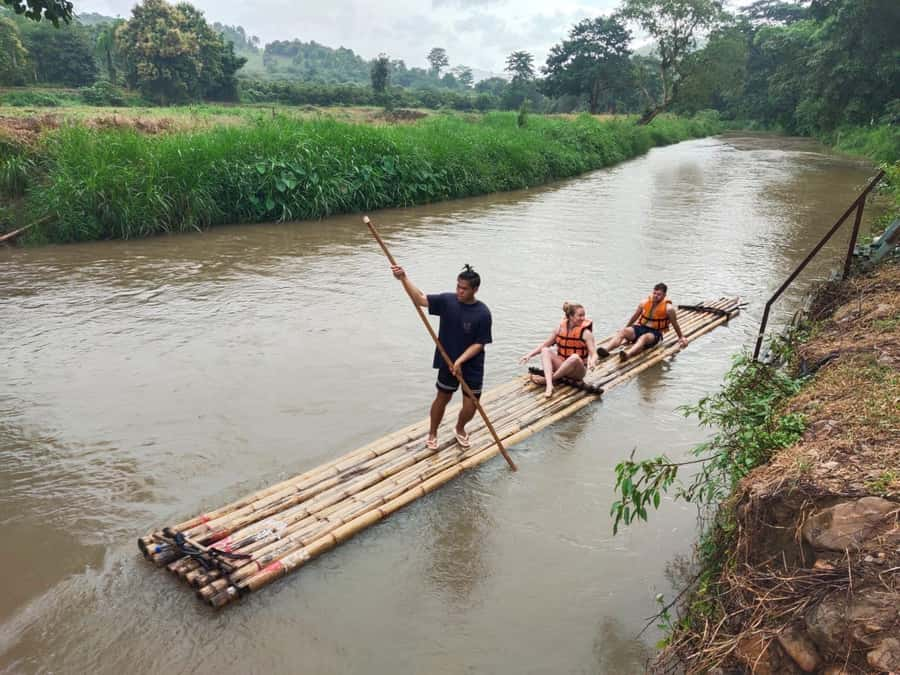
That first bamboo raft look is hard to forget. This 2-day trek in Chiang Mai Province mixes rice fields, a Karen village walk, and a real payoff at the end with bamboo rafting and a jungle waterfall swim. I like how it keeps moving—market in the morning, trekking through scenery, then a practical, hands-on day two. One thing to plan for: the overnight is on a very basic home-stay setup.
On the trail, you get long stretches of countryside views—especially the parts cutting through rice paddies—and a guide who keeps the day organized and friendly. I also love the way the itinerary includes both animal time at an elephant camp and community time with a Karen village walk, not just nonstop hiking.
The main drawback is comfort level and weather. The home stay can be simple (think thin pad on a wooden plank), and in rainy season you may get half-day and night rain—so you’ll want to be ready with good rain gear and dry clothes.
In This Review
- Key highlights worth waking up early for
- Two Days of Rice Fields, Rafts, and Waterfall Time
- Getting Started: 7:00–7:30 Pickup and a Market-Ready Morning
- Elephant Camp Stop: A Breather Before the Main Trek
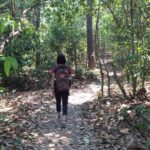
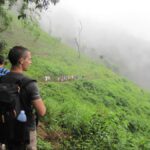
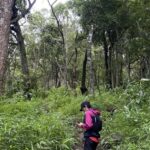
- Trekking Through Rice Fields and Scenic Viewpoints
- Karen Tribe Village Walk: Local Culture, Not a Drive-By
- Overnight Home Stay: Real Nature Time, Basic Comfort
- Day Two Starts Slow, Then Gets Fun Fast
- Waterfall Swim and Bamboo Rafting on a Short River Run
- What You Pay (and Why $93 Can Make Sense)
- Who This Trek Is Best For (and When to Choose Another Option)
- Tips to Make It More Comfortable on Real Terrain
- Should You Book This Chiang Mai Trek + Bamboo Rafting?
- FAQ
- What’s the duration of the tour?
- What’s the pickup time in Chiang Mai?
- Does the tour include bamboo rafting?
- Is there a waterfall stop?
- What’s included in the price?
- How large is the group?
- What’s the accommodation like overnight?
Key highlights worth waking up early for
- Small-group trekking (up to 12 people) that keeps the pace human
- Rice-paddy scenery and scenic trekking viewpoints across day one and day two
- Karen village walk that adds local culture to the hiking
- Jungle waterfall swim time on day two, plus a proper chance to relax
- Bamboo rafting for 30–45 minutes, usually with you getting splashed
Two Days of Rice Fields, Rafts, and Waterfall Time
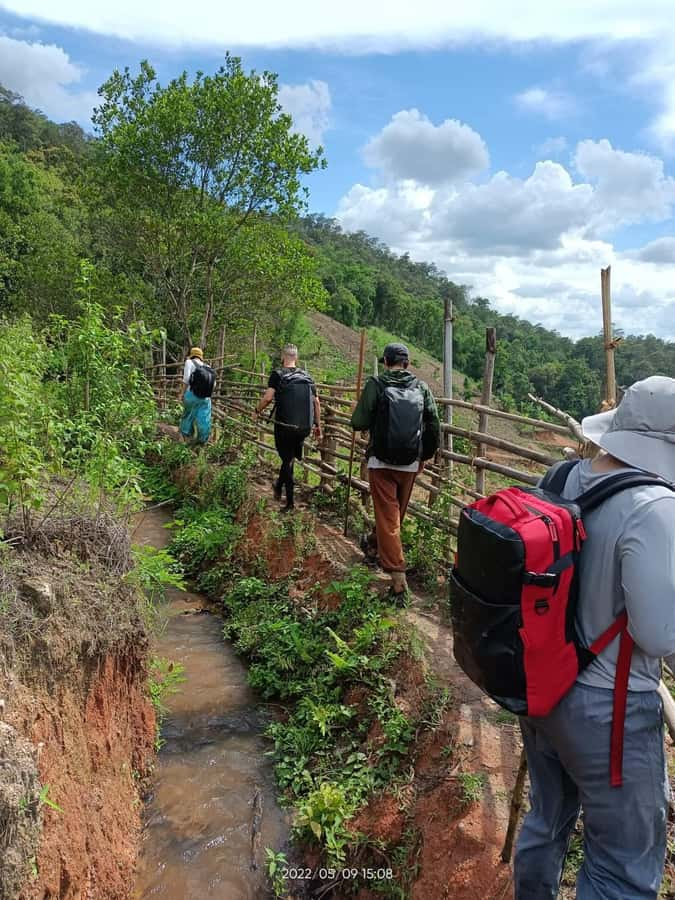
This is the kind of trip that works when you want nature, but you don’t want to plan anything. You’re picked up early in the morning, guided the whole way, fed during trekking days, and moved between key spots without you needing maps or transport juggling.
What makes it feel “worth it” is the mix: trekking for scenery, village time for texture, then day two turns fun mode—waterfall swimming and a short bamboo-raft run. It’s not one big theme park moment. It’s more like two focused days in the Chiang Mai countryside with a clear rhythm.
The group size matters here. With a small group (up to 12), you don’t get that awkward mass-tour shuffle. You’re more likely to keep together, ask questions, and actually hear your guide.
You can also read our reviews of more tours and experiences in Chiang Mai.

Getting Started: 7:00–7:30 Pickup and a Market-Ready Morning
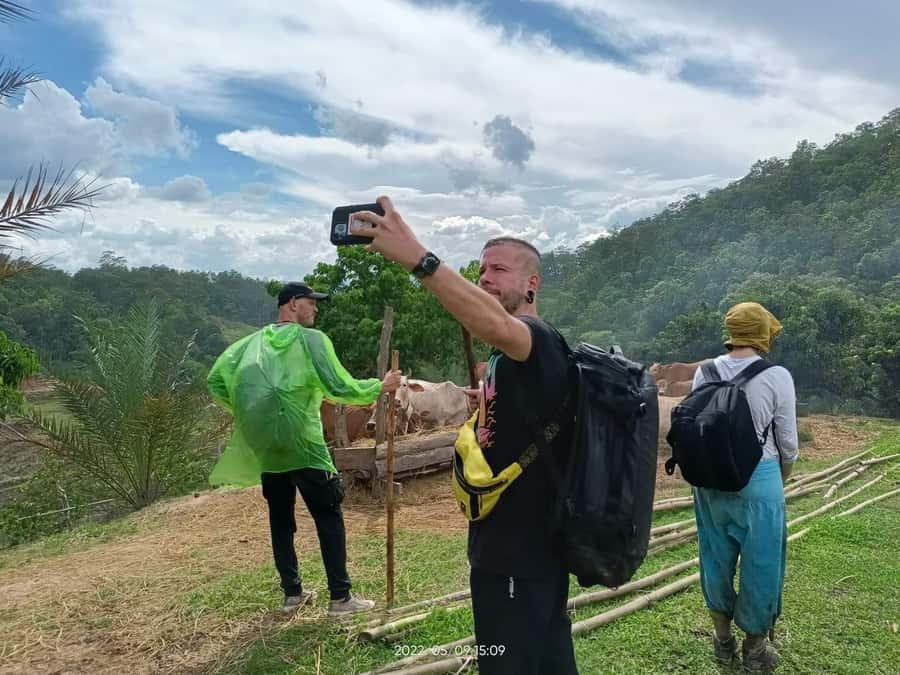
Your day begins with pickup from your hotel between 7:00 and 7:30 A.M. That early timing is a big deal. It helps you get started before the hottest hours, and it leaves daylight for the trek and the elephant camp before you settle into the countryside flow.
Before hiking, you visit a local market to buy supplies. Practically, this gives you that real “day in motion” start—you’re not just being dropped into a forest with no context. It also sets the tone: you’re going to be walking, eating, and moving, so the day is designed around getting what you need at the start.
Then you head to the elephant camp. You’ll be seeing elephants as part of the program, but the itinerary doesn’t spell out specific rides or activities—so expect it as a camp visit rather than a guaranteed hands-on show.
Elephant Camp Stop: A Breather Before the Main Trek
The elephant camp stop lands right in the morning window, which is smart. You get a pause from travel nerves, you can reset, and you’re still on schedule for the bigger trekking portion afterward.
Why I think this fits the trip: it breaks the day into segments. Trekking days can feel long when you go straight from pickup to hiking. Adding the camp as a focused stop keeps energy manageable, especially if you’re not used to multi-hour walking.
Also, it’s a good question-and-answer moment with your English-speaking guide. You’ll get guidance on what’s next, what to wear, and how you’ll handle weather and terrain.
Trekking Through Rice Fields and Scenic Viewpoints
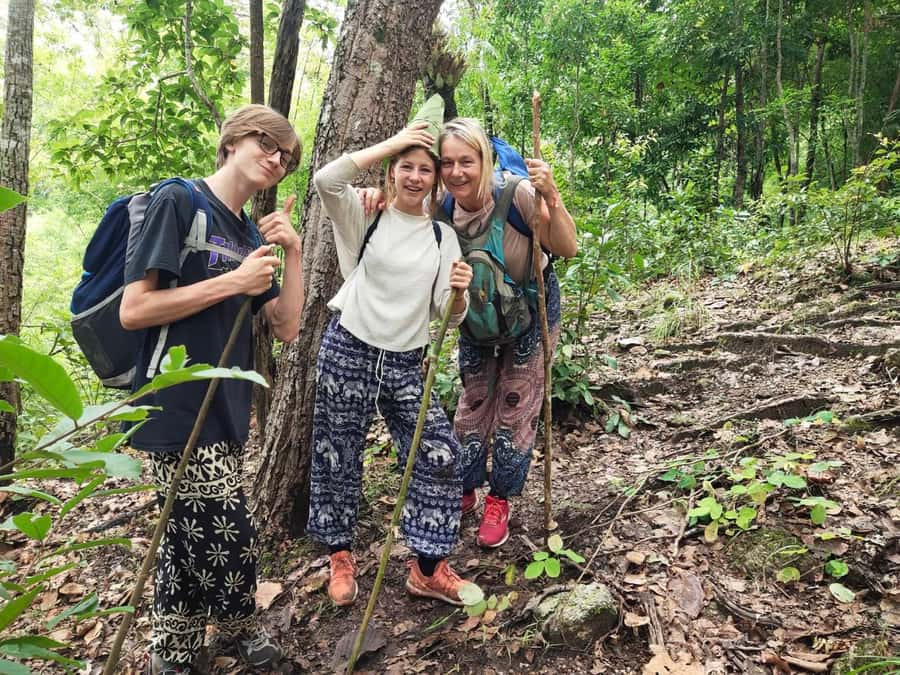
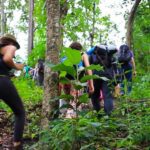
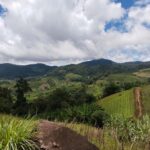
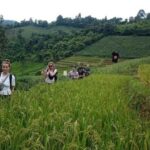
Once the trekking starts, the centerpiece is the countryside—particularly the rice-paddy areas. This is the part many people remember, because it’s visual even when you’re just walking: wide open paddies, green stretches, and those viewpoint moments where the effort feels worth it.
You’ll have lunch during day one, after time on the trail. This matters because it keeps the energy steady for what comes next: the Karen tribe village walk and the home stay.
One practical note from experience with rainy-season conditions: the trek can include significant wet weather. If you’re traveling around July (and similar rainy months), plan for rain like it’s part of the itinerary, not a surprise. One guest described getting half a day and night of rain in July, with ponchos provided—so pack smart and don’t treat weather as optional.
Karen Tribe Village Walk: Local Culture, Not a Drive-By
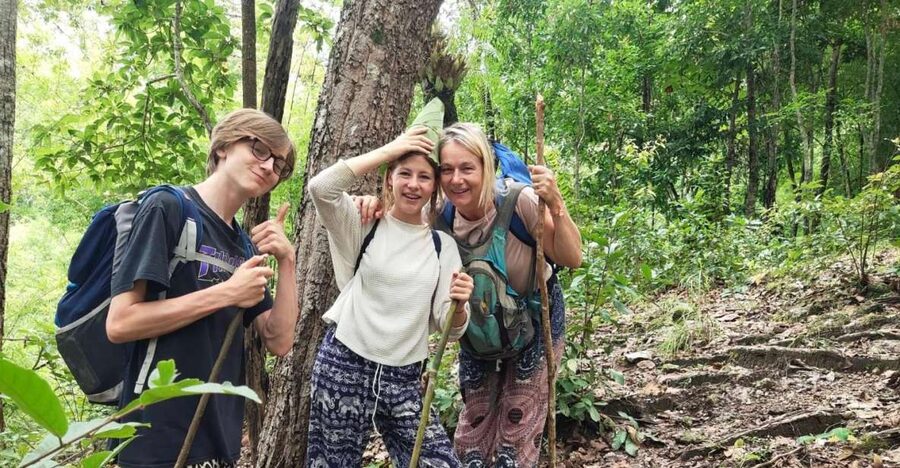
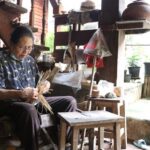
After lunch, you walk through a Karen tribe village. This is one of the most interesting parts of the experience because it adds real people to the scenery. You’re not just passing through nature; you’re seeing how community life fits into the region.
What I like about a village walk on a guided trek is pacing. You’re already in the countryside mood, so the interaction doesn’t feel like a detour. It feels like the area has layers—fields, forest, and culture—stacked in one day.
Keep your expectations grounded. A village walk is not an all-day cultural seminar. It’s a chance to observe respectfully, ask questions if your guide supports it, and understand the place you’re trekking through.
Overnight Home Stay: Real Nature Time, Basic Comfort
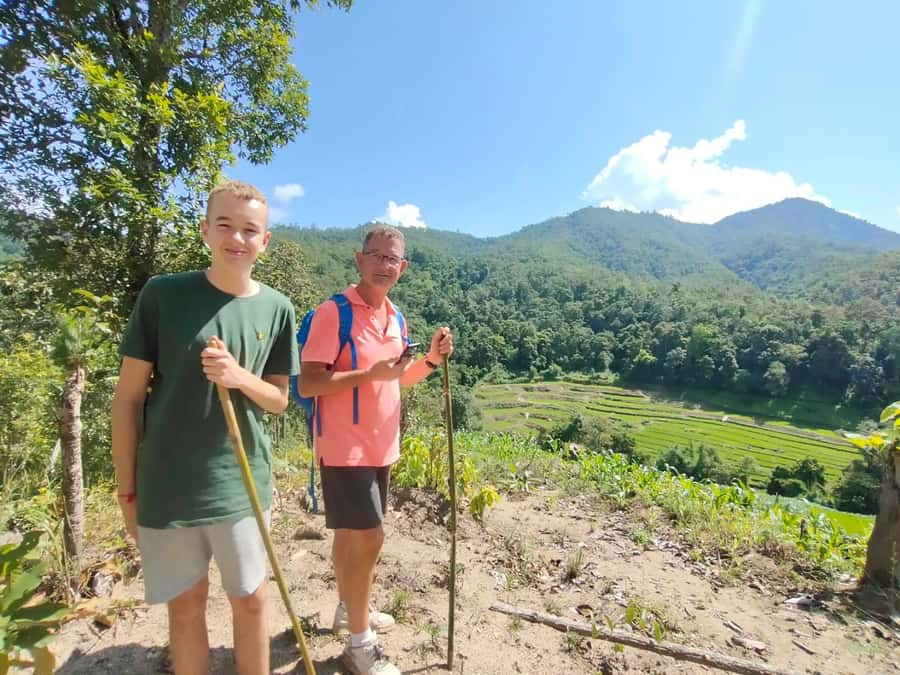
You spend the night at a home stay after walking into the area. This is where the trip gets honest. The surroundings can be beautiful, and you’re close to the daily rhythm of the countryside—but you should expect simple accommodation.
One review summed up the comfort level clearly: a very basic setup with a thin mat on a wooden plank. If you’re used to hotels, this might feel rough. If you’re okay trading comfort for authenticity, it can be part of the charm.
What you should do to enjoy it:
- Bring (or use) something to stay warm if nights cool down.
- Aim to keep your sleep space organized and dry.
- Pack a change of clothes for the morning after trekking.
If rain hits, it can affect how dry everything stays overnight. That’s why rain readiness (poncho, dry bag if you have one, and spare layers) is more valuable than you’d think.
Day Two Starts Slow, Then Gets Fun Fast
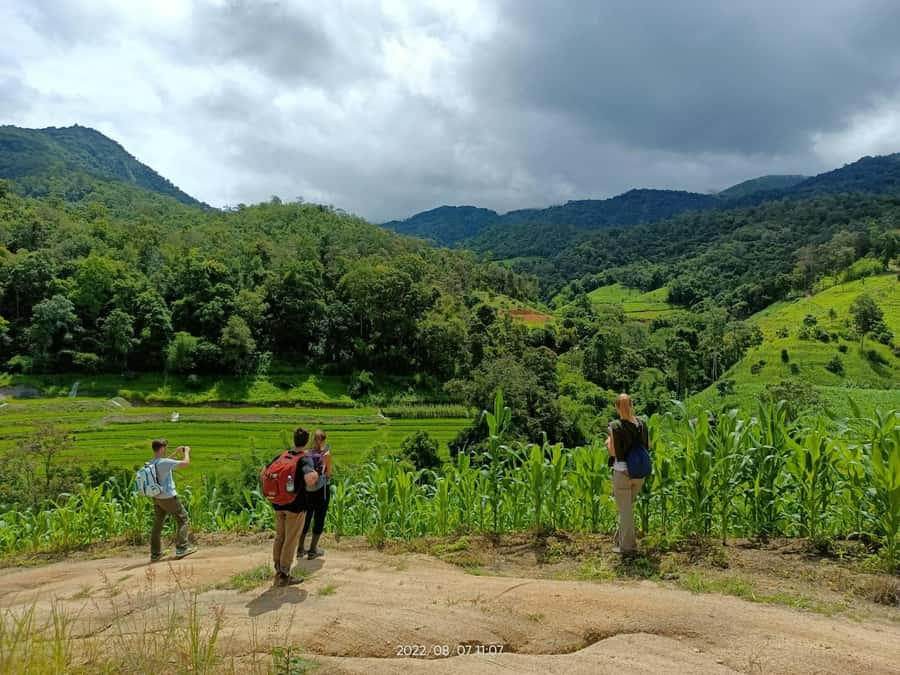
Day two begins with breakfast and coffee or tea. It’s a gentle restart that matters after an active night and trek day one. After that, you start trekking again.
There’s lunch again during day two, so you’re not left guessing about food while moving through the jungle areas. The itinerary keeps you on track to reach the waterfall time, which is the reward segment of the day.
If you’re wondering how long this feels: it’s not just a morning walk to a single stop. You’re active again before the fun portion. Your legs may feel it, but the payoff arrives.
Waterfall Swim and Bamboo Rafting on a Short River Run
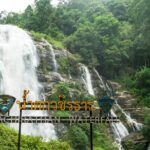
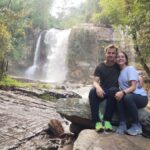
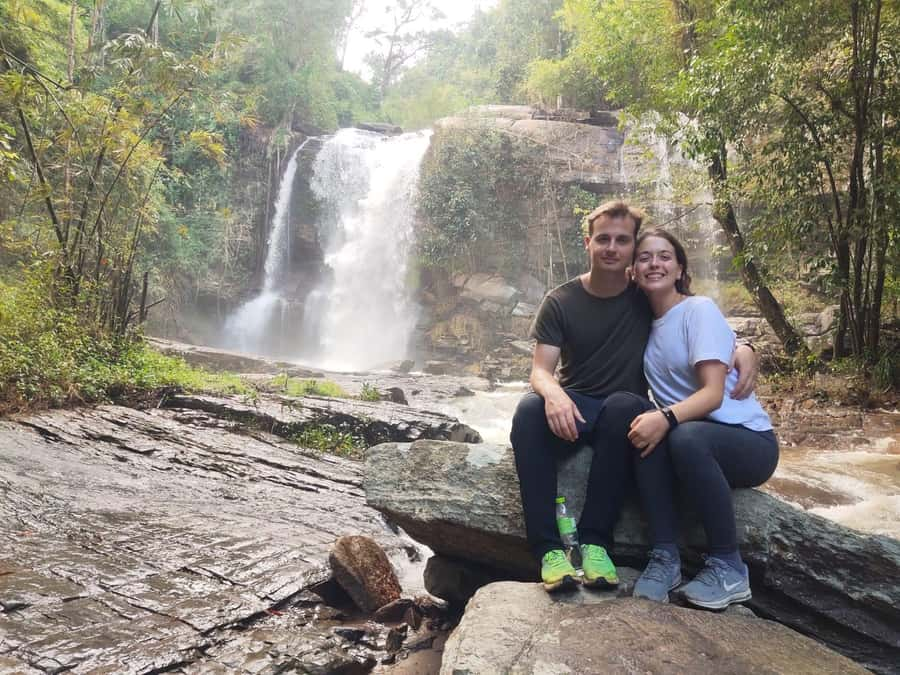
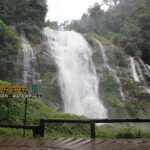
Then comes the highlight switch: a jungle waterfall where you swim and relax. This is your chance to wash off sweat, cool down, and reset your energy.
Right after that, you do bamboo rafting for about 30–45 minutes. The raft time is typically with a guide, and you’ll be on the river long enough to enjoy the ride without it dragging into a whole second day.
The key detail for your packing list: you get wet. One guest specifically advised to wear swimwear because you’re drenched during the rafting. Even if you think you’ll stay mostly dry, plan on “soaked” as the default.
If you can, bring:
- A quick-dry change of clothes for after rafting
- Something you don’t mind getting wet
- Basic sandals or shoes that can handle water (your guide may advise what works best)
You arrive back to your hotel around 5:00–5:30 P.M., so you get a full day of countryside activities without it turning into an exhausting midnight return.
What You Pay (and Why $93 Can Make Sense)
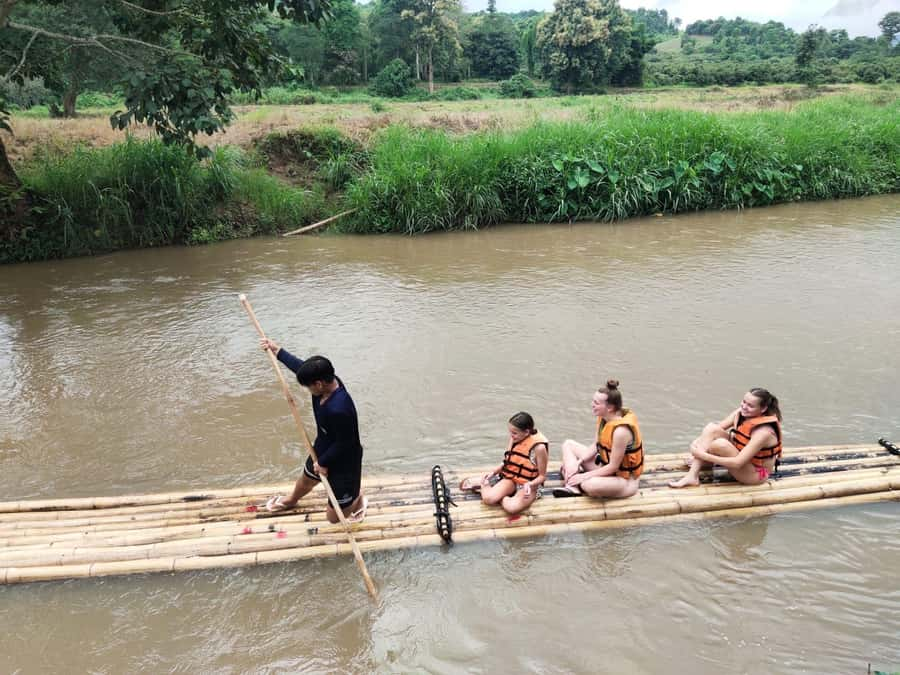
At about $93 per person for 2 days, you’re paying for a lot more than just a “walk in the woods.”
Here’s what’s included:
- Transport
- Guide (English)
- All meals during the trek
- Accommodation for one night
- Bamboo rafting
- Rice fields trekking and the waterfall portion as part of the program
For value, the big trade-off is that you’re not running the operation yourself. You’re buying organization: pickups, guided routes, meals, and the raft activity handled for you. That’s especially helpful if you’re staying in Chiang Mai and don’t want to spend hours coordinating transport, trail logistics, and where to eat.
The trade-off, again, is comfort. Accommodation is basic. If you want “hotel bed plus constant creature comforts,” this won’t match that. If you want a guided nature experience where you don’t have to manage the moving parts, it’s a strong deal.
Who This Trek Is Best For (and When to Choose Another Option)
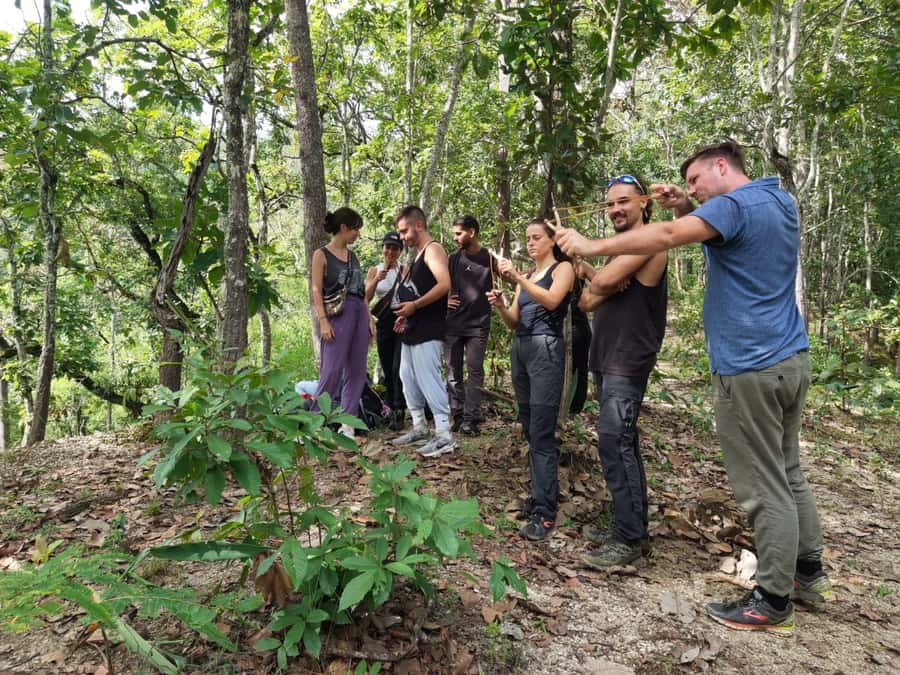
This tour is a great match if you:
- Enjoy walking through countryside and want scenery, not just sightseeing stops
- Like guided structure with time to relax (waterfall and rafting are your reset breaks)
- Are open to simple overnight accommodations
- Prefer small-group dynamics (up to 12 people)
I’d rethink it if you:
- Need wheelchair-level accessibility or very low walking tolerance (this is trekking, with multiple hiking segments)
- Hate getting wet (rafting is splash-heavy, and rain is possible)
- Expect hotel-style bedding at the home stay
If you’re the type who packs rain gear as a rule, not an exception, you’ll probably enjoy this even more.
Tips to Make It More Comfortable on Real Terrain
A few practical notes that keep the experience smoother:
- Wear footwear that handles muddy, wet trail sections if rain comes through.
- Bring a lightweight rain layer and keep it accessible.
- Plan for a soaked rafting segment by using swimwear and a change of clothes.
- Keep a small bag for dry items during the day two waterfall and rafting time.
A funny-but-true mindset helps: if you treat rain and splashes as part of the day’s soundtrack, you’ll feel less annoyed and more amused.
Should You Book This Chiang Mai Trek + Bamboo Rafting?
Yes, if you want a guided two-day countryside experience that mixes rice paddies, a Karen village walk, a waterfall swim, and a bamboo-rafting payoff—without you coordinating the details. The small group size helps the day feel more personal, and the schedule is packed but not chaotic.
Not for you if basic home-stay comfort and getting wet make you unhappy. Also, if you’re sensitive to rain, expect rainy-season conditions around places like July.
FAQ
What’s the duration of the tour?
The experience lasts 2 days.
What’s the pickup time in Chiang Mai?
Pickup from your hotel is between 7:00 and 7:30 A.M.
Does the tour include bamboo rafting?
Yes. Bamboo rafting is included and lasts about 30–45 minutes.
Is there a waterfall stop?
Yes. On day two, you swim and relax at a jungle waterfall.
What’s included in the price?
The price includes transport, a guide (English), all meals during the trek, bamboo rafting, and accommodation.
How large is the group?
It’s a small group limited to 12 participants.
What’s the accommodation like overnight?
It’s a home stay, and comfort is basic (a simple sleeping setup rather than a hotel room).