REVIEW · CHIANG MAI
Chiang Mai: Hmong Village, Doi Suthep and Wat Pha Lat Trek
Book on GetYourGuide →Operated by Chiang Mai Everywhere · Bookable on GetYourGuide
Chiang Mai has a side few people slow down for. This 7-hour small-group day pairs a Monk’s Trail hike to Wat Pa Lat with the famous Doi Suthep temple viewpoints, then adds a hands-on cultural stop at a Hmong village with coffee. I love how the day moves from quiet forest worship to one of the city’s most iconic golden temples. I also like that the group is capped at 9, so the English guide can actually adjust the pace.
One thing to plan around: this is a trekking-focused outing. If you have low fitness, mobility limits, or heart issues, the walking may not feel good, even if the route includes breaks and a friendly pace.
In This Review
- Key things I’d mark on your map
- Monk’s Trail to Wat Pa Lat: Forest Footsteps and Quiet Spiritual Energy
- Wat Pa Lat: A Peaceful Lanna Temple Stop (14th-Century Focus)
- Doi Suthep Temple: Golden Chedi, Sacred Relics, and Big-View Chiang Mai
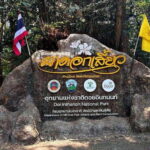
- Doi Suthep-Pui National Park: A Nature Break Without the Full Day Drag
- Hmong Village Above the Clouds: Crafts, Coffee, and a Walk with Culture
- Small-Group Touring with an English Guide: Better Pace, Less Stress
- Price and Value: What $57 Buys You in a 7-Hour Day
- What to Bring for Monk’s Trail and Village Walking
- Who This Tour Suits Best (and Who Should Skip It)
- Should You Book This Trek to Wat Pa Lat, Doi Suthep, and the Hmong Village?
- FAQ
- How long is the tour?
- Is pickup available in Chiang Mai, and where?
- What’s included in the price?
- Are meals included?
- Is this tour suitable for people with mobility issues or heart problems?
- Can I cancel for free, and can I reserve without paying now?
Key things I’d mark on your map
- Monk’s Trail to Wat Pa Lat: a serene forest path still used by monks and locals for pilgrimage
- Wat Pa Lat’s 14th-century Lanna setting: a calm temple stop meant for resting and meditation
- Doi Suthep’s golden chedi and relics: not just photos—there’s a meaningful focus inside the complex
- National Park time at Doi Suthep-Pui: a change of scenery without dragging the day out
- Hmong village above the clouds + coffee: culture and crafts, with time to walk and explore
Monk’s Trail to Wat Pa Lat: Forest Footsteps and Quiet Spiritual Energy
The day starts with pickup from your accommodation area in Chiang Mai City, with convenient options including the Old City and Nimman. From there, you head toward the trail used by monks to reach the area of Wat Pa Rat—an important detail because the walk isn’t presented as a random hike. It feels like you’re stepping into a living routine.
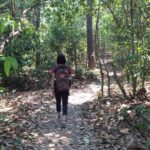
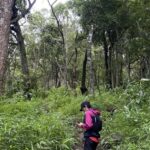
What you’ll likely notice fast is the rhythm of the forest. The route is described as a serene path through lush greenery, with the sounds of nature doing most of the talking. This is the part of the tour that many people remember most, because it’s slower and more sensory than temple sightseeing.
Even if you’re not a big “temple person,” you’ll probably appreciate the practical side: you’re outdoors for the kind of walking that helps you build up to the later climb at Doi Suthep. And since this is a small-group tour, you’re less likely to get stuck behind a huge crowd.
You can also read our reviews of more tours and experiences in Chiang Mai.

Wat Pa Lat: A Peaceful Lanna Temple Stop (14th-Century Focus)
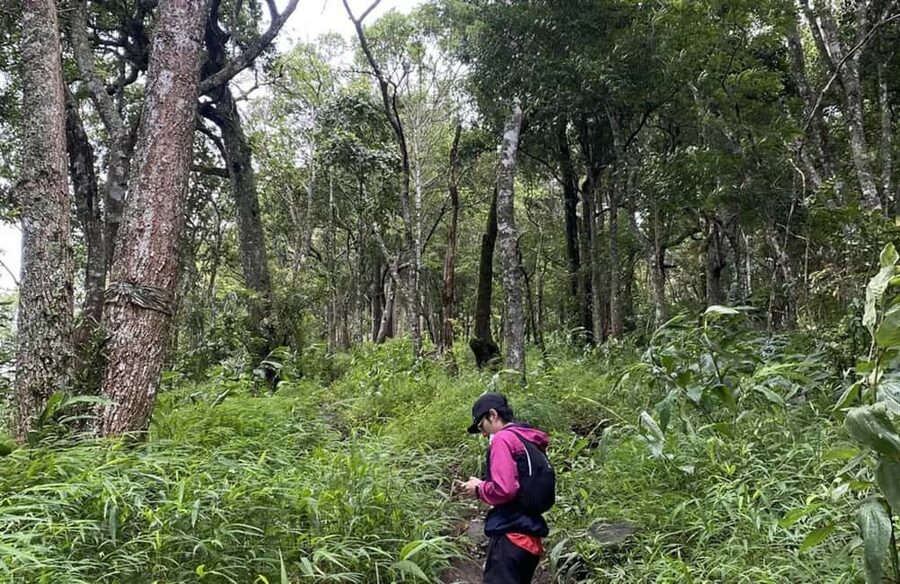
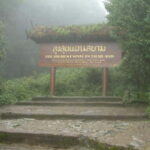
Wat Pa Lat is the calm counterweight to the more famous places later in the day. It’s described as a temple built around the 14th century during the Lanna Kingdom era, and it was used as a resting and meditation place for monks traveling toward Doi Suthep. That context changes how you experience it. You’re not just viewing ornate structures—you’re understanding why the place exists.
Expect a quieter atmosphere when you arrive. The tour gives you time to visit, not just pass through, so you can sit with the surroundings and get a feel for how peaceful this stop is supposed to be. If you like learning how temples connect to daily life in Thailand—pilgrimage routes, rest points, and spiritual routines—Wat Pa Lat is the kind of place that clicks.
Practical tip: since this is a temple visit in a forest setting, your clothing and footing matter. Wear shoes you’re comfortable in for uneven ground, and bring insect repellent. The temple time itself is short enough that you can still enjoy the day without feeling like you’re stuck waiting.
Doi Suthep Temple: Golden Chedi, Sacred Relics, and Big-View Chiang Mai
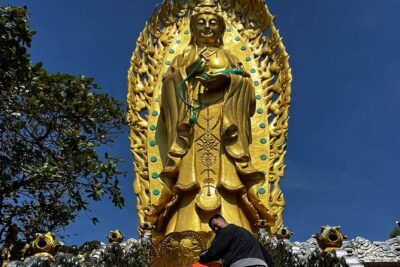
Then you pivot to Doi Suthep, Chiang Mai’s best-known temple complex. This is the stop most people come for, and the tour doesn’t skimp on what makes it important. Inside the golden chedi, sacred relics of the Buddha are housed, so you’re visiting with a stronger spiritual and cultural focus than just a viewpoint.
You’ll also get the panoramic payoff. The temple grounds offer wide views over Chiang Mai, and that’s usually when the day starts to feel like it’s really taken you somewhere. Even if you’ve seen Doi Suthep from street viewpoints before, being on the grounds changes everything.
The tour schedule includes time for both visiting and getting bearings—so you can look around without feeling rushed. Still, keep in mind that temple complexes can require walking over flat-but-busy areas and stairs. If you’re someone who gets tired quickly on steps, slow your pace early. It’s easier than trying to recover later.
Doi Suthep-Pui National Park: A Nature Break Without the Full Day Drag
Between the main temple moments, you get a stop in Doi Suthep-Pui National Park. This is a nice rhythm change: the day alternates between sacred stops and outdoor scenery, so you’re not stuck doing only buildings and crowds.
The park stop is built into the day at a reasonable time window, so you can enjoy the scenery without turning the day into an all-day hike. What you’ll take from it depends on conditions—light, air clarity, and how much you choose to walk—but the intention is clear: reset your eyes and legs before the cultural village portion.
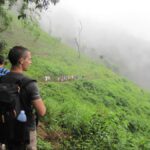
Also, since the tour includes trekking in multiple sections, this in-between nature time acts like a breather. If you’re going to enjoy the day comfortably, that pacing matters.
Hmong Village Above the Clouds: Crafts, Coffee, and a Walk with Culture
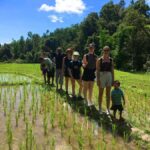
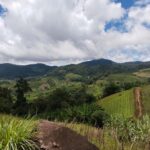
After temples and forest air, the day shifts to people and everyday traditions at a traditional Hmong hill tribe village. You’ll have time to break, take photos, visit, and then move through a walking segment of about 1.5 hours. That mix is helpful: it’s not only a viewing stop, and it’s not only a workout either.
The Hmong are described as an ethnic minority originally from the highlands across southern China, Laos, Vietnam, and Myanmar. Learning that background before you arrive helps everything you see feel more grounded. You’ll likely notice handicrafts, traditional-style life, and cultural demonstrations through the village experience.
Coffee is included, and that’s more than a small perk. It gives you a natural reason to slow down, talk, and take in the atmosphere at a human pace. If you love travel moments that feel like real conversation rather than a checkbox, this is the part that tends to satisfy.
One consideration: since this is a village plus a walking portion, wear the shoes you brought for the hike. Don’t switch to sandals just for style. Your comfort here makes everything else easier.



Small-Group Touring with an English Guide: Better Pace, Less Stress
This tour keeps groups small, limited to 9 participants. That matters more than it sounds. With fewer people, you’re less likely to spend time waiting while someone else catches up, and the guide can manage the flow between the temple stops and trekking sections.
The guide is English-speaking (and also Thai-speaking). In plain terms: you can ask questions without feeling like you’re talking into the void. And on a small-group day, it’s easier for your guide to respond to the group’s needs, such as pacing and what you want to spend more time seeing.
Transport is also practical. The tour uses a car depending on group size, from a 3-person sedan to larger MPVs or vans. Translation: you won’t be squeezed in a way that makes the later hiking miserable, and you’ll still get the flexibility of a road day that isn’t tied to one rail line or shared shuttle.
Price and Value: What $57 Buys You in a 7-Hour Day
At about $57 per person for a 7-hour outing, the real question is what’s included—and why it adds value. Your payment covers hotel pickup and drop-off, an English guide, car transport, entrance fees, and trekking time (including the hiking portions). It also includes coffee at the village.
If you’ve ever priced out temple entry tickets plus a private driver plus a guide, you’ll see why this package format works. You’re basically buying convenience and structure: you spend your energy on walking, viewing, and learning—rather than figuring out transport between multiple areas in Chiang Mai.
Is it luxury-priced? No. Is it cost-effective for a mixed day with multiple stops? Yes—especially if you want a guide to explain what you’re seeing at Wat Pa Lat and Doi Suthep, and you don’t want to spend hours planning the route on your own.
What to Bring for Monk’s Trail and Village Walking
You’ll be happier if you treat this like an outdoors day, not just a city tour. Bring sunglasses and a hat. Wear weather-appropriate clothing and outdoor layers you can adjust as you move between forest shade and open temple areas.
Most important items:
- Hiking shoes (this is not the time for slick soles)
- Insect repellent
- A daypack for water and small essentials
Also consider how hot and humid Chiang Mai can feel. Even if you’re not sprinting, you’ll work up a sweat. If you pack smart, you’ll feel more comfortable through both trekking sections.
Who This Tour Suits Best (and Who Should Skip It)
I think this tour is a great fit if you want a day that mixes spirituality, nature, and culture without being stuck in a single bubble. It’s especially good for travelers who enjoy walking a bit, like learning how religious sites connect to real routes and routines, and want more than just a quick temple photo stop.
It’s not a great match if you have mobility impairments, heart problems, or low fitness. Even with small-group pacing, the day includes trekking and multiple walking segments, so your comfort matters more than the schedule.
If you’re unsure, use this simple rule: if you know you struggle with hills or uneven paths in real life, this is probably not the best choice.
Should You Book This Trek to Wat Pa Lat, Doi Suthep, and the Hmong Village?
If you want a structured Chiang Mai day that feels more like a story than a checklist, I’d say book it. The combination works because it balances three different textures: quiet forest pilgrimage energy, Doi Suthep’s iconic temple meaning and views, and a culture-forward village stop with time to walk and enjoy coffee.
I’d especially recommend it if you value a guide who can explain what you’re seeing—particularly the Lanna-era context at Wat Pa Lat and the sacred relic focus at Doi Suthep. And if small groups are your thing, the cap of 9 adds real comfort.
Only skip if the trekking aspect scares you. This is not a sit-and-watch tour. It’s a walk-through-day, and you’ll enjoy it most if you’re ready for that.
FAQ
How long is the tour?
The duration is 7 hours.
Is pickup available in Chiang Mai, and where?
Pickup is available from accommodations in Chiang Mai City, including the Old Town and Nimman areas. You’ll want to be ready in the lobby about 10 minutes before pickup.
What’s included in the price?
The price includes hotel pickup & drop-off, an English guide, car transport, entrance fees, and coffee at the Hmong village, plus trekking portions and a couple of hiking segments.
Are meals included?
No. Other meals are not included.
Is this tour suitable for people with mobility issues or heart problems?
No. The tour involves trekking and may not be suitable for people with mobility issues or heart problems.
Can I cancel for free, and can I reserve without paying now?
Yes. You can cancel up to 24 hours in advance for a full refund. You can also reserve now and pay later.