REVIEW · CHIANG MAI
Chiang Mai: 2-Days Chiang Mai Amazing Trek
Book on GetYourGuide →Operated by Thai Eco Trek Adventures · Bookable on GetYourGuide
Northern Thailand feels bigger on the trail. This 2-day Chiang Mai eco trek blends temples, forests, a Karen hill tribe overnight, and bamboo rafting for a day-by-day experience that stays grounded and real.
I especially love the mix of iconic and quiet stops: Doi Suthep Temple for the famous mountain views, then Wat Pha Lat for a slower, more peaceful temple break in the trees. The other big win is the hill tribe homestay setup, where you share a home-cooked dinner and breakfast with your host family.
One consideration: the overnight in the village is basic, more like a simple shelter than a hotel room. Plan for practical comfort needs and pack what you’ll want for sleep and hygiene.
In This Review
- Key highlights at a glance
- Why this Chiang Mai eco trek works (temples, trails, and real people)
- Day 1: Doi Suthep Temple, Wat Pha Lat, and a waterfall hike
- Karen hill tribe homestay: basic sleep, big cultural payoff
- Day 2: jungle trek shortcuts, herbal medicine stops, and bamboo rafting
- Price and value: is $108 actually a good deal?
- Who should book this and who should skip it
- Practical packing tips that make day one and day two easier
- Should you book this Chiang Mai trek?
- FAQ
- How long is the Chiang Mai Amazing Trek?
- What activities are included?
- What meals are included?
- Is the trekking difficult?
- What should I bring for the trek and village stay?
- What is the overnight like in the hill tribe village?
- Is the tour guided in English?
- Do I get hotel pick-up and drop-off?
Key highlights at a glance
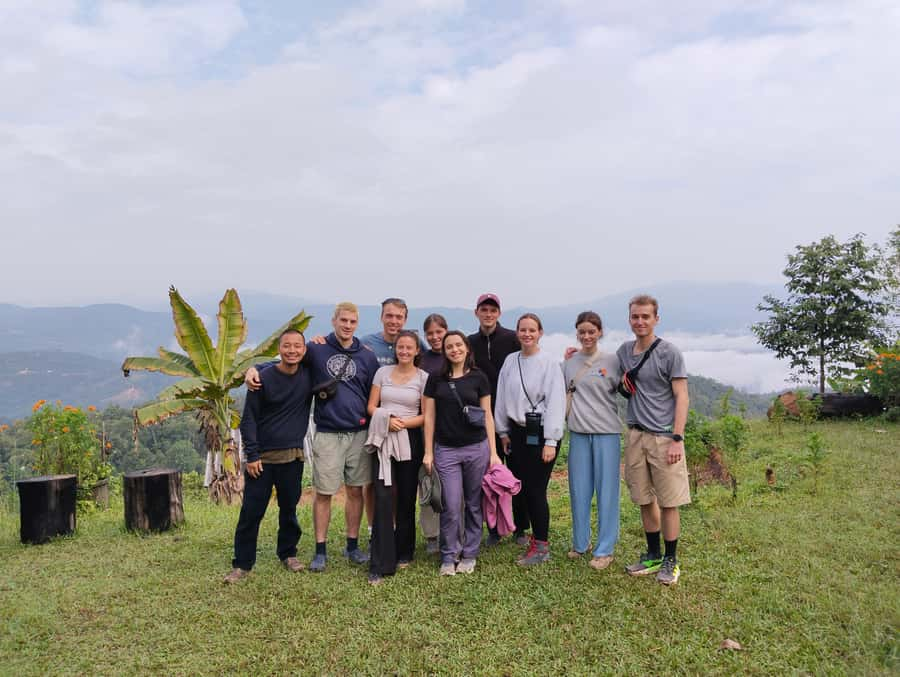
- Doi Suthep Temple plus a quieter spiritual stop at Wat Pha Lat
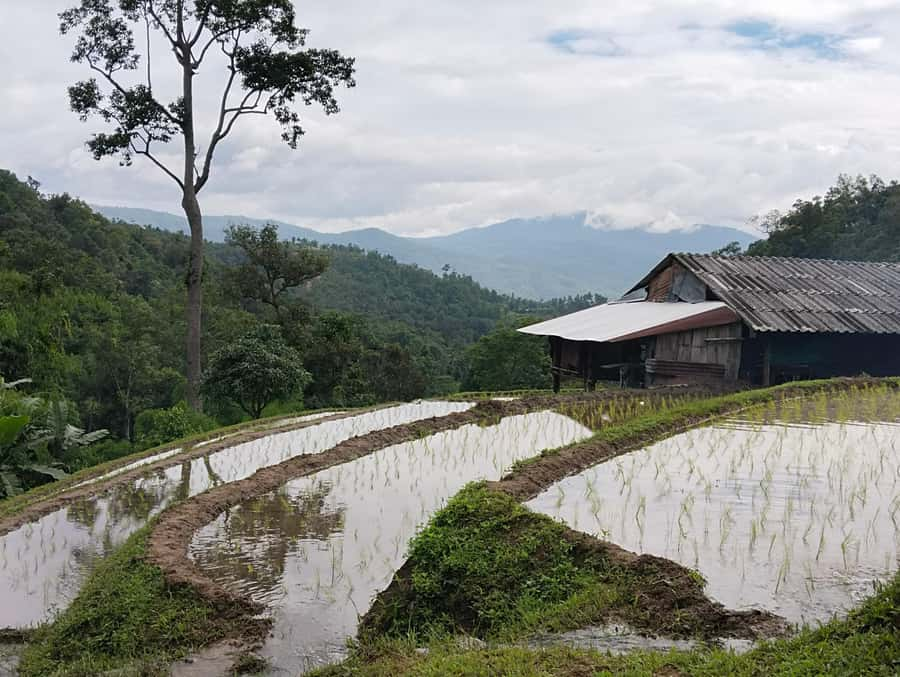
- Riverside trekking with a hidden jungle waterfall and terraced farmland views
- Karen hill tribe homestay with a home-cooked dinner and breakfast
- Forest walking on day two with stream crossings, waterfalls, and herbal medicine learning
- Traditional bamboo rafting for a calm end through jungle scenery
- English-speaking guide team with knowledgeable interpretation of plants and ecosystems
Why this Chiang Mai eco trek works (temples, trails, and real people)
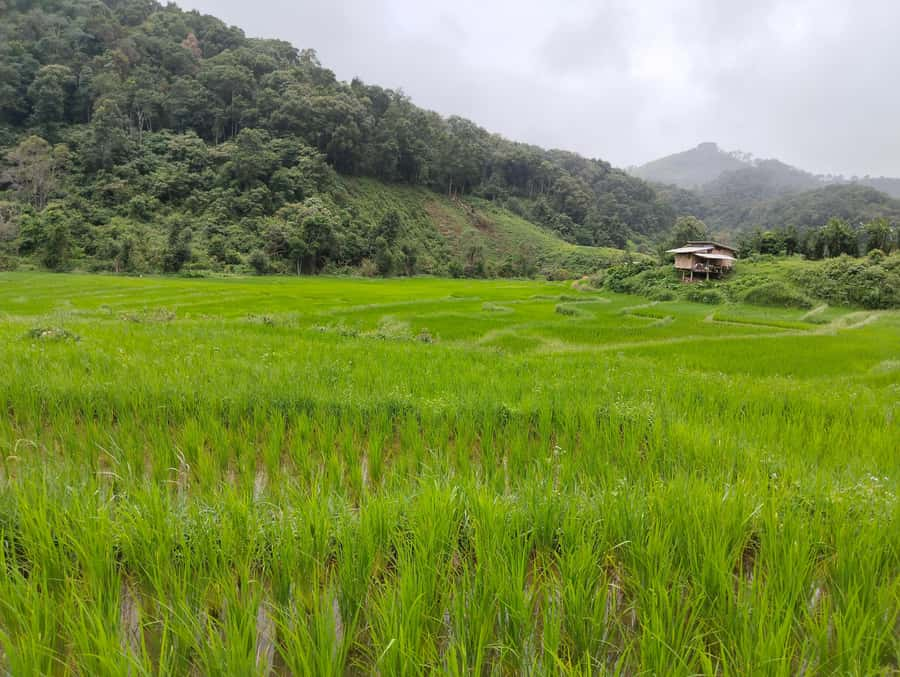
This is the kind of tour that makes northern Thailand feel like one connected story instead of separate stops. You start high at a major temple, then you move down into the countryside rhythm—markets, farms, rivers, forest trails—until you end the second day floating through the same jungle you walked through.
The temple time matters because it sets the cultural frame. Doi Suthep is known for its sweeping mountain panoramas and respected spiritual setting, while Wat Pha Lat offers the contrast: a peaceful jungle temple that feels more like a retreat than a sightseeing stamp. Together, they give you both the landmark and the calmer side.
Then the trekking is where you actually start to slow down and notice. You’re not just walking from point A to B. You follow a trail through forest, learn about native plants and local ecosystems, and pick up context on sustainable farming and how people work the land. It’s the difference between seeing nature and understanding how locals relate to it.
Finally, the hill tribe overnight flips the usual tourist script. You’re not watching from a distance. You stay in a village with a host family, have dinner together, and sleep under the stars. That’s often the most memorable part—because it’s the one where you’re pulled into daily life, not just a photo spot.
If you like experiences that feel practical, hands-on, and grounded, this one fits.
You can also read our reviews of more tours and experiences in Chiang Mai.

Day 1: Doi Suthep Temple, Wat Pha Lat, and a waterfall hike
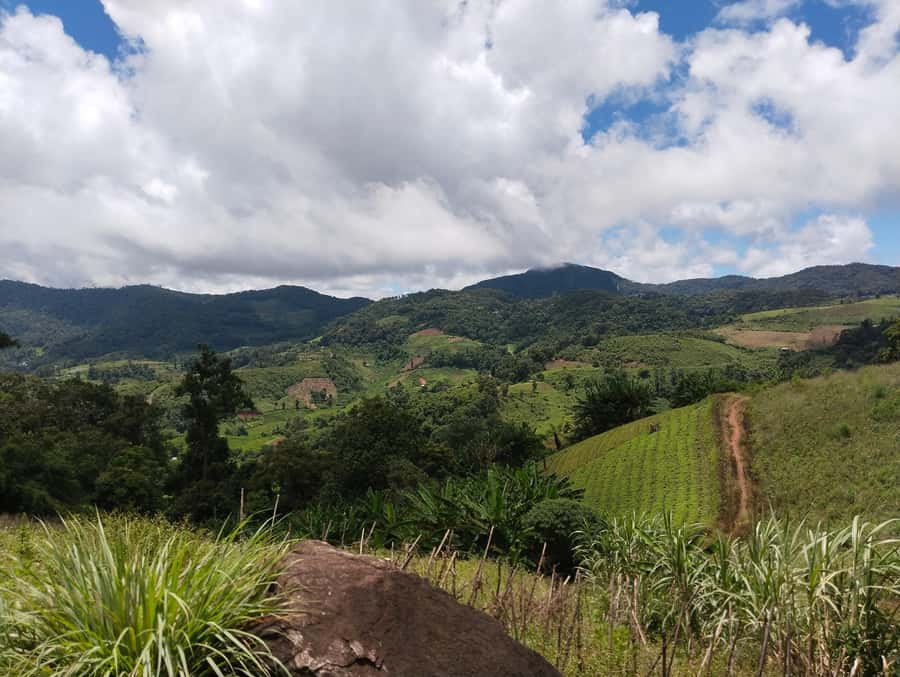
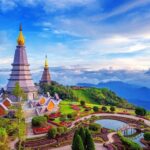
Day one starts with a scenic drive up the mountain, and right away you hit Chiang Mai’s big spiritual landmark: Doi Suthep Temple. It’s perched high, and the payoff is the panoramic view. Even if temples aren’t your main interest, this stop is worth it for the way the mountain setting shapes the mood—cooler air, wide horizons, and that Lanna-style architectural feel.
Next comes the quieter contrast: Wat Pha Lat. This is the temple tucked into the jungle setting, the one that tends to feel calmer and less rushed. You get to see a sacred space in a more sheltered natural environment, and it’s a good reset before you start walking.
After the temples, you get a countryside market moment. This isn’t a museum stop. It’s a real glance at local life, plus the fun of sampling a traditional Thai snack and grabbing a seasonal lunch at a local restaurant.
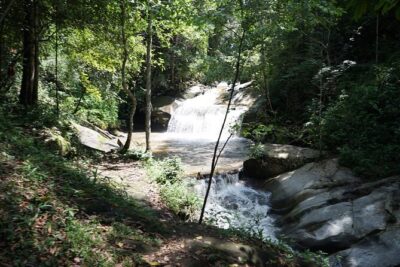
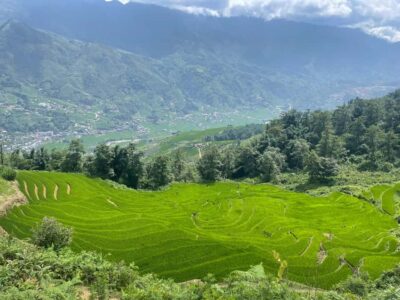
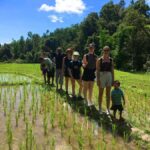
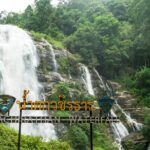
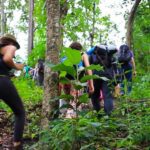
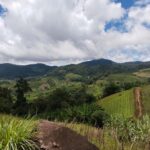
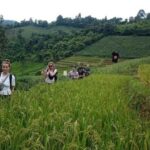
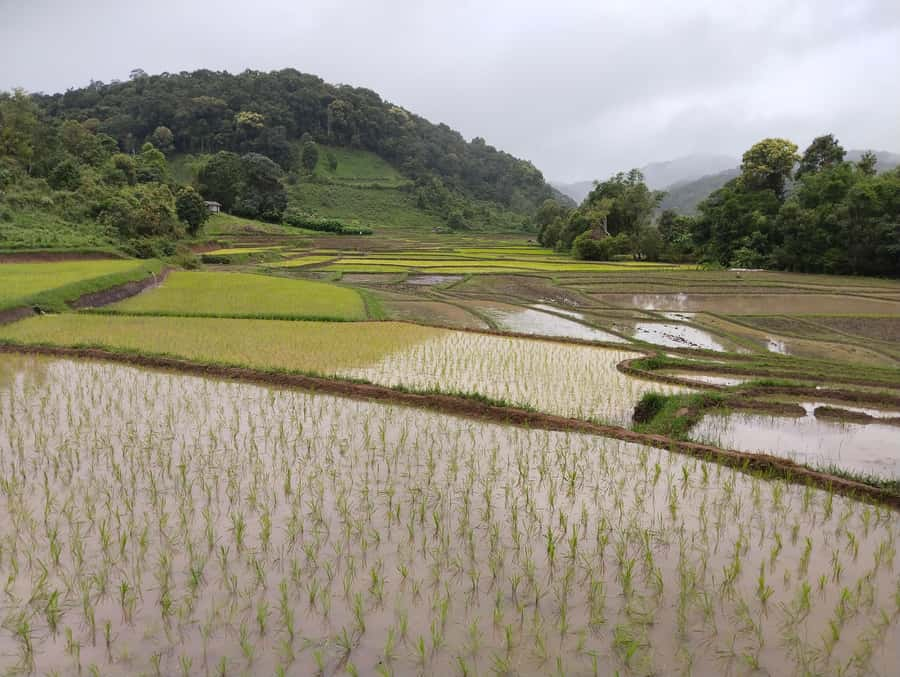
Then you shift into the eco trek: a guided walk through lush forest where your route follows a riverside trail. The walking is described as moderate physical activity, so you should expect some uphill moments and uneven ground, but no extreme technical scrambling. The best reward is the hidden jungle waterfall stop, plus the terraced farmland views that show how the valley is worked.
What you’ll likely appreciate most here is the context your guide brings. You’re learning about native plants, sustainable farming practices, and local ecosystems as you walk. That turns the scenery into something you can name and understand, which makes the photos better—but more importantly, it makes the hike feel purposeful.
Practical note for day one: take your time around the waterfall and on any farm overlooks. The terrain can be slippery, especially with jungle moisture and shade.
Karen hill tribe homestay: basic sleep, big cultural payoff
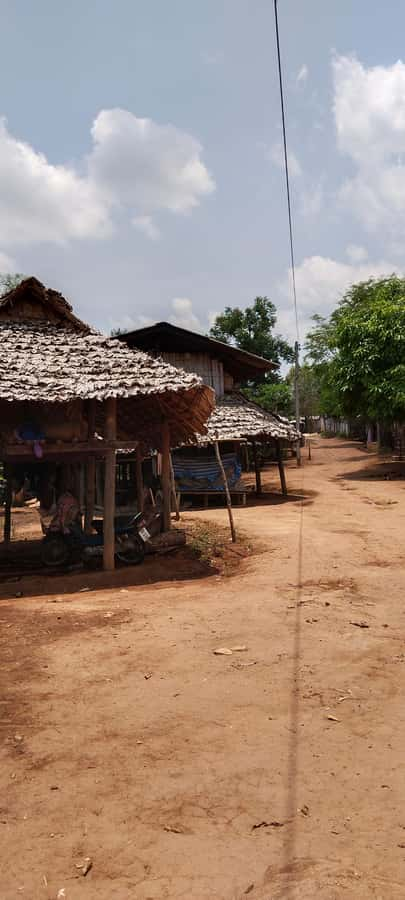
The overnight is the emotional centerpiece of the tour. You arrive at a Karen hill tribe village surrounded by mountains, meet the locals, and settle into a cozy homestay with your host family. In the evening, you get a home-cooked dinner together—then sleep in the village overnight.
Here’s what you should know about the comfort level. This isn’t a hotel. It’s described as basic and, in real-world terms, more like a refuge or simple stall setup. That means you should plan for comfort items that you normally take for granted.
Based on what people report after sleeping there, I’d pack:
- Personal soap and a way to freshen up
- A towel (or at least something quick-drying)
- Toilet paper
- Anything else you rely on for hygiene and sleep comfort
The good news: the host family experience is warm and hands-on. You’re not treated like a passing customer. You’re part of the evening routine—dinner first, then breakfast in the morning.
It’s also worth mentioning insects. The village experience can involve more bugs than the city, so insect repellent isn’t optional. You may find a mosquito net for sleeping, which helps a lot. Still, wearing long sleeves and using repellent at the right times makes a difference.
If you like cultural exchange that doesn’t feel staged, this stop delivers. If you need lots of modern amenities at night, you’ll want to mentally adjust now. The value here is the connection, not the bedding.
Day 2: jungle trek shortcuts, herbal medicine stops, and bamboo rafting
Day two starts with a homemade breakfast with your host family. It’s a simple way to ease into the morning and gives you a final taste of the village routine before you head back out.
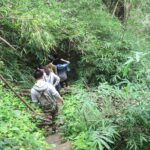
Then the second trek continues through the forest. This day is described as following winding trails, crossing small streams, and visiting waterfalls along the way. The walking stays in the moderate range, but stream crossings can make the ground feel different—watch your footing, especially if there’s wet foliage or slick stones.
This is also where the learning gets more specific. You’ll pick up info on local herbal medicine and biodiversity as you go. That matters because it connects the greenery around you to how people think and survive in this region. You end up noticing plant textures and growth patterns more than you would on a standard nature walk.
After the trekking, you get lunch in a relaxed setting. This is an important reset: by day two, you’ll appreciate sitting down, eating something filling, and letting your legs recover a bit before the finale.
And the finale is the bamboo rafting. You float gently downriver on a traditional bamboo raft through serene jungle scenery. This is a different kind of “effort,” more quiet and scenic than the hiking days. It’s also the perfect way to transition from fast movement in the forest to a calmer pace where you can watch for local wildlife along the way.
Bamboo rafting is often underrated because people assume it’s all thrill and photos. Here it’s more about floating—seeing the river corridor slowly, breathing easier, and letting the tour wrap with a peaceful vibe.
Tip: bring your camera but keep it protected. You’re on a raft. Mist happens. Water is part of the scenery.
Price and value: is $108 actually a good deal?
At $108 per person, this tour looks fair because so much is built in. You’re not just paying for guides and transportation—you’re also getting key experiences stitched together across two days.
Included items you’ll be glad are covered:
- Hotel pick-up and drop-off
- A live guide
- Lunch on both days
- Dinner on day one and breakfast on day two
- Bamboo rafting
- Eco trekking
- Doi Suthep Temple and Wat Pha Lat
- Wat Pha Lat
- Local market visit
- Hill tribe village homestay
What that means for you: the cost covers both the logistics and the “hard parts” of the trip—access to the countryside, guided interpretation, and the overnight experience. You’re also saving the hassle of trying to combine all these elements on your own.
Where the value can shift is personal comfort. The trek is moderate, but the village stay is basic. If you need extra comfort gear (toiletries, towel, clothing you can get muddy without stress), you may spend a little on personal items anyway.
Still, the overall deal is strong because your two days include multiple guided cultural stops, meals, transportation, trekking support, and the rafting finale. If you’re someone who likes a plan that’s active but not exhausting, this price fits the mix you’re getting.
Who should book this and who should skip it
This tour is a strong match if you want:
- Moderate trekking with guidance and context
- A mix of temples + countryside life rather than only hikes or only sightseeing
- An overnight homestay where you share dinner and breakfast with a host family
- A calm activity finish with bamboo rafting
It also works well for families, based on what people report about walking with younger travelers. The trek isn’t described as technical, but do remember it’s mountain terrain and involves forests and riverside paths.
You might consider a different option if:
- You have very limited mobility or you need a low-walking itinerary. The trek is moderate, and day two includes stream crossings.
- You expect hotel-level comfort at night. The homestay is basic and requires you to pack practical hygiene items.
If you’re the type who enjoys being outdoors, learning how plants and local practices connect to daily life, and you’re okay with simple sleeping conditions, you’ll likely love this.
Practical packing tips that make day one and day two easier
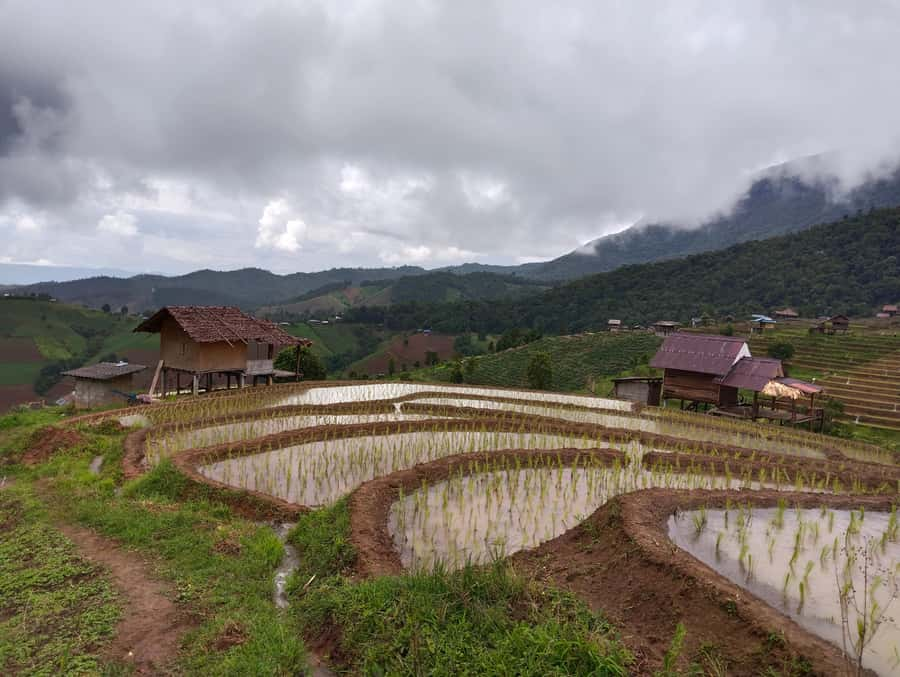
Bring the basics like you’re going on a real hike, not a casual stroll. The tour asks for comfortable shoes, and I agree: good traction shoes matter with forest paths and possible wet spots.
Pack these for comfort and sanity:
- Comfortable shoes for mountain terrain
- Hat plus sunscreen for temple viewpoints and open stretches
- Water (bring enough for the day pace)
- Insect repellent, especially for the village and jungle areas
- Comfortable clothes you can move in
For the homestay night, add personal hygiene comfort items. Since the accommodation is basic, having your own soap, towel, and toilet paper makes the difference between tolerable and genuinely comfortable.
Also keep a light, flexible mindset about weather. Northern Thailand can shift quickly, and the trek includes natural stops like waterfalls and river trails. If it rains, you’ll want clothes you can adapt with.
Should you book this Chiang Mai trek?
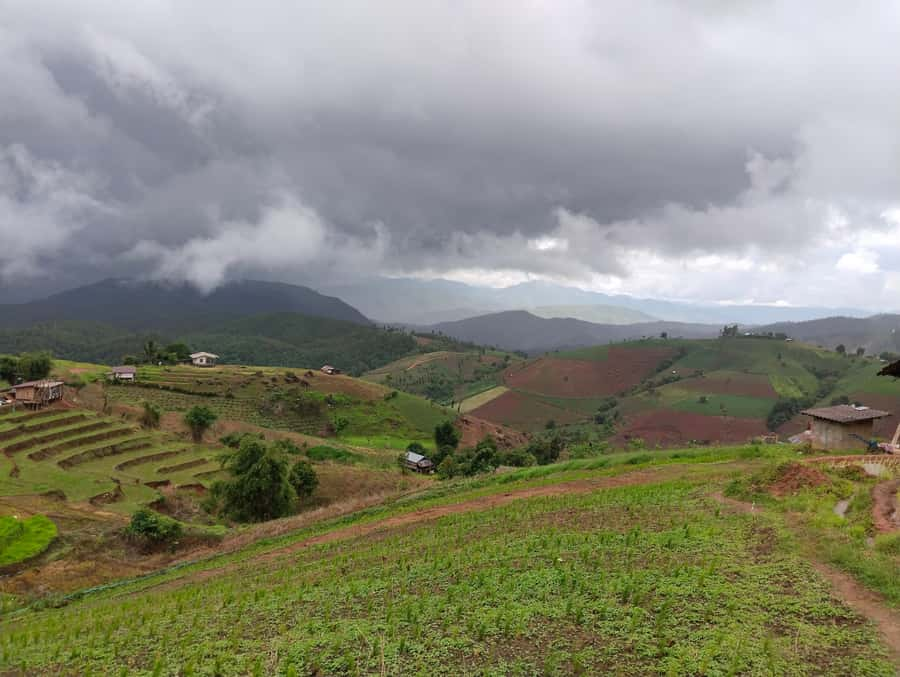
I’d book this if you want a 2-day Chiang Mai experience that blends culture, nature, and a real community overnight—without turning it into a stressful marathon. The Doi Suthep and Wat Pha Lat combination gives you both the big-name temple feel and a quieter jungle retreat vibe. Then the trekking plus hill tribe dinner and breakfast adds depth that you don’t get from day-only tours. Finally, bamboo rafting gives you a gentle landing after the walking.
I’d skip it if you can’t handle basic lodging or you want a mostly flat, low-activity itinerary. The trek is described as moderate, and the village stay requires a bit of self-sufficiency.
If you’re ready for a real countryside rhythm—with guides who explain plants, ecosystems, and herbal medicine as you go—this is a great value way to do it.
FAQ

How long is the Chiang Mai Amazing Trek?
It’s a 2-day tour in Chiang Mai Province.
What activities are included?
You’ll do eco trekking, visit Doi Suthep Temple and Wat Pha Lat, go on a local market visit, stay in a hill tribe village homestay, and enjoy bamboo rafting.
What meals are included?
Lunch is included on both days. Dinner on day one and breakfast on day two are included as well.
Is the trekking difficult?
The trek involves moderate physical activity. It includes mountain trails, and day two includes crossing small streams.
What should I bring for the trek and village stay?
Bring comfortable shoes, a hat, sunscreen, water, comfortable clothes, and insect repellent.
What is the overnight like in the hill tribe village?
Accommodation is basic in the hill tribe village. You’ll want to plan for simple facilities rather than hotel comfort.
Is the tour guided in English?
Yes, the tour is available in English with a live tour guide.
Do I get hotel pick-up and drop-off?
Yes. The tour includes hotel pick-up and drop-off.