REVIEW · KATHMANDU
Kathmandu: 6 Days Langtang Valley Trek
Book on GetYourGuide →Operated by MTA Trekking · Bookable on GetYourGuide
Langtang hits fast, even on day one. You start in Kathmandu, ride to Syabrubesi, then hike into Tamang villages with big Himalayan views, including the old-world feel of Kyanjin Gompa. I also like that it’s short enough to stay focused, but still long enough to feel like a real trekking week. One consideration: the optional Kyanjin Ri push and the higher camp at Kyanjin Gompa can bring on altitude stress, so you need to take acclimatization seriously.
The trip is built around a calm, guided rhythm. You’ll walk with an English- and Hindi-speaking guide, and the overall feel is organized without making it feel like a factory line. With a private group setup, it’s easier to move at a pace that fits your head and legs, but that also means your comfort level (and any weather delays) will shape the day more than you might expect.
In This Review
- Key things that make this trek worth your time
- Langtang Valley from Kathmandu: Why this trek stays memorable
- Your 6 days on the trail: What each stop feels like
- Day 1: Kathmandu to Syabrubesi, then to Pahiro (1,550m)
- Day 2: Pahiro to Ghoda Tabela (2,900m)
- Day 3: Ghoda Tabela to Kyanjin Gompa (3,870m)
- Day 4: Kyanjin Gompa to Thangsyap (3,200m), with optional Kyanjin Ri (4,770m)
- Day 5: Thangsyap back to Syabrubesi (1,550m)
- Day 6: Syabrubesi back to Kathmandu
- Kyanjin Gompa and Kyanjin Ri: Two very different kinds of magic
- The guide factor: how support changes everything
- Price and value: what $206 includes (and why it matters)
- Seasons and weather: when Langtang usually treats you well
- Altitude and safety: plan like altitude is real
- What to bring: the gear list that actually saves your trip
- Who should book this Langtang Valley trek
- Should you book the Kathmandu: 6 Days Langtang Valley Trek with MTA Trekking?
Key things that make this trek worth your time
- Tamang culture up close: village life, monastery visits, and local cheese tasting on the mountain.
- Kyanjin Gompa at 3,870m: a high point with monasteries and community stops, not just scenery.
- Optional Kyanjin Ri (4,770m): a demanding viewpoint day when you want the big panoramic payoff.
- A guided week that feels doable: the route is active, but the support helps you keep moving safely.
- Good value for a guided package: permits, TIMS, taxes, hotel pickup, and full meals are included.
Langtang Valley from Kathmandu: Why this trek stays memorable
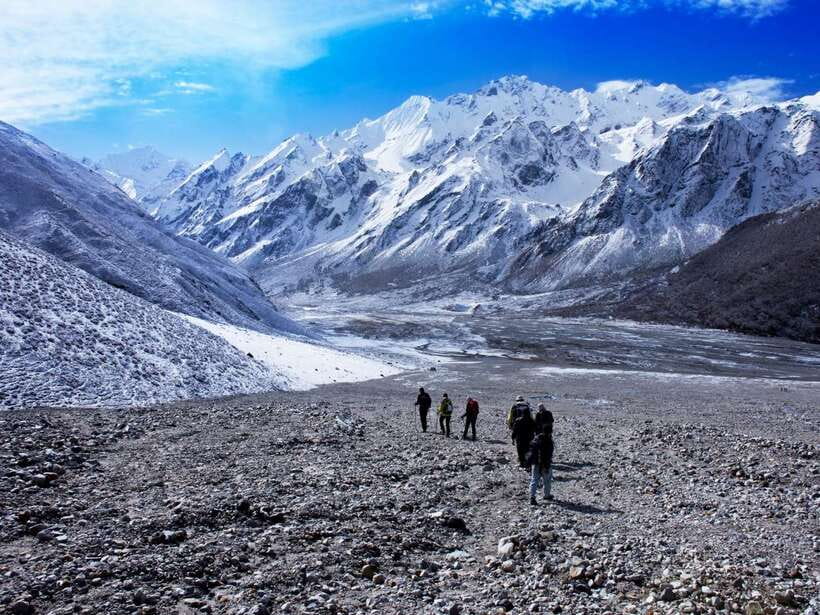
If you want Nepal trekking that feels both scenic and human, Langtang delivers. You’re not only hiking in the mountains—you’re walking through places where people live, farm, trade, and keep traditions going. That matters, because the trek turns from a photo mission into something more grounded: you meet locals, hear stories, and spend time in mountain communities like Kyanjin Gompa.
I like that the experience is built to connect the dots. It’s not just “go up, see views, go down.” You’re guided through village trails, through rhododendron-style forest trekking (especially in the right season), and into a monastery setting where the pace naturally slows because you’re actually visiting, not just passing by.
One more thing: Langtang is a strong choice for a shorter trek. You get altitude, distance, and that early-morning mountain air feeling—but within a six-day window that won’t swallow your whole vacation.
You can also read our reviews of more tours and experiences in Kathmandu.
Your 6 days on the trail: What each stop feels like
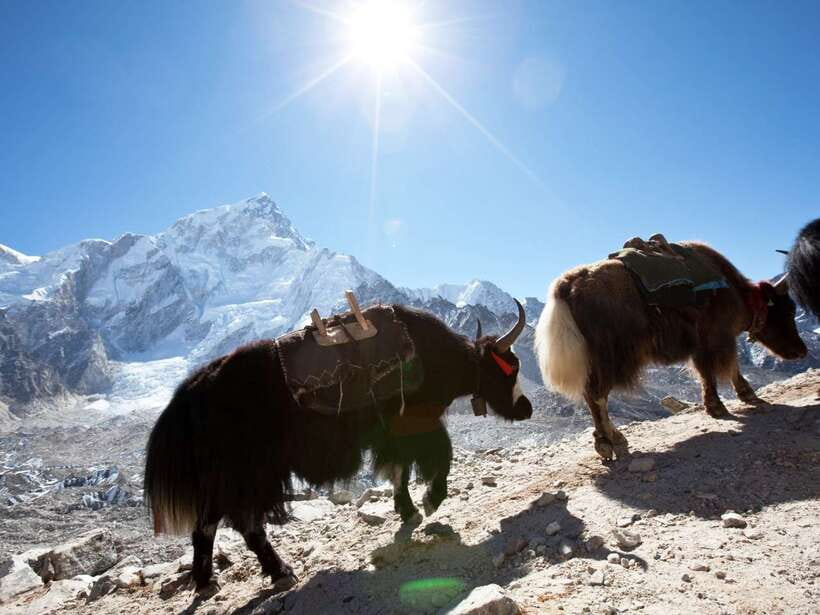
This is a classic out-and-back style trek. Each day has a clear goal, and the elevation gains are significant enough to matter without turning every step into a survival test.
Day 1: Kathmandu to Syabrubesi, then to Pahiro (1,550m)
You’ll start with a scenic drive from Kathmandu to Syabrubesi, the gateway town for the Langtang Valley trek. Once you begin walking, the first section follows a quieter rhythm along the Langtang River area, with forest paths and calm scenery.
The best part of day one is the transition. You move from city time into trail time. Even if you’re eager to rush onward, the first night at Pahiro helps you settle your breathing and get your hiking shoes used to the ground.
Day 2: Pahiro to Ghoda Tabela (2,900m)
This is your bigger “legs wake up” day. The trail climbs through greener stretches and crosses villages, and you’ll often get hints of peak views along the way. It’s also the day where small falls of water and distant cascades add variety—so you don’t feel locked onto one type of scenery for hours.
Ghoda Tabela at 2,900m sets up your next move well. You’ll be higher than day one, but not at the extreme altitude of Kyanjin Gompa. It’s a sensible step in the climb.
Day 3: Ghoda Tabela to Kyanjin Gompa (3,870m)
Day three is where Langtang starts to feel seriously alpine. You’re walking into a traditional high Himalayan settlement surrounded by dramatic peaks. This is also when the cultural side becomes more than a side note.
In Kyanjin Gompa, you’ll visit the monasteries, and you’ll get time around community life. There’s also a local cheese factory stop, plus the chance to meet friendly residents. I love this mix because it gives the day a “point.” You’re not only earning altitude views—you’re earning understanding.
For altitude: 3,870m is no joke. Some people feel fine, others get headaches or nausea if the climb feels too quick for them. If you’re the type who tends to get symptoms at altitude, listen to your body and go slower.
Day 4: Kyanjin Gompa to Thangsyap (3,200m), with optional Kyanjin Ri (4,770m)
This is the flexible day, and it’s one of the most satisfying choices you’ll make on the whole trek.
If you do the optional Kyanjin Ri hike (4,770m), you’re trading comfort for a classic high viewpoint reward: panoramic mountain views across glacial valleys and snow-covered peaks. The climb is challenging, but it’s the kind of hard that feels purposeful because you’re working toward an actual summit view.
Then you retrace your steps and descend back down to Thangsyap. Thangsyap at 3,200m is a relief from the higher altitude day. I like that the design gives you the option to go big on day four without leaving you stranded at peak elevations overnight.
Day 5: Thangsyap back to Syabrubesi (1,550m)
This day is about returning with purpose. You’re going downhill through forests and along the Langtang River area again, and the air feels different as the elevation drops. The views keep coming, but in a more relaxed way—less about “can I do this altitude today,” and more about enjoying the walk.
I always find day five emotionally important. You’re still trekking, still outdoors, but you can already sense the end. That makes it a great day to take photos, soak in the route one last time, and talk more with your guide while you still have time.
Day 6: Syabrubesi back to Kathmandu
You’ll drive from Syabrubesi to Kathmandu and call it a trip well done. This final return gives you space to reflect, hydrate, and get your body back into city mode. If you’ve been distracted by altitude the last few days, this is when it all feels real.
Kyanjin Gompa and Kyanjin Ri: Two very different kinds of magic
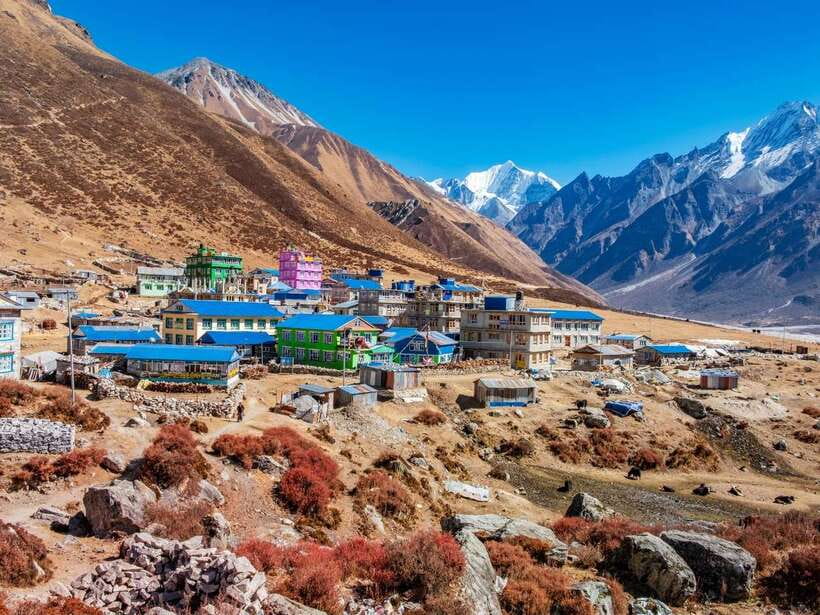
People often focus only on the highest viewpoints. That’s fair—Kyanjin Ri at 4,770m is the classic “wow” moment. But I think Kyanjin Gompa is the heart of this trek.
At Kyanjin Gompa, you’re at a high point where a monastery culture shapes the day. You can look up at the mountains, sure, but you’re also visiting older religious spaces and spending time in a community setting. That blend makes it more than just a high-altitude photo stop.
Kyanjin Ri is different. It’s a workout day with a big panoramic payout. If you’re comfortable with steep walking and you take it slow, you can get some of the most striking views on the entire Langtang route. If you’re feeling altitude symptoms or you want a calmer pacing day, choosing not to go up to 4,770m is a smart move.
Either way, Thangsyap helps you reset before your return to Syabrubesi.
The guide factor: how support changes everything
Support matters more on a trek like this than it does on a flat city walking tour.
On this trek, you’ll have an English-speaking guide, and you’ll also have Hindi support. One name that comes up strongly is Ghanshyam, who guides people in a way that feels structured but never stiff. The key part for me is that good guidance shows up in practical things: pacing, explaining what you’re seeing, and checking in on how everyone is feeling.
That human touch can make your first trek feel almost manageable. If you’re new to trekking, this is exactly the kind of environment where you benefit from a guide who’s attentive to health and encourages you to move at the right speed.
If you care about organization before you even arrive, it also helps that the company had clear communication ahead of time through a point person named Bijay.
Price and value: what $206 includes (and why it matters)
At $206 per person, this is priced like a guided, permit-covered trekking package—not just transport plus hope. You’re getting hotel pickup and drop-off, sharing transportation, permits paperwork (including trekking permits, paperwork, and TIMS fee), government taxes, accommodation during the trek, and all meals (breakfast, lunch, dinner) for the full package.
The real value here is you don’t have to manage a pile of logistics mid-trek. Meals remove a constant decision burden when you’re climbing and conserving energy. Permits and fees being handled means less admin stress. And with a guide, you’re paying for safety, pacing, and interpretation, not only direction.
Also note: porter charges are extra. The guide is included, but if you want extra carry support, you’ll need to account for that. If you travel with a heavy pack, that’s a detail worth planning for early.
Seasons and weather: when Langtang usually treats you well
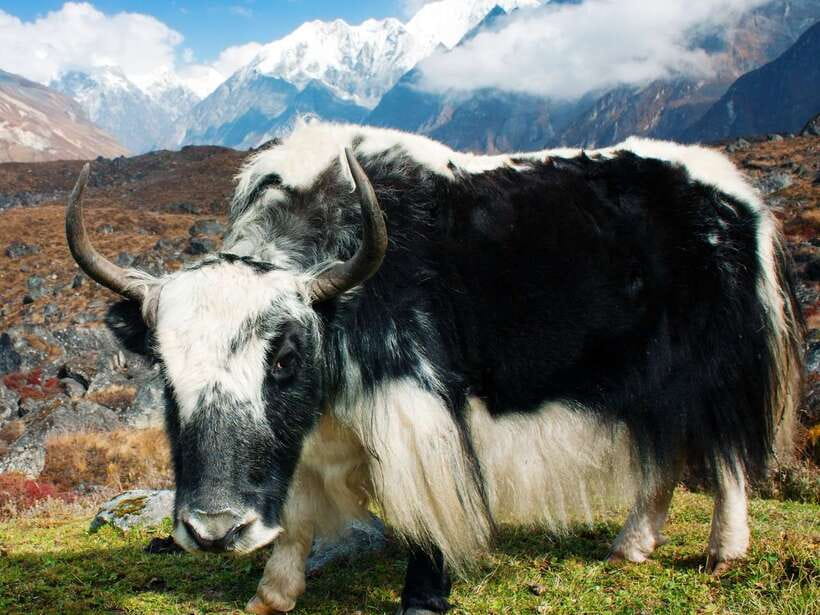
Langtang has seasons that affect both comfort and scenery.
Peak trekking season is usually mid-March to April and October to mid-November. Autumn tends to bring less wind and warmer temperatures. Late March and April can be especially good lower down thanks to rhododendron blooms.
Weather in the mountains can always shift, and your itinerary may adjust slightly due to weather conditions or seasonal factors. I like that there’s an expectation of that reality, because it keeps your planning flexible.
Altitude and safety: plan like altitude is real
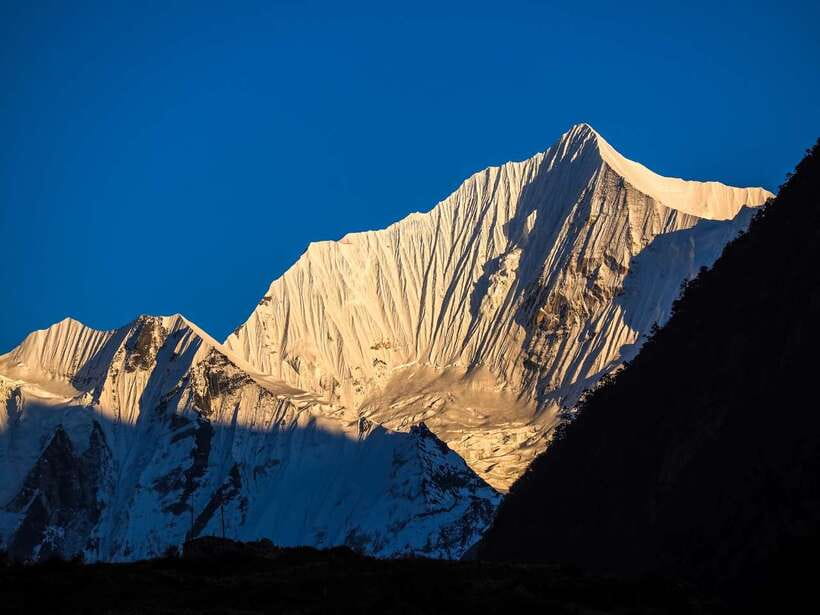
Altitude affects everyone differently. Some people feel fine when they reach Langtang or Kyanjin Gompa. Others can feel symptoms if the ascent is too rapid for their body.
Keep an eye out for possible altitude symptoms like headaches, nausea, fatigue, or loss of appetite. If any of that shows up, don’t try to be a hero. Slow down, tell your guide, and prioritize rest and hydration. The route’s structure helps, but it doesn’t erase altitude biology.
Also, your optional Kyanjin Ri hike goes to 4,770m, so if you’re unsure, ask your guide how the day should feel. The best viewpoint day is the one you can do safely.
What to bring: the gear list that actually saves your trip
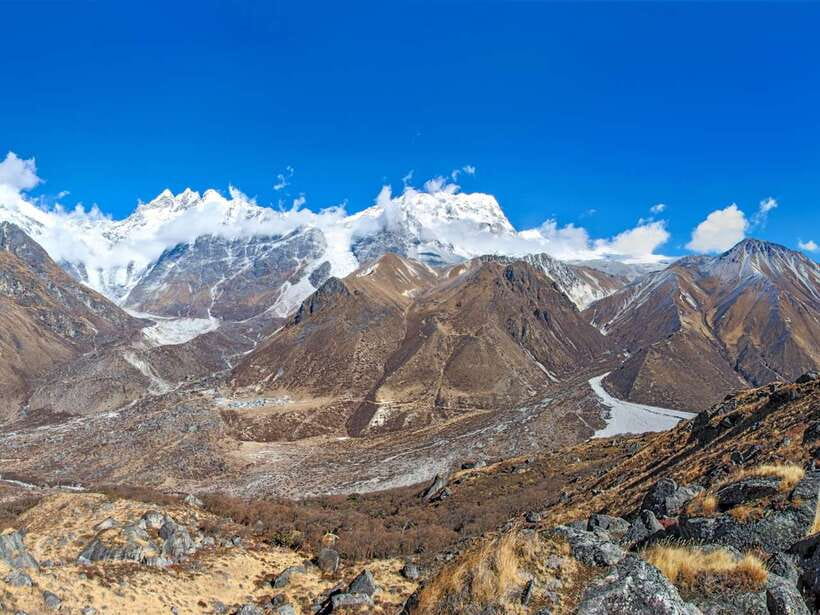
The essentials are straightforward, and you’ll feel better if you pack for cold and sun, not just for hiking.
Bring:
- Sleeping bag
- Flashlight
- Sunscreen and sunglasses
- Hiking shoes plus gloves and a jacket
- Water (and plan for refills where your guide advises)
- Trekking gear you’re comfortable with
- A passport or ID card
If you’re the type who hates cold hands, gloves are non-negotiable. Same for sunscreen—at higher elevations, the sun can surprise you.
Not allowed: alcohol and drugs. It’s not a moral thing; it’s a practical safety choice at altitude.
Who should book this Langtang Valley trek
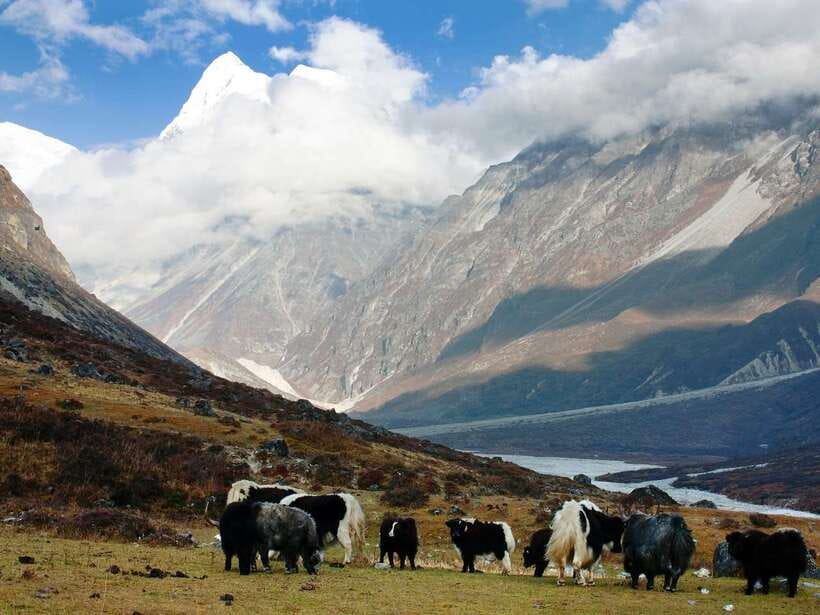
This trek fits you if:
- You want Tamang culture plus serious Himalayan hiking in a six-day format.
- You’re okay with a guided route and want meals and permits handled.
- You want the option to go big with Kyanjin Ri, but you’d also like a built-in way to descend and recover.
It might not fit you as well if:
- You’re extremely altitude-sensitive and you’re unwilling to adjust pace or skip the optional higher viewpoint.
- You prefer a more leisurely walking style with minimal climbs.
For first-time trekkers, the combination of an attentive guide (notably Ghanshyam) and a structured route is often what makes people feel confident.
Should you book the Kathmandu: 6 Days Langtang Valley Trek with MTA Trekking?
I’d book it if you want a focused trek week that mixes cultural stops, monastery time, and a real mountain viewpoint option—without forcing you to micromanage permits, meals, or logistics.
Before you go, do two quick reality checks:
- Be honest about altitude. If you’re prone to getting symptoms, plan to take it slow and consider skipping Kyanjin Ri.
- Pack for cold and sun. A sleeping bag, gloves, jacket, and solid hiking shoes make a big difference on comfort.
If you want Langtang to feel personal instead of rushed, this is a strong match.