REVIEW · SA PA
SAPA TREKKING, RICE FIELDS, LOCAL VILLAGES, BAMBOO FOREST
Book on GetYourGuide →Operated by Do Sung Sapa Trekking and Homestay · Bookable on GetYourGuide
Rice terraces kick off the day.
This tour is a straightforward way to see Sapa’s famous terraced scenery up close, then hop between local villages where everyday life still runs on farming, clothing, and community. What I like most is that you get great views at Y Linh Ho, and you also learn how people live in Lao Chai and Ta Van, not just snap photos from a distance. One thing to consider: it’s listed as 5 hours, but the walk can run longer depending on how your guide handles the route and stops.
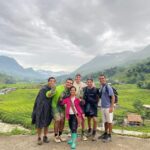
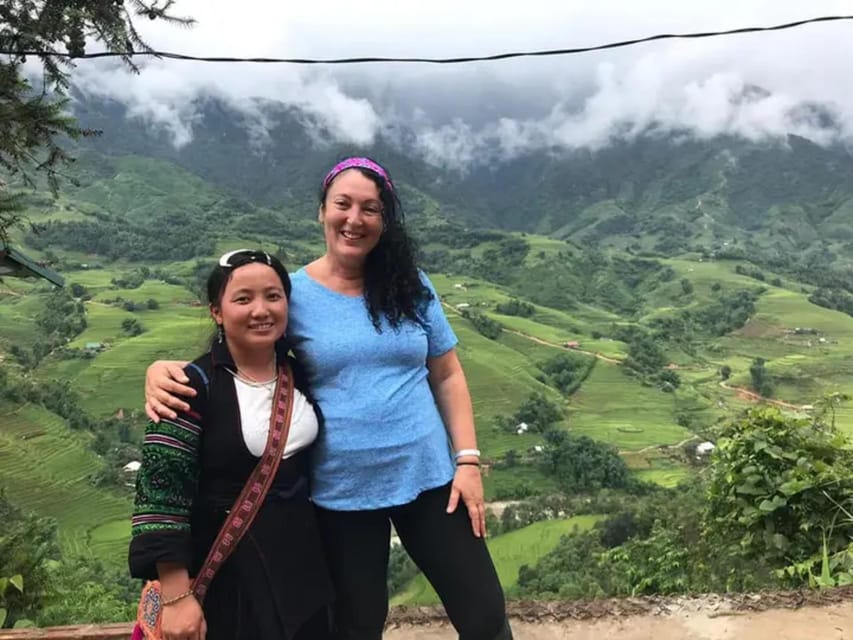
Your guide, Do, brings the energy.
She’s English-speaking and funny and friendly, and she’ll talk through what you’re seeing, including how rice is grown and even how indigo fits into local practice. The trade-off is simple: you’ll be on your feet through uneven village paths, so bring real hiking shoes and plan for a decent walking pace.
In This Review
- Key highlights worth your time
- Entering Sapa Trek Mode with an English guide named Do
- Meeting at Sapa Church: how the day actually starts
- Y Linh Ho rice terraces: the views that make the trek worth it
- Lao Chai and a real lunch in a Hmong village
- Ta Van villages: Giay and Hmong life plus bamboo forest walking
- Timing, photos, and why 5 hours can feel like more
- Price and value: why 500,000 VND feels unusually fair
- What to bring so the trek feels comfortable (not heroic)
- Who should book this Sapa trek with Do
- Should you book this tour?
- FAQ
- How long is the trekking experience?
- Where do I meet the guide?
- What’s included in the price?
- What is not included?
- What should I bring?
- Is there an age restriction?
Key highlights worth your time
- Y Linh Ho rice terraces: the views are the main event, and the walking gets you closer than a bus stop.
- Lao Chai Hmong lunch: a meal included, with food you’ll actually remember.
- Real village culture: you’ll spend time in Hmong and Giay areas rather than passing through.
- Ta Van bamboo forest: a different feel from the rice fields, with calmer, greener walking.
- You might catch the farming season: depending on timing, you may see planting or harvesting.
- Guide Do’s explanations: rice, indigo, and how different communities live day to day.
Entering Sapa Trek Mode with an English guide named Do
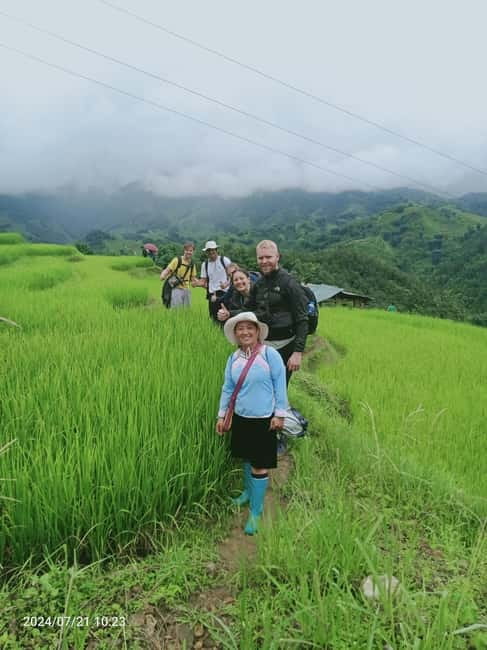
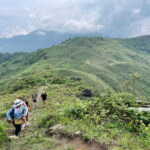
This is a village-to-village trek that starts in Sapa town and ends back in town the same day. You meet at Sapa Church (or you can be picked up at your hotel), then you’ll get a short intro before moving downhill on foot through terraced farmland.
That intro matters more than people think. It helps you understand what you’re walking through—where the rice work happens, why the paths follow certain ridgelines, and what to notice in the villages you’ll visit next. Guide Do keeps it friendly and clear, and the vibe stays relaxed rather than classroom-y.
One practical note: because it’s a trek through working areas, the schedule can flex. If you’re the type who hates surprises, set your expectations that the day may stretch a bit.
You can also read our reviews of more tours and experiences in Sa Pa.
Meeting at Sapa Church: how the day actually starts
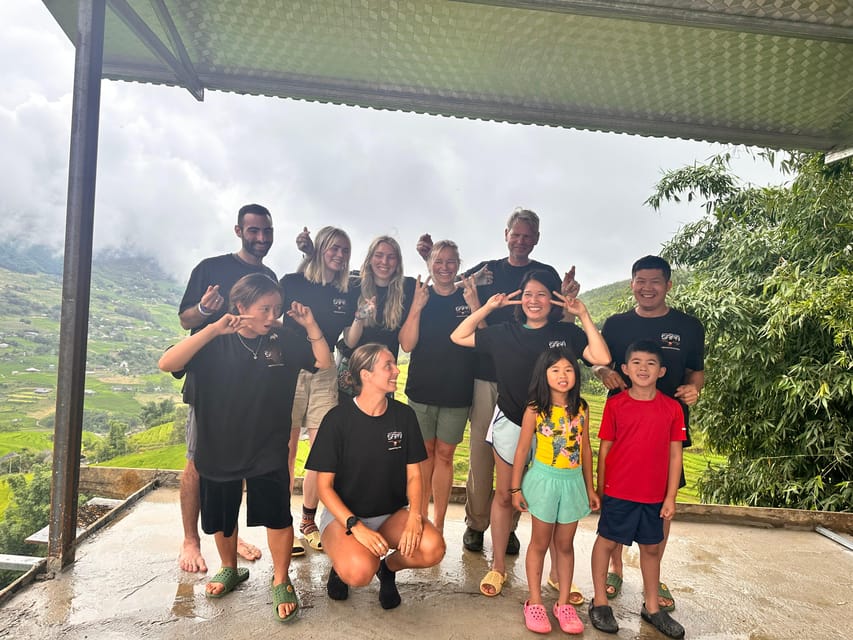
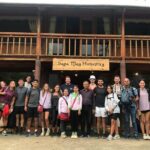
You’ll start around 9:00–9:15am. Meet at Sapa Church so you can get everyone together, then head out with the group under Do’s guidance. The morning timing is helpful because it gives you daylight for rice-terrace photos and enough time to reach Ta Van and still be back in Sapa by afternoon.
If you’re staying outside the center, confirm your pick-up details before morning. The tour says pickup is included, but the easiest, least-messy plan is to be at the church at the stated start window.
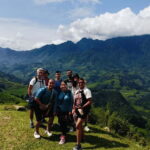
Do’s style is part of why this feels like a real experience. She talks, jokes, and explains as you go, so you’re not just following someone silently down a path.
Y Linh Ho rice terraces: the views that make the trek worth it
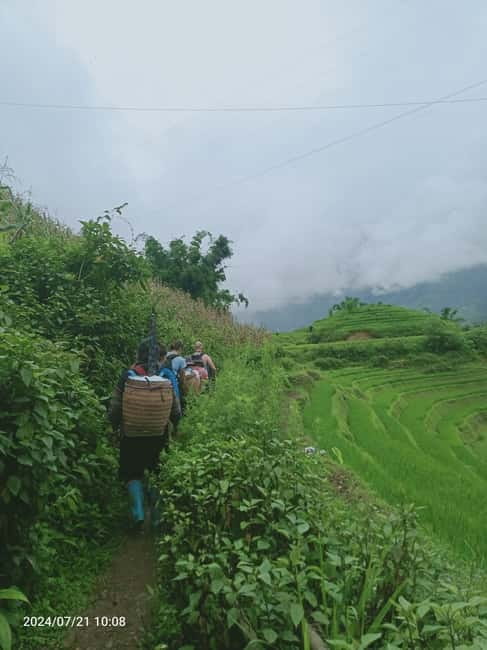
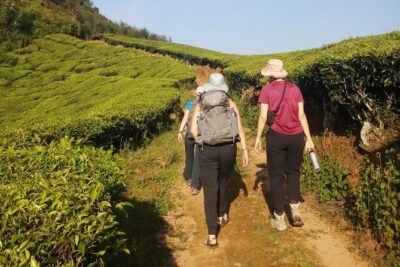
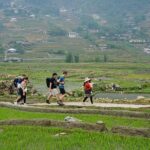
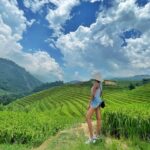
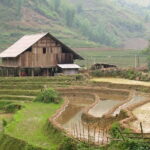
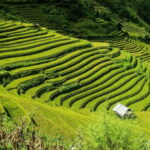
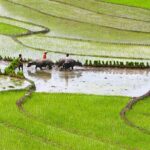
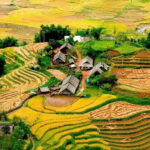
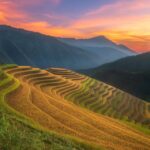
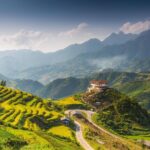
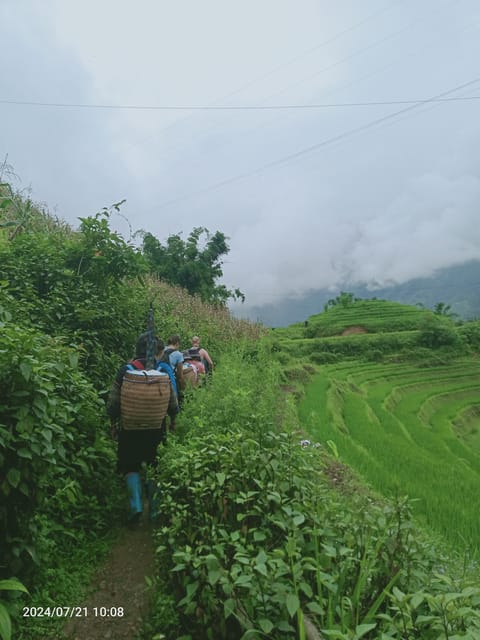
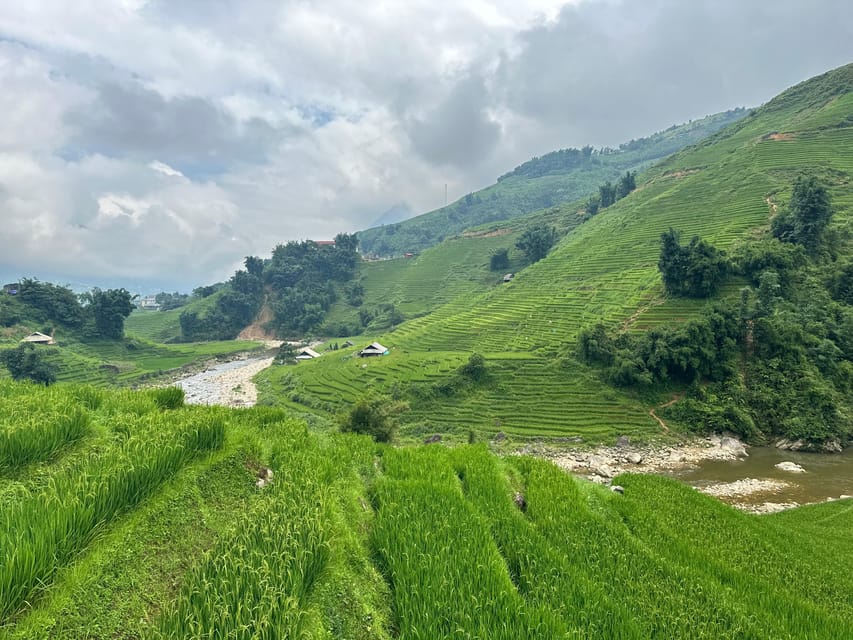
The first stretch takes you from Sapa down to Y Linh Ho village, with time to see what the area is famous for: the rice terraces. This is the part many people picture when they think of Sapa, but the difference here is that you’re walking close enough to understand how people shape the fields.
Expect good photo opportunities, but also expect a working landscape. You’ll see the terraces in context—layers, edges, and the way routes connect fields and homes. Even if you’re not a hardcore photographer, the terracing gives you constant visual variety so the walk doesn’t feel repetitive.
A possible downside: terraces often mean uneven ground and sometimes slippery patches depending on recent weather. You’ll enjoy this section more if your shoes have grip and you’re willing to step carefully instead of racing.
Lao Chai and a real lunch in a Hmong village
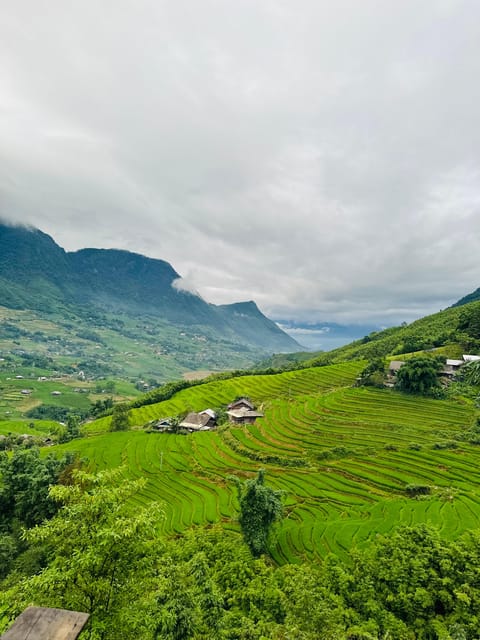
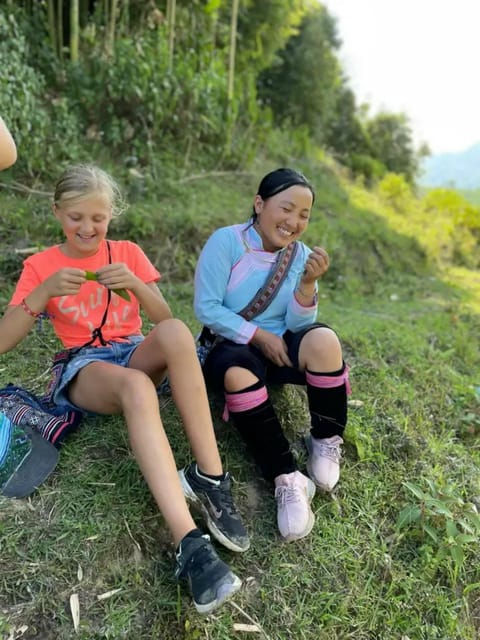
Next you’ll work your way toward Lao Chai, where the tour includes lunch in a Hmong village. This is one of the oldest and largest Hmong communities in the area, and that scale shows in how active the place feels as you arrive.
What’s valuable here isn’t just eating somewhere convenient. Lunch is your break, and it’s also a cultural checkpoint. You get a pause from the walking and a chance to see village routines up close—how people gather, how daily life stays grounded in farming and family rhythms.
Do also tends to use stops like this to connect the scenery to the people. From the experience, I’d expect explanations tied to how rice is cultivated and how local practices shape everyday clothing and work life. That’s how the day stops being just sightseeing.
If you’re picky about drinks, plan ahead. The tour includes lunch, but drinks like beer and soft drinks are not included, so you’ll need cash on hand if you want something extra.
Ta Van villages: Giay and Hmong life plus bamboo forest walking
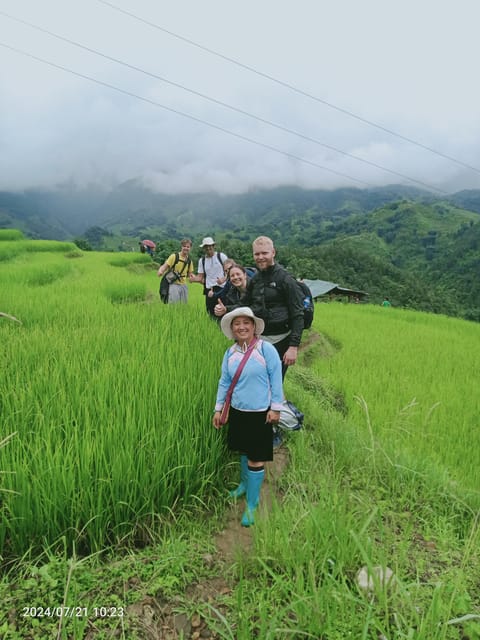
After Lao Chai, the trek continues to Tả Van village, where Giay and Hmong ethnic minorities live. This area shifts the mood. You’re still in a village setting, but the pace feels a little different once you’re deeper into Ta Van.
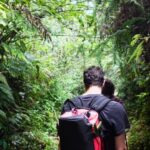
One standout moment is the bamboo forest. It’s not just a pretty add-on; it changes the walking experience. The path feels cooler and more shaded, and the soundscape is calmer than open terraces.
If the timing is right in your travel week, you may see locals planting rice or harvesting. Since that depends on season, treat it like a bonus, not a guarantee. Either way, you’ll have plenty to watch: fields, village paths, and day-to-day movement that makes the place feel lived-in rather than staged.
The tour ends in Ta Van, and then a car or motorbike takes you back to Sapa town. You’ll typically be finished around 3:00–3:30pm, which is great if you want to keep your afternoon open for markets or just rest.

Timing, photos, and why 5 hours can feel like more
The tour duration is listed around 5 hours, but in real life, it can run past that. That can sound like a small issue until you’re on a tight itinerary with other bookings. If your schedule is strict, be careful.
On the other hand, longer time isn’t automatically worse. When Do doesn’t rush, you get time to ask questions and slow down at key views. The rice terraces in Y Linh Ho are the headline, but the village visits are where the day becomes memorable.
Photo tip that helps on a trek like this: don’t just aim for the wide shot. Capture small details too—terrace edges, paths, and community life around the lunch stop. Your best pictures often happen when you’re moving at a walkable pace and people are in the middle of regular routines.
Price and value: why 500,000 VND feels unusually fair
The stated price is 500,000 VND per person (around $4.01). For that, you get a local English-speaking guide (Do), lunch, water, and transportation back to Sapa after the trek ends.
That’s the value equation: the trek includes the human part (the guide), the food part (lunch), and the logistics part (return ride). The “not included” items are also typical—drinks and tips. If you usually end up paying separately for a guide + meal + transport, this packaging is where the budget-friendly feel comes from.
The only cost that can sneak up is your personal planning. Bring sunscreen, hat, and cash if you want to buy drinks. If you show up without hiking shoes, you might pay for that too, since you’ll feel every step more than you should.
What to bring so the trek feels comfortable (not heroic)
Sapa mornings can be bright, and village paths can be rough on your legs. Here’s what the tour recommends you bring, and why it matters:
- Hiking shoes: grip helps on uneven village ground.
- Sun hat + sunglasses: Sapa light can hit hard.
- Sunscreen: especially if you’ll stop in open terrace areas.
- Comfortable clothes: you’ll move and sweat, then cool off later.
- Cash: useful for drinks since drinks are not included.
- Water is included, but you’ll still want to stay mindful about sipping.
Also note the clear rule: no alcohol and drugs during the tour. If you like a post-walk beer, save it for later in town.
Who should book this Sapa trek with Do
This tour is a strong match if you want a practical blend: views plus village culture plus explanations you can actually understand in English.
You’ll probably love it if you:
- enjoy walking through real farming areas
- want to learn how rice is grown (and how indigo relates to local practice)
- like asking questions and getting straight answers from a friendly guide like Do
You should think twice if you:
- have limited mobility or stamina
- want a very strict timing plan with zero schedule flexibility
- fall into the tour’s stated age limit (it’s not suitable for people over 95 years)
Should you book this tour?
If you’re weighing options in Sapa, I’d book this one if your priority is a human-sized trek that hits Y Linh Ho rice terraces, includes lunch in a Hmong village, and ends with Ta Van and its bamboo forest. The price is hard to beat when you factor in guide, lunch, water, and the return ride.
I’d skip it only if your schedule is extremely tight or you’re not comfortable walking on village terrain. Otherwise, this is the kind of trip that makes Sapa feel like a place people live in—not just a backdrop for photos.
FAQ
How long is the trekking experience?
The tour is listed for about 5 hours. You can also check availability to see the starting times.
Where do I meet the guide?
You meet at Sapa Church in Sapa. Pickup at your hotel is also included, so confirm what’s arranged for you.
What’s included in the price?
The price includes a local English-speaking guide, lunch, water, and transportation back to Sapa after the tour ends.
What is not included?
Drinks like beer and soft drinks are not included, and tips are not included.
What should I bring?
Bring sunglasses, a sun hat, hiking shoes, sunscreen, comfortable clothes, and cash.
Is there an age restriction?
Yes. The tour is not suitable for people over 95 years old.