REVIEW · KATHMANDU
Experience the Thrill of a Lifetime:12-Days Manaslu Circuit trek
Book on Viator →Operated by North Nepal Treks · Bookable on Viator
A Himalayan circuit without the big-crowd feeling. The Manaslu Circuit Trek stitches together quiet villages with big mountain views, and it does it with a smart pacing plan (including an acclimatization day). I especially like how the route mixes Budhi Gandaki River trekking, hot-spring detours, monastery towns, and a serious high pass day at Larkya La.
I also like the practical side: your permits are handled, you sleep in tea houses, and meals are built into the daily rhythm. One thing to consider is that this trek is physically demanding, and days around the high camps mean cold nights, thin air, and slower walking.
In This Review
- Key Highlights You’ll Feel on the Trail
- Why the Manaslu Circuit Feels Different Than the Usual Nepal Treks
- Who This 12-Day Trek Suits (and Who Should Be Honest With Themselves)
- Price and Value: What $1,500 Actually Covers
- The Route in Plain English: A Day-by-Day Walk Through the Circuit
- Day 1: Kathmandu Connections to Soti Khola on the Budhi Gandaki Path
- Day 2: Sotikhola to Machhakhola Through Forests and Gurung Villages
- Day 3: Hot Springs Detour, Suspension Bridges, and the Climb Upstream
- Day 4: Philim’s Gurung Culture, Monasteries, and the Walk Toward Deng
- Day 5: Namrung for Manaslu Views and Prayer-Flag Terrain
- Day 6: Samagaun and the Shift from Rhododendron Forest to Higher Pasture
- Day 7: Acclimatization in Samagaun with the Hike to Pungyen Gompa
- Day 8: Samdo and the Desert-Like Walk Toward the Tibetan Border
- Day 9: Samdo to Dharmashala (Larkya Base Camp) at 4,470m
- Day 10: Larkya La Pass Day, Rocky Climbing, Icy Lakes, and Bimthang
- Day 11: Budhi Khola Valley, Rhododendron Forest, and Tije’s Apple Orchards
- Day 12: 4WD Jeep to Besisahar and Transfers to Kathmandu or Pokhara
- Lodges, Meals, and the Small Comforts That Matter at High Altitude
- Guides and Permits: Why “Organized” Can Mean Less Stress
- Wildlife and Big-Peak Views: How to Watch Without Expectations Getting Loud
- Safety, Altitude, and the Smart Way to Handle a Long Circuit
- Should You Book the 12-Days Manaslu Circuit Trek?
- FAQ
- What is the duration of the Manaslu Circuit trek?
- Where does the trek start, and do you get transportation?
- What does the trek price include?
- What accommodations are used during the trek?
- Are permits included in the cost?
- Is this trek a private group?
- Is there an acclimatization day?
- What altitude is mentioned for Dharmashala?
- What happens if weather is poor?
- Is travel or rescue insurance included?
Key Highlights You’ll Feel on the Trail
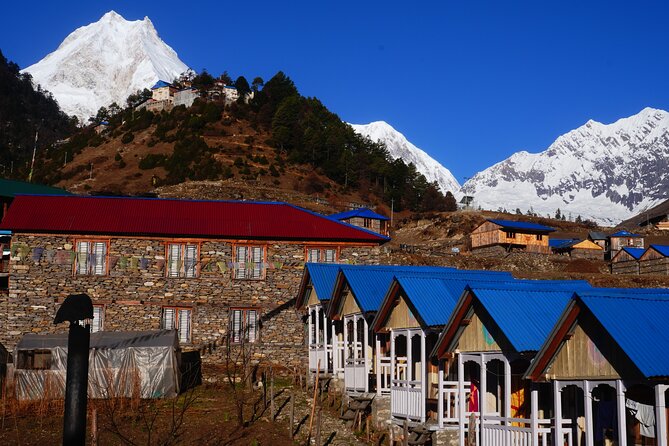
- Less crowd pressure, more quiet trail time through villages in the Manaslu region
- Tea-house trekking that’s still organized with meals scheduled each day
- Acclimatization on Day 7 via a hike to Pungyen Gompa near Samagaun
- Samdo’s border-zone vibe with a Tibetan refugee camp and a stark, high-altitude feel
- A full high-pass experience at Larkya La with major views and a long day back down
Why the Manaslu Circuit Feels Different Than the Usual Nepal Treks
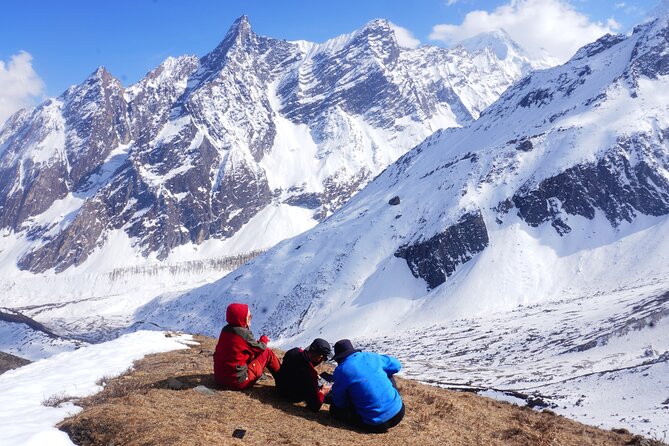
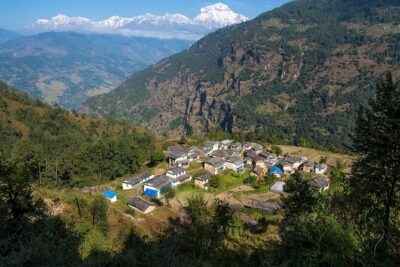
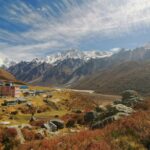
Manaslu Circuit is often picked by hikers who want Himalayan scenery without the constant noise of the most famous routes. The big win here is variety without the over-commercial circus. You’ll move from riverbank paths into forest trails, then up into drier, higher country where the air feels different before you ever hit the pass day.
Another reason I like it: the trek gives you real village time. You’re not just passing through; you’re walking through places shaped by Gurung and Tibetan-influenced culture, where prayer flags, monasteries, and chortens show up more than once.
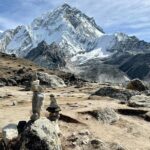
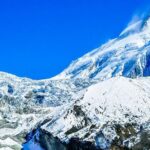
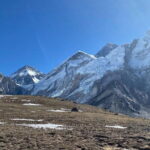
And yes, the views are the point. On clear days you get that classic Manaslu “how is that even real” feeling, but you also see other peaks on the way up and around the higher basins.
You can also read our reviews of more tours and experiences in Kathmandu.
Who This 12-Day Trek Suits (and Who Should Be Honest With Themselves)
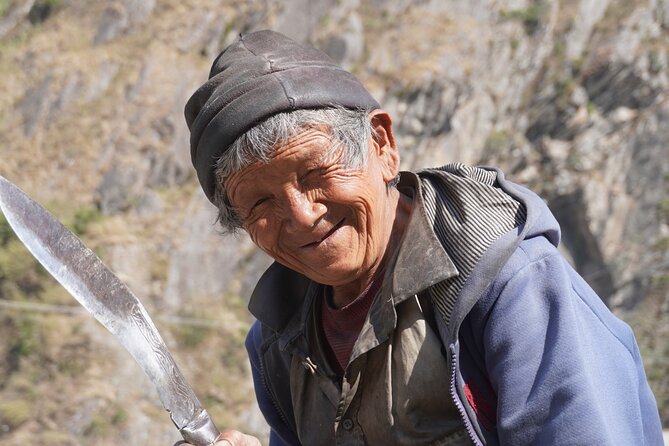
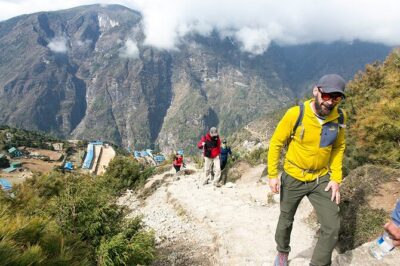
This route is for travelers with at least moderate fitness who are willing to hike uphill for most of the days. The descriptions include 6 to 10+ hours of trekking or driving days, and the later part of the trek gets colder as altitude rises.
If you like steady days, decent breaks, and a plan that includes acclimatization, you’re going to enjoy this. If you want an easy walk with frequent shortcuts, this is probably not your trek.
I’d also add one practical thought: you’re spending a lot of time walking on mixed surfaces. Even with lodge nights, you’ll want good daypack habits—layers you can manage, and shoes you trust.
Price and Value: What $1,500 Actually Covers
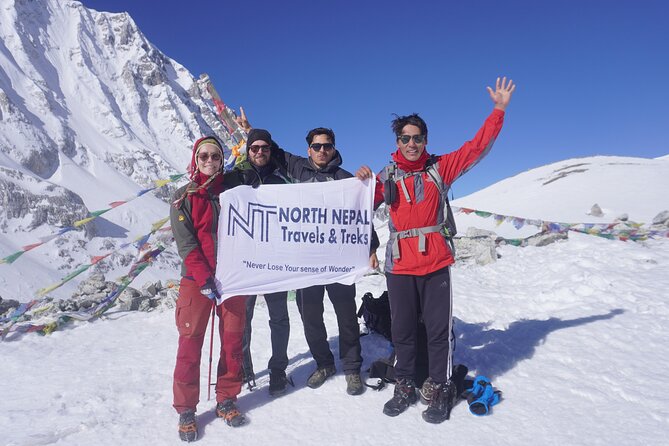
At $1,500 per person for about 12 days, the value comes from what’s bundled rather than what’s left for you to juggle. Your trek includes all required permits, including Manaslu Special, MCAP, and Annapurna ACAP. That matters because special trekking areas in Nepal aren’t a DIY situation.
You’re also covered for tea-house accommodations during the trek and the core meals (breakfast most days, plus lunch and dinner each day as listed). On top of that, you get a registered guide, and the company includes the guide’s food, accommodation, salary, and insurance.
What’s not included is also clear, and you should plan for it: personal expenses like laundry, bar bills, wifi, shower use, and bottled or boiled water. Tips for guides and porters are not included, and travel and rescue insurance is not included either. If you already travel with good insurance and a simple hiking budget, the total cost stays more predictable.
The Route in Plain English: A Day-by-Day Walk Through the Circuit
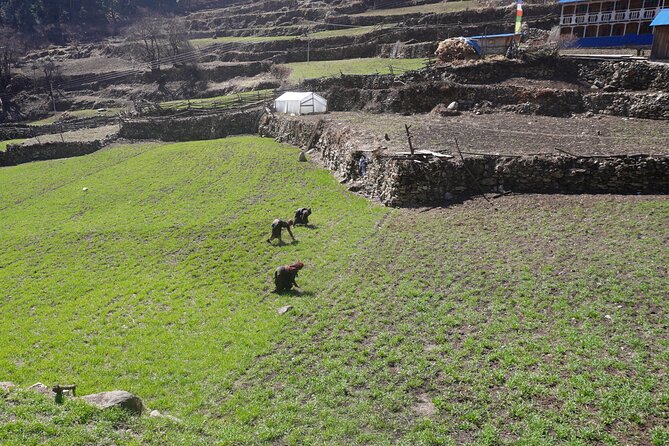
This trek has a rhythm: start in the lower river valleys, gain altitude gradually through village days, then spend real effort on the high country and the pass. The itinerary is built around that logic, including a dedicated acclimatization day so your body has a chance to adjust.
Below is the practical “what you’ll actually do” version, not just the headline stops.
Day 1: Kathmandu Connections to Soti Khola on the Budhi Gandaki Path
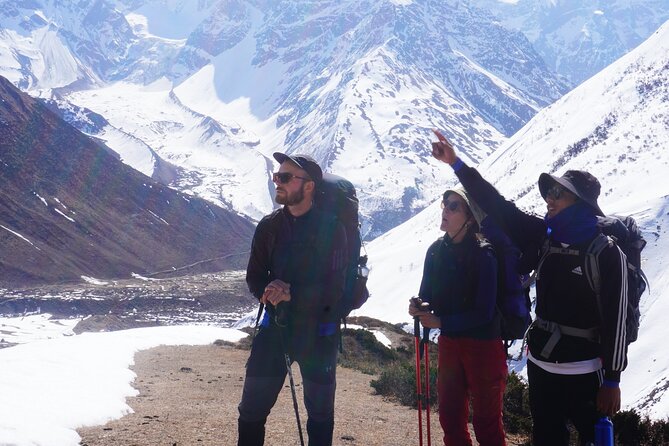
Day 1 is mostly getting set up for trekking. You drive along the Prithivi highway, then take a branch road at Malekhu, passing colorful villages and farmland before reaching Soti Khola after about 8 to 9 hours total.
Why this matters: you begin on the riverbank so Day 2 feels like a real start, not a shock. You’ll also get your first taste of the Budhi Gandaki corridor right away.
Day 2: Sotikhola to Machhakhola Through Forests and Gurung Villages
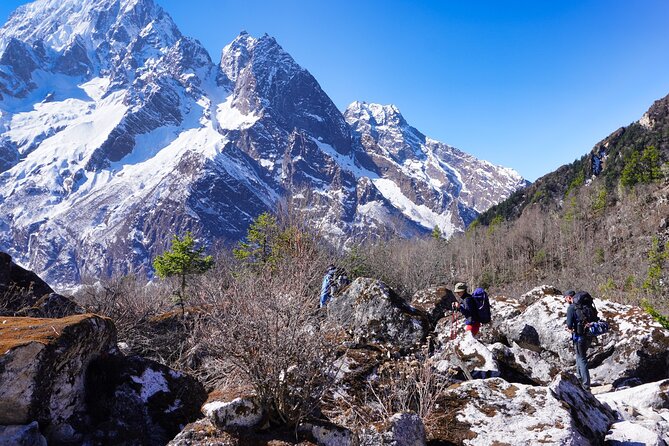
After breakfast in Sotikhola, you hike through more wooded sections and village paths. You pass Lapu Besi, a village inhabited by Gurungs, then continue along a zigzag trail to Machha Khola in around 6 hours.
This is a good day for pacing. It’s long enough to feel like trekking, but it’s not the day you’re trying to push uphill under thin-air conditions.
Day 3: Hot Springs Detour, Suspension Bridges, and the Climb Upstream
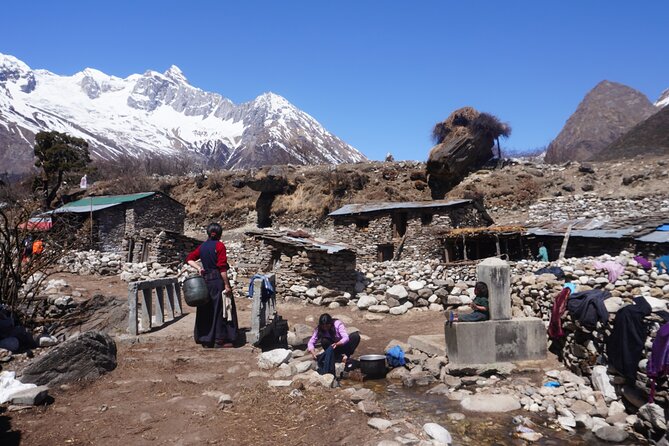
This is a classic “Nepal is practical and dramatic at the same time” day. You hike upstream toward Khola Besi, reach the hot springs at Tatopani, then cross a suspension bridge and continue through forest sections.
The day includes passing Doban and Lauri before you cross another bridge and climb uphill toward the Jagat area. Total time is about 7 hours.
Possible drawback to plan for: suspension bridges and river crossings can be slow on windy days, so keep a calm pace and don’t fight the terrain.
Day 4: Philim’s Gurung Culture, Monasteries, and the Walk Toward Deng
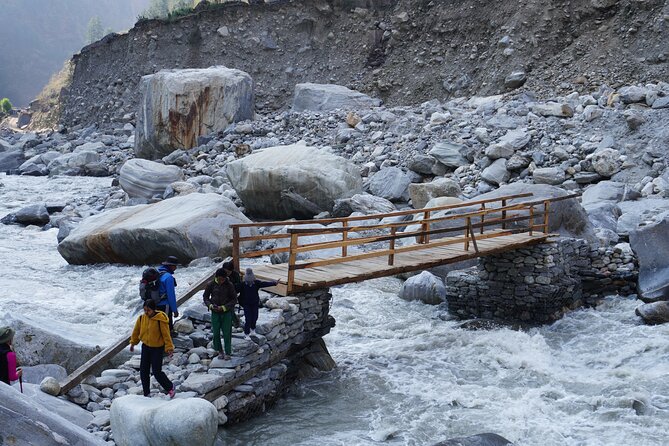
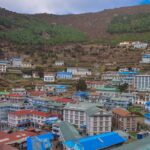
Day 4 takes you to Philim, with a mix of bridges and hiking as you move through the middle elevation zones. Philim is described as strongly Gurung, with traditional houses, serene monasteries, and chortens.
After that, you continue on to Deng, which is known for agriculture. The day takes about 6 hours.
Why I like this stop: it’s not just scenery. You get cultural markers—prayer flags and religious structures—that make the route feel lived-in.
Day 5: Namrung for Manaslu Views and Prayer-Flag Terrain
You start with a flatter trail, then climb into Namrung through forested sections. Along the way, the trek description highlights views of Manaslu, ridges, and valleys, and Namrung itself is Buddhist with monasteries, chortens, and prayer flags.
This day is around 6 hours.
What to expect: Day 5 is a “look up often” day. Even when you’re tired, it’s the kind of trek where the view keeps you moving.
Day 6: Samagaun and the Shift from Rhododendron Forest to Higher Pasture
Day 6 is about building altitude while letting your senses notice the change. The route includes views of peaks such as Gorkha Himal, Lajing Himal, Saula Himal, and Manaslu. As you ascend, air becomes thinner and colder, and vegetation shifts from rhododendron forests to pasture grasslands.
You also walk through Lhogaun, described as a Tibetan-style village, before reaching Samagaun. Time is about 7 hours.
This is one of those days where good layering pays off. Even if the morning feels fine, you’ll feel it later.
Day 7: Acclimatization in Samagaun with the Hike to Pungyen Gompa
Day 7 is a real breather day, built for acclimatization. You hike from Samagaun toward Pungyen Gompa east of the Nubri Valley, and the plan is to bring lunch and eat at rest stops for energy.
The trail includes a roaring river crossing that keeps you busy for about 2 hours total on the hike, and the area is surrounded by big scenery and forest sections.
If you take acclimatization seriously, you’ll feel it on the pass day. If you rush this hike or treat it like a casual stroll, you’ll be paying for it later.
Day 8: Samdo and the Desert-Like Walk Toward the Tibetan Border
After a full day in the Samagaun area, you start climbing uphill through a mostly desert path to Samdo. The itinerary notes Samdo is about 4 kilometers from the Tibetan border, and it also mentions a Tibetan refugee camp.
This day takes about 5 hours.
Why Samdo hits differently: the change in terrain makes the air feel more “high and bare,” and the border-zone context adds meaning beyond the altitude.
Day 9: Samdo to Dharmashala (Larkya Base Camp) at 4,470m
Day 9 pushes you into the final lead-up to the high pass. You trek from Samdo to Dharmashala (also called Larkya Phedi or Larkya base camp), which is listed at an altitude of 4,470 meters.
The route distance is about 11.7 kilometers (7.2 miles), and you’ll typically take 3 to 4 hours. The walk passes Larke Bazar, described as a seasonal Tibetan market.
Practical note: this is where you want to keep your effort steady. You’re not sprinting today; you’re banking energy.
Day 10: Larkya La Pass Day, Rocky Climbing, Icy Lakes, and Bimthang
This is the day with the big headline. You start early after breakfast and climb the Dharmashala to Larkya La Pass route via a winding rocky trail. The itinerary calls the climb moderately difficult, and that’s a good match for what it feels like—challenging without being a technical climb.
At the pass, you’re set up for stunning views of Ratna Chuli, Cheo Himal, and Manaslu. Then you descend downhill, and the description includes icy lakes before reaching Bimthang. This day runs about 10 hours.
How to think about it: your best strategy is calm climbing, consistent breathing, and protecting your pace during the descent. The descent often feels shorter on paper than it does on tired legs.
Day 11: Budhi Khola Valley, Rhododendron Forest, and Tije’s Apple Orchards
Day 11 follows a valley pattern after the pass day. You walk across pasture land and descend toward the Budhi Khola valley, then cross rivers along the way.
You trek through rhododendron forests and reach Tije after a couple hours. Tije is known for apple orchards, and it’s also famous for wine. You then trek for another hour to reach Dharapani. Time is about 6 hours.
Why this day is a morale booster: after the pass, you get variety—forest walking and a more “human” village feel in Tije.
Day 12: 4WD Jeep to Besisahar and Transfers to Kathmandu or Pokhara
Day 12 is the end-of-trek reset. You take a 5-hour 4WD jeep drive from Dharapani to Besisahar, then transfer onward to Kathmandu or Pokhara. The full day is listed around 8 hours.
You’ll probably feel a mix of relief and strange emptiness once you’re in vehicles again. If your body is sore, this is the day to treat comfort like a priority.
Lodges, Meals, and the Small Comforts That Matter at High Altitude
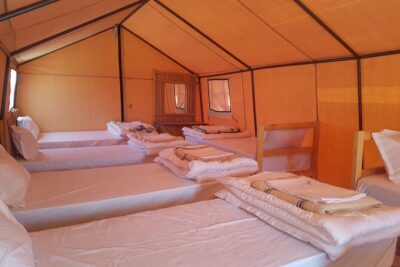
You’ll stay in tea houses during the trek. These are basic lodges designed for hikers, with a dining area for meals and simple sleeping arrangements.
Meal coverage is strong: lunch and dinner are listed for 12 days, breakfast for 11 days. That removes one of the biggest planning hassles—what you’ll eat each day—so you can focus on walking.
What you should budget for separately: personal expenses include bottle or boiled water, wifi, bar bills, and shower costs. If you’re the type who wants a warm drink or regular snacks, plan for extra spending even if the main meals are included.
Guides and Permits: Why “Organized” Can Mean Less Stress
This is one of the standout practical upsides. Your trek includes the full permit setup (Manaslu Special, MCAP, Annapurna ACAP), and you travel with a registered experienced guide who is supported with food, accommodation, salary, and insurance.
From customer feedback, guides are often praised for communication and professionalism, and English skill shows up as a major help. Names mentioned in the feedback include Mohan (communication and staying involved), Jeewan (strong guiding), Lalu (high professionalism and caring attitude), and Raj Rai (clear English and pacing). You shouldn’t assume you’ll get the same person, but it’s a good sign that the company invests in how guides show up on the trail.
That matters when conditions change or when you’re tired. A solid guide helps you keep decisions simple.
Wildlife and Big-Peak Views: How to Watch Without Expectations Getting Loud
The region is described as rich in biodiversity, and it suggests possible wildlife sightings like Himalayan Thar, snow leopard, and various bird species. Real talk: you might see something, but you shouldn’t build the trip around a guarantee.
Instead, I like treating wildlife as a bonus and focusing on what you can control: steady effort for viewpoints, slow moments for observing, and good trekking discipline near dusk.
Safety, Altitude, and the Smart Way to Handle a Long Circuit
No trek is risk-free, and Manaslu includes altitude gains that will affect how you feel. The itinerary specifically builds an acclimatization hike to Pungyen Gompa on Day 7, and that’s your built-in reminder to respect gradual adjustment.
Keep your plan simple:
- Walk slower than you think you should, especially after the acclimatization day
- Take hydration seriously even when you don’t feel thirsty
- Don’t treat the pass day like a race
Also, remember that travel and rescue insurance is not included. If you’re booking this, it’s worth making sure your policy covers trekking in Nepal at altitudes like the ones you’ll reach around Dharmashala (4,470m).
Should You Book the 12-Days Manaslu Circuit Trek?
Book it if you want a Himalayan trek with real cultural village walking, fewer crowds, and a route that takes acclimatization seriously. The combination of tea-house comfort, included permits, guided organization, and a plan that leads to Larkya La makes it a strong value for experienced hikers who still want support.
Skip it or reconsider if you’re looking for a short, easy walk, or if you’re not ready for long hiking days in cold, higher-altitude conditions. If you’re the kind of traveler who likes steady effort, smart pacing, and big mountain rewards, this one fits.
FAQ
What is the duration of the Manaslu Circuit trek?
The itinerary is listed as 12 days (approx.).
Where does the trek start, and do you get transportation?
The experience is based in Kathmandu, and pickup is offered. Day 12 includes a 4WD jeep drive from Dharapani to Besisahar, then transfer onward to Kathmandu or Pokhara.
What does the trek price include?
It includes trekking permits (including Manaslu Special, MCAP, and Annapurna ACAP), tea-house accommodations during the trek, a registered guide, and meals (lunch 12 times, dinner 12 times, breakfast 11 times).
What accommodations are used during the trek?
You stay in trekking lodge/tea house accommodations during the trek.
Are permits included in the cost?
Yes. All required permits are included, including Manaslu Special, MCAP, and Annapurna ACAP.
Is this trek a private group?
Yes. It is listed as a private tour/activity, so only your group participates.
Is there an acclimatization day?
Yes. Day 7 is an acclimatization hike from Samagaun to Pungyen Gompa.
What altitude is mentioned for Dharmashala?
Dharmashala (Larkya Phedi or Larkya base camp) is listed at 4,470 meters.
What happens if weather is poor?
The experience requires good weather. If it’s canceled due to poor weather, you’ll be offered a different date or a full refund.
Is travel or rescue insurance included?
No. Travel and rescue insurance are not included.