REVIEW · KATHMANDU
Kathmandu: 6 Days Langtang Valley Trek with Kyanjin Ri
Book on GetYourGuide →Operated by MTA Trekking Pvt. Ltd. · Bookable on GetYourGuide
Langtang hits hard, even on day one. This 6-day trek from Kathmandu follows the Langtang River into Langtang Valley and ends at Kyanjin Gompa, with an optional early climb to Kyanjin Ri for sweeping morning views. It’s short enough to feel doable, but the scenery and culture still land like a full-on Nepal experience.
I love how the guides pace the day around you, with calm, practical check-ins (and yes, names like Ghanshyam and Sudarshan keep showing up in the best kind of way). I also love the Tamang-focused stops: monastery time at Kyanjin Gompa and a cheese visit that makes local life part of the route, not just scenery.
The main consideration is altitude. You can feel okay and then get a headache or nausea if you push too fast, and the optional Kyanjin Ri hike is strenuous by design.
In This Review
- Key things I’d circle before you go
- Why This Langtang Valley Trek Feels Just Right for 6 Days
- Kathmandu to Syabrubesi and Up to Pahiro: Your First Real Mountain Step
- Ghoda Tabela (and the Waterfall/Forest Moments) at Around 2,900m
- Kyanjin Gompa: Monastery Time, Tamang Culture, and a Cheese Stop
- Optional Kyanjin Ri Hike: The Tough Climb That Pays Off
- The Return Down to Syabrubesi: Mountain Views, Less Stress
- Back to Kathmandu: From Cold Air to Real Comfort
- Guide, Group Style, and Porter Choices (What Private Really Means Here)
- Price and Value: What $179 Actually Means for Your Trek
- Altitude, Weather, and the Seasons That Actually Help
- What to Pack for Langtang (So You Don’t Pay With Sore Fingers)
- Who This Trek Suits Best
- Should You Book This Langtang Valley Trek to Kyanjin Ri?
- FAQ
- How long is the Langtang Valley trek?
- What are the main places you’ll visit on the route?
- What is the highest altitude on this experience?
- Are trekking permits included in the price?
- Are meals included?
- Do I get a porter included?
- What languages will the guide speak?
- Is hotel pickup and drop-off included?
- What should I bring for the trek?
- Is alcohol allowed on the trek?
Key things I’d circle before you go
- Kyanjin Ri at dawn: the optional early start is often where the trip turns into a memory you replay.
- Tamang villages + monastery time: Kyanjin Gompa isn’t only a viewpoint stop.
- Guides who adjust: people often mention getting help at the pace that feels right for them.
- Private comfort during trek nights: you get private accommodation for the main nights on the route.
- Permits handled: trekking paperwork and TIMS-related fees are included.
- Cheese stop along the way: it’s a small moment that feels very real.
Why This Langtang Valley Trek Feels Just Right for 6 Days
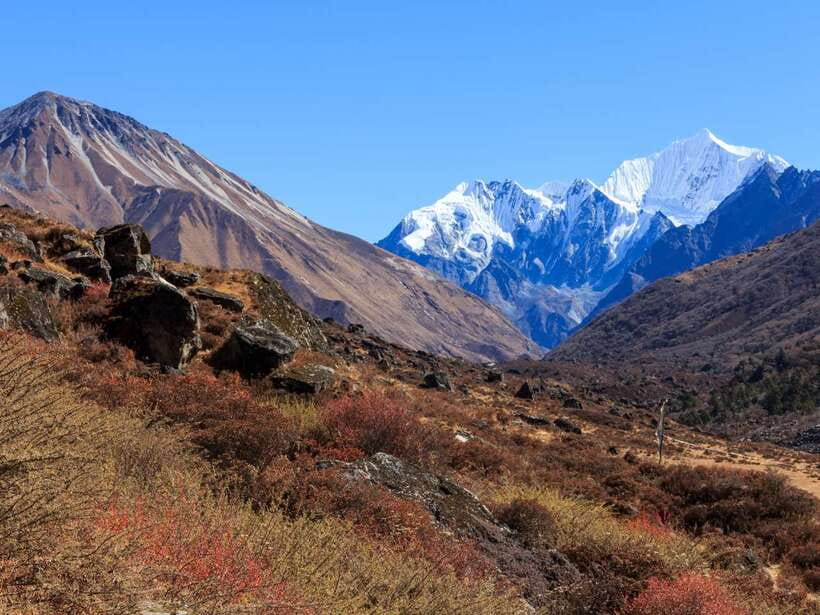
A Langtang Valley trek is the kind of trip where the days add up quietly. One day you’re walking beside the river, and the next you’re in cold mountain air looking up at big peaks. This 6-day format works well if you want Himalayas without committing to a longer multi-week trek.
What makes this version appealing is the blend: hiking plus culture plus a serious optional payoff. You walk through forest trails, you reach Kyanjin Gompa (a Tamang hub with monasteries), and you have the option to hike higher for panoramic views from Kyanjin Ri. That gives you flexibility. If you’re feeling strong, you get the summit-style reward. If you’re not, you still get a meaningful, high-altitude day around Kyanjin Gompa.
You’re also not doing it alone in logistics. Hotel pickup and drop-off are included in Kathmandu, and you’ll travel by vehicle to Syabrubesi, the classic entry point to the valley. Then the trek days are structured but not overly rushed—part of why guides like Ghanshyam come up in reviews for being attentive and thoughtful.
You can also read our reviews of more tours and experiences in Kathmandu.
Kathmandu to Syabrubesi and Up to Pahiro: Your First Real Mountain Step
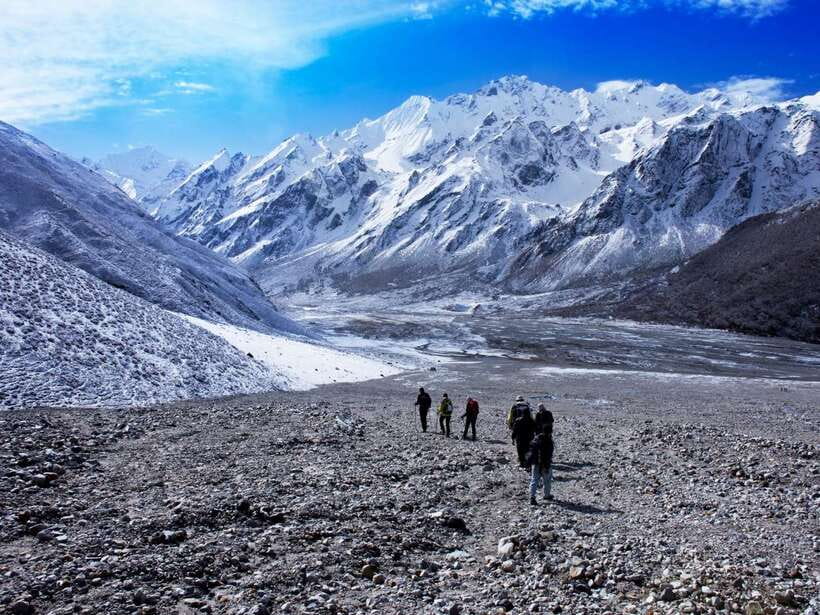
Day one starts with transportation out of Kathmandu. You’ll get hotel pickup, and the driver will be holding a sign with your last name, which is a small thing that saves stress. Then the drive winds through mountain roads to Syabrubesi, where the trek begins.
After that, your first walking day feels like a transition from city time to mountain rhythm. The route follows the Langtang River and goes through peaceful paths and forest areas before reaching Pahiro at about 1,550m. This day is valuable because it helps you calibrate: how your legs feel after the ride, how fast you need to walk, and how often you’ll want short breaks.
The “win” on day one is mental more than physical. You’re not grinding yet—you’re setting expectations. If you take it easy here, later days feel more reasonable.
Ghoda Tabela (and the Waterfall/Forest Moments) at Around 2,900m
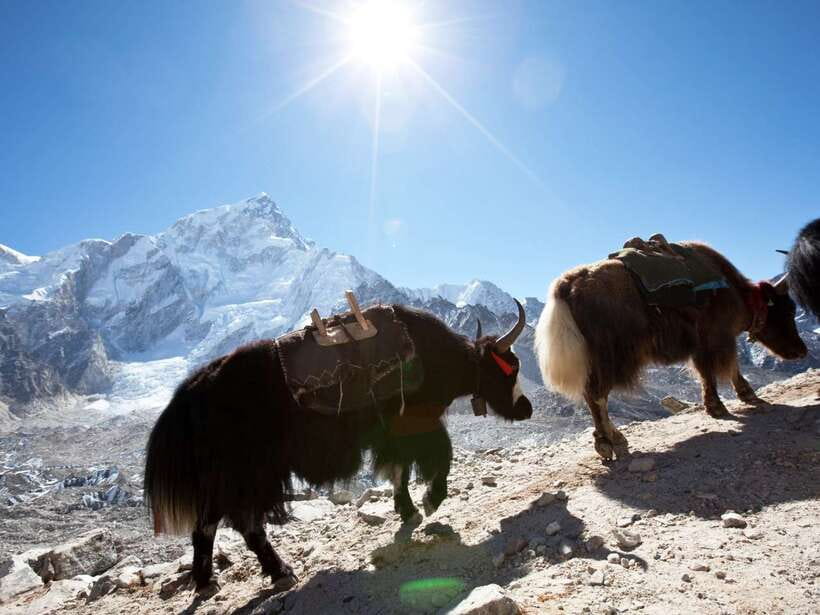
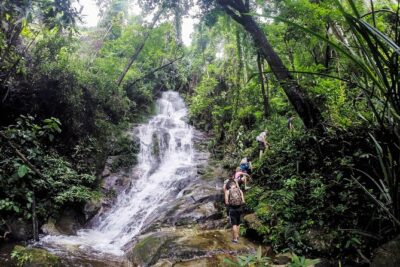
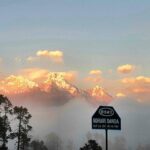
On day two, the trek climbs more noticeably as you head from Pahiro toward Ghoda Tabela (about 2,900m). The trail winds through green forest areas, crosses villages, and you get glimpses of snow-capped peaks as the air thins.
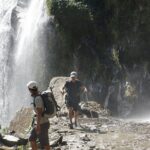
This is one of those days where the route keeps giving you little reasons to keep moving: cascading waterfalls in places, village life along the way, and enough changing scenery to prevent the walk from feeling monotonous. At the same time, it’s still grounded. You’re not just chasing altitude; you’re walking through places where people actually live their mountain routines.
One practical note: day two is a good time to start using your gear like you planned. Sunscreen, sunglasses, and gloves matter once the sun hits high slopes and temperatures swing. If you want to avoid getting worn out by small discomforts, this is your moment to dial in.
Kyanjin Gompa: Monastery Time, Tamang Culture, and a Cheese Stop
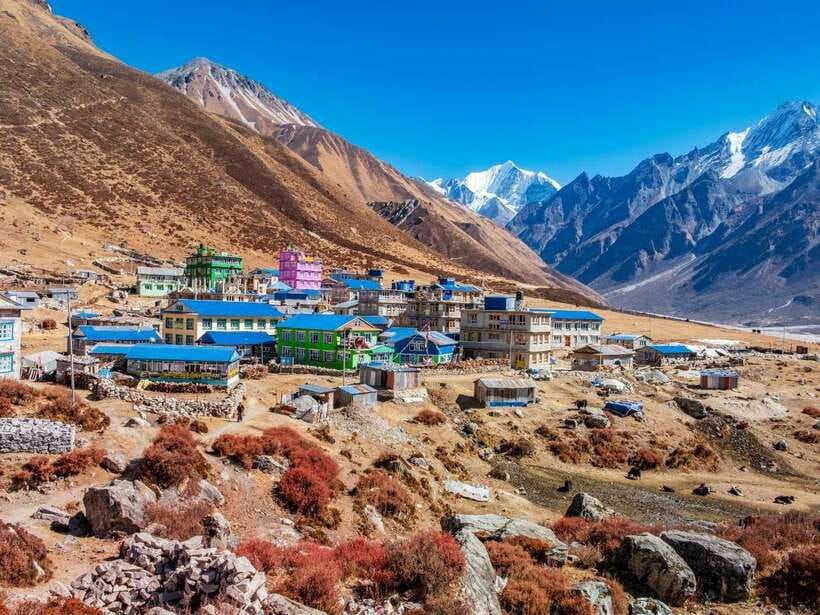
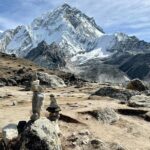
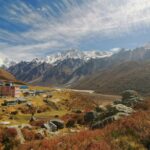
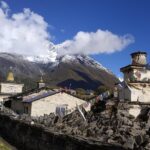
Day three brings you up to Kyanjin Gompa at around 3,870m. This is where the trek starts to feel more “destination” and less “journey.” Kyanjin Gompa is a traditional Himalayan village surrounded by towering peaks, and it’s also a cultural anchor for the Tamang community.
What I like about making Kyanjin Gompa a key day is that it’s not only about elevation. You get time to explore the ancient monasteries, meet friendly locals, and visit the local cheese factory. That cheese stop is one of those details that can sound simple—until you’re standing there in the mountain village watching local food culture at work.
If you’re curious about how communities survive and thrive at altitude, this day delivers. The monasteries add calm and context, and the village atmosphere gives your brain a break from counting steps.
Reviews often highlight guides like Ghanshyam and Sudarshan for making this day feel manageable. People mention flexible breaks and being watched in a caring way, which matters a lot once you’re high enough to feel altitude more clearly.
Optional Kyanjin Ri Hike: The Tough Climb That Pays Off
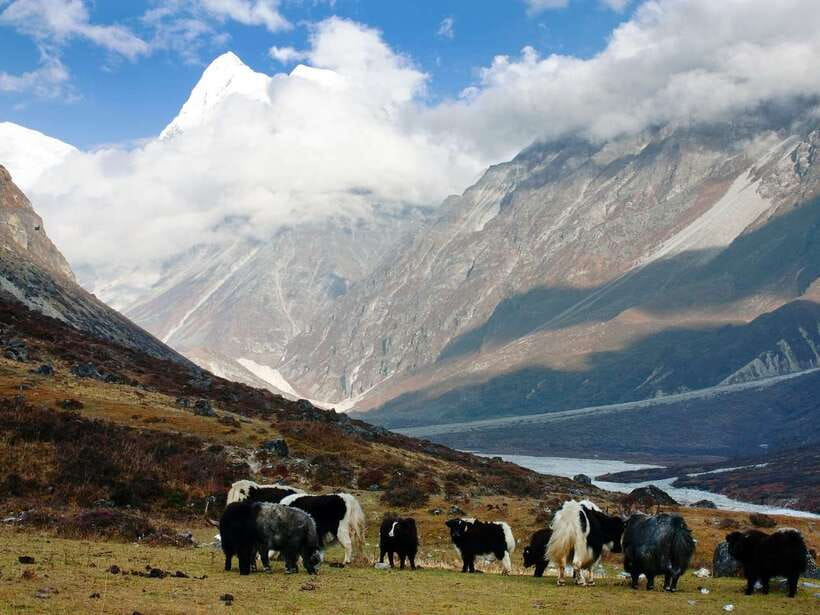
Day four includes an optional hike to Kyanjin Ri (up to about 4,770m), then descent back down to Thangsyap (around 3,200m) for the night.
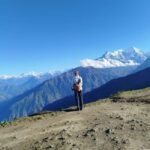
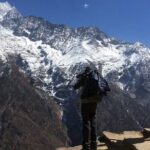
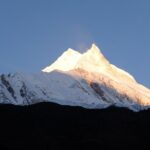
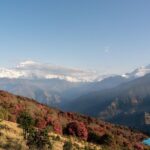
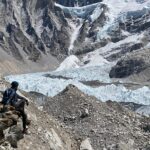
This is the “early morning effort” day. It can be challenging, and the reward is the panoramic view—snowy peaks and glacial valleys stretching out in a big, cold-sky frame. Many trekkers treat Kyanjin Ri as the highlight because the timing often means clearer views, and it’s high enough to feel like you’ve switched from valley hiking to something closer to high-mountain sightseeing.
I’d call this section the best test of whether you and altitude are on the same page. If you’re feeling strong, go for it. If you’re not, it’s smart to skip. The itinerary is built so you still reach Kyanjin Gompa and still get a meaningful day at altitude even without the higher viewpoint.
A safety-minded tip: start the hike with a slow pace and don’t chase other people’s footsteps. Altitude affects everyone differently. You might feel fine early on and then get symptoms if you ascend too quickly—headache, nausea, fatigue, or loss of appetite. If that happens, you don’t “push through” like it’s a gym session.
The Return Down to Syabrubesi: Mountain Views, Less Stress
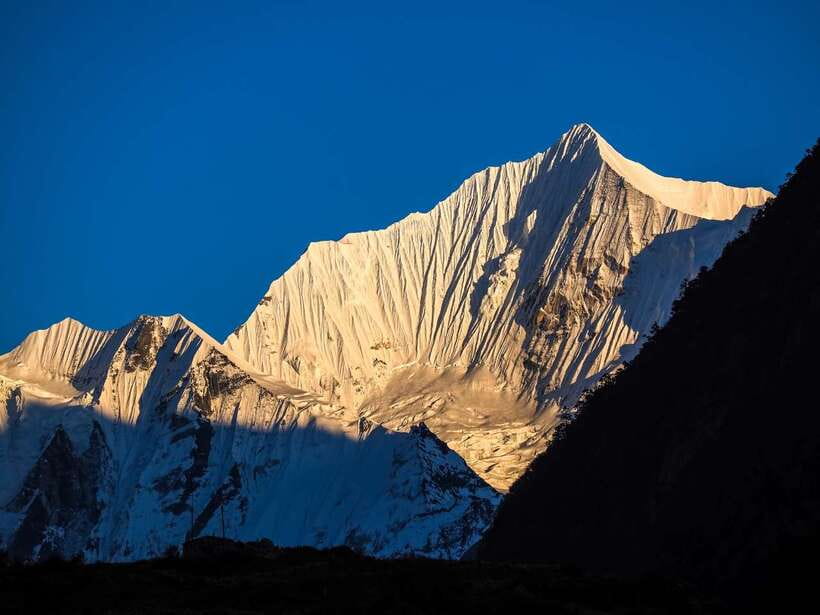
Day five is your return trek to Syabrubesi, dropping from Thangsyap back toward about 1,550m. The route retraces portions through forests and beside the Langtang River. This day is usually less mentally intense than the ascent days, but it still deserves respect. Descents can be harder than they feel on paper—your knees will notice.
This is also when you get one last long look at the valley. After a few days of focusing on breath and footing, you’ll finally have enough energy to enjoy the scenery without constantly checking your body. It’s a good day for taking more photos than usual and having a calmer pace.
Then you overnight back at Syabrubesi, setting you up for an easy final drive.
Back to Kathmandu: From Cold Air to Real Comfort
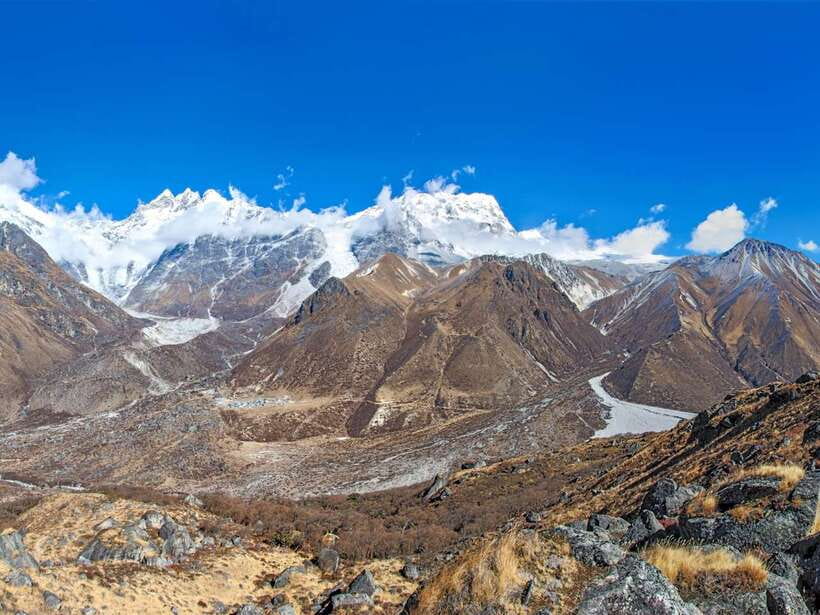
On day six, you leave Syabrubesi and drive back to Kathmandu. That farewell moment tends to hit harder than people expect. You’ll be leaving behind a very remote feel, and you’ll notice how fast “normal life” returns after days of mountain quiet.
One thing I appreciate about this setup is the structure: you aren’t stuck with complicated extra segments. Pickup and drop-off are handled, and the trek ends cleanly with transport back to the city.
Guide, Group Style, and Porter Choices (What Private Really Means Here)
This trek is described as a private group, but transportation can still be shared depending on the number of people. In practice, that means you’ll likely get the comfort of a dedicated guide, while the bus/vehicle side may be more standard.
The guide is English-speaking (and you may also hear Hindi support). Reviews repeatedly mention guides who are attentive, helpful, and flexible. Ghanshyam comes up often—people describe him as caring, organized, and able to adjust pacing so first-time trekkers feel safe. Sudarshan also gets positive mentions for professionalism and checking how people are doing. There’s also a recurring theme: guides explain what’s happening on the trail and answer questions quickly.
Porters are where you should make your call based on your comfort. Porter charge is extra. Some reviews recommend it strongly, especially for first long treks. If you want to hike for the views instead of managing a heavy load, planning for a porter is a wise move.
And yes, there’s luggage storage facility included. That’s great if you’re carrying more than you need in the city days.
Price and Value: What $179 Actually Means for Your Trek
The listed price is $179 per person for a 6-day Langtang Valley trek. On paper, that’s not a huge number for a trek that includes planning-heavy parts: permits and paperwork, TIMS-related fees, government tax, private accommodation during the trek nights, and staff expenses.
Here’s the practical breakdown you should keep in mind:
Included value
- Trek permits and all necessary paperwork/TIMS fees
- Hotel pickup and drop-off
- An authorized English-speaking guide
- Private comfortable accommodation for the trek (x5 nights)
- Transportation as per the route and group size
- Luggage storage facility
- Staff costs (meals, accommodation, salary, equipment, insurance, transportation)
Not included (budget these)
- Drinks (soft and hard)
- Travel and rescue insurance
- International flights and Nepalese visa fee
- Personal expenses like phone calls, laundry, bar bills, battery recharge, extra porters, and water/shower costs
- Alcohol/drugs are not allowed
One detail that matters: meals during the trek are included for the Full Package only. If meals aren’t fully covered under your chosen option, you’ll need to budget for lunch/dinner from tea houses along the way. Either way, you should assume you’ll pay something for bottled or boiled water since it’s listed under personal expenses.
Value-wise, what you’re paying for isn’t just walking. It’s the admin, permits, and on-the-ground care. Guides and organization matter a lot in remote trekking areas, especially when weather shifts and altitude needs respect.
Altitude, Weather, and the Seasons That Actually Help
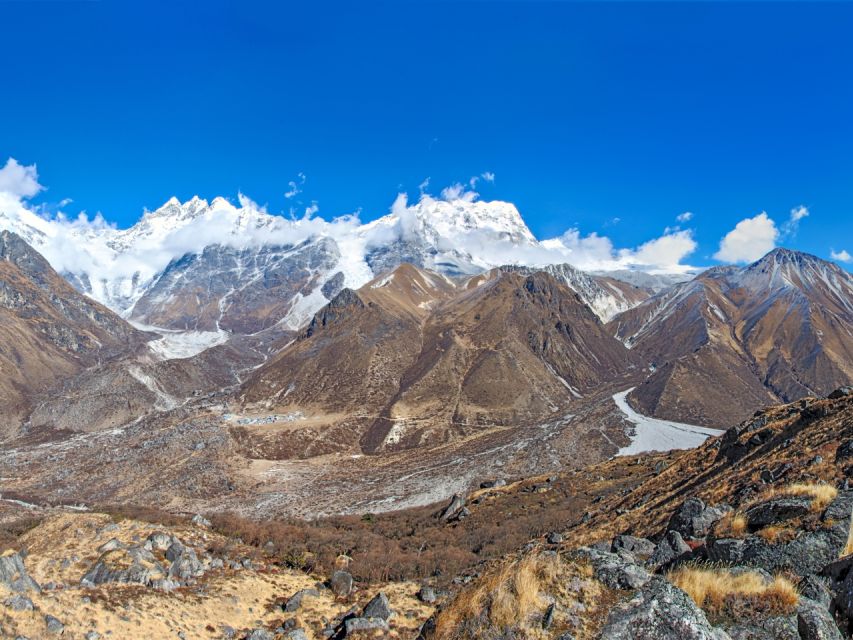
Altitude affects everyone differently. This trek includes high points like Kyanjin Gompa (~3,870m) and the optional Kyanjin Ri (~4,770m), so you should plan with caution even if you’re athletic.
Common AMS symptoms to watch for are headaches, nausea, fatigue, or loss of appetite. If you feel those, don’t treat them like stubbornness. Slow down, rest, and follow your guide’s recommendations.
Timing matters too. The best trekking seasons are generally mid-March to April and October to mid-November. In autumn you often get less wind and warmer temperatures. In late March and April, you may catch rhododendron blooms at lower elevations, which can make the valley walk feel extra alive.
Weather in the mountains can still change fast. The company notes the itinerary may slightly change due to weather or seasonal factors, so keep your expectations flexible and pack accordingly.
What to Pack for Langtang (So You Don’t Pay With Sore Fingers)
Bring practical layers and good footwear. The essentials listed for this trek include:
- passport or ID card
- sleeping bag
- flashlight
- sunscreen and sunglasses
- hiking shoes
- gloves and a jacket
- water and trekking gear
Also think about comfort items that prevent small misery. A warm jacket matters when you’re up high and mornings start cold. Gloves help when you’re stopping often for photos and moving slowly on uneven ground.
One more rule to keep in mind: alcohol and drugs are not allowed. It’s not just about policy. Cold air and altitude plus alcohol is a bad combo.
Who This Trek Suits Best
This trek is a strong fit if you want:
- a clear 6-day structure without weeks of logistics
- meaningful cultural stops at Kyanjin Gompa
- a challenging but optional day hike to a high viewpoint (Kyanjin Ri)
- a guide who adjusts pace and cares about how you’re feeling
It’s also a good choice for first-time trekkers who want support rather than a “figure it out” adventure. Reviews include first-trek comfort stories, especially when guides pace the climb and keep people informed.
If you’re extremely short on time, this still might feel like a lot because hiking is daily. But if you want a realistic taste of the Langtang region, six days is a workable sweet spot.
Should You Book This Langtang Valley Trek to Kyanjin Ri?
Book it if you want a well-run, culturally grounded trek with a real mountain finish. The combination of Langtang Valley walking, Kyanjin Gompa monasteries, a local cheese stop, and the optional Kyanjin Ri dawn views is exactly the kind of mix that makes a trek feel complete.
Think twice (or at least plan smarter) if altitude scares you, or if the optional Kyanjin Ri climb would push you beyond your limits. In that case, you can still do the heart of the trip by staying with the main Kyanjin Gompa-focused days.
If you decide to go, I’d prioritize three things before you step off the bus: good footwear, a jacket-and-gloves strategy, and a slow start on climb days. The valley gives you enough beauty without needing to race for it.
FAQ
How long is the Langtang Valley trek?
It’s a 6-day trek, including trekking days and the return drive back to Kathmandu.
What are the main places you’ll visit on the route?
You’ll travel from Kathmandu to Syabrubesi, trek to Pahiro, continue to Ghoda Tabela, reach Kyanjin Gompa, and then go to Thangsyap (with an optional Kyanjin Ri hike). You’ll return to Syabrubesi and then drive back to Kathmandu.
What is the highest altitude on this experience?
The optional hike to Kyanjin Ri reaches about 4,770m.
Are trekking permits included in the price?
Yes. Trekking permits, necessary paperwork, and TIMS-related fees are included.
Are meals included?
Meals are included for the Full Package only. Soft drinks and hard drinks are not included.
Do I get a porter included?
The guide is included. Porter charges are extra.
What languages will the guide speak?
The guide provides English and Hindi.
Is hotel pickup and drop-off included?
Yes. You’ll get pickup from your hotel area and drop-off back in Kathmandu. The driver will be holding a sign with your last name.
What should I bring for the trek?
Bring your passport or ID card, a sleeping bag, flashlight, sunscreen, hiking shoes, gloves, water, and a jacket, plus trekking gear and sunglasses.
Is alcohol allowed on the trek?
No. Alcohol and drugs are not allowed.