REVIEW · MARRAKECH
3 Days Tour from Marrakech to Merzouga Dunes and Camel Trek
Book on Viator →Operated by Excellent Morocco Tours · Bookable on Viator
The desert starts with clay walls and mountain roads. This 3-day route strings together High Atlas viewpoints, the mud-brick Aït Benhaddou area, and the big moment: a camel ride into the Merzouga dunes with dinner under the stars and a campfire dance. I also like how the experience is guided in a human, hands-on way, with names like Hassan Moussaoui and Chafik showing up in feedback for being social, professional, and genuinely part of the day.
You’ll get more than driving and photos. I’m a fan of the stop-and-learn rhythm—especially the visit around Tinghir’s old section and Jewish quarter, plus the time with a local women’s cooperative learning traditional rug-making, followed by Berber scarf shopping in Melaab before your camel trek.
One thing to weigh: the days are long, and food costs stack up. With a 7:00 am start and lunches not included (drinks aren’t included either), you’ll want to plan for extra spending and bring patience for lots of time on the road.
In This Review
- Key Things You’ll Like Most
- Why This Marrakech to Merzouga Trip Feels More Complete Than a Straight Desert Ride
- Day 1: High Atlas Road Trip to Aït Benhaddou, Then Tinghir for the Night
- Day 2 Morning: Tinghir’s Old Section, Jewish Quarter, and a Women’s Cooperative Rug Lesson
- Todra Gorge, Tinjdad Pool Lunch, and Melaab Scarves Before the Desert
- Camel Ride to Merzouga Camp: Shower in the Dunes, Optional Sandboarding, and Stargazing Dinner
- Day 3: Sunrise Over the Dunes, Camel or Quad Bike, Then Back to Marrakech
- Price and Value: What $117.80 Includes, and What You Should Budget For
- Guides, Timing, and Real-World Expectations
- Should You Book This Marrakech to Merzouga 3-Day Camel Trek?
- FAQ
- What is the start time for this tour?
- Where does the tour end?
- How long is the tour?
- What is included in the price?
- What is not included?
- What activities can I do in the desert?
- What time do I see the desert sunrise?
- Is there a limit on group size?
- Is entry included for key stops like Aït Benhaddou?
- What is the cancellation policy?
Key Things You’ll Like Most
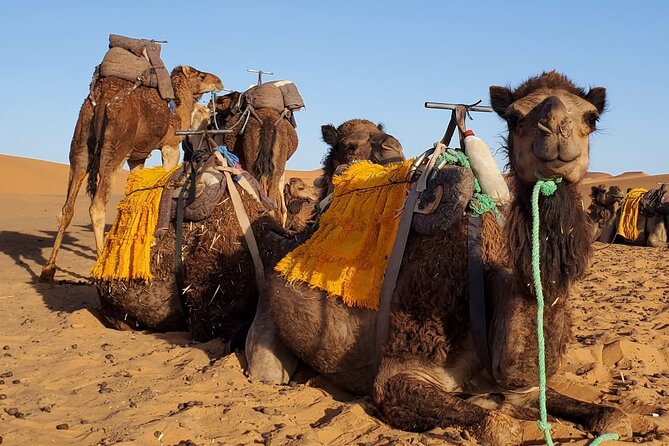
- Atlas Mountains to a UNESCO-style mud-brick ksar vibe at Aït Benhaddou, guided on the ground
- Tinghir’s old neighborhoods + a real women’s cooperative rug-making lesson
- Todra Gorge and oases on the way toward the dunes (so the desert doesn’t feel sudden)
- Merzouga camp experience with a shower in the dunes, dinner, and campfire dancing
- A morning choice on Day 3: sunrise camel ride or an optional quad bike outing
Why This Marrakech to Merzouga Trip Feels More Complete Than a Straight Desert Ride
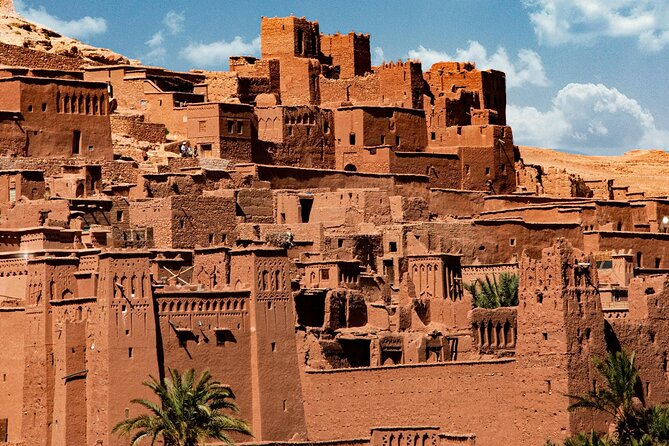
This tour works because it treats the desert like the last chapter, not the whole book. You start in Marrakech, then the day-one drive climbs into the High Atlas (including Tizi n’Tichka Pass), which changes the air and the scenery fast. Aït Benhaddou gives you that classic Morocco feel right away—mud-brick architecture, guide-led context, and a sense of place.
On Day 2, you keep moving through towns and stops that add texture: Tinghir’s neighborhoods and rug-making, Todra Gorge, then Tinjdad for a poolside lunch option, and finally Melaab for Berber scarves tied to the camel-ride setup. By the time you reach Merzouga, it doesn’t feel like a random jump into sand. It feels earned.
And then the camp evening hits the emotional target: sunset timing in the dunes, a shower once you’re camp-ready, dinner, and lively campfire dancing. In the feedback, the music and party atmosphere around both the camp and the lodging shows up as a highlight, so you’re not just sleeping under stars—you’re also socializing and making memories.
You can also read our reviews of more tours and experiences in Marrakech.
Day 1: High Atlas Road Trip to Aït Benhaddou, Then Tinghir for the Night
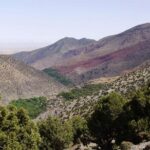
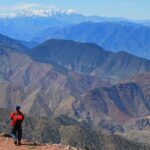
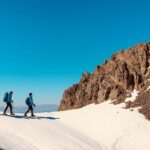
Your day starts early, around 7:00 am, and you’ll spend the first stretch driving toward the High Atlas. The big “wow” moment here is the climb to and through Tizi n’Tichka Pass. Even if you’ve seen mountain roads before, this one is known for bending through rugged terrain with Berber villages along the way—so you’re not watching only asphalt.
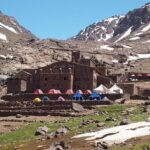
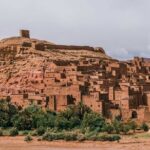
Aït Benhaddou is next, and it’s the kind of stop that benefits from a local guide. The area is an ancient ksar (mud-brick village) with major film connections, and the guide portion is built into the timing. If you like walking old lanes with someone pointing out details—materials, layout, and how places like this stay standing—you’ll feel like you got more than a quick look.
From there, you continue toward your overnight stop in Tinghir. The itinerary doesn’t give you hotel style or room specifics, but it does make it clear that the first day includes the long travel day pieces: lunch/rest/photo breaks and getting you positioned for the next morning’s deeper cultural stops.
Practical note: Day 1 is not a slow sightseeing day. It’s a “see Morocco at speed, then pause” day. If you’re sensitive to long drives, bring what keeps you comfortable: water (since drinks aren’t included), sunscreen, and something for motion comfort.
Day 2 Morning: Tinghir’s Old Section, Jewish Quarter, and a Women’s Cooperative Rug Lesson
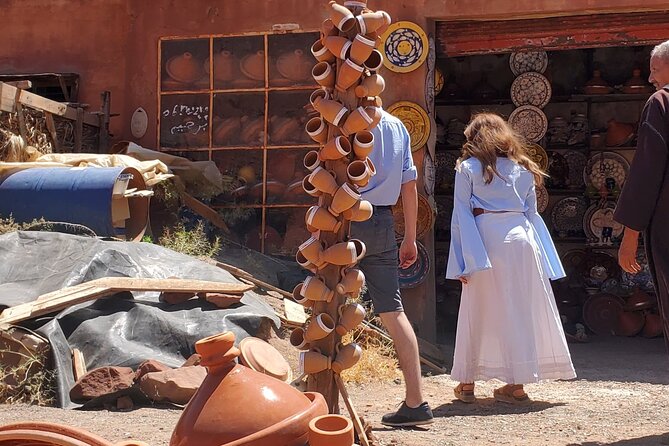
Day 2 starts after your Tinghir night. You meet a local guide and head into the old section and Jewish area of town. This part matters because it shifts the trip from scenery into community. You’re not only moving between famous places—you’re learning how different groups shaped everyday life here.
Then comes one of the most useful experiences on the route: a visit to a women’s cooperative where you learn about traditional rug-making. Even if you don’t buy anything, this is where the trip earns your attention. Rugs in Morocco aren’t just souvenirs. They’re skill, time, dyes, and family work, and this sort of cooperative stop typically means you get to see the process with fewer tourist shortcuts.
If you like hands-on cultural travel, this is your moment. And if you do buy later, you’ll have a better sense of why certain scarves or rugs cost what they do and why patterns and materials carry meaning.
Todra Gorge, Tinjdad Pool Lunch, and Melaab Scarves Before the Desert
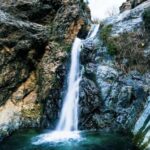
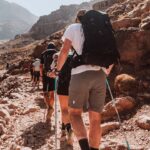
After Tinghir, you head toward Todra Gorge. The route includes pass-through stops along lush-oasis areas, which is a nice transition trick: you see greenery and irrigation life before the world opens into stone and sand. When the gorge finally shows up, it’s the kind of dramatic, narrow relief you can feel in your body—cooler air, rock walls closing in, and perfect conditions for photos that don’t look like the same background as the last one.
Next is Tinjdad for lunch, with an option to relax by the pool. This is a good moment to reset. The tour lists lunches as not included, but it does say lunch is part of the day’s plan and there’s a pool break. If you want an easier second day emotionally, this stop helps you breathe before you push toward Merzouga.
Then you stop at Melaab to visit a Berber family shop and pick up scarves for your camel ride. This is a small detail that pays off later. When you’re sitting on a camel or standing in cooler evening dune air, you’ll be glad you have something that works as head-and-neck protection. It’s also a low-pressure shopping stop; you’re buying for a purpose, not just for a rack.
Camel Ride to Merzouga Camp: Shower in the Dunes, Optional Sandboarding, and Stargazing Dinner
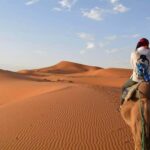
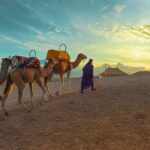
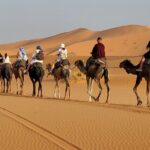
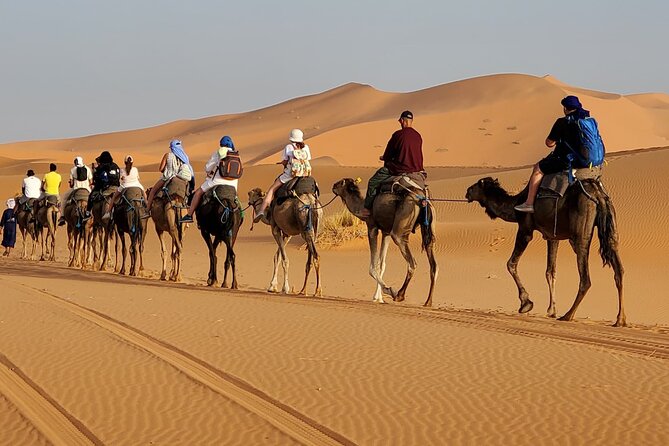
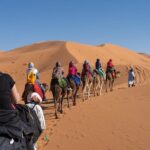
Once you arrive in Merzouga, you meet your caravan and start the camel ride into the dunes. This is where the tour becomes unmistakably “desert trip” and less “road trip with stops.”
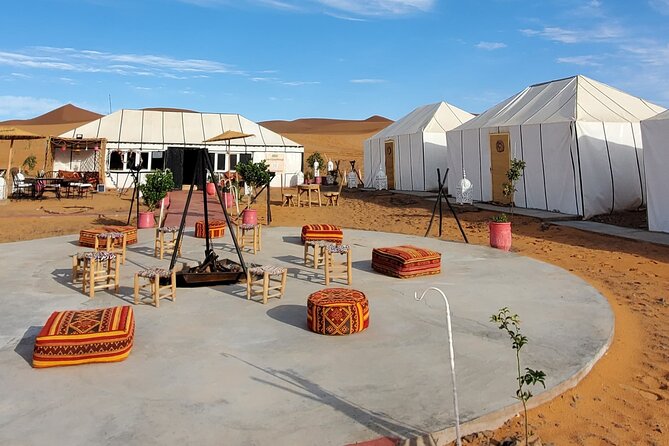
At camp, you’re promised a shower in the dunes and you may get the chance to try sandboarding. Sandboarding being listed as included (and also described as optional in the experience overview) means you should expect the chance to do it, but not necessarily forced if you’d rather just watch or take photos.
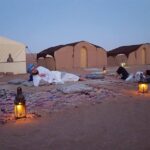
Dinner is on the plan—twice during the trip—and the evening is described as a lively campfire dance. In the feedback, the fun factor here shows up clearly: people talk about music and party energy, not just quiet observation. That’s important for your expectations. If you want a silent meditation desert, this won’t be that. If you want a warm, social, slightly theatrical night under stars, you’re in the right place.
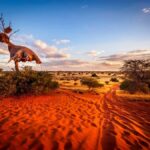
Also, the camp experience is paced for the timing of sunset. The tour description promises stunning sunsets, and practically, that means you’re not leaving the dunes at the first sign of darkness. You’re there for the moment that makes everyone want to pause and stare.
Comfort tip: Even in desert regions, nights can feel cooler. You’ll be happier if you pack layers and not just one warm layer you rely on.
Day 3: Sunrise Over the Dunes, Camel or Quad Bike, Then Back to Marrakech
Day 3 starts with early breakfast, then you head out for sunrise. You can choose a sunrise camel ride or an optional quad bike excursion. The choice here is great because sunrise on camels is more classic and slow, while quad riding is faster and more adrenaline.
The key is that the tour builds this into the morning plan, not as an afterthought. Sunrise is when the dunes look different—longer shadows, softer colors, and a calmer rhythm. If you’ve ever wondered why people photograph the desert at dawn, this is the part that makes it make sense.
After the sunrise experience, you reunite with your bus for the long return to Marrakech. The itinerary calls it the longest day, and it includes planned stops for meals and rest so you’re not doing a nonstop grind.
You’ll end back at your meeting point, which matters if you’re planning a riad or hotel schedule in the city. The tour is designed to close the loop cleanly.
Price and Value: What $117.80 Includes, and What You Should Budget For
At $117.80 per person, the value comes from combining transportation, two nights of accommodations, two breakfasts, and two dinners with real desert and culture activities. You’re not just paying for a camel ride. You’re paying for a full route: air-conditioned vehicle, scheduled stops, the Merzouga camp experience, and the chance to do sandboarding.
What’s not included is the stuff that quietly adds up: drinks and lunches, plus tips/gratuities. Because lunches aren’t listed as included, I’d plan on paying for at least one or more meals on the road. Drinks will likely be an extra line item too.
Also, quad bike costs aren’t clearly listed as included. Since it’s described as optional, treat it as a possible add-on and confirm the details with your guide on the day.
Group size angle: the tour lists a maximum of 100 travelers. That suggests you may be part of a larger operation, but the itinerary is broken into guide-led stops and caravan segments, so you won’t feel like you’re only watching from inside a bus.
If you prefer small group travel, this might not be your perfect match. But if you want a structured route that hits several major stops in three days, the price is hard to beat.
Guides, Timing, and Real-World Expectations
A big reason this tour earns a top rating is the people running it. Feedback highlights guides like Hassan Moussaoui for being professional and friendly, and Chafik for organization and a fun, humorous vibe. Another name that pops up is MoMo Mohamed, praised for professionalism and advice. Across these comments, a pattern shows up: pick-ups and drop-offs tend to be on time, and the guide helps you connect the dots so you’re not just collecting locations.
Timing-wise, start early and expect long road stretches. You’ll make stops for lunch/rest/photos, and the plan is designed so you’re not constantly behind schedule. Still, your day-to-day energy should be planned around transit time.
Finally, the tour’s “culture + desert” shape makes it easier to enjoy even if you’re not a hardcore history buff. Aït Benhaddou, Todra Gorge, rug-making, scarf shopping—these are specific experiences, not generic “look at this view” stops.
Should You Book This Marrakech to Merzouga 3-Day Camel Trek?
Book it if you want a three-day structure that covers the Atlas route, Tinghir’s neighborhood life, Todra Gorge, and the full Merzouga camp evening with dinner and dancing. I’d especially recommend it if you care about more than just sand photos—because the cooperative rug-making lesson and the Melaab Berber scarf stop make the desert feel connected to real daily craft and local traditions.
Skip it or choose a different format if you dislike long days on the road or if you want lunches and drinks bundled into one flat price. Also, if you’re looking for a quiet, no-music desert night, this camp style may feel too energetic.
If you’re okay with a busy itinerary and you like getting a lot of Morocco in a short time, this is a strong value. The guides in the feedback are a big part of that, and the desert night with stargazing, shower time in the dunes, and optional sandboarding is the kind of payoff that makes the early mornings worth it.
FAQ
What is the start time for this tour?
The tour starts at 7:00 am.
Where does the tour end?
It ends back at your meeting point in Marrakech.
How long is the tour?
The duration is about 3 days.
What is included in the price?
Included are an air-conditioned vehicle, camel ride, sandboarding, accommodations for the first and second day, dinner (2), and breakfast (2).
What is not included?
Not included are drinks, lunches, and tips/gratuities.
What activities can I do in the desert?
You can take a camel ride, enjoy a shower at the dunes, and try sandboarding. On the final day, you can choose a sunrise camel ride or an optional quad bike excursion.
What time do I see the desert sunrise?
You’ll have an early breakfast on Day 3, then go for a sunrise experience before returning to Marrakech.
Is there a limit on group size?
Yes. The maximum group size is listed as 100 travelers.
Is entry included for key stops like Aït Benhaddou?
Aït Benhaddou is marked as admission ticket free in the schedule.
What is the cancellation policy?
Free cancellation is available up to 24 hours in advance for a full refund. Canceling less than 24 hours before the start time is not refunded.