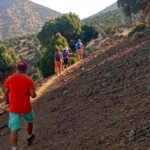
The Atlas Mountains start right after breakfast.
This 3-day hike takes you from Marrakech into the High Atlas with door-to-door transfers and real local village guesthouses along the way. I especially like how the itinerary keeps you moving through valleys and viewpoints without feeling like you’re stuck in a bus all day, and I like the built-in support: guide, mules, and luggage handling so you can focus on walking and views.
One thing to consider: the second-night guesthouse is described as a bit basic, with shower/bathroom and mattress-and-blankets rather than hotel comfort.
In This Review
- Key things to know before you go
- Why the Imlil–Azzaden 3-Day Plan Works
- Price and What You Actually Get for $211.49
- Day 1: Marrakech to Imlil, the Ait Mizane Valley, and Waterfall Views
- Day 2: Gentle Imlil Walk, the Tizi Mazzik Climb, and the Region’s Biggest Waterfall
- Day 3: Rooftop Breakfast, Idaissa to Tizi Oudid Pass, and Back via Agrsioual
- Guides, Mules, and the Safety Feel on These Trails
- Staying Comfortable: Guesthouses, Warm Clothes, and Footwear
- Who This Trek Suits Best (And Who Should Think Twice)
- Should You Book This 3-Day Atlas Trek?
- FAQ
- What’s included in the 3-day Atlas trek package?
- Where does the trek start and end?
- How many people are in the group?
- How long is the hiking each day?
- Are transfers and luggage handling included?
- What kind of accommodation should I expect?
- Do I need to bring a sleeping bag?
- Can you accommodate vegetarian or vegan diets?
- Is bottled water included?
- What’s the cancellation policy?
- Does the route ever change due to weather?
Key things to know before you go
Small-group feel (max 15) with a guide who can actually keep an eye on your pace
Mules and vehicle support for your bags so your pack stays manageable
Two nights in village guesthouses with meals, coffee, and tea included
Three lunches in the mountains at proper stops, not just snack breaks
Weather-aware route flexibility so your day may adjust for conditions
Why the Imlil–Azzaden 3-Day Plan Works
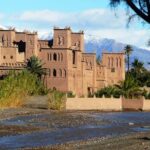
If you want Atlas hiking without doing a full Toubkal expedition, this route is a smart middle ground. You’ll spend your time in the valleys around Imlil and Azzaden—walking between villages, crossing shepherd paths, and reaching passes and waterfall areas that feel very “in the real mountains,” not staged for tourists.
What makes this plan feel good in only 3 days is the rhythm: each day has a clear walking goal (valley floor, a climb to a pass, then a descent and village return), but there’s also time for breaks and scenery. You get the sense that the journey is more than the mileage.
You can also read our reviews of more tours and experiences in Marrakech.

Price and What You Actually Get for $211.49
At $211.49 per person for roughly 3 days, this is mostly good value because the package includes the stuff that usually adds up fast on multi-day trips:
- Transportation and hotel pickup/drop-off from Marrakech
- A local professional guide for the trek
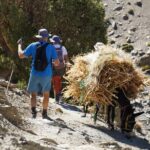
- Mules and muleteers to carry luggage
- Two nights in guesthouses, plus meals: three lunches, two breakfasts, two dinners
- Coffee and/or tea during the trip
What’s not included is also straightforward: bottled water (you can buy it at points during the trek) and sleeping bags (blankets are provided in the guesthouses). If you already know you’ll buy water anyway, the “missing items” part is manageable.
The other hidden value is group size. With a maximum of 15, your guide can spend time on pacing and safety instead of herding a big crowd.
Day 1: Marrakech to Imlil, the Ait Mizane Valley, and Waterfall Views
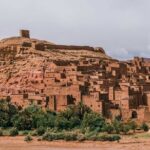
Your day starts in Marrakech with pickup at the meeting point near Café de France. The drive into the Atlas is part of the experience. After about 40 minutes, you’ll stop at Azrou, an old Berber village where you’ll have a chance for photos before continuing through the Moulay Brahim gorges and the Asni valley.
Then comes the transition day-hiker mode. You arrive in Imlil, meet your local guide, and start walking for about 4 to 5 hours toward the Ait Mizane valley. A big plus here: the driver handles luggage transport to your overnight point, so your day feels lighter.
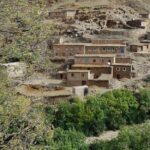
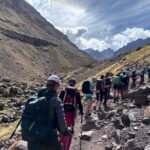
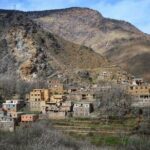
The hike takes you past the area’s main waterfall and through several Berber villages connected to Imlil, including Targa Imoula, Achayn, Arghen, and Mazzik. You’ll get that “you’re walking through lived-in geography” feeling rather than seeing only viewpoints.
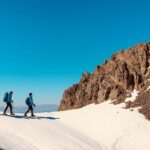
Later you stop off in Armed, where the views can be jaw-dropping on clear days. The scenery includes the chance to look toward Toubkal (4167m), described as the highest peak in the north of Africa, and to see old irrigated terraced fields where barley, corn, and vegetables are grown.
Practical note: your day 1 total time is long on paper (drive + hike), so treat it like a full travel day, not just a short introduction.
Day 2: Gentle Imlil Walk, the Tizi Mazzik Climb, and the Region’s Biggest Waterfall
Breakfast comes first, then your morning starts with logistics handled the right way. Your guide and a muleteer help pack up luggage and get you ready for the next valley: Azzaden.
You begin with a gentle walk down to the center of Imlil (around 1750m), then climb all the way up to Tizi Mazzik (2480m). That altitude gain is the day’s main work, and it’s built for steady effort rather than speed.
At lunch, you’ll eat outdoors under juniper trees, with wide views over multiple peaks and valleys. After lunch, you keep moving at roughly the same level until you reach what’s described as the biggest waterfall of the region. There’s time to stop, take a breath, and enjoy the sound and spray.
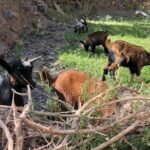
In the afternoon, the hike turns into shepherd-path mode. You follow trails down to Tizi Oussem village (around 1900m) for the second night. This is also where the cultural extras can show up: there’s an option to experience a Berber hammam (steam bath) for a reasonable price, and you can help with parts of dinner if you want hands-on time.
Because this is the most basic night of the trip, I recommend going in with the right expectations. Think warm food, community feeling, and an early night—not spa-level comfort.
Day 3: Rooftop Breakfast, Idaissa to Tizi Oudid Pass, and Back via Agrsioual
Day 3 starts with breakfast at the guesthouse rooftop. It’s a simple moment, but it’s a nice reset: you look out, eat something warm, and then shift into the last-hike rhythm.
You head out with an easy walk following a dirt road to Idaissa village, then switch onto trail and climb up toward Tizi Oudid pass (2010m). Expect a steady, trail-focused effort rather than a technical climb.
Halfway through the hike (or near the pass), there’s a snack—dried mixed nuts—which is exactly what you want at that point: quick energy without slowing the group down too much.
Then you descend through Matat village to Agrsioual village, where you meet the driver for the transfer back toward Marrakech. Lunch is served by the river on the return side of the hike, which makes this last day feel less like a hurry and more like a finishing stretch.
This day is around 5 hours of hiking time, so it’s not a brutal finish. Still, it’s the day that asks you to stay present—because once you hit the pass and start the descent, the end of the trek arrives quickly.
Guides, Mules, and the Safety Feel on These Trails
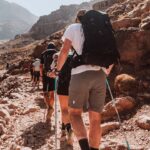
A good Atlas guide does two things: they manage the terrain and they manage the group. On this trek, the guide role is built into the experience—your pace, route adjustments, and safety are handled by a local professional guide.
You may also hear names like Dris, Nassim, Omar, and see support crew such as Mohamed (muleteer) and Ibrahim (cook). Even if your particular team differs, this is the kind of operation built around local expertise and day-to-day care.
The mule support is also practical safety. When your luggage travels separately, you’re less likely to over-pack or hike tired with the wrong weight. That matters on multi-day trips because muscle fatigue accumulates faster than you expect.
One more real-world point: the itinerary notes the option is subject to change to suit weather conditions. That’s not a problem; it’s a smart approach in mountain areas where clouds and rain can change trail conditions quickly. A plan that adapts is often safer than a rigid one.
Staying Comfortable: Guesthouses, Warm Clothes, and Footwear
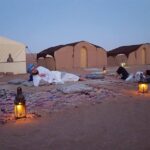
This trek is not “luxury hotel hiking,” and it doesn’t pretend to be. You’re sleeping in village guesthouses for two nights, with blankets provided and an expectation that you’ll bring the right layers.
What to pack, based on the trip guidance:
- Good walking boots
- Warm and waterproof clothes (especially in winter season)
- A rain layer, because showers can happen even when the day starts clear
The second-night guesthouse is noted as more basic, including shower/bathroom and mattress-and-blankets. So if you’re the kind of traveler who needs a perfectly cushioned mattress to sleep well, you’ll want to plan mentally (and physically) for a simpler setup.
Bottled water isn’t included, but you’ll find points to buy it during the trek, so plan for water purchases rather than expecting unlimited bottled supply.
Food wise, you can ask for vegetarian or vegan dietary requirements, which is a big deal on hikes where “limited options” can ruin the experience. Also note that coffee and/or tea are part of the included comfort rhythm.
Who This Trek Suits Best (And Who Should Think Twice)
This trek fits best if you want:
- A guided Atlas experience without complicated logistics
- Village stays and real meals included in the price
- A hiking challenge that’s moderate, with walking time typically 4–5 hours on day 1, 5–6 hours on day 2, and about 5 hours on day 3
The guidance says it suits all fitness levels, and travelers are asked to have moderate physical fitness. That usually means: if you can handle steady uphill and downhill for a few hours on rocky paths, you’ll be fine.
You might think twice if you need hotel-level comfort on every night. The second-night accommodation is described as a bit basic, and the hike style is active—this isn’t a sightseeing-only trip.
Should You Book This 3-Day Atlas Trek?
Yes, I think you should book it if your goal is a true Atlas hiking experience with a guide, manageable daily walking, and built-in support for luggage. The value is strong because meals, guesthouses, guide, and transfers are all handled, which leaves you free to enjoy the mountains instead of managing details.
Book it with the right expectations: you’re hiking through villages, eating simple mountain meals, and sleeping in guesthouses. If that sounds like your kind of trip—especially if you like waterfall stops, mountain passes, and views toward Toubkal—this 3-day Imlil and Azzaden route is a very practical choice.
FAQ
What’s included in the 3-day Atlas trek package?
The package includes hotel pickup and drop-off, transportation, a local professional guide, mules and muleteers, coffee and/or tea, two breakfasts, three lunches, and two dinners. It also includes two nights’ accommodation in guesthouses, with blankets provided.
Where does the trek start and end?
It starts at the Hôtel Restaurant Café de France near the Marrakech medina (Rue des Banques, Jamaa el-fnna) and ends back at the meeting point in Marrakech.
How many people are in the group?
The tour has a maximum group size of 15 travelers.
How long is the hiking each day?
Day 1 is about 4 to 5 hours of hiking. Day 2 is about 5 to 6 hours. Day 3 is about 5 hours, with an overall schedule that includes driving and breaks.
Are transfers and luggage handling included?
Yes. Door-to-door round-trip transfers from Marrakech are included, and luggage is carried with the help of mules and muleteers. The driver is also set up to take your luggage to the overnight point.
What kind of accommodation should I expect?
You’ll sleep in village guesthouses for two nights. The second-night guesthouse is described as a bit basic, with shower/bathroom and mattress plus blankets.
Do I need to bring a sleeping bag?
No. Sleeping bags are not included, and blankets are provided in the guesthouses.
Can you accommodate vegetarian or vegan diets?
Yes. Vegetarian, vegan, and other dietary requirements are available.
Is bottled water included?
No. Bottled water is not included, but there are many points during the trek where you can buy it.
What’s the cancellation policy?
You can cancel for a full refund if you cancel up to 24 hours in advance of the experience’s start time. If you cancel less than 24 hours before, the amount paid is not refunded. The tour can also be canceled if a minimum number of travelers isn’t met, in which case you’ll be offered another date or a full refund.
Does the route ever change due to weather?
Yes. The option is subject to change to suit weather conditions.