REVIEW · MARRAKECH
Atlas Mountains Valley Trek – 3 Days
Book on Viator →Operated by Toubkal Guide · Bookable on Viator
Marrakech to the Atlas, in three solid days. This small-group trek takes you from Imlil into high passes, stream valleys, and Berber villages, with meals, transport, and a local guide handled for you. I like that the day-by-day route is clearly paced for a real walking experience, not just a photo parade, and I also like the mix of scenery plus culture as you move through places tied to everyday life.
The main thing to consider is that this is still hiking in the mountains: you’ll spend multiple hours on foot each day and you’ll be in local gites, so pack for cool nights and basic comfort.
In This Review
- Key Highlights You’ll Actually Feel on the Trail
- From Jemaa el-Fna to Imlil: The Start That Sets the Pace
- Day 1: Imlil to Tinerhourhine via Tamatert and Tizi ’n Tamatert
- Day 2: The Imnane Valley Stroll Through Berber Villages (Plus a Longer Day)
- Day 3: Tizi Oussem, Tizi Mzik, and Back to Imlil
- Why the Included Meals and Gites Are a Big Value Move
- Mule Support, Tickets, and Other Small Things That Make Life Easier
- What You Should Pack (So Day 2 Doesn’t Beat You)
- Who This Trek Is Best For (And Who Might Want a Different Option)
- Should You Book the Atlas Mountains Valley Trek (3 Days)?
- FAQ
- Where is the meeting point and what time does the tour start?
- How long is the trek, and how much walking is each day?
- What’s included in the price?
- Do I need to bring a sleeping bag?
- Are soft drinks included?
- Is travel insurance included?
Key Highlights You’ll Actually Feel on the Trail
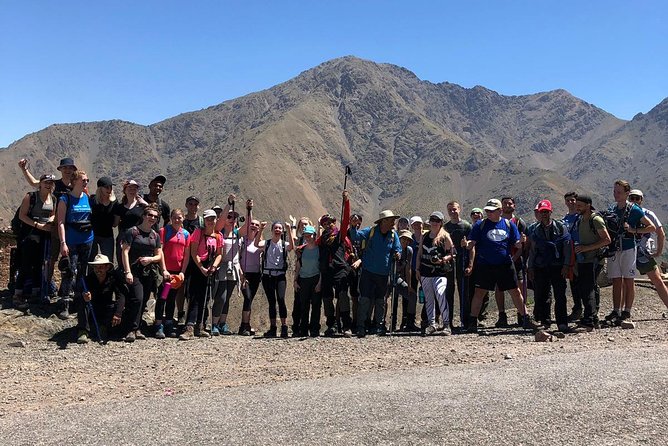
- Small group size (max 15) makes it easier to stay together on narrow paths and get answers from your guide
- Round-trip transport from Jemaa el-Fna means you start at 9:00 am without hunting for your own ride
- Included meals plus a cook helps you focus on the trail instead of planning food
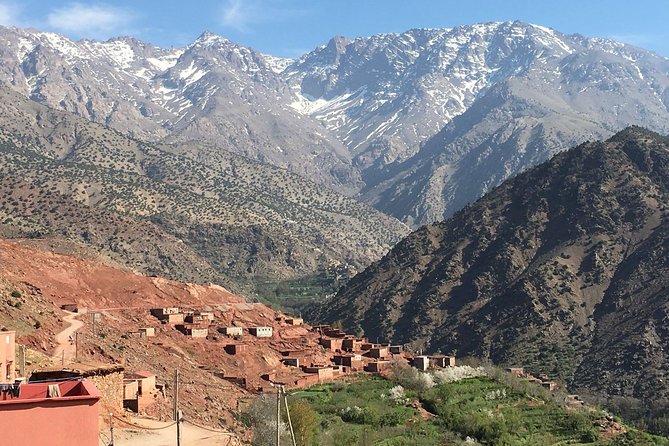
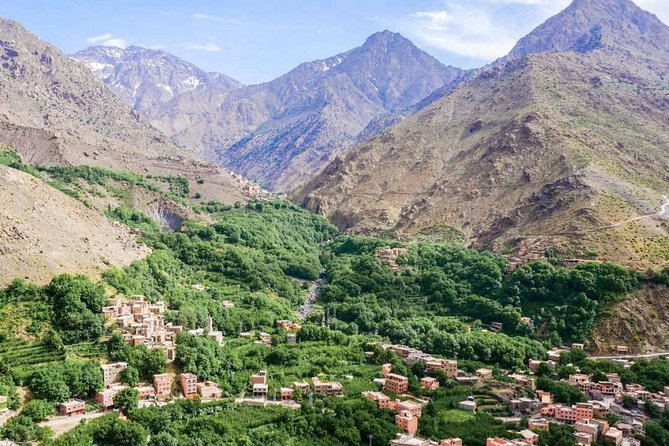
- Berber village routes through areas like Ikkiss give you more than just mountain views
- High-pass walking with clear waypoints like Tizi ’n Tamatert and Tizi Mzik keeps the trip memorable and structured
From Jemaa el-Fna to Imlil: The Start That Sets the Pace
Most Morocco mountain trips live or die on logistics. Here, the day kicks off in a very specific, easy-to-find place: Jemaa el-Fna, meet at the big post office at 9:00 am. From there, you ride for about 1.5 hours to Imlil, the classic base for trips into the Toubkal region.
Getting to Imlil as part of the package matters because it buys you two things: time and energy. You aren’t spending your morning bargaining for taxis or trying to stitch together transport. You also get straight into motion, which helps if you’re arriving in Marrakech and want your first Atlas day to feel like a real experience.
You’ll also notice how the trip is set up for comfort-without-luxury. You’re trekking with an English-speaking guide, plus the team includes accommodation, meals, and mule support. That means you can bring what you need and avoid turning the hike into a backpack endurance test.
You can also read our reviews of more tours and experiences in Marrakech.
Day 1: Imlil to Tinerhourhine via Tamatert and Tizi ’n Tamatert
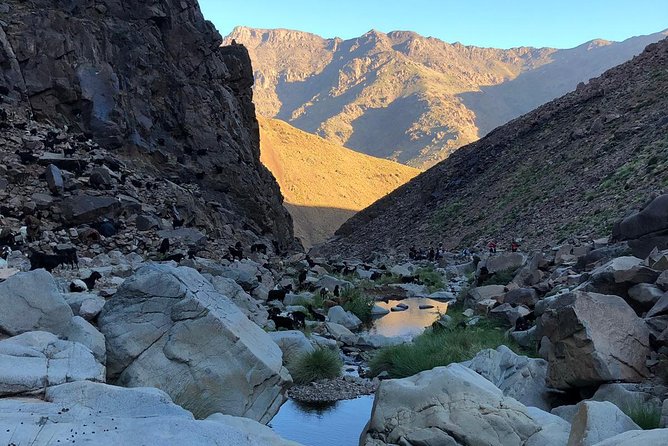
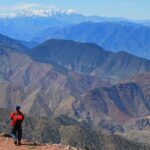
Day 1 is where the Atlas Mountain “wow” starts. You leave Imlil at 1740m and head toward Tinerhourhine, passing through Tamatert along the way. The altitude rises enough to feel the change in air as you approach the lunch col: Tizi ’n Tamatert (2279m).
Lunch at the col is more than a break. It’s a built-in moment to look around. At that elevation, you’re often above local village clutter and surrounded by ridge views that make the Atlas feel big in a way you can’t get from Marrakech day trips.
After lunch, you continue toward Ouanesekra-Tamguist, then descend to Tinerhourhine (1600m) for the night in a local gite. The walking time is about 4 hours, which gives you a good entry level to the trip.
Why I like this first day: it mixes effort with recovery. You get climb-and-panorama energy at the col, then the route settles into a valley rhythm as you walk toward your overnight stop.
A drawback to keep in mind: since it’s a local gite, it won’t feel like a hotel. Expect basic mountain lodging, and plan your night accordingly.
Day 2: The Imnane Valley Stroll Through Berber Villages (Plus a Longer Day)
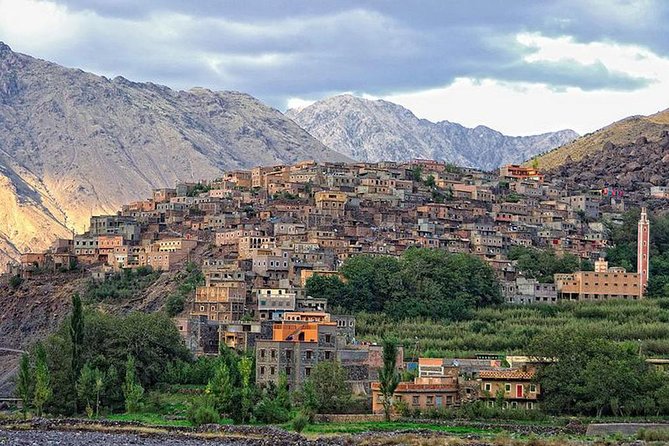
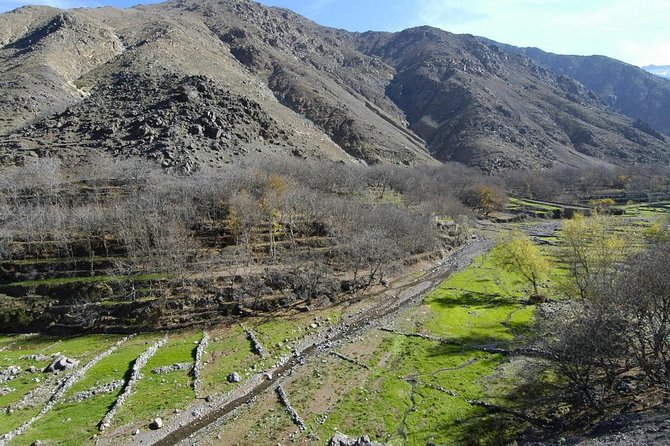
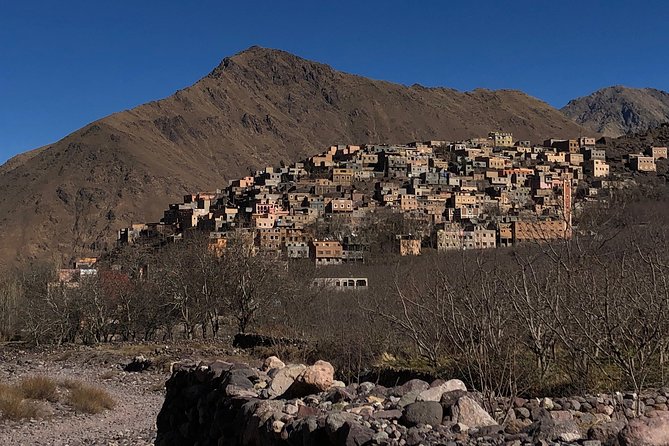
Day 2 is the workday. You depart Tinerhourhine and follow the Imnane Valley, passing the Berber village of Ikkiss (1700m). This is the kind of moment that turns a hike into a cultural walk: you’re not just moving through scenery, you’re moving alongside the places people live.
From Ikkiss, you continue on to Tizi n’Aguersioual (2000m), then reach Matate (2000m) for lunch. After that, you head to your next gite at Aït Aïssa (1800m).
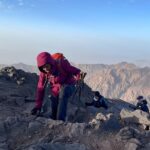
The walking time here is about 6 to 7 hours, so you’ll feel it. This is where your pacing matters. If you start too fast, the mid-day altitude and long distance will catch up with you. If you keep a steady rhythm, Day 2 becomes the most satisfying day of the trek because you’ll have enough time to notice the landscape and the human details.
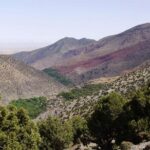
Also pay attention to the way the route uses valleys. That matters for comfort: valley paths often mean fewer “constant steepness” moments than direct mountain climbs. It still won’t be flat, but it’s a more varied kind of hiking.
Food note: the trip includes lunch and dinner (and breakfast on the gite days), and a cook is part of the plan. On mountain treks, that can be the difference between feeling nourished and feeling foggy and cranky.
Day 3: Tizi Oussem, Tizi Mzik, and Back to Imlil
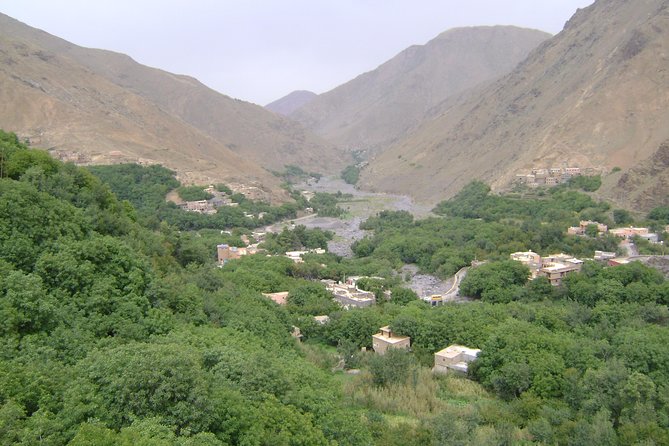
On the final day, you leave Aït Aïssa and walk toward Tizi Oussem (1900m). As you go, you pass Tizi Mzik (2400m) and the village of Mzik, then continue back down to Imlil for the transfer to Marrakech.
Walking time is about 4 hours, but don’t let that fool you. Day 3 includes a higher point near 2400m, so your legs still get a workout even though the day feels shorter on paper.
This is also the day that helps you “close the loop.” You start Day 1 in Imlil, and by Day 3 you return to the same area after a loop through valleys and villages. That makes it easier to orient yourself when you get back—your last views land with meaning.
When you finish, transport returns you to the same pickup location in Marrakech. That’s a small detail that’s worth more than it sounds like. You’re not stuck figuring out a second ride or a different drop-off.
Why the Included Meals and Gites Are a Big Value Move
At $255.52 per person for a 3-day trek, the smart question isn’t just what you pay—it’s what you don’t have to organize.
This price includes:
- Round-trip transport from Marrakech
- Accommodation in local gites
- Meals (3 lunches, 2 dinners, 2 breakfasts)
- Mule support, plus a cook and an English-speaking guide
- Entrance fees, so you don’t handle extra payments on the spot
If you’ve ever tried to piece together Morocco hiking yourself, you know how quickly costs grow: guide fees, transport coordination, gite bookings, food, and admin add up. Here, the trip bundles it into one plan.
The other hidden value is mental. When meals are timed to your hiking day and lodging is already lined up, you’re free to enjoy the walk instead of constantly thinking about logistics.
One practical caution: sleeping bags are not included. Local gites can be cold at night, depending on the season. If you don’t want to gamble, bring your own sleeping bag or at least a warm sleep system.
Mule Support, Tickets, and Other Small Things That Make Life Easier
A good trek feels simple, and this one does. The team includes:
- Mule support, which usually means your heavier items aren’t carried by your back all day
- Entrance fees handled, so you don’t end up paying at multiple stops
- A mobile ticket, so you’re not fumbling with printouts
Also, the tour runs as a small group with a max of 15 travelers. On mountain routes, smaller groups can mean less crowding on narrow paths and a better chance your guide can adjust pace when someone needs a breather.
From what people highlight in guide experience, the best part is how the guide connects the geography to daily life. Names like Mohammad Sarcosi, Hassan, and Lahcen come up in the kinds of comments that matter: friendly pace-setting, clear explanations, and a sense of where the route comes from.
What You Should Pack (So Day 2 Doesn’t Beat You)
Nothing fancy, but do think mountain-practical. The trek includes meals and lodging, but you need to bring what keeps you warm and comfortable.
You’ll want:
- Good hiking shoes with grip for rocky, uneven ground
- Layers for cooler mornings and nights
- A plan for your own sleeping bag since it’s not included
- Sun protection (light can be intense at higher elevations)
- A small amount of cash or payment method for non-included snacks, since soft drinks are not included
Also remember: you’re not touring in one big vehicle. You’re walking through valleys with changing elevation, so it helps to have a day-bag setup you can handle easily.
If you’re the type who hates being cold, bring warmer layers than you think you’ll need. Mountain evenings can shift fast.
Who This Trek Is Best For (And Who Might Want a Different Option)
This is ideal if you want:
- A moderate 3-day hiking trip with real time on foot
- A mix of valley scenery and Berber village culture
- A guided experience that removes planning stress (transport, lodging, meals, entrance fees)
It also fits solo travelers who don’t want to navigate on their own. With a small group and an English-speaking guide, you’re not left guessing.
The main mismatch would be if you want an easy stroll only. Day 2 runs 6 to 7 hours, and you’ll reach around 2000m at lunch and keep moving after.
For families: children must be accompanied by an adult. Beyond that, the tour notes that most travelers can participate, but you should consider comfort with sustained walking.
Should You Book the Atlas Mountains Valley Trek (3 Days)?
Book it if you want a structured, high-value Atlas experience that starts in Marrakech and ends the same way, with the important details handled for you. This trek gives you what many short trips fail at: time on the trail, a clear route through meaningful places, and enough cultural connection to feel you didn’t just pass by.
Don’t book if you’re chasing a purely relaxed, low-effort day. The schedule includes a longer Day 2, mountain elevation, and gite nights where you’ll need a proper sleep setup.
If you’re ready to walk, look closely, and enjoy the slow rhythm of valleys and villages, this one is a solid choice.
FAQ
Where is the meeting point and what time does the tour start?
You meet at Jemaa el-Fna, at the big post office in Marrakech. Start time is 9:00 am.
How long is the trek, and how much walking is each day?
The trek is about 3 days. Walking time is about 4 hours on Day 1, about 6 to 7 hours on Day 2, and about 4 hours on Day 3.
What’s included in the price?
It includes round-trip transport from Marrakech, accommodation in local gites, meals (3 lunches, 2 dinners, 2 breakfasts), mule support, an English-speaking guide, and entrance fees.
Do I need to bring a sleeping bag?
Yes. Sleeping bags are not included, so you’ll need your own.
Are soft drinks included?
No. Soft drinks are not included. The tour notes that mineral water or soft drinks like fanta are not part of what’s provided.
Is travel insurance included?
No. Travel insurance is not included.