REVIEW · KATHMANDU
Everest Base Camp Trek
Book on Viator →Operated by Recreation Holidays Pvt. Ltd. · Bookable on Viator
One step and the Himalaya starts talking. This Everest Base Camp trek trades Kathmandu noise for Buddhist color, Sherpa settlements, fir-and-pine forest walking, and the big quiet feeling you get high up. I love the way the plan builds in acclimatization at Namche Bazaar and Dingboche, and I love the careful, hands-on support from a guide team (names like Hari, Ongchhu, and Nima come up in past groups). One real consideration: you’re moving at altitude for days in a row, so you’ll want moderate fitness and to plan for trekking insurance and tips that are not included.
You’ll fly to Lukla and start hiking right away, then keep stepping through classic base-camp country: Phakding, Namche Bazaar, Tengboche, Dingboche, Lobuche, Gorakshep, Everest Base Camp, Kala Patthar, and Pheriche—then back to Namche, Phakding, and Lukla. It’s private to your group, but you still get the steady rhythm of a guided trek with lodge stays and three meals daily.
In This Review
- Key highlights at a glance
- Lukla Flights and a 6:00 am Start That Changes Everything
- What You Actually Get for $1,390 (and Why It Can Be Good Value)
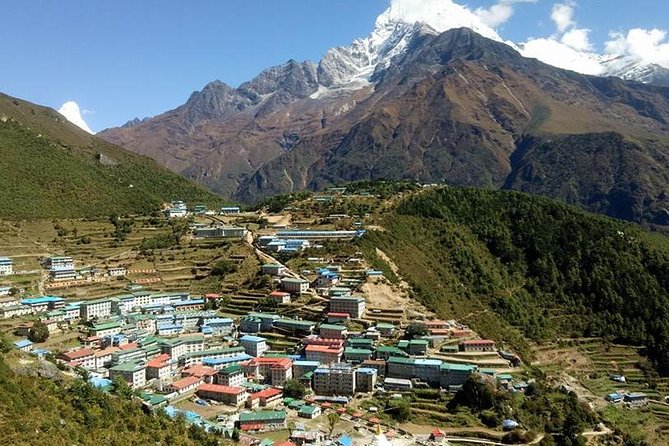
- Phakding to Namche Bazaar: First Taste of High-Altitude Life
- Your Acclimatization Days in Namche and Dingboche
- Tengboche to Dingboche: Forest Walking and Mountain-Serious Days
- Lobuche to Gorakshep and Out to Everest Base Camp
- Kala Patthar and Pheriche: The Big View Moment and the Descent Rhythm
- Meals, Lodges, and the Pace Your Body Will Appreciate
- Your Guide Team: The Kind of Support That Prevents Mistakes
- Weather, Clothing, and Why All-Weather Operation Still Needs Your Help
- Who Should Book This Trek (and Who Should Pause)
- Should You Book Everest Base Camp With This Package?
- FAQ
- Where is the meeting point and what time does the trek start?
- Are Kathmandu–Lukla–Kathmandu flights included?
- What meals are included during the trek?
- Are airport transfers included?
- Is travel insurance included?
- Is there a vegetarian option?
- Can I cancel and get a full refund?
Key highlights at a glance
- Lukla flights included both ways from Kathmandu, so you don’t waste days on ground travel
- Acclimatization built in with extra time at Namche Bazaar and Dingboche
- Guide support plus permits covered, including taxes and the guide’s expenses
- Lodge stays with 3 meals daily while you’re trekking (plus vegetarian option if you request it)
- A real culture trail featuring monasteries, chortens, mani walls, and prayer flags
Lukla Flights and a 6:00 am Start That Changes Everything
The trek begins with a morning that’s earlier than you probably want, with the meeting point at Tribhuvan Airport in Kathmandu and a 6:00 am start time. Then comes the flight from Kathmandu to Lukla, followed by your first hike to Phakding. That combo—fast jump into the mountains, then immediate walking—sets the tone. You’re not easing in for days; you’re getting to altitude and trail life quickly.
The payoff of starting like this is momentum. The drawback is logistics: early mornings and tight timing mean you need to be ready the night before. If you’re the type who likes to move slowly, this trek will feel more like a focused assignment. If you like purpose and progress, you’ll appreciate it.
You can also read our reviews of more tours and experiences in Kathmandu.
What You Actually Get for $1,390 (and Why It Can Be Good Value)
At $1,390 per person, this package is aimed at cutting down the biggest headaches of an Everest Base Camp trek. You’re getting the flights Kathmandu–Lukla–Kathmandu, private airport transfers, lodge/guest house stays on the trek with three meals a day, and the guide with his salary and insurance expenses covered. You also get necessary permits and taxes handled for you, which is a big deal when you’re trying to focus on hiking instead of paperwork.
Here’s the value equation that matters to you:
- Flights are included, so you’re not shopping around at the last minute for the Lukla connection.
- Meals and lodging during the trek are included, which helps keep your daily spending predictable.
- A guide is included, and permits/taxes are included—two things that can quietly inflate costs if you do them yourself.
What’s not included is equally important. Travel insurance for trekking is not included, alcohol and non-alcoholic beverages are not included, and Kathmandu hotel and meals are not included. Also, tips for guide/porter/driver aren’t included, so you’ll want to plan that into your total budget.
For many people, the best value comes from what’s missing: you’re paying for the structure. If you’re the kind of traveler who gets stressed by coordination, this kind of package tends to feel worth it.
Phakding to Namche Bazaar: First Taste of High-Altitude Life
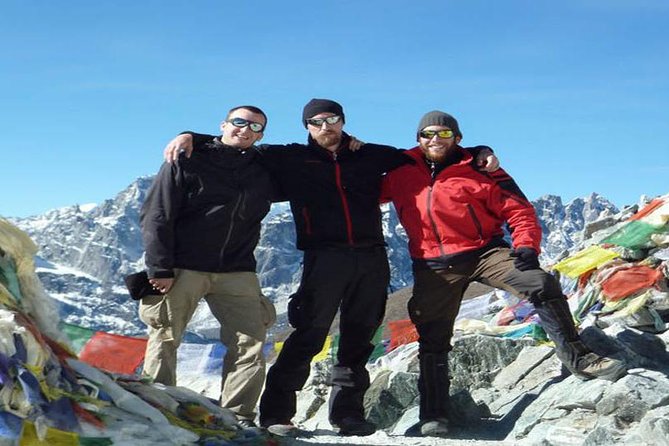
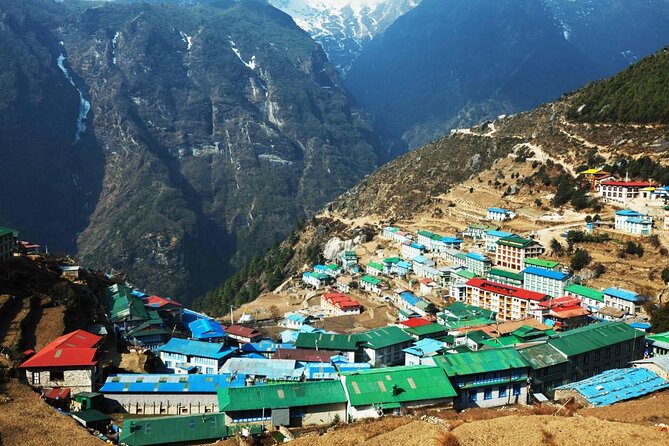
Your early trekking days move from Phakding to Namche Bazaar, with Namche getting its own acclimatization day later. Even before that second-day stop, you’ll feel the change. The air and the pace force you to pay attention to how you’re breathing. The route passes through places where you start seeing Sherpa settlements, and you’ll also notice the mix of practical trekking reality with cultural detail—prayer flags, chortens, and mani walls can show up along the way, adding meaning to the effort.
The big attraction of Namche is that it’s more than a “sleeping stop.” It’s where you can start to understand daily high-mountain life: the trail network, the community rhythm, and the fact that this trek is both nature and culture. The drawback is simple: Namche isn’t a rest day forever. It’s a checkpoint that prepares you for what’s coming next, so you should use your energy wisely.
Your Acclimatization Days in Namche and Dingboche
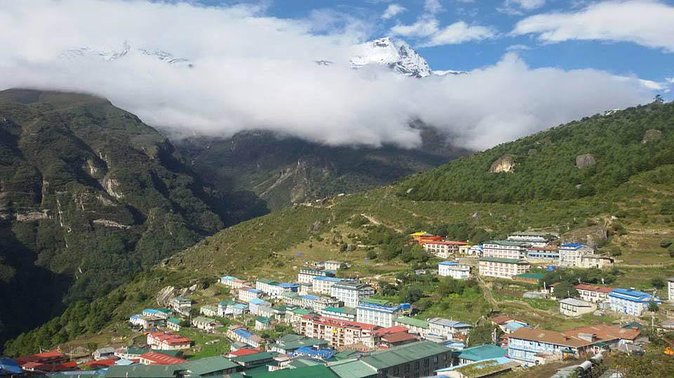
The plan includes two acclimatization points, one at Namche Bazaar and another at Dingboche. This is one of the strongest reasons I like this trek setup. You’re not just pushing upward every day; you get built-in time to let your body adjust.
Why that matters for you: at altitude, progress doesn’t feel linear. You can feel okay in the morning and then feel it later. Acclimatization days help reduce the chance that you have to play catch-up with your schedule. It also makes the trek feel less like a fight and more like a managed climb.
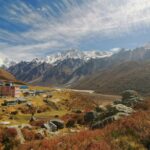
In the bigger picture, these pauses also make the trek more enjoyable. You get time to look around—Buddhist details like monasteries and painted prayer flags, plus the scenery that shifts between rocky trails, forested stretches, and glacial-world scenery. You don’t have to rush past it all just to reach the next bed.
Tengboche to Dingboche: Forest Walking and Mountain-Serious Days
After Namche Bazaar, the trek continues to Tengboche and then on to Dingboche. This is where the walking starts to feel more “mountain trek” than “scenic hike.” The route description points to dense fir and pine forests, rocky trails, and cool weather that can change fast. That’s good news if you like real hiking conditions rather than flat sightseeing.
Then Dingboche comes with its own acclimatization day. So even though the trek days leading in can feel demanding, Dingboche gives you room to slow down and recover. This matters for two reasons. First, it helps your body. Second, it helps your mind. When you’re already tired, the best view in the world doesn’t help if you’re too exhausted to notice it.
Use the downtime to do the boring-but-smart things: take your time on breathing, hydrate, and stick to the pace your guide sets. That’s not “extra.” It’s the trek.
Lobuche to Gorakshep and Out to Everest Base Camp
This is the part people talk about, and it deserves respect. You trek from Dingboche to Lobuche, then continue to Everest Base Camp via Gorakshep, with a return to Gorakshep the same day. In other words, you’re doing a high-payoff push but also managing energy for the day after.
A realistic way to think about this section: it’s where endurance matters. You’ll want to keep your rhythm steady and avoid the urge to sprint because excitement can trick you. Also, remember the package gives you lodge/guest house stays with three meals daily, so you don’t need to improvise your food plan when you’re tired. Still, alcohol and drinks are not included, so plan on water and meals only if that’s what your budget expects.
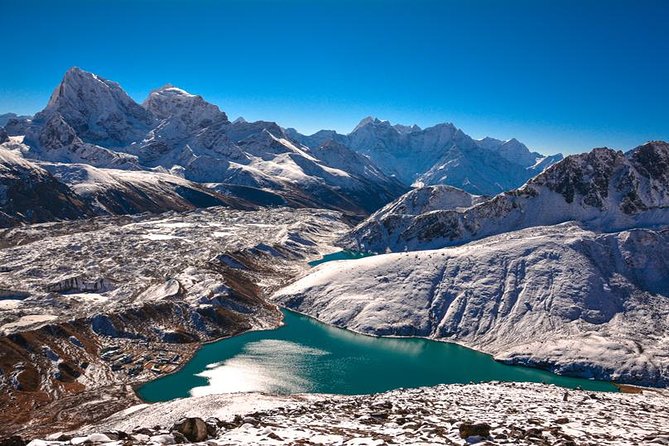
The scenery described for the trek includes emerald glaciers and rocky high routes. Even if conditions make everything feel more practical than poetic, you’ll still get that sense of scale. Base camp country is dramatic in a way that doesn’t require extra storytelling.
Kala Patthar and Pheriche: The Big View Moment and the Descent Rhythm
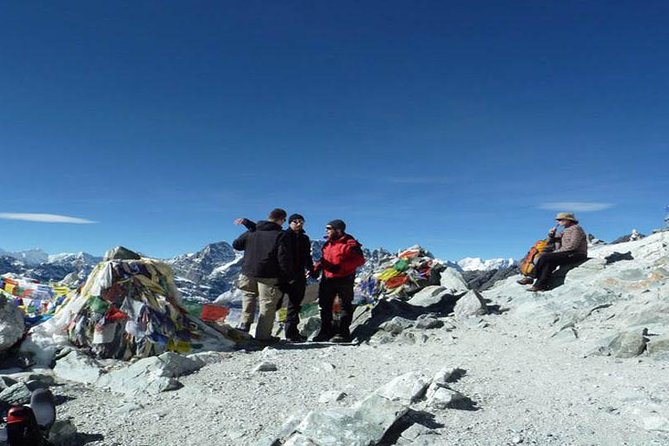
After your Base Camp day, you’ll move from Gorakshep to Kala Patthar, then trek onward to Pheriche. This is a classic combo in the overall experience: one final push upward, then a return toward more livable altitude.
From there, the trail heads back down toward Namche Bazaar via Phakding and Lukla, ending with the flight back to Kathmandu. The key thing I like here is that the trek doesn’t end with exhaustion in the same way it starts. Instead, you’re given a clear winding-down sequence.
Pheriche to Namche means you’ll keep feeling the altitude changes, but you’ll also start seeing the mountain life you already recognized in earlier villages. It can feel like déjà vu, but in a good way. You’re not meeting the mountains for the first time now—you’re getting to know them.
Meals, Lodges, and the Pace Your Body Will Appreciate
During the trek, lodge/guest house stays include 11 breakfasts, 11 lunches, and 11 dinners, for a total of three meals most days. That’s a big deal on a trek like this because you’re not only paying attention to calories—you’re paying attention to timing. When meals are handled, you can focus on hiking and sleep.
Food variety can be one of the quiet joys of the Everest Base Camp route. The trek description calls out different tastes of food, and that often means you’ll be eating hearty, familiar mountain trekking staples instead of searching for options every day. Also, a vegetarian option is available if you request it at booking, which is essential on long remote days.
Your group pace will be set by your guide and your physical rhythm. The experience is private to your group, but that doesn’t mean “no structure.” You’ll still hike day-by-day and you’ll still want to treat each day as part of the overall climb-and-recover pattern. If you try to turn every day into a personal record attempt, the altitude will eventually collect payment.
Your Guide Team: The Kind of Support That Prevents Mistakes
A standout theme from a previous group experience is how much time the guide team put into preparation. In one example, guides such as Hari, Ongchhu, and Nima handled a lengthy Q and A and met with the group for nearly two hours to go through a checklist before the trek. That’s the kind of attention that changes how you feel on Day 1.
Here’s what that checklist support tends to do for you:
- It reduces the chance you forget key gear.
- It helps you understand how to respond to altitude and cold.
- It lowers stress because you don’t have to second-guess what comes next.
Guides and their expenses, plus salary and insurance, are included. That doesn’t mean you’re off the hook for preparation, but it does mean you’re not traveling alone into a complex environment.
Weather, Clothing, and Why All-Weather Operation Still Needs Your Help
The trek operates in all weather conditions, so you should dress appropriately. That sentence looks simple, but it affects everything. Cold can slow you down. Wind can drain you. If you’re underprepared, your body uses energy just to stay comfortable.
The practical approach is simple: dress in layers, expect cool mountain temperatures, and plan for conditions to shift. The trek description also mentions cool weather and rocky trails, so having footwear and clothing that handle uneven ground matters. You’ll feel much better if you’re not constantly adjusting your gear on the move.
And yes, you’ll be tempted to treat every day as a single weather snapshot. Don’t. Think in layers and be ready to adapt.
Who Should Book This Trek (and Who Should Pause)
This Everest Base Camp trek is a strong fit if you want a guided adventure with real logistics handled: flights, permits, taxes, lodge stays, and daily meals. The moderate fitness requirement is also a clue. You don’t need to be an ultra-athlete, but you should be comfortable hiking day after day and handling altitude steadily.
It’s especially good for travelers who value:
- Structured acclimatization rather than a hard push every day
- Cultural moments tied to monasteries, chortens, mani walls, and prayer flags
- A guide who helps you get your gear and mindset right before you start
You might want to think twice if you hate early starts, don’t like committing to long walking days, or aren’t ready to budget extra items like trekking insurance and tips. Also, if you’re expecting lots of luxury time in Kathmandu as part of this package, note that Kathmandu hotel and meals are not included, so you’ll need your own plan there.
Should You Book Everest Base Camp With This Package?
I’d say yes if you want fewer moving parts and more time for the trail. The price includes the big-ticket items that often derail DIY planning: Lukla flights, permits/taxes, a trekking guide with expenses handled, and lodge stays with three meals daily. That’s a solid value setup for people who want to focus on walking and acclimatizing rather than managing logistics.
I’d hesitate only if you’re not prepared for altitude pacing, don’t have a trekking insurance plan, or you rely on drinks and extras that aren’t included. For most hikers with moderate fitness and a sensible budget, this is the kind of package that makes the trek feel manageable and even fun—without losing the real Himalayan spirit.
FAQ
Where is the meeting point and what time does the trek start?
The trek meets at Tribhuvan Airport in Kathmandu, Nepal, with a start time of 6:00 am.
Are Kathmandu–Lukla–Kathmandu flights included?
Yes. Both way flight tickets Kathmandu–Lukla–Kathmandu are included.
What meals are included during the trek?
Lodge/guest house stays during the trek include three meals a day (with 11 breakfasts, 11 lunches, and 11 dinners).
Are airport transfers included?
Yes. Airport pickups and drops in a private vehicle are included.
Is travel insurance included?
No. Travel insurance for trekking is not included, so you’ll need to arrange it separately.
Is there a vegetarian option?
Yes. A vegetarian option is available if you advise the operator at the time of booking.
Can I cancel and get a full refund?
Yes. Free cancellation is available, and you can cancel up to 24 hours in advance for a full refund.