REVIEW · KATHMANDU
Annapurna Base Camp Trek -13 Days
Book on Viator →Operated by Himalayan Adventure Treks and Tours Pvt Ltd · Bookable on Viator
Annapurna Base Camp feels simpler here. This private 13-day trek lines up Kathmandu + Pokhara hotels, all trek meals and tea-house lodging, plus permits and land transfers—so you can spend your energy on the trail instead of logistics. The one thing to keep real: it still includes stair-heavy climbs and long walking days, so you’ll want a moderate fitness base before you go.
I also like the human side of this trip. In past treks with Himalayan Adventure Treks & Tours, guides such as Prakash and Bharat Simkada (and porters like Surman and Urken Sherpa) have been praised for staying helpful and safety-minded, which matters when you’re trekking in crowded villages and changing mountain weather. You’ll be walking with an experienced guide and a porter team (listed as 1 porter for 2 clients), which helps the trek feel personal and not like a cattle line.
In This Review
- Key reasons this ABC trek works well
- Kathmandu and Pokhara: set up for success, not stress
- Day 3 and 4: Ulleri stairs, Magar villages, and first big mountain sightings
- Poon Hill sunrise day (Day 5): where the trek turns into a memory
- Chhomrong (Days 6–7): the village of warm food and the reality of trail stairs
- Approaching Annapurna Base Camp (Days 8–9): views at altitude, then a controlled descent
- Bamboo to Jhinudanda and the Modi Khola hot springs (Days 10): the recovery day you’ll crave
- Back toward lower Nepal: waterfalls, terraces, and the cable car day (Days 11–12)
- Day 13: airport transfer with a buffer
- Price and logistics: what $1,200 buys you (and what it doesn’t)
- Who should book this Annapurna Base Camp trek?
- Practical tips before you go (based on what the route demands)
- Should you book this ABC trek?
- FAQ
- What’s included during the Annapurna Base Camp trek?
- Are airport and hotel transfers provided?
- What are the accommodation plans before and after the trek?
- Is vegetarian food available?
- How physically demanding is this trek?
- Can I cancel for a full refund?
Key reasons this ABC trek works well
- Private group feel with only your group participating, plus guide and porter support
- Meals + tea-house stays included, so you don’t have to plan every stop
- Acclimatization built in, with a sunrise day at Poon Hill before the steep push toward ABC
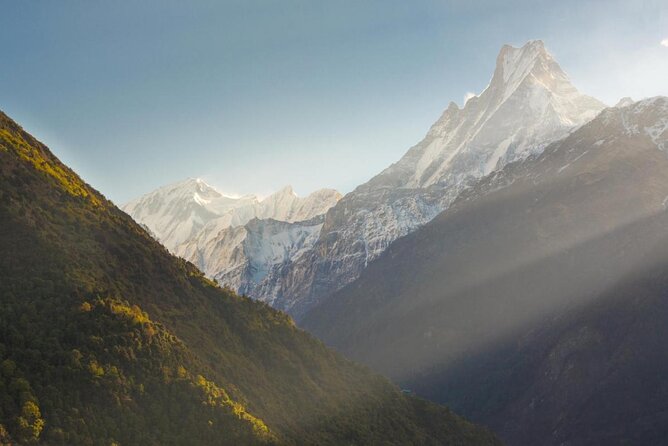
- Big views at multiple altitudes, from Pokhara valley to Chhomrong to 4,170m Annapurna Base Camp
- Hot spring recovery on the Modi Khola route after the long mountain days
- Permits handled with TIMS and ACAP included, which saves time and paperwork
Kathmandu and Pokhara: set up for success, not stress
Your trip starts in Kathmandu with an airport pickup and private transfer to a hotel, and you get a first evening to meet your trek group. That matters because ABC treks often feel like a scramble—this one builds in a calm buffer so you’re not trying to figure things out the moment you land.
Then you ride to Pokhara, where the pace slows further. You’ll have time for an evening walk around Fewa Lake, and the city is a good staging ground for what comes next: mountain views and a steady rhythm of local life. Pokhara is also where you’ll mentally shift from city time to trek time. You’re not just traveling—you’re prepping.
What to watch for: the itinerary includes driving days before you start walking seriously. Plan to arrive with enough rest that you can start trekking with your legs working, not just your willpower.
You can also read our reviews of more tours and experiences in Kathmandu.
Day 3 and 4: Ulleri stairs, Magar villages, and first big mountain sightings
After an early drive to Nayapul, your trekking starts at the lower elevations (around 1,050m). You’ll head toward Tikhedhunga and Ulleri routes, then climb up toward the villages on the ridge. This is your “wake up and start walking” phase—steady uphill effort, not technical hiking.
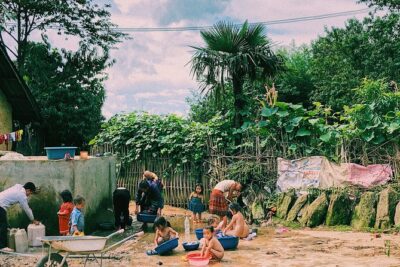
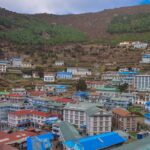
On Day 4, the trail ramps up with a steep ascent for the first couple of hours. After that, you pass through Magar villages (Ulleri and Banthati are specifically mentioned), which gives you more than just scenery. You’ll be surrounded by normal village life—people moving through their day while you do your own slow-motion uphill.
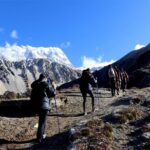
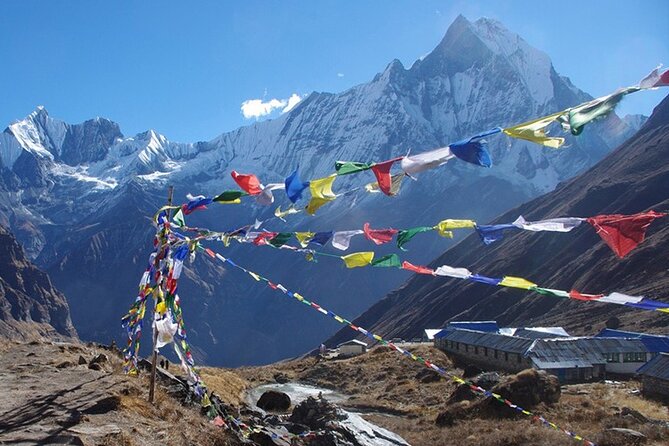
The payoff is the mountain scenery. On these days you get clear views of huge names like Machhapuchhare (Fish Tail), Himchuli, and Annapurna South. It’s the kind of first “wow” that makes the later days feel worth it.
Possible drawback: early stairs and uphill can be tough if you show up undertrained. If you’re the type who wants to be comfortable on day one, do some pre-trip walking or use trekking poles to reduce strain.
Poon Hill sunrise day (Day 5): where the trek turns into a memory
Day 5 is an early morning hike to Poon Hill (3,210m) for sunrise. This is one of the best value parts of the whole plan because you get high-altitude views without pushing all the way to Base Camp yet. In other words, it’s a reward day and a useful acclimatization step.
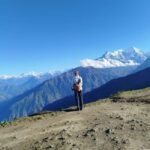
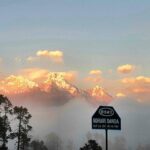
From Poon Hill, the sunrise is timed to reveal a spread of major peaks—Dhaulagiri, Annapurna I and II, Annapurna South, Machhapuchhare, Lamjung Himal, and more. Even if clouds spoil any one view, the effort still pays off because you’re moving through colder air with changing light across the ridgelines.
The practical win: you’re not hiking blindly to a single destination. You’re getting a planned highlight, and after it you have the rest of the trek to follow.
What to expect: it’s early and chilly. Bring warm layers you can actually hike in, not just stand around in.
Chhomrong (Days 6–7): the village of warm food and the reality of trail stairs
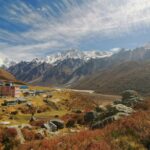
Day 6 takes you from Tadapani to Chhomrong, a hike that’s described as about 5–6 hours over varied terrain. Chhomrong is a major stop on ABC treks because it’s perched under the Annapurna range and feels like a base camp of its own. This is where the trail starts to feel more “mountain trek” than “walk in the woods.”
The notes include lush forest segments and village passes, and they specifically call out Chhomrong as a popular area for Gorkhas. You’ll also hear the practical local-food angle: pizza is mentioned as an option for dinner. That’s the kind of small thing that can rescue your mood on a long day.
Day 7 continues the rhythm. Leaving Chhomrong, you descend a long stone staircase, cross rocky sections, and reach areas like Sinuwa and Himalaya. There’s a safety heads-up too: stinging nettles are mentioned on the rocky trail segment. You’ll want to use proper pants or long socks and not treat the vegetation like a light inconvenience.
What to watch for: these sections mix steep descents and rocky ground. Even if you’re strong uphill, your knees will feel it on the way down. Take your time—this is not a race.
Approaching Annapurna Base Camp (Days 8–9): views at altitude, then a controlled descent
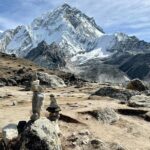
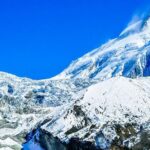
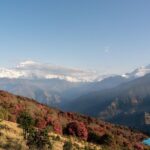
By Day 8, you’re moving through alpine forest toward Annapurna Base Camp (around 4,170m). The route is described as giving panoramic views of several peaks, with big names repeatedly showing up—Annapurna South and Annapurna I are called out along with others. This is where the “approach” feels like the journey is already happening, not just the final destination.
Day 9 starts with a sunrise view from the Annapurna ranges, then breakfast at Base Camp. After that, you start walking down to Bamboo, which is about a 5–6 hour descent. The key here is pacing: you’re not lingering too long at the exact highest point. You’re getting your moment, eating, and then letting your body transition back down.
This is also a good mental structure for you if you’re nervous about high altitude. You reach ABC, you check the view box, then you move downward. That’s a smart pattern for comfort.
Practical note: don’t underestimate how cold and windy Base Camp can feel, even when you’re not on a steep exposed section. Warm layers stay worth it.
Bamboo to Jhinudanda and the Modi Khola hot springs (Days 10): the recovery day you’ll crave
Day 10 is a longer “legs down, body up” mix. You’ll descend gradually through rhododendron, oak, and bamboo areas, then deal with a steep uphill to Kuldi Ghar. After that you level out toward Sinuwa, then continue down through Chhomrong Khola and a staircase section that leads to Jhinudanda.
What makes this day special isn’t only the hiking—it’s the reward at the end. From Jhinudanda, you walk down briefly to reach hot spring waters by the Modi Khola. After days of stairwork and cold air, soaking your feet and relaxing your muscles is a very real quality-of-life upgrade.
Possible consideration: even on “recovery” days, your schedule still includes steep sections and stone stair descending. Hot springs help, but they don’t replace good pacing and hydration.
Back toward lower Nepal: waterfalls, terraces, and the cable car day (Days 11–12)
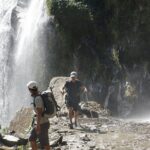
Day 11 shifts to a different kind of scenery: waterfall views during the descent, then gentler ascents across terraces and streams. You’ll walk toward Birethanti (around 1,025m), passing through forest and following the Modi River corridor.
This is the stretch where you’ll start to feel the trek change from high-altitude movement to river-valley walking. If you’ve got lingering soreness, the terrain can feel easier—until you remember there are still hours on your feet.
Day 12 brings a cultural travel day with Nepal’s first cable car connection to the Manakamana Temple (the itinerary includes Muglin, Kurintar, and Damauli/Dumre routes as you head up toward the gateway town of Kathmandu through Thankot). It’s a nice break from trekking terrain, and it lets you shift into sightseeing mode without feeling like you’re just sitting on a bus.
The evening ends with a farewell dinner at an authentic Nepalese restaurant, plus a cultural performance.
What to watch for: this day includes both transport and a specific attraction, so your energy planning matters. Save snacks, keep water in reach, and pace yourself.
Day 13: airport transfer with a buffer
On the final day, you’ll be taken to the airport about 3 hours before your flight. That’s a simple detail, but it’s a big deal. In Kathmandu, traffic and last-minute needs can mess with timing, so having this buffer reduces stress.
You’ll also have time afterward to plan your next stop in Nepal. And honestly, Annapurna tends to do that—once you’ve done Base Camp, you start noticing other routes and wondering what else you could tackle.
Price and logistics: what $1,200 buys you (and what it doesn’t)
At $1,200 per person for 13 days, the price is easiest to judge by what you’re not paying separately. This package covers:
- Airport pickup and private transfers
- Two nights 3-star hotels in Kathmandu and two nights in Pokhara (with breakfast)
- TIMS and ACAP permit handling
- All lodge/tea house accommodations during the trek
- All meals during trekking (with listed breakfasts/lunches/dinners)
- An experienced guide and porter support (listed as 1 porter for 2 clients)
- Duffle bag return after the trek
- Farewell dinner with cultural performance
- Rescue arrangement and a first-aid kit/medical supplies
That’s a lot of “admin weight” taken off your plate. For most people, that’s the real value: you’re paying for smooth transitions and fewer decisions on the ground.
What’s not included is also clear, and you should plan for it:
- Nepal visa fee
- International flights to and from Kathmandu
- Travel and rescue insurance
- Personal expenses (phone calls, laundry, shower-related items, bottle/boiled water, battery recharge, and similar costs)
- Tips for guide and porter
My take on value: if you want a private, structured ABC trek where permits, meals, and lodging are handled for you, this price feels reasonable. If you already planned to book most services yourself and you don’t care about guided support, you might find cheaper options—but you’d likely trade away the “I can focus on walking” feel.
Who should book this Annapurna Base Camp trek?
This is a good fit if you want:
- A private group experience with guide and porter support
- A structured plan with acclimatization built in (Poon Hill sunrise day before ABC)
- Included permits, meals, and tea-house lodging
- A real recovery moment (hot springs on the Modi Khola route)
It may feel less ideal if:
- You’re very sensitive to cold mornings (you’ll do an early climb to Poon Hill)
- You need a trek with minimal stairwork—this route includes long stone stair segments
- You’re expecting luxury lodges. Tea houses are practical, not fancy, and you’ll be outside in mountain conditions most days
If you’re doing ABC for the first time, the pacing and frequent high-view moments make it easier to stay motivated on tougher days.
Practical tips before you go (based on what the route demands)
Because the itinerary repeatedly references steep stone stairs, alpine forest sections, and high points like Poon Hill and Base Camp, plan your gear and mindset around discomfort management:
- Use trekking poles if you have knee concerns; they help on descents.
- Bring warm layers for sunrise and Base Camp mornings, plus a rain layer you’re comfortable using.
- Consider long pants or sock coverage. Nettles are specifically mentioned near the Chhomrong-to-Sinuwa segment.
- Expect a “tea-house rhythm”: you’ll eat, walk, repeat. Keep snacks and water habits steady, even when the day feels long.
- Plan to tip your guide and porter at the end. It’s listed as not included.
Also, check your diet needs at booking. The tour data says vegetarian options are available if you request them.
Should you book this ABC trek?
If your priority is a well-run, private Annapurna Base Camp trek with permits handled, tea-house lodging and meals included, and a guide/porter team that keeps things safe and organized, I’d book this kind of package. The route is built with view highlights (Poon Hill and multiple mountain panoramas) and gives you a recovery break at the hot springs, which is the kind of balance you want on a 13-day trek.
I’d only hesitate if you’re not ready for long uphill/downhill days or you want totally customizable lodging and meals. In this plan, the structure is the product. If that sounds good to you, this is a strong way to do ABC without carrying the logistics burden on your back.
FAQ
What’s included during the Annapurna Base Camp trek?
Meals during trekking are included (breakfast, lunch, and dinner), along with tea-house/lodge accommodations. You also get TIMS and the ACAP permit, an experienced guide, and porter support (1 porter for 2 clients), plus a duffle bag return after the trek. Rescue arrangement and medical supplies (first aid kit) are also included.
Are airport and hotel transfers provided?
Yes. The package includes pickup from Tribhuvan International Airport and private vehicle transfers to your Kathmandu hotel, plus transport during the itinerary (including transfers around Pokhara and back toward Kathmandu).
What are the accommodation plans before and after the trek?
You stay for two nights in 3-star hotels in Kathmandu and two nights in 3-star hotels in Pokhara, each with breakfast. During the trek you use lodges/tea houses as provided in the plan.
Is vegetarian food available?
Yes. Vegetarian options are available if you request them at the time of booking.
How physically demanding is this trek?
It’s described as suitable for travelers with moderate physical fitness. The route includes steep ascents and descents, plus long walking days and stone staircase sections.
Can I cancel for a full refund?
Yes. Free cancellation is available up to 24 hours in advance of the experience start time for a full refund. Canceling less than 24 hours before start time won’t be refunded.