REVIEW · MUNDUK
Munduk Jungle Trek to Banyumala & Pucak Manik – Private
Book on GetYourGuide →Operated by DEWATA HOLIDAY · Bookable on GetYourGuide
Munduk’s rainforest feels like a reset button. This private trek gets you into North Bali’s cooler highlands, with guided walks through jungle, plantations, and mountain paths plus waterfall breaks that feel a world away from Ubud traffic. You’ll also get a local guide who talks plants and trails as you go, so the day isn’t just about pretty photos.
What I like most is the chance to see Pucak Manik at a quieter pace, then continue to Banyumala for that classic waterfall-and-swim moment. The second big win is the full-day flow: hotel pickup, scenic drives, a real lunch, and a guide who keeps you moving at a comfortable but active pace. The one consideration: the hike is moderate and can get very humid and slippery, so plan for muddy shoes and uneven ground.
Key things that make this trek worth your time
- North Bali cool air: Munduk’s mountain setting helps you feel fresher for the hike.
- Two waterfall stops, different moods: one more secluded, one bigger and more swim-friendly.
- Private pace with a local guide: you’re not squeezed into a fast group stampede.
- Twin Lakes viewpoints: you’ll look out over the hills and water as you walk.
- Practical meal break: lunch is included, so you’re not hunting for food mid-trek.
In This Review
- Why Munduk Jungle Trek Beats the Usual Bali Waterfall Run
- The Day Starts With Highland Pickup and a Walk That Builds Momentum
- Wanagiri Pucak Manik Waterfall: quiet time and easy-to-enjoy views
- Jalan Tirta Kuning and the Trail Connectors That Make the Hike Feel Local
- Banyumala Twin Waterfalls: Photo Stop, Walk-Down, and the Pool Under the Falls
- The swim reality: bring your mindset (and gear)
- The Private Guide Factor: Plants, Pace, and Better Photos
- What guides tend to focus on
- Names you might meet
- Lunch at De Koffie and How to Fuel for Humid Trails
- Timing, Terrain, and What to Pack (So You Don’t Regret It)
- The terrain is uneven—plan accordingly
- What to bring (use this list like a checklist)
- Safety and comfort notes
- Price and Value: What About $33 Covers
- Who This Trek Is Perfect For (and Who Should Pass)
- Should You Book This Munduk Jungle Trek?
- FAQ
- How long is the Munduk jungle trek?
- Is this a private tour?
- Which waterfalls do you visit?
- Can I swim at the waterfalls?
- What’s included in the price?
- What’s not included?
- What’s the walking difficulty like?
- Do I need to bring anything specific?
- Is it wheelchair accessible?
Why Munduk Jungle Trek Beats the Usual Bali Waterfall Run
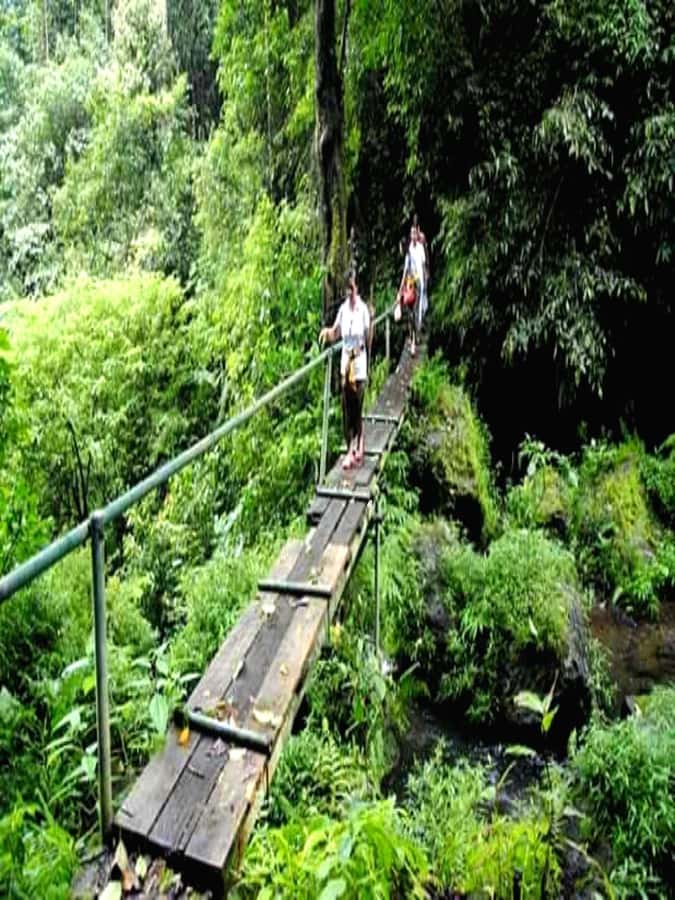
If you’ve done Bali’s central waterfall circuit, you already know the pattern: arrive, fight for a photo spot, walk back out, repeat. Munduk changes that rhythm. It’s in North Bali, higher up in the hills, where the air tends to feel cooler and the vegetation stays thick and green. The result is a day that feels like you’re moving through a real rainforest system, not just passing a few scenic checkpoints.
This is also a private experience. That matters more than it sounds. With fewer people around, waterfall pools can feel calmer, and you can actually pause for photos without feeling like you’re cutting in line. Plus, your guide can adjust pacing on muddy sections and help you read the terrain as you go.
You’re hiking through a mix of surfaces—forest paths, plantation areas, natural stone steps. That variety keeps the day from feeling monotonous and gives your legs different kinds of work. Think “active nature walk,” not “sit on a bus and look at waterfalls from the road.”
The Day Starts With Highland Pickup and a Walk That Builds Momentum
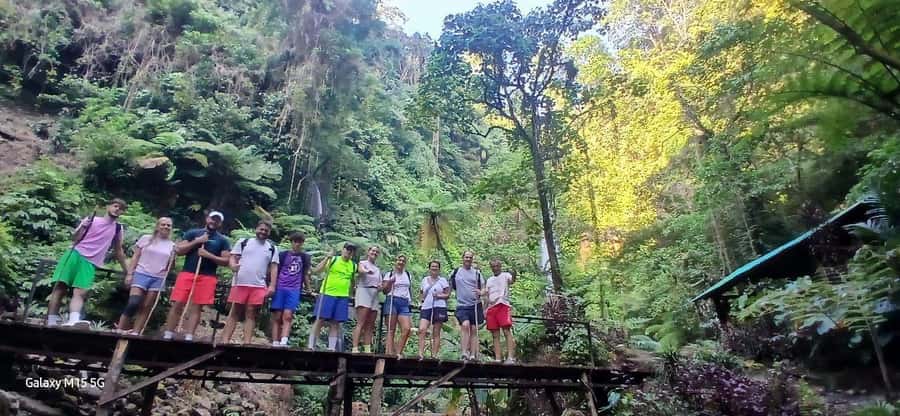
Most people underestimate the value of the first hour. It’s not just transit—it’s the warm-up into the world you came for.
Your day begins with hotel pickup and a scenic drive into the mountain region around Munduk and Wanagiri. Once you’re on foot, the route starts with a short visit around Wanagiri Pucak Manik Waterfall. You get time to take photos and enjoy the guided overview, then you continue with brief walking segments that connect the viewpoints and trail sections. This stage is where you settle into the rhythm: short stops for scenery, then moving along jungle edges and footpaths.
You can also read our reviews of more tours and experiences in Munduk.
Wanagiri Pucak Manik Waterfall: quiet time and easy-to-enjoy views
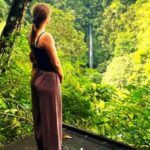
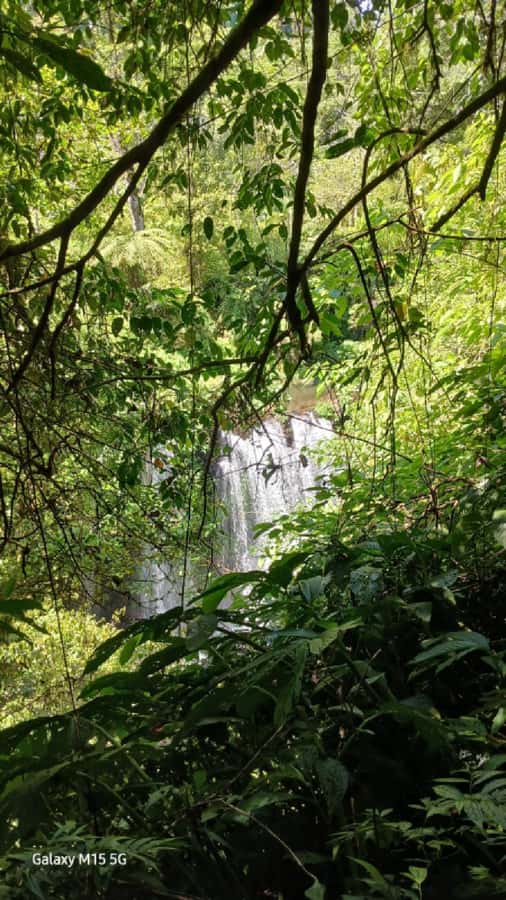
Pucak Manik is the first waterfall stop, and it’s the one that tends to feel more secluded. You’re not just “seeing” it—you’re taking in the setting. The guide’s job here isn’t only pointing at the water. You’ll get explanations about what you’re passing—plants, herbs, scents, and things to avoid in the forest. It’s the kind of information that makes your walk feel smarter, not slower.
There’s also a practical side. Early in the trek, you’re still fresh. That makes it easier to enjoy the walk down and the viewing area without feeling rushed.
A small reality check: waterfalls in this region can mean wet ground. Even before you reach Banyumala, you’ll want to be ready for moisture underfoot and for occasional sticky mud on paths.
Jalan Tirta Kuning and the Trail Connectors That Make the Hike Feel Local
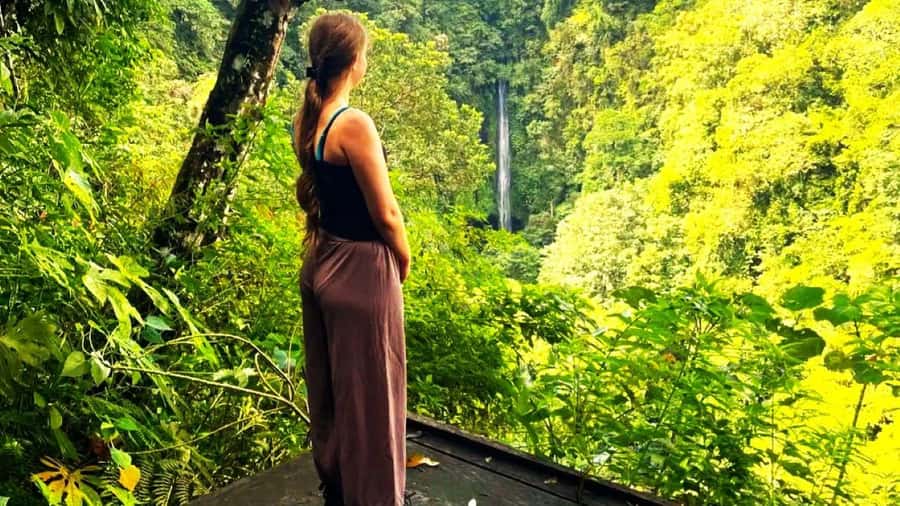
Between the big waterfall moments, the route includes stops that don’t always make it into the fastest waterfall-only tours.
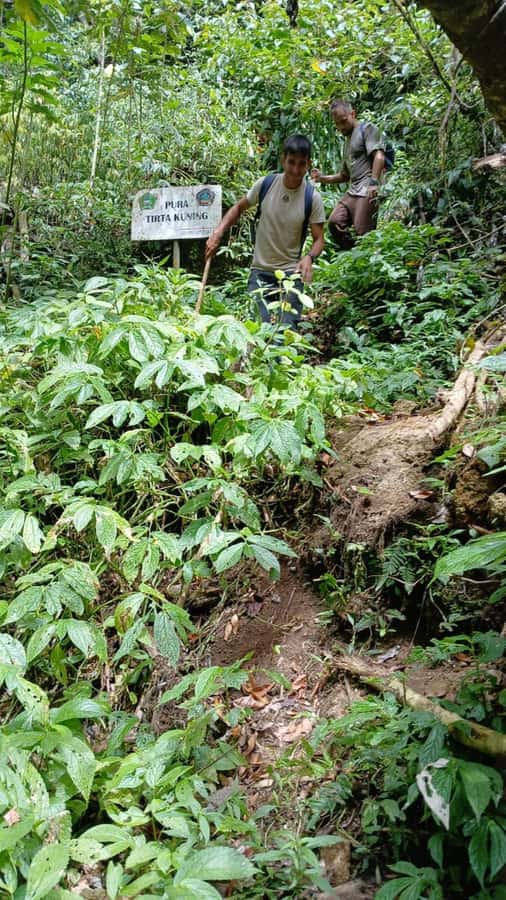
One of those is Jalan Tirta Kuning, where you’ll have another photo-and-view break with a guided walk. It’s not just a scenic rest stop. This part of the day helps you understand the way trails, fields, and village-adjacent paths connect to the forest. You’ll keep learning while you walk—how plantations and rainforest meet, why certain plants grow where they do, and what to watch for in the undergrowth.
Then you shift back onto the main walking sections. These connectors matter because they prevent the day from feeling like a series of abrupt jumps. You gradually earn the waterfall payoffs, and by the time you reach Banyumala, your body has already warmed up to the terrain.
Banyumala Twin Waterfalls: Photo Stop, Walk-Down, and the Pool Under the Falls
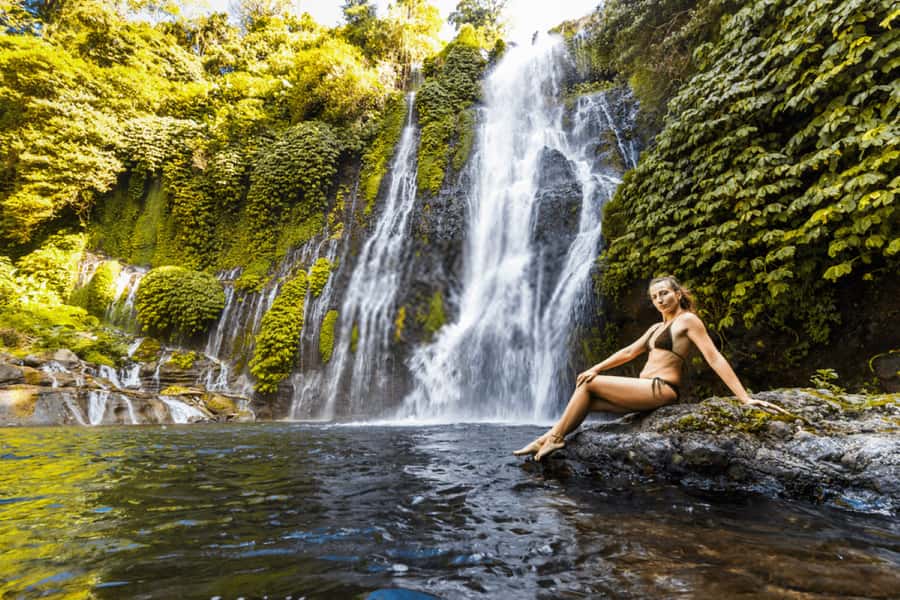
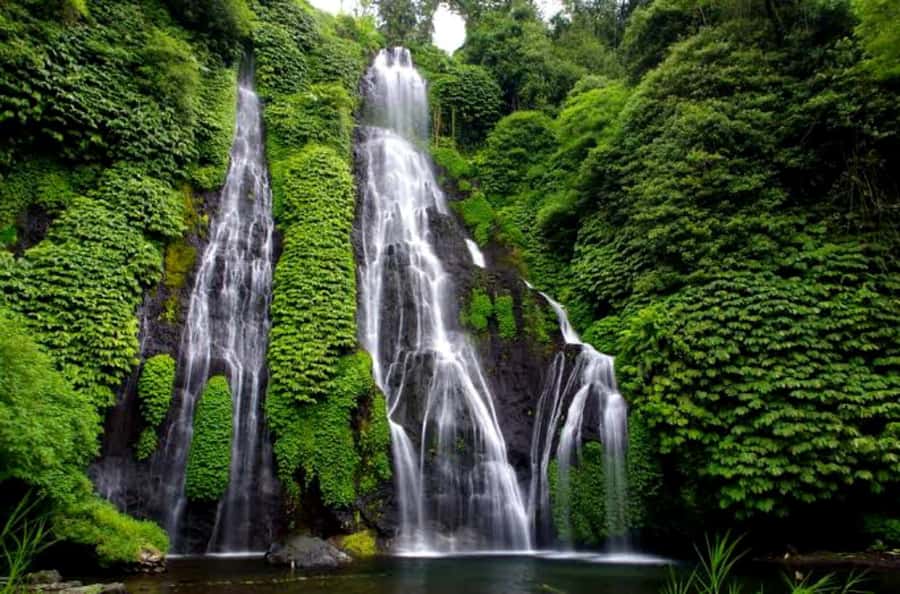
Now we’re into the highlight most people remember: Banyumala Twin Waterfalls.
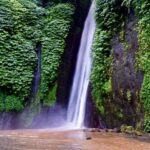
This stop is where the day gives you both “wow” and “hands-on.” You’ll spend about an hour here, with time for photos, guided explanation, and a hike through the area to the waterfall viewpoints and access points. The day is designed so you can relax, not just rush through. And yes, the big draw is the pool: you’ll have a chance to swim in the clear natural pool beneath the falls.
That pool time is exactly why this trek is worth choosing over a quick photo tour. Swimming here isn’t a random add-on. It’s part of the experience: you walk into the setting, you cool off in the water, and you come out feeling like you actually did something, not just stopped for ten minutes.
The swim reality: bring your mindset (and gear)
Even if you’re planning to swim, don’t expect it to be effortless. Waterfalls mean slippery rocks and wet steps. If you’re wearing grippy hiking shoes, you’re already ahead.
Also, bring a change of clothes. Water plus humidity makes everything feel damp for hours, even after you leave the pool area. A small swap later in the day keeps you comfortable.
The Private Guide Factor: Plants, Pace, and Better Photos
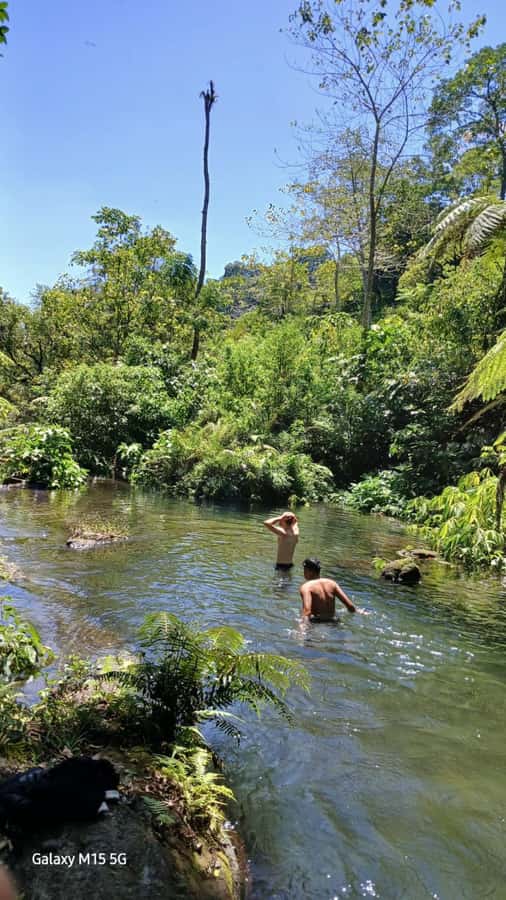
The hike is built around a professional local trekking guide, and that changes the day in three concrete ways: information, pacing, and your overall confidence.
What guides tend to focus on
You’ll get safety briefings before you get into the more uneven areas. During the walk, guides often share details about the local forest—plants, fruits, and herbs, plus which things you should not handle. One of the standout themes is learning about scents and useful forest knowledge as you move through the jungle.
In addition, guides help you read trail conditions. On a humid day with wet stone steps, that matters. It’s not dramatic, but it reduces the “I’m not sure where to put my foot” stress.
Names you might meet
Different guides lead different days, but you could be with locals such as Krisna, Putra, Adi, or Made. People consistently report they’re friendly, genuinely interested in the forest, and good at keeping solo travelers comfortable. Guides also tend to take photos for you, so you’re not stuck begging strangers or balancing your phone in the rain.
Lunch at De Koffie and How to Fuel for Humid Trails
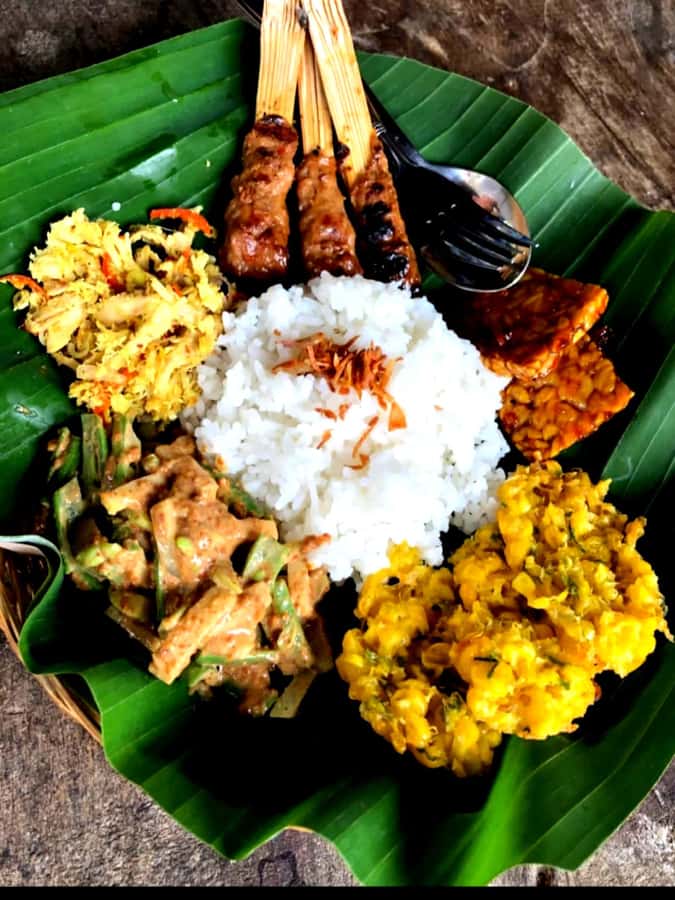
Food matters on a jungle trek. If lunch is just snacks, you end up dragging at the wrong time. Here, you get an authentic lunch during the break at De Koffie – Wanagiri. The break is long enough—about 75 minutes—that you can eat properly, rest, and reset your feet.
Even better, lunch is included, plus you get mineral water. That sounds small, but it’s one less decision you need to make while you’re already thinking about shoes, rain gear, and getting through wet sections.
What to expect from the lunch itself: it’s positioned as a local Indonesian meal, and guests mention it being delicious. I treat that as an indicator that the break is meant to be part of the experience, not just a box-check.
Timing, Terrain, and What to Pack (So You Don’t Regret It)
This is a 6–8 hour outing including pickup, transit, the walking sections, waterfall time, and lunch. The exact timing varies, but you should plan your day with the understanding that this is not a quick half-day stroll.
The terrain is uneven—plan accordingly
The trek is listed as moderate. You’ll need to walk on uneven terrain for extended periods. That’s a fancy way of saying: there will be roots, stone steps, and changes in footing that require attention.
It’s also humid. Even on cooler highland days, the jungle environment makes everything feel damp. This is why you’ll want to bring the basics and not rely on “I’ll figure it out there.”
What to bring (use this list like a checklist)
- Comfortable shoes with decent grip
- Change of clothes
- Camera (and a way to protect it from splash and mist)
- Jacket
- Rain gear
- Insect repellent
- Long pants
If you’re tempted to wear “nice shoes,” resist. Your shoes will likely come back looking like they survived a small muddy expedition.
Safety and comfort notes
The tour includes a safety briefing. Still, you should take it seriously: you’ll be walking on wet, uneven ground. And if you’re sensitive to humidity or have medical limitations, don’t guess. If you have heart problems, back issues, or other conditions that could be affected by physical activity, this isn’t a fit.
And one accessibility note that matters: it’s not suitable for wheelchair users.
Price and Value: What About $33 Covers
At $33 per person for a 6–8 hour private guided trek, the value is mainly in what’s included.
You get:
- Hotel pickup and drop-off (within the selected coverage area)
- Admission tickets
- Mineral water
- A professional local trekking guide
- An authentic lunch
- A private group setting
That combination is the big reason this doesn’t feel like a “budget hack.” Private guide + transport + admissions + lunch would usually add up fast if you were assembling it yourself. Here, the package keeps the day simple: fewer small purchases, fewer coordination headaches, and more time actually walking.
The only costs you’re expected to handle are personal expenses. And pickup/drop-off outside the coverage area may require an additional fee, so it’s smart to confirm your exact location coverage when you book.
Who This Trek Is Perfect For (and Who Should Pass)
This trek is a great match if you want North Bali nature without the crowd pressure. It’s especially good for:
- Active travelers who enjoy walking and don’t mind uneven footing
- People who want waterfalls plus time to relax at the water
- Solo travelers who want a guide-led day where they don’t feel out of place
- Anyone chasing the cooler highland air and rainforest feel
It may not be the right choice if:
- You need wheelchair access
- You prefer totally level paths
- You have medical conditions that make moderate walking unsafe
Should You Book This Munduk Jungle Trek?
I’d book it if you want a day that feels like North Bali, not just a checklist of famous waterfalls. The biggest reason: the combination of private pacing, guided rainforest walking, and the chance to actually swim at the falls. It’s built for people who like to move, learn a little, and then reward that effort with water and views.
If you’re the type who hates getting muddy or you can’t handle uneven stone steps, consider choosing an easier route. But if you can handle moderate terrain and you pack the basics—repellent, rain gear, and a change of clothes—you’ll likely come away thinking the hike part was just as good as the waterfalls.
FAQ
How long is the Munduk jungle trek?
The duration is about 6–8 hours, including transport, trekking time, waterfall stops, and lunch.
Is this a private tour?
Yes. It’s a private group experience with a professional local trekking guide.
Which waterfalls do you visit?
You visit Wanagiri Pucak Manik Waterfall and Banyumala Twin Waterfalls, with time for photos and guided exploration at both.
Can I swim at the waterfalls?
Yes. There is time planned to swim in the natural pool beneath Banyumala Waterfalls.
What’s included in the price?
The package includes hotel pickup and drop-off (for the selected option), all admission tickets, mineral water, a professional local trekking guide, and an authentic lunch.
What’s not included?
Personal expenses are not included.
What’s the walking difficulty like?
It requires a moderate level of physical fitness and includes walking on uneven terrain for extended periods.
Do I need to bring anything specific?
Bring comfortable shoes, a change of clothes, a camera, a jacket, rain gear, insect repellent, and long pants.
Is it wheelchair accessible?
No. It’s not suitable for wheelchair users. Some health conditions also make it unsuitable (including heart problems and back issues).