REVIEW · SA PA
Fansipan Trekking – 1 Day
Book on GetYourGuide →Operated by Sapa Original Trek Company Limited · Bookable on GetYourGuide
Fansipan is a big day in Sapa. You’ll hike up Vietnam’s highest peak, around 3143 m, with an English-speaking guide who keeps things clear from pickup to drop-off. What I like most is the hands-on pacing and the fact that the day is set up around real trail needs: a proper start from Tram Ton Pass, smart lunch timing, and the option to choose how you come back down.
The other standout is the human touch built into the route—your guide carries the picnic and keeps the group moving, and you even get entry details like the medal and certificate tied to the climb. The possible drawback is simple: this trek is physically hard (about 24 km round-trip, with roughly 1400–1600 m height gain) and it’s not for everyone, especially if you’re short on stamina or dealing with cold weather.
In This Review
- Key highlights worth caring about
- Trekking Fansipan: what you’re really signing up for
- Sapa pickup and the early push to Tram Ton Pass
- The climb: bamboo forest, streams, and steady uphill rhythm
- Lunch timing at about 2800 m (and what you’ll eat)
- Summit arrival around midday: views and photo moments
- Coming down: hike back or take the cable car to Sapa
- Weather on Fansipan: cold winters, mist, and quick changes
- Price and logistics: is $77 good value for this trek?
- What to bring for a 24 km day on cold, wet trails
- Who should do this one-day Fansipan trek—and who should skip it
- Should you book Fansipan Trekking – 1 Day?
- FAQ
- How long is the Fansipan trekking day?
- What distance do I hike in total?
- What is the elevation gain?
- Is an English-speaking guide provided?
- What food and drinks are included?
- What should I bring for cold or rainy weather?
- Can I take the cable car down from the summit?
- Who is this trek not suitable for?
- What if I need to cancel?
Key highlights worth caring about
- English-speaking guidance: clear directions, real trail help, and a confident leader on the mountain
- Hard hike, honest timing: about 10–12 hours of trekking, depending on your pace
- Start high at Tram Ton Pass (around 2000 m): you won’t ease into altitude slowly
- Picnic lunch at about 2800 m: food is planned, carried by the guide, and timed for the climb
- Summit around 12:00–13:00: views over Sapa and toward Vietnam–China mountain areas
- Two descent options: hike back the same way or take the cable car to Sapa (ticket paid by you)
Trekking Fansipan: what you’re really signing up for
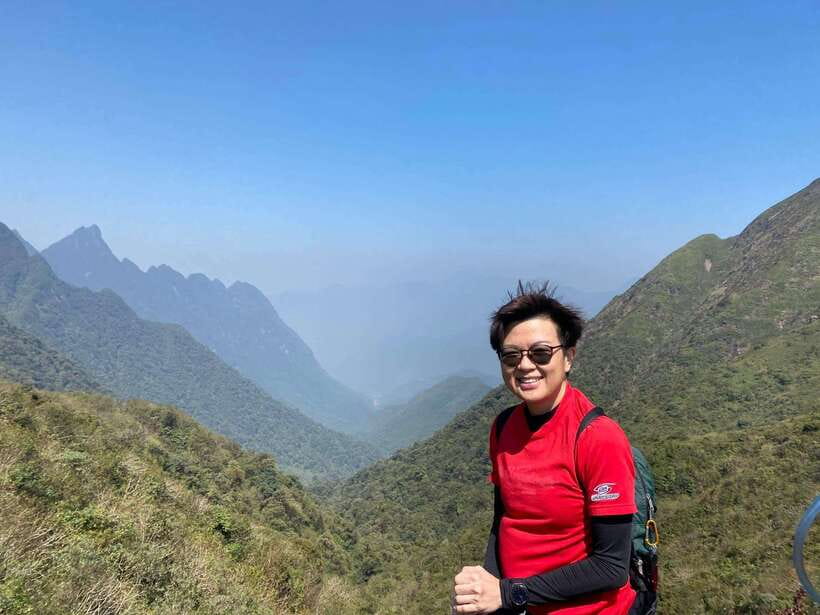
This is not a casual “walk in the woods” kind of day. It’s a full, committed trek to the highest peak in Vietnam and Indochina Peninsula—the summit sits at about 3143 m. Your total hiking distance is roughly 12 km each way (about 24 km round-trip), with total elevation gain in the 1400–1600 m range.
The schedule is designed around getting you to the top and back before dark. In practical terms, that means you’ll be moving for most of the day—think 10–12 hours of trekking—and you’ll need to stay steady with breaks. If you like long hikes with real climbs, this fits. If you want something gentle or scenic without effort, this won’t feel right.
Also note who this is built for. The tour is not suitable for children under 14, pregnant women, or people over 70. That’s not just paperwork. The route is described as very hard and difficult and the weather can turn chilly and wet quickly.
You can also read our reviews of more tours and experiences in Sa Pa.
Sapa pickup and the early push to Tram Ton Pass
The day begins with pickup from hotels around the center of Sapa town. If you’re solo, they may use a scooter for transport. The start window is typically 5:30–6:00 AM, and the goal is to reach Tram Ton Pass (around 2000 m) with enough time to hike comfortably through the morning.
Why this matters: a high starting point changes the entire feeling of the hike. Even before the steepest parts, you’re already working at altitude. Going early also helps you avoid the worst foggy or rainy stretches later in the day, especially in winter when mist can roll in.
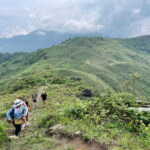
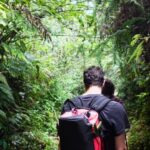
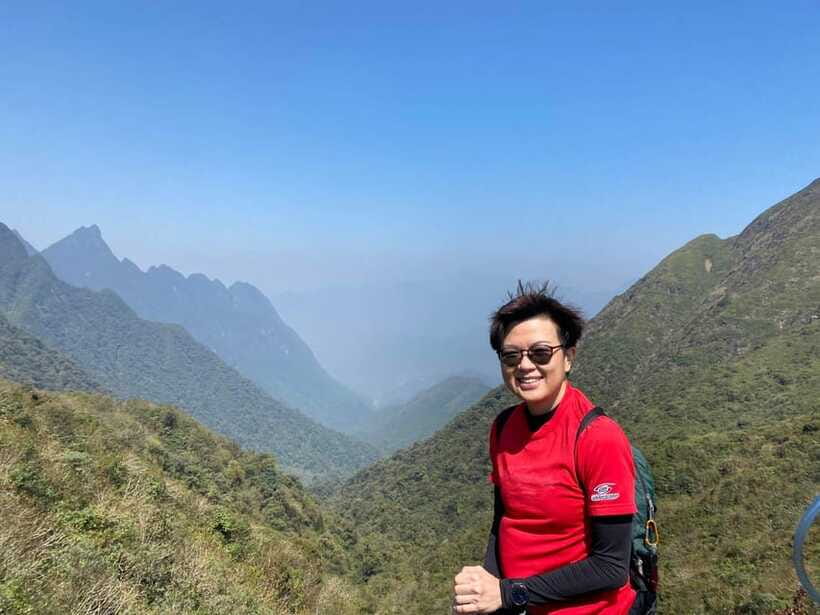
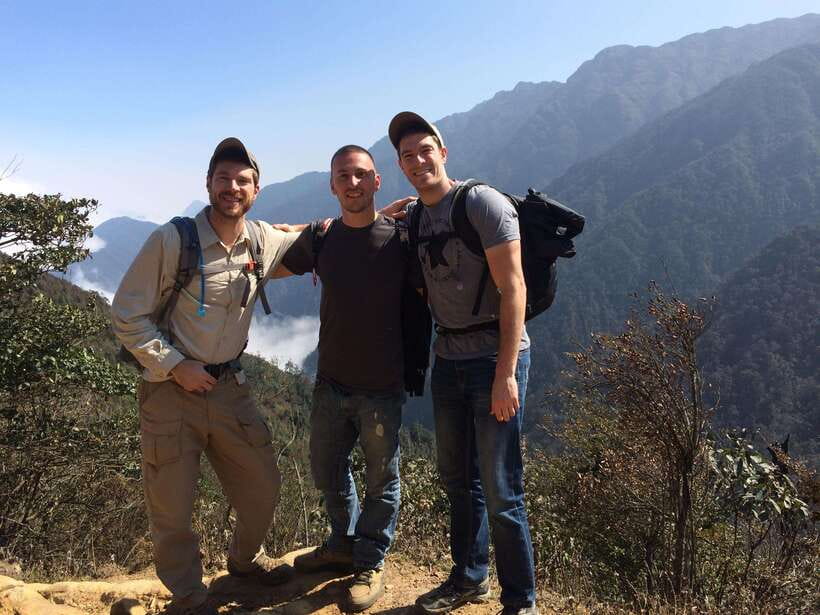
From Tram Ton Pass, the trek follows forest paths with bamboo, old trees, and occasional colorful flowers and streams. It’s a good reminder that this isn’t just “up, up, up.” You’ll get variety in the walking environment even while your legs are doing the heavy lifting.
The climb: bamboo forest, streams, and steady uphill rhythm
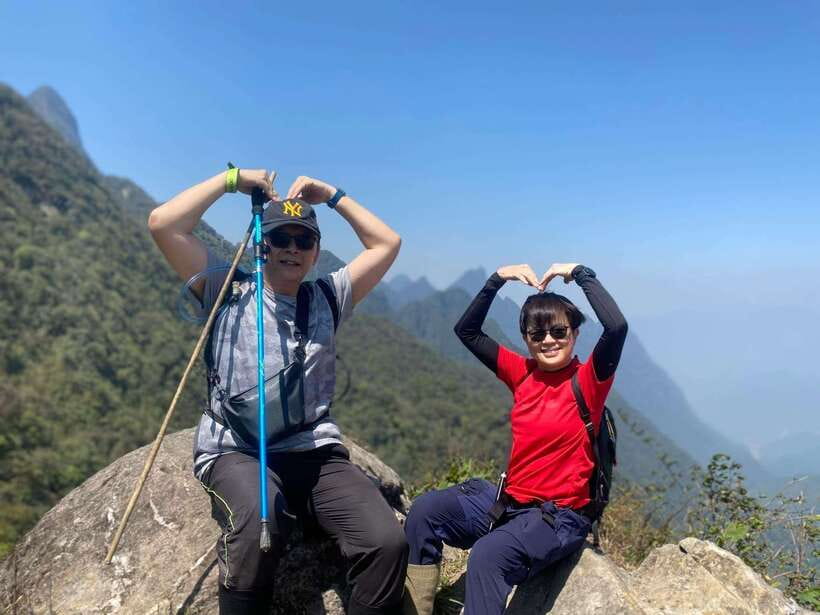
Your morning is about building momentum. You’ll cross bamboo, move through forest with older trees, and follow trail sections that can feel damp or slippery depending on weather. The trek route is described as passing through areas with colorful flowers and nice streams, which helps break up the long climb mentally.
One real-world tip: don’t treat this like a speed challenge. Your summit time depends on pace. The itinerary states you’ll reach the top around 12:00–13:00, depending on how fast you walk. That’s a wide window because group size, photo stops, and weather all affect timing.
You’ll also notice that the guide’s role isn’t just “pointing the way.” A professional English-speaking guide helps keep everyone coordinated—especially important when trail conditions are changing. In one account from the guide side, Mr Tinh is described as professional, and another guide, Mr Cho, is praised as enthusiastic and attentive. That fits what you want on a long day: someone who stays calm, checks the group, and knows the terrain.
Lunch timing at about 2800 m (and what you’ll eat)
Lunch is built into the hike around a camping site at 2800 m. This isn’t “grab something later.” It’s timed so you’re fueled before the final push and positioned for the summit.
The picnic lunch is described clearly, and it’s carried by your guide. The usual items include:
- bread
- fried chicken and eggs
- tomato and cucumber
- two kinds of fresh fruits
- small Vietnamese snacks
If you have dietary needs—like allergies or vegetarian requests—tell the operator ahead of time. They say they can change the food for special requests, and that matters because “I’ll just eat later” is not realistic on a hard, long trek.
Also, you’re given 1.5 liters of water per person. You carry it yourself. That’s another reason lunch matters: you can’t rely on stopping for supplies along the way.
Summit arrival around midday: views and photo moments
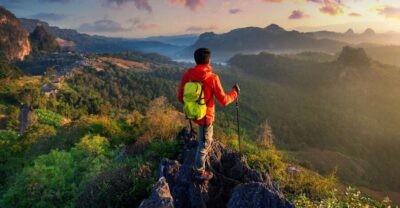
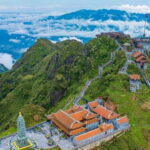
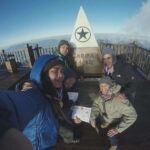
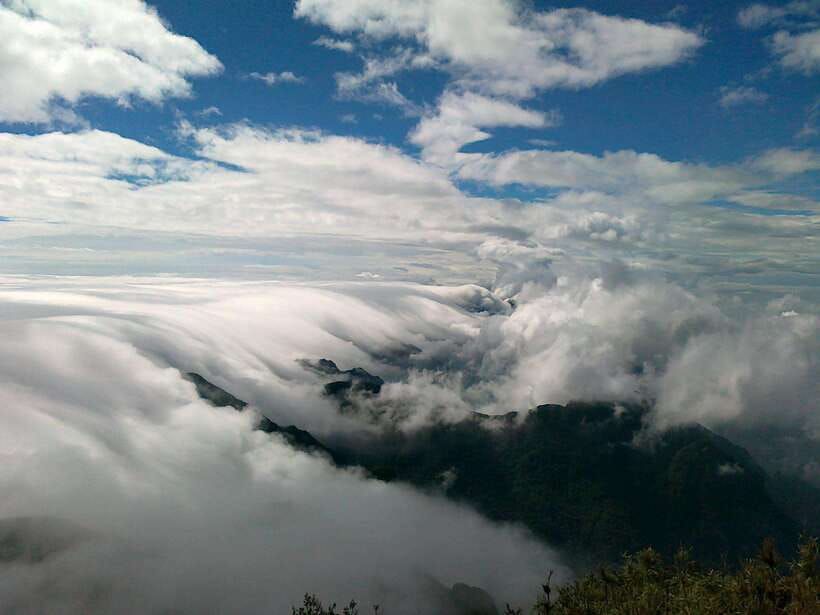
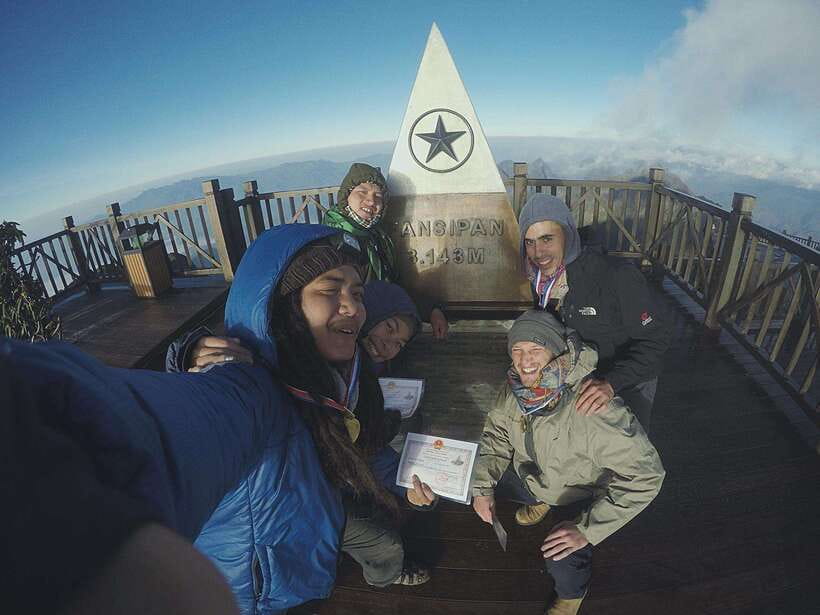
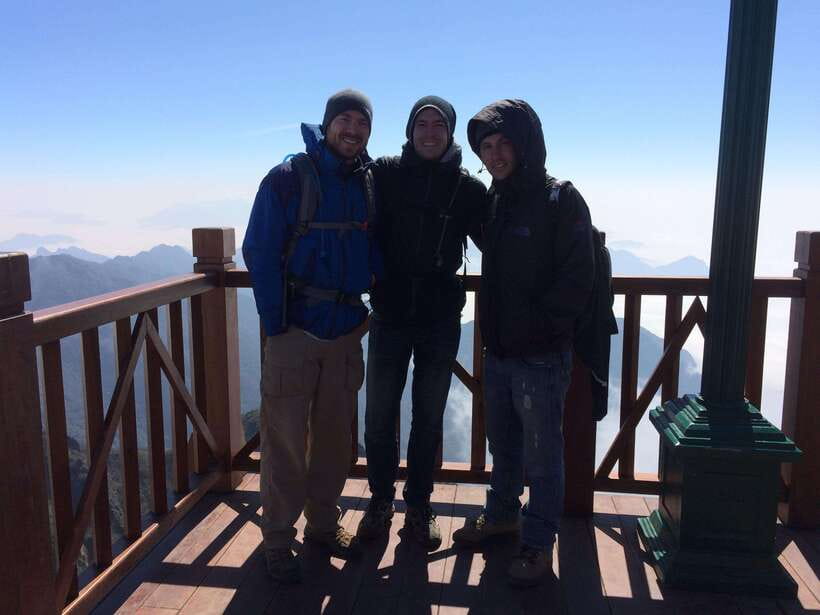
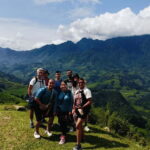
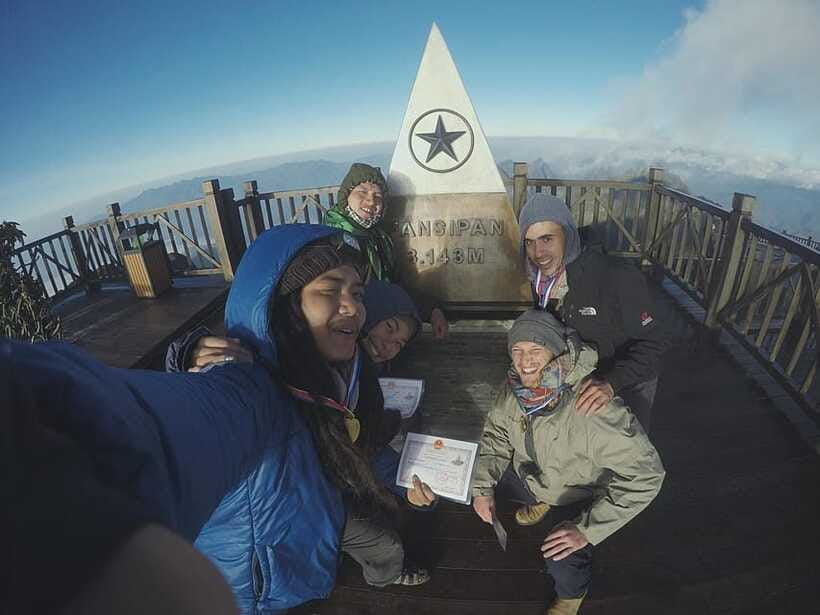
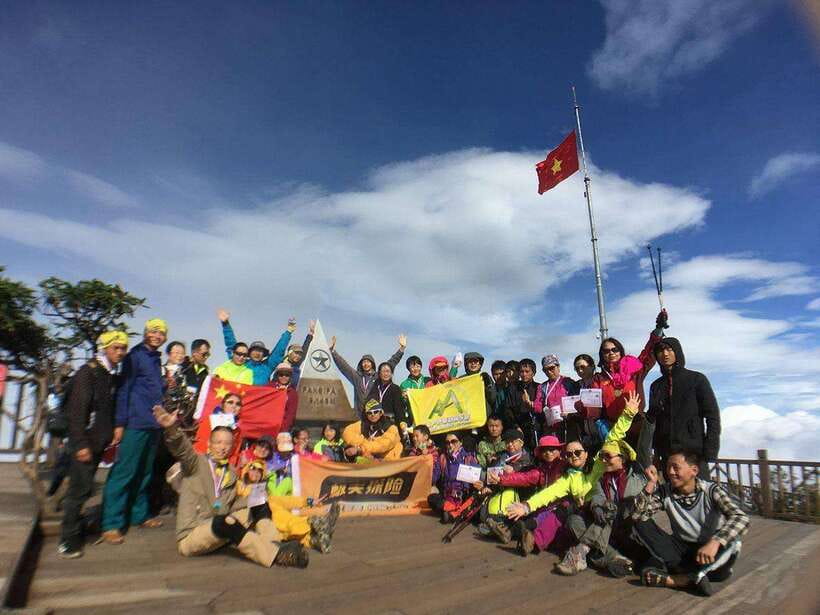
Reaching the top is the payoff, but the way you get there matters. Based on the itinerary, you’ll arrive around 12 h / 13 h, depending on speed. Once you’re up there, you’ll get the chance for lots of pictures, with views over Sapa town and the broader Vietnam–China mountain area.
This is also where the “hard day” feeling usually flips into “worth it” energy. At that altitude and with that effort behind you, the viewpoint feels earned. The tour also includes entry items like a medal and certificate, so you’ll leave with something tangible, not just photos and sore legs.
One practical reality: weather can shape what the summit feels like. Even when it’s sunny, mist can happen, especially in winter. So build your expectations around “views are likely, but conditions control clarity.”
Coming down: hike back or take the cable car to Sapa
Once you hit the top, your schedule stays flexible based on how you want to descend. You have two options:
1) Trek back the same way to Tram Ton Pass
This is more effort, but it keeps the day cohesive. End time is usually 17:00–18:00, depending on your speed and how fast you can manage the descent.
2) Cable car down to Sapa
If you take the cable car, you pay the ticket yourself. The itinerary notes you could be done around 14:00–15:00, again depending on pace.
Here’s how to choose in a practical way. If you’re feeling strong and your knees are holding up, hiking back can be a good way to keep the day immersive and stay in the forest environment. If you’re tired, the cable car is the smart move because it reduces the “use up your energy twice” problem—especially with steep downhill sections.
Either way, you’ll be back in Sapa by late afternoon.
Weather on Fansipan: cold winters, mist, and quick changes
Fansipan is cold even when it’s “not snow-cold.” Your month matters a lot, and the tour gives clear seasonal ranges:
- November to April (winter): often sunny, sometimes misty or rainy (but not heavy rain). Temperatures can range from -2 to 12°C.
- May to October (summer): still cold on the mountain, roughly 5 to 15°C. Sunny at times, but rain can be heavy and misty. It’s not typically full-day nonstop, but it can change fast.
The key message for planning: expect fast weather shifts. That means layers and rain protection aren’t optional extras—they’re part of having a good day.
If you’re arriving in Sapa with light clothing, plan to upgrade before you start. Even if the morning is fine, the wind and mist at higher elevations can make the cold feel sharper.
Price and logistics: is $77 good value for this trek?
At $77 per person, you’re paying for more than a “guide walking next to you.” Your price includes:
- an English-speaking guide
- picnic lunch
- 1.5 liters of water per person
- transport by car or scooter
- entrance fee to Fansipan (including the medal and certificate)
- insurance
- private-group service
That’s solid value because a day like this has real cost drivers: transport from Sapa town, a guide’s time for roughly a half-day to full-day window, and the mountain access/entry components. Also, you’re not doing logistics yourself. You’re getting a planned route with timing, lunch, and a clear return strategy.
The only “hidden cost” you should budget for is optional: if you take the cable car down, you pay that ticket yourself. Also, you’ll want some buffer money for small needs if you forget essentials (like gloves or a rain layer).
What to bring for a 24 km day on cold, wet trails
This is one of those hikes where the right gear makes the difference between discomfort and misery. The tour lists a clear packing checklist. Here’s what I’d treat as non-negotiable:
Clothing and protection:
- Warm clothes
- Hat
- Rain gear
- Gloves
- Long pants
Footwear and movement:
- Hiking shoes
- Trekking stick (they say you might be able to find one in the jungle)
- Consider headlight (especially because the day runs long and conditions can slow you down)
Weather and safety:
- Sunscreen
- Waterproof bag
- Toilet paper
Other practical items:
- Cash
- Any dietary needs you pre-communicate so your lunch plan matches you
One more tip: carry your water in a way that doesn’t soak your gear. The guide provides 1.5 liters, but you carry it yourself—so plan a stable backpack setup.
Who should do this one-day Fansipan trek—and who should skip it
This is best for people who like physical effort and don’t mind a full day outdoors. You’ll probably enjoy it most if you:
- are comfortable walking long distances and climbing steadily
- don’t mind cold layers and possible mist or rain
- want a real, guided mountain day rather than an easy stroll
- like structured support (English guide, lunch at altitude, and clear timing)
Skip it if:
- you don’t handle long trekking days well
- you’re under 14, pregnant, or over 70
- you’re expecting “mostly flat” terrain (this isn’t that)
If you’re unsure about your fitness, be honest. This route is described as hard and difficult, and the best results come when you match the hike to your current strength.
Should you book Fansipan Trekking – 1 Day?
If you’re in Sapa and you want a meaningful challenge with a strong payoff, this is a very reasonable pick. For the effort, the day is organized well: pickup is included, the guide is English-speaking, lunch is planned and carried, and you’re not forced into one rigid descent option.
I’d book it if you’re ready for cold weather, long time on your feet, and a serious climb to the summit. I’d think twice if you’re vulnerable to altitude discomfort, need an easy pace, or you don’t have the gear for mist and rain.
FAQ
How long is the Fansipan trekking day?
The trek is listed as about 12 hours total, with 10–12 hours of trekking. Pickup happens early in the morning, and you return to Sapa late afternoon (often 17:00–18:00).
What distance do I hike in total?
It’s roughly 12 km each way, for a total of 24 km round-trip.
What is the elevation gain?
The climb is around 1400–1600 m total height gain during the hike.
Is an English-speaking guide provided?
Yes. The tour includes a live English-speaking guide.
What food and drinks are included?
You get a picnic lunch carried by your guide and 1.5 liters of water per person.
What should I bring for cold or rainy weather?
Bring warm clothing, a hat, rain gear, gloves, sunscreen, and hiking shoes. The tour also suggests a head-light, toilet paper, and a waterproof bag.
Can I take the cable car down from the summit?
Yes. You can take the cable car by yourself, but you pay the cable car ticket yourself. If you hike back down, you return later in the day.
Who is this trek not suitable for?
It’s not suitable for children under 14, pregnant women, or people over 70.
What if I need to cancel?
There is free cancellation up to 24 hours in advance for a full refund.