REVIEW · SAPA
Local Experience in Sapa trekking tours
Book on Viator →Operated by Asia Vacation Travel · Bookable on Viator
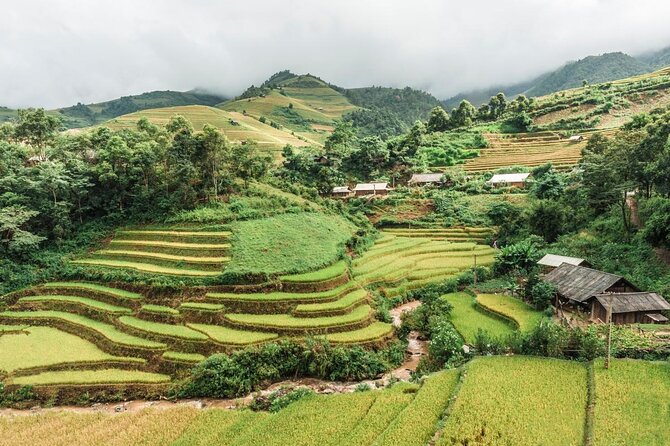
Rice terraces set the mood fast. This two-day Sapa trek is built around real countryside rhythm, with a local ethnic tour guide and overnight village time you cannot easily copy on your own. I like that the route connects several communities and valleys, so you get context for what you’re seeing instead of just snapping photos. I also like the small-group feel, capped at 15 travelers, which keeps things manageable on steep paths.
One thing to consider: you’ll sleep in a dormitory (shared facilities). If you want a private room or private bathroom, that comes as an extra-cost upgrade.
In This Review
- Key highlights worth knowing
- Entering Sapa Trekking Mode: Local life, not just views
- Price and value: what $55 really buys you
- Getting there the smart way: Hanoi Old Quarter night pickup to Sapa by morning
- Day 1 route in Muong Hoa Valley: Y Linh Ho, Lao Chai, Ta Van
- Stop 1: Sapa town (pickup and reset)
- Stop 2: Y Linh Ho village (Black H’mong)
- Stop 3: Lao Chai village (Dzay)
- Stop 4: Ta Van village (Dzay area in Muong Hoa Valley)
- The small timing puzzle
- Homestay night: dormitory living and how to make it comfortable
- Day 2: Giang Ta Chai with the Red Dzao, then back to Sapa town
- Stop 1: Giang Ta Chai village (Red Dzao)
- Stop 2: Return to Sapa town
- Guide and organization: English support you can actually use
- Trekking tips that fit this exact 2-day plan
- Should you book this Sapa local trek?
- FAQ
- What is the duration of this Sapa trekking experience?
- How much does the tour cost?
- What time does the tour start?
- How many people are in the group?
- Where can pickup happen?
- What meeting point is listed in Sapa?
- What meals and lodging are included?
- Is there an option for private lodging or private bathrooms?
- Do I need to pay for entrance fees?
- Can I cancel and get a full refund?
Key highlights worth knowing
- Black H’mong in Y Linh Ho and Dzay people in Lao Chai, with guided village visits
- Ta Van in Muong Hoa Valley, known for scenic trekking routes and quiet stretches
- Giang Ta Chai on Day 2, home of the Red Dzao ethnic group
- Homestay-style lodging in a dormitory, with optional private room/bathroom upgrades
- English-speaking guide and careful planning support, including solo-friendly reassurance
- Mobile ticket and group pricing, plus entrance fees covered on key stops
Entering Sapa Trekking Mode: Local life, not just views

Sapa gets famous for big scenery. This tour goes one step further by pairing the scenery with village routine. You’ll walk through terrace country and small paths that connect different ethnic communities, with stops that focus on how people live, farm, and organize daily life around the mountains.
The value here is the pacing and the hand-holding. A guided route means you don’t have to guess which turns are worth your effort, or how long the walk will feel once you’re actually climbing and descending. And because the itinerary includes multiple village visits—rather than one long hike to a single viewpoint—you get that sense of moving through a living region.
This is also one of the easier ways to experience overnight village life. The overnight part matters. You’re not just trekking past houses; you’re staying close enough to feel the difference between town Sapa and the quieter valleys where the terraces dominate the view.
Price and value: what $55 really buys you
The tour price is $55 per person for around 2 days. For that money, the standout value is that you’re not paying separately for many of the core “tour costs.”
Included:
- Meals: Breakfast (2) and Lunch (2), plus Dinner (with the important note that dinner on the last day is not included)
- All entrance fee tickets (some stops list free admission, others explicitly include tickets)
- An English-speaking guide
- Accommodation in a dormitory
- Group discounts and mobile ticket convenience
Not included (common add-ons you should budget for):
- The Sapa ↔ Hanoi sleeping bus transfer at $24 per person round trip
- Last-day dinner, beverages, and tips
- Private upgrades: private sleep with shared bathroom/toilet costs $30 per room/night, and bungalow private bathroom/toilet costs $40 per room/night
- Optional overnight train routing: transfer from the train station to your plans adds $50 per person for sleeper train pickup
So the real question is not just the price. It’s whether you want guidance plus village time plus the meals and ticket coverage bundled together. If you’d otherwise piece together transport, guides, and entrance fees, $55 can feel like a bargain—especially when you factor in that this is a small-group tour with overnight lodging.
Getting there the smart way: Hanoi Old Quarter night pickup to Sapa by morning
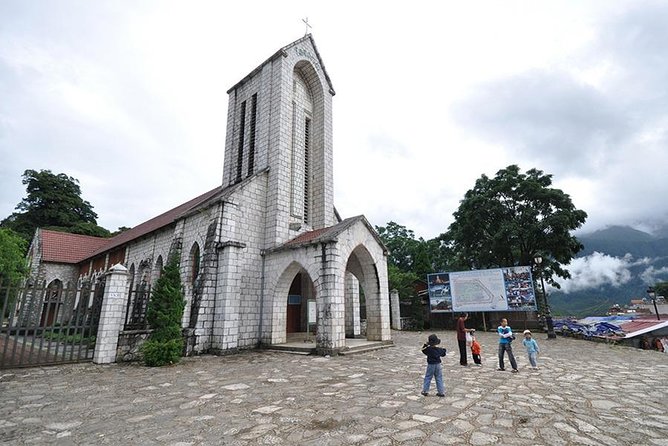
This trip can start in Hanoi. If you’re staying in Hanoi’s Old Quarter area, you can be picked up by bus from 21:00–22:00, then ride in a sleeping bus for about 6 hours with short breaks.
From there, your walking start is 6:00 am. If you’re already in Sapa town, you’ll have a pickup option too—either from the bus station (you’re asked to share your bus company name) or from your hotel in Sapa town if you message details at least 1 day before departure.
Two practical notes that matter:
- You need to send hotel information for pickup/drop-off in Hanoi Old Quarter or Sapa town at least 1 day ahead. Do it early, or you’ll be chasing time while others are already boarding.
- The listed start point in Sapa is Sapa Friendly Inn & Travel, No. 1B So Than street, Sapa. That’s useful if you’re not sure where the pickup will go.
If you prefer to control the whole Hanoi–Sapa route yourself, you can still book this trek and arrange transport separately. Just keep an eye on timing so you land in Sapa in time for the early start.
Day 1 route in Muong Hoa Valley: Y Linh Ho, Lao Chai, Ta Van
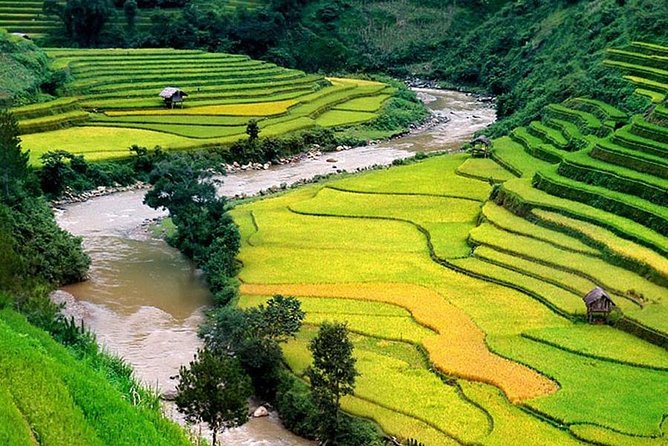
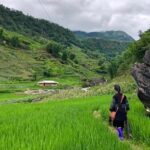
Day 1 is where the tour earns its name: it links several villages in the Sapa region and walks you toward the quieter, terrace-shaped countryside views.
Stop 1: Sapa town (pickup and reset)
You begin with pickup at the bus station or your Sapa hotel, or you meet at Sapa Friendly Inn & Travel. This first stretch is about getting organized—water, timing, and your guide’s quick prep talk—before the trail work starts.
Stop 2: Y Linh Ho village (Black H’mong)
Next you visit Y Linh Ho village, the home of the Black H’mong. The guide time here is around 1 hour 30 minutes. This stop is valuable because it frames what you’ll see later. You get a sense of how terrace farming and mountain living shape daily life.
One drawback to keep in mind: village visits can involve lots of standing and short walking around homes and pathways. Comfortable shoes help, and you’ll want to pace yourself even if the climb is not constant.
Stop 3: Lao Chai village (Dzay)
You continue to Lao Chai village, the home of the Dzay people (again about 1 hour 30 minutes). This segment helps you compare communities within the same region. Instead of seeing one version of mountain life, you see how different groups shape the landscape and settlement patterns.
Entrance fees are listed as free for this stop in the plan, which is nice for your budget, but the real benefit is still the guided context.
Stop 4: Ta Van village (Dzay area in Muong Hoa Valley)
Then you reach Ta Van village for another 1 hour 30 minutes. Ta Van is described as one of the most beautiful areas in Muong Hoa valley, and it’s also where the vibe shifts toward slower, quieter countryside time.
This is the part of the day where you’ll feel why people take multi-stop treks instead of only doing a photo hike. Ta Van gives you space to appreciate how terraces, ridgelines, and homes fit together.
The small timing puzzle
The schedule also lists a Hanoi Old Quarter pickup window 21:00–22:00 as part of Day 1. In practice, that’s usually the night before the morning trekking start. If you’re traveling from Hanoi, confirm with the operator that your bus timing lines up with the 6:00 am start in Sapa.
Homestay night: dormitory living and how to make it comfortable
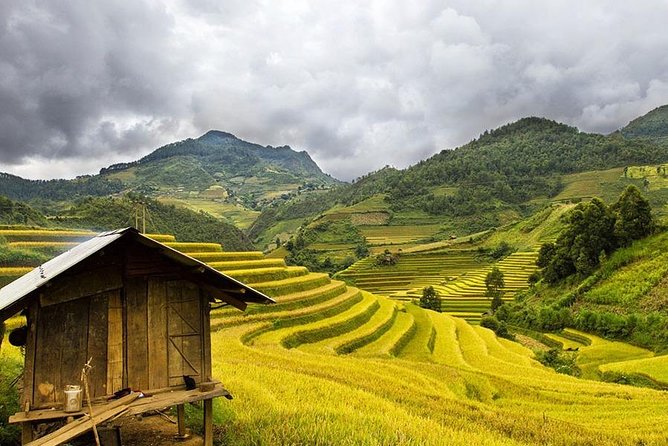
Accommodation is in a dormitory. That means shared space and shared facilities. The plan also lists upgrade options if you want more privacy:
- $30 per room/night for private sleep with a shared bath room and toilet
- $40 per room/night for a bungalow option with private bathroom and toilet
Why this matters: after a walking day, your comfort setup becomes part of your experience. The trek is active, but the overnight is what makes it feel local. You’ll get the chance to slow down and be around village life at night, not just during daylight visits.
What I recommend:
- Pack light layers. Mountain nights can feel chilly, even if the day warms up.
- Bring a small towel or quick-dry item if you like being prepared (the tour does not promise specific toiletries).
- If you’re sensitive to shared conditions, strongly consider the private sleep upgrade. It can make the second day feel much easier.
Also, remember that last-day dinner is not included, so if you arrive back to Sapa and your stomach wants food immediately, you may have to buy it yourself.
Day 2: Giang Ta Chai with the Red Dzao, then back to Sapa town
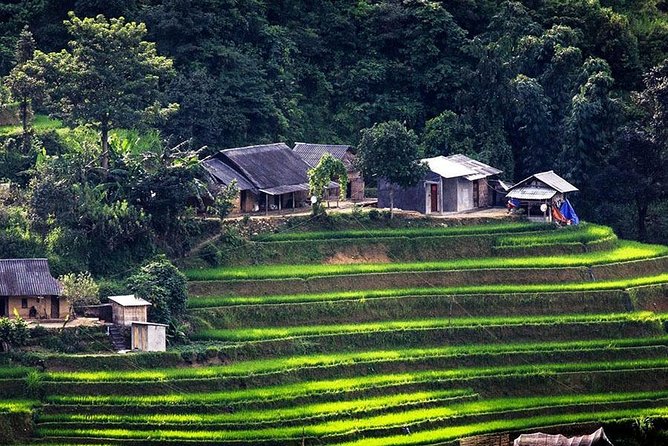
Day 2 keeps the focus on ethnic village time rather than only long trekking stretches.
Stop 1: Giang Ta Chai village (Red Dzao)
You visit Giang Ta Chai village, home of the Red Dzao ethnic group, for around 3 hours. This is a longer block than some Day 1 stops, so expect more time walking through the area and spending time with the guide in the community.
The advantage of a longer village window is learning. You have enough time to ask questions without feeling rushed, and you can observe how terraces and homes shape daily routines.
Stop 2: Return to Sapa town
Then you come back to Sapa town (about 30 minutes). From there, the tour plan says you wait for your bus back to Hanoi or you can finish in Sapa, depending on what you booked.
This final transition is practical. You get your walking done, then you’re not stuck figuring out transportation while tired.
Guide and organization: English support you can actually use
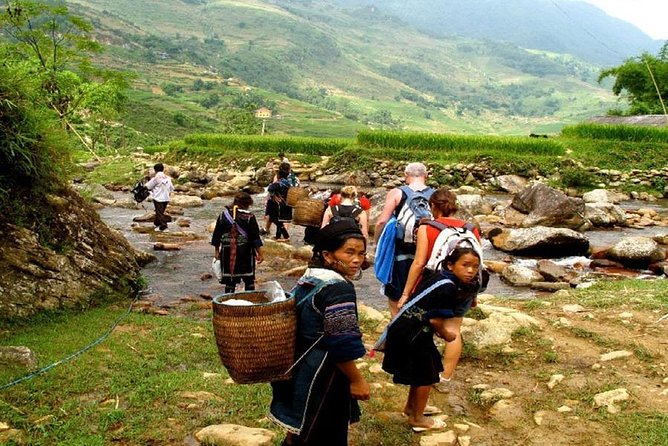
This is one of those tours where the guide makes more difference than you might expect. You’re not just buying a route; you’re buying translation, pacing, and planning.
The tour includes an English-speaking guide, and the experience is organized in a way that feels calm even if you’re on your own. I’ve seen names like Su May associated with strong guidance and clear communication. I’ve also seen Hoa connected with careful planning and smooth coordination, which matters when you’re dealing with pickups, village timings, and overnight transport.
And here’s the practical part: once you’re in the villages, you will likely want to ask simple questions—what you’re seeing, how farming works, how the paths connect, or what you should avoid. A guide who keeps the experience understandable makes the whole trek feel worth it, not just scenic.
Trekking tips that fit this exact 2-day plan

This tour is listed for moderate physical fitness. That usually means you can do it if you’re active and comfortable walking on uneven ground, but you should plan for real effort on mountain trails.
Pack smart:
- Comfortable trekking shoes with grip.
- A light rain layer. Even if the forecast looks fine, mountain weather can shift.
- Water and small snacks if you tend to get hungry on walks (the tour includes meals, but your energy needs may vary).
Use the time well:
- On village stops, don’t rush. The point isn’t just distance; it’s understanding.
- On the walk segments, keep a steady pace. It’s easy to start too fast on day one.
Finally, if you’re upgrading lodging for comfort, decide early. The plan lists private room and private bathroom options with specific extra costs, so you can match your budget to your comfort level.
Should you book this Sapa local trek?
Book it if you want:
- Village visits + trekking + overnight in one organized package
- A small-group experience that’s easier to manage than solo planning
- English-speaking guidance and entrance fees handled
- The chance to experience ethnic communities and terrace country beyond the main viewpoints
Skip or adjust if:
- You strongly prefer a private room with private bathroom from the start. The dormitory setup is cheaper, but it is still shared.
- You don’t want the Hanoi–Sapa transfer planning involved. You’ll likely need to budget for the $24 round trip sleeping bus or arrange another transfer method.
If you’re the kind of traveler who likes getting the story behind the scenery, this trek is a solid deal. And if guide support like Su May and careful coordination led through Hoa is part of what you’re hoping for, you’ll probably appreciate how smoothly the days flow.
FAQ
What is the duration of this Sapa trekking experience?
It’s about 2 days.
How much does the tour cost?
The price is $55.00 per person.
What time does the tour start?
The start time is 6:00 am.
How many people are in the group?
The maximum group size is 15 travelers.
Where can pickup happen?
In Sapa town, you can be picked up from your hotel or from the bus station (with your bus company name). In Hanoi Old Quarter, pickup is by bus from 21:00–22:00.
What meeting point is listed in Sapa?
Sapa Friendly Inn & Travel, No. 1B So Than street, Sapa.
What meals and lodging are included?
You get breakfast (2), lunch (2), dinner (with the note that dinner on the last day is not included), and accommodation in a dormitory.
Is there an option for private lodging or private bathrooms?
Yes. Private sleep with shared bathroom/toilet costs $30 per room/night, and bungalow with private bathroom/toilet costs $40 per room/night.
Do I need to pay for entrance fees?
Entrance fees are included on the tour, and some listed stops are marked as included or free in the plan.
Can I cancel and get a full refund?
Yes. You can cancel up to 24 hours in advance for a full refund. If you cancel less than 24 hours before, the amount paid is not refunded.