REVIEW · SA PA
Sapa: Private trek to Muong Hoa Valley
Book on GetYourGuide →Operated by Vietnam Nomadtrails · Bookable on GetYourGuide
Muong Hoa Valley is a walk through daily life. This private 5-hour trek from Sapa goes into Muong Hoa Valley, winding through Black Hmong villages toward Lao Chai for sweeping rice terrace views, then on to Ta Van to meet the Dzay community. I love how the route pairs scenery with real conversations about customs and costumes, and I also love that lunch is included so you’re not hunting for food mid-hike. One thing to consider: the trek covers about 12 kilometers, and May–September paths can be slippery, so the wrong shoes can turn a great day into a cautious one.
You’ll start on foot from Sapa town, hike between villages, stop for a meal near the river bank or at a local restaurant, then finish when a driver picks you up from the main road and returns you to Sa Pa center. It’s built for active travelers; it’s not for people with mobility impairments, and it’s not suitable for pregnant women or those with heart problems.
In This Review
- Key highlights worth planning for
- Private trek through Muong Hoa Valley: what 5 hours really means
- From Sapa down the trail to Muong Hoa: Black Hmong village life along the way
- Lao Chai rice terraces: the viewpoint moment that frames the hike
- Lunch near the river or in a local spot: why it feels worth it
- Ta Van and the Dzay community: houses, crafts, and everyday customs
- Gear and footwear: the 12 km reality check (and slipper-proof rule)
- Pickup, transport, and where the driver finds you
- English guide service and possible extra charges to plan for
- Price and value: why $47 can make sense (if you use what’s included)
- Who should book, and who should skip this Muong Hoa Valley trek
- Should you book this private Muong Hoa Valley trek with Vietnam Nomadtrails?
- FAQ
- How long is the Sapa private trek to Muong Hoa Valley?
- What is the trek distance?
- Is lunch included?
- What places do we visit during the trek?
- Is there an English-speaking guide?
- Do I get hotel pickup and drop-off?
- What transportation is included?
- What should I bring, and what’s not allowed?
- Is the tour suitable for everyone?
- Are there any extra fees I should know about?
Key highlights worth planning for
- Lao Chai rice terrace viewpoints with big, memorable panoramas
- Black Hmong village walking for daily-life glimpses and cultural stories
- Ta Van Dzay house visits focused on crafts like weaving and coloring
- Lunch included (often near the river bank) so your day stays easy to manage
- Private pickup and return within Sapa town with an English-speaking guide
- Custom pace when paths are steep or slippery, depending on your comfort level
Private trek through Muong Hoa Valley: what 5 hours really means
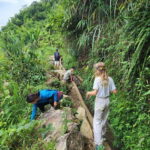
This is the kind of trek that feels like it has two speeds: a steady hike that keeps you moving, then short, purposeful stops where the guide turns the villages into more than photo stops. You’re on the move for about five hours total, with pickup and drop-off in Sapa town included. The route is designed around village-to-village walking, not just a single viewpoint and back.
Because it’s set up as a private experience, you’re not stuck pacing with strangers who want to go fast or stop every five minutes. In practice, guides can adjust the route to match what you can handle—especially when trails get steep or slick, which matters in summer. One guide named Cha was specifically praised for sharing lots of details and keeping things smooth from pickup to lunch to the return.
If you’re thinking about comfort, remember the math: it’s roughly 12 kilometers of hiking. That’s a real walking day, even though it’s not all-day long. Bring this energy: a moderate hike mindset, layers for changing mountain weather, and shoes that grip.
You can also read our reviews of more tours and experiences in Sa Pa.
From Sapa down the trail to Muong Hoa: Black Hmong village life along the way
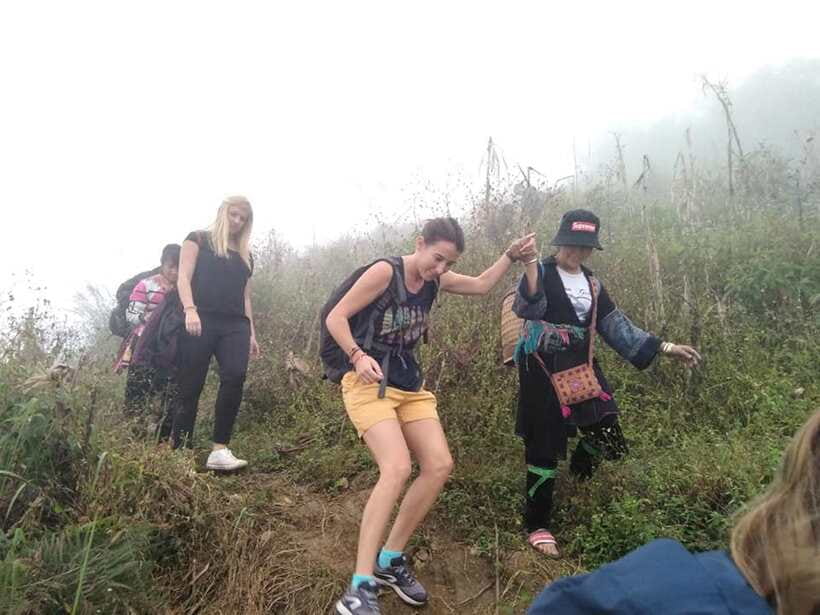
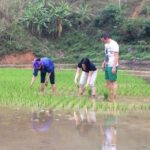
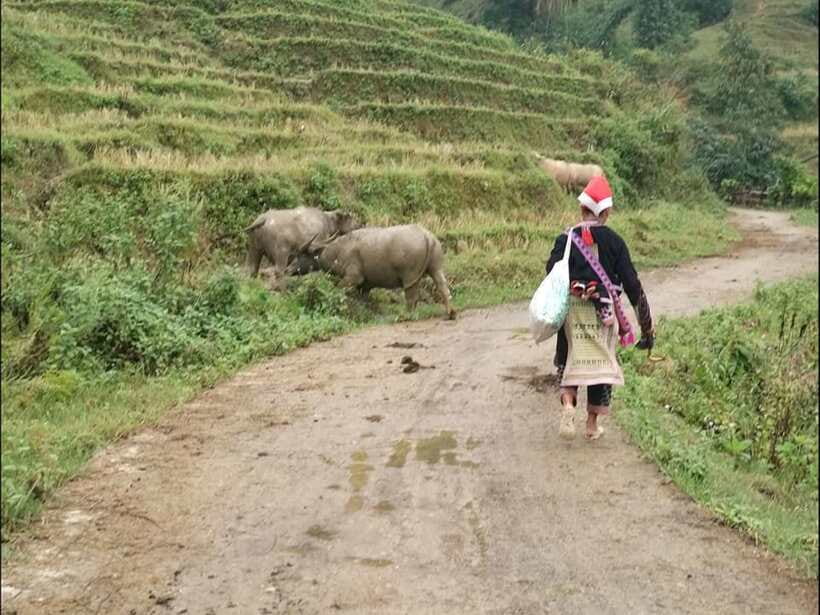
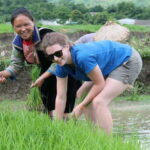
You’ll leave Sapa town on foot and head toward Muong Hoa Valley, one of the better-known valleys in northern Vietnam for village hiking. The heart of the experience comes from moving through settlements of the Black Hmong tribe. This is where the day stops being only about views and becomes about rhythms you can observe: how people live, how customs show up in daily routines, and how culture is carried through clothes and traditions.
The guide plays a big role here. You’re not just walking beside houses; you’re learning what you’re seeing. In one account, the guide Zheng was described as friendly and accommodating, and the hike was adjusted to the group’s comfort level. That’s exactly what you want on a village trek: a guide who can explain without dragging, and who can slow down when the path demands it.
A practical note: this is a rural walk, and village areas mean uneven ground and stairs or narrow paths depending on the stretch. If you tend to rush on trails, consider training yourself to walk slower than normal. You’ll enjoy it more, and you’ll arrive at the scenic spots without feeling wrecked.
Lao Chai rice terraces: the viewpoint moment that frames the hike
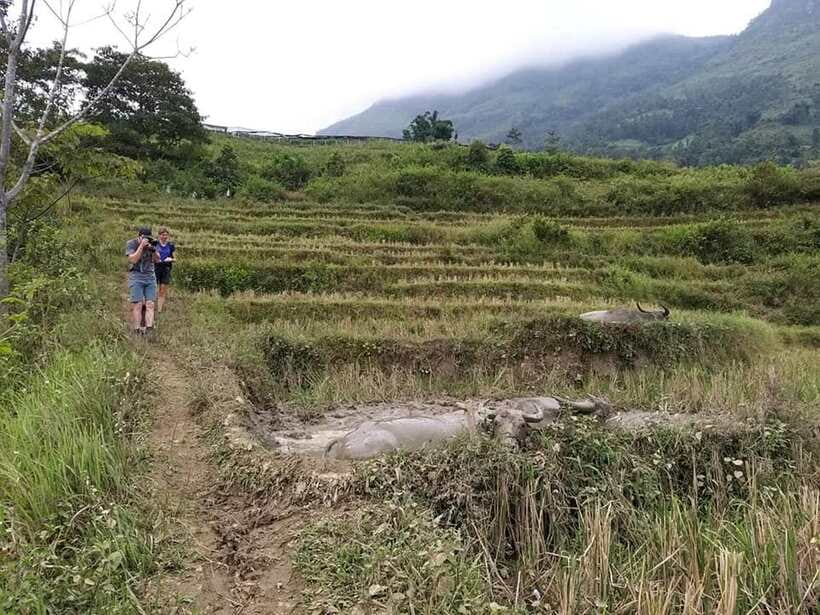
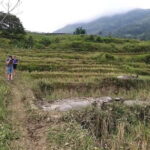
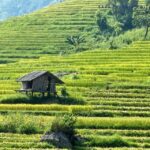
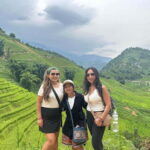
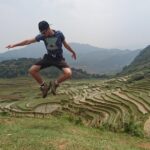
After you’ve been walking through Black Hmong villages, you reach Lao Chai. This is the big visual payoff: spectacular views of the rice terraces that Vietnam is famous for. Even if you’ve seen terrace photos before, the scale feels different when you’re standing above the valley and seeing how villages and fields connect.
Why this stop matters for your day: it’s not just a scenic break. It becomes the anchor point where the hike’s purpose becomes clear. The terraces are the backdrop to village life, not something separate. You’ll spend time taking in the view, and then lunch comes right after.
One of the best value moves here is timing. You don’t want to be hungry when you arrive at the most photogenic part of the route. The trek is paced so you get that view with enough energy to enjoy it, then refuel for what comes next.
Lunch near the river or in a local spot: why it feels worth it
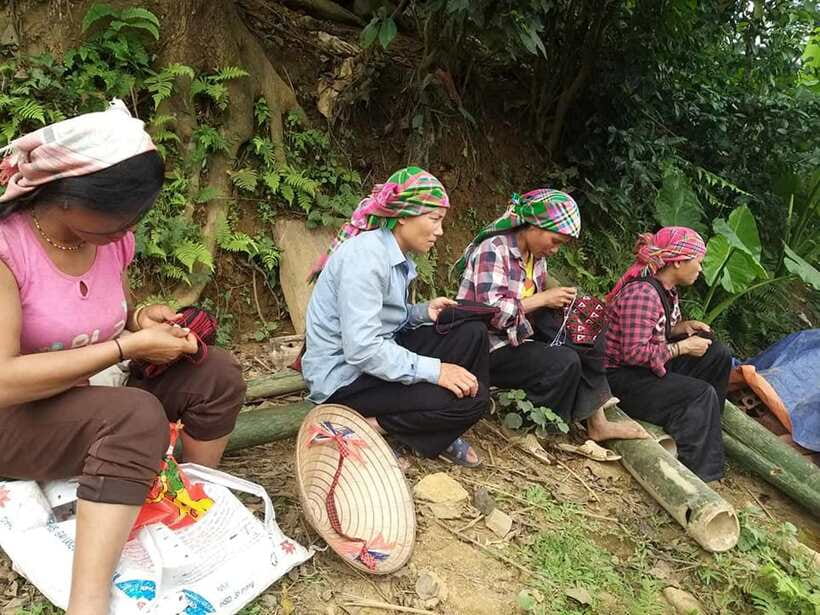
Lunch is included, and you’ll eat either near the river bank or at a local restaurant. Since lunch is part of the package, it removes a common trekking headache: finding food you can trust, paying extra on the trail, or losing time while you search for a place that can serve you.
In one review, lunch was described as good and plentiful. That’s a strong sign that you’re not getting a token bite. I’d treat lunch as part of the experience, not just a break. In village trekking, meals often give you a calmer, human moment between walking stretches—time to look around, catch your breath, and let the story of the day sink in.
If you have food restrictions, you’ll want to mention them to your guide early. The details of the menu aren’t listed, so the only safe approach is to communicate needs in advance.
Ta Van and the Dzay community: houses, crafts, and everyday customs
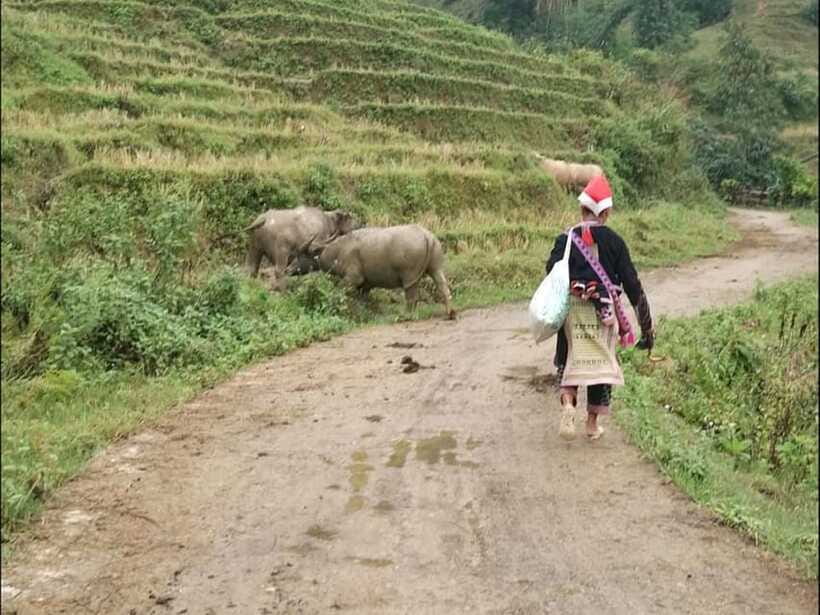
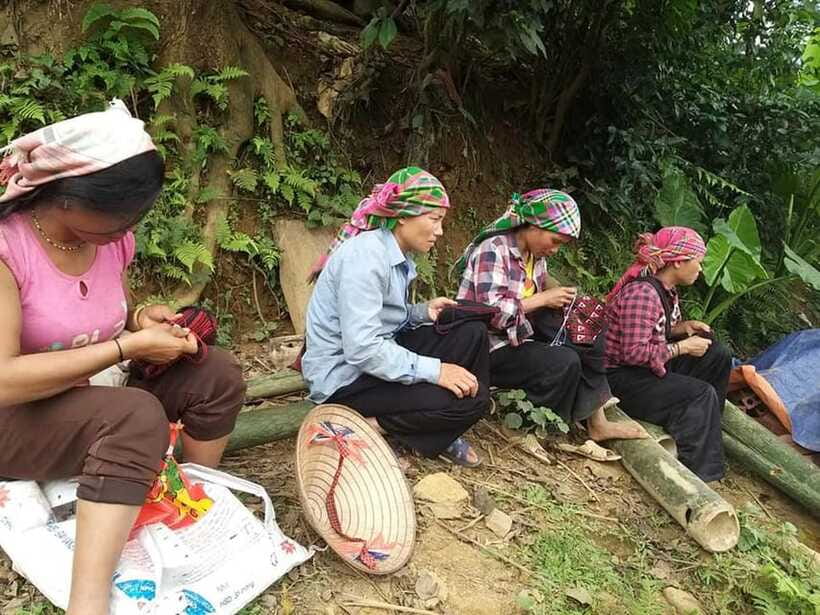
After lunch, the hike continues to Ta Van. This is where the day turns more explicitly toward the Dzay ethnic group. You’ll visit local houses and learn about traditional handicrafts, specifically weaving and coloring techniques used for crafts.
This is the cultural portion of the trek that many people remember most, because it’s hands-on in spirit even when you’re not doing the craft yourself. You’re seeing skills that take patience—skills that are part of clothing, household life, and community identity.
You also learn about rural customs and costumes before reaching the main road for the driver. This “wrap-up” matters. By the time you get back, you’ll feel like you understand what you saw. Instead of collecting a few images, you leave with context that makes the next village interaction easier to read.
One more practical angle: village house visits usually mean indoor or semi-protected spaces, which can be a nice reset if the weather shifts. Just keep in mind that you’ll still be walking afterward—so don’t overdo the heat or forget to rehydrate.



Gear and footwear: the 12 km reality check (and slipper-proof rule)
This trek asks for basic hiking readiness:
- Comfortable shoes
- Comfortable clothes
- No slippers (explicitly not allowed)
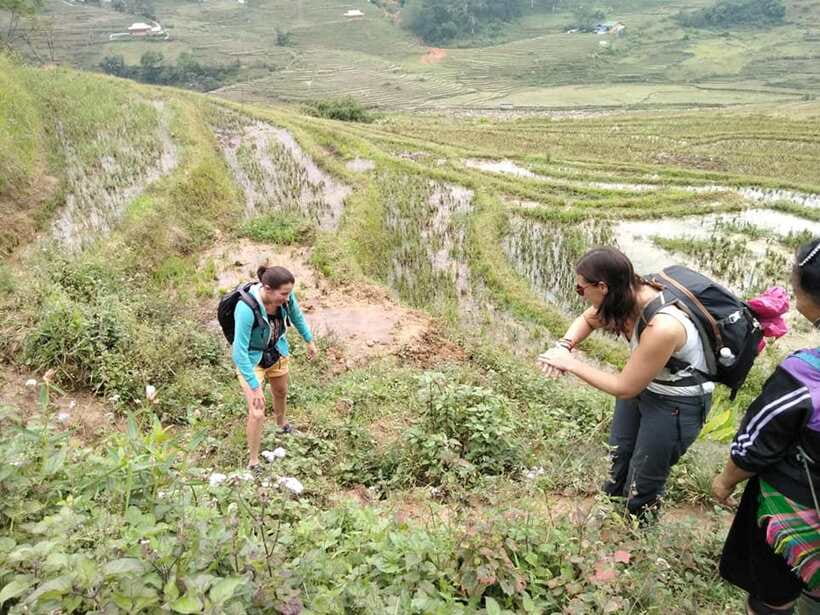
That slipper rule isn’t just fussiness. On these trails, your foot needs grip and support. In summer, between May and September, conditions can be slippery, so good trekking shoes matter.
If you’re used to sneakers, treat this as a sign to upgrade your grip. A shoe with a thicker sole and reliable tread can make the difference between careful steps and constant worry. Also consider bringing layers. Mountain air can change quickly, and you’ll be walking long enough to feel warm, then cool down in shade.
You’ll have water included, but I still recommend you carry a small daypack so you can manage layers, keep your essentials together, and avoid juggling things while walking.
Pickup, transport, and where the driver finds you
The experience is organized to keep the logistics simple. You get hotel pickup and drop-off in Sapa town only, and the return is by private car. The driver waits at the main road after you finish the village walking, then you head back to Sa Pa center.
Entrance fees are included too, which means fewer surprise line-items when the day gets started. Transportation is also included, which is a quiet convenience that adds value—this kind of trek can be harder if you have to arrange transfers yourself.
One detail to keep in mind: the tour isn’t described as picking up outside Sapa town hotels. If you’re staying just outside the center, confirm pickup coverage before you assume it’s automatic.
English guide service and possible extra charges to plan for
You’ll have an English-speaking guide. That’s a key part of the value here, because village treks depend on context. Guides explain customs and point out details you’d miss if you were just following a path.
There are a couple of potential extra costs you should be aware of:
- A surcharge for a French-speaking guide of 15 USD per person, paid at the meeting point.
- A Lunar New Year surcharge of 35 USD per person, paid directly on the trip, for the period from 26 Jan to 2 Feb 2025.
- VAT is not included (so it may affect your final total depending on how it’s handled).
Also, insurance isn’t included. That’s normal for many tours, but it’s worth having your own coverage if you’re hiking, especially if you’re traveling with non-refundable plans.
Price and value: why $47 can make sense (if you use what’s included)
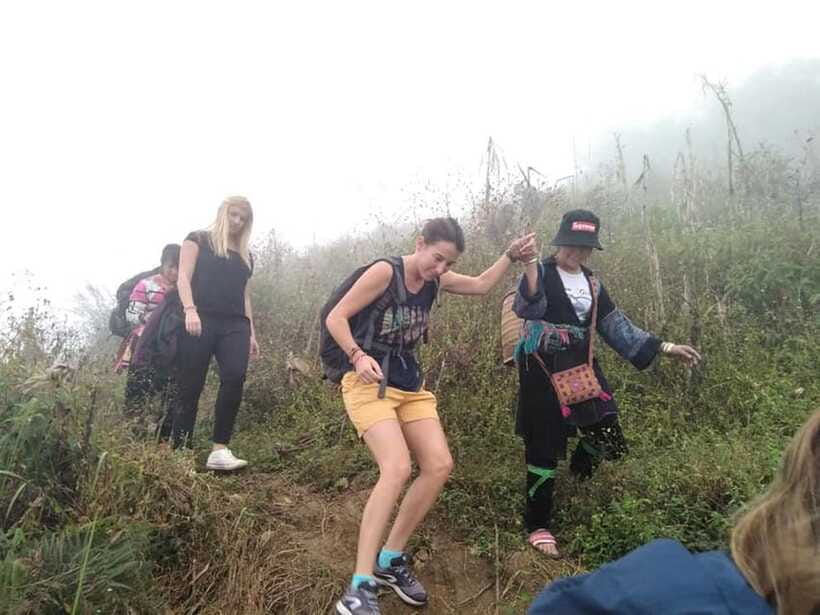
At $47 per person for about five hours, this trek can be good value if you compare it to what you’d pay to piece together the same day yourself.
Here’s what you’re getting in the included price:
- English-speaking guide
- Lunch
- Entrance fees
- Transportation
- Water
- Hotel pickup and drop-off in Sapa town
That’s a package. The guide and lunch alone often account for a big chunk of the day’s practical cost. Transportation matters too because the return involves the driver meeting you at the main road, not just walking back the same way.
The only reason to hesitate is if the extra charges apply to you (French guide, Lunar New Year) or if VAT changes your final amount. If you’re sensitive to any total-cost surprises, ask what your all-in price will be before you go.
Who should book, and who should skip this Muong Hoa Valley trek
This trek is best for you if:
- You want a cultural village hike, not just a scenery walk
- You’re comfortable with a moderate trail day of about 12 kilometers
- You like having an English guide explain customs, costumes, and daily life
- You care about rice terraces and want to experience them as part of the route
This is not a good fit if you:
- Are pregnant
- Have heart problems
- Have mobility impairments
- Are hoping for an easy stroll in sandals (slippers aren’t allowed)
Also, if you hate slippery trail conditions, plan around footwear. May–September can be slick, and the reviews point to guides adjusting when paths are steep and slippery. Still, you’ll do best if you can handle uneven ground with confidence.
Should you book this private Muong Hoa Valley trek with Vietnam Nomadtrails?
I’d book it if your ideal Sapa day is part hiking, part people-watching in a respectful way, and part cultural learning that you can’t get from a quick bus stop. You’ll walk through Black Hmong villages, hit Lao Chai for the terrace views, and end with Ta Van’s Dzay crafts and house visits. The inclusion of lunch, water, and pickup/drop-off within town keeps the day smooth, and the private setup plus English guidance makes it easier to enjoy without feeling rushed.
I’d skip it if you need a highly accessible route or you’re not comfortable with a real walking distance. And if you’re traveling during Lunar New Year, budget for the extra 35 USD per person fee.
If you want, tell me your travel dates and your hiking comfort level (easy, moderate, or you’re unsure). I’ll help you decide whether this 12 km day fits your schedule and energy.
FAQ
How long is the Sapa private trek to Muong Hoa Valley?
It runs for about 5 hours. Starting times depend on availability.
What is the trek distance?
The trek is around 12 kilometers.
Is lunch included?
Yes. Lunch is included.
What places do we visit during the trek?
You trek through Black Hmong tribe villages, reach Lao Chai for rice terrace views, and continue to Ta Van, inhabited by the Dzay ethnic group.
Is there an English-speaking guide?
Yes. The guide is English-speaking.
Do I get hotel pickup and drop-off?
Pickup and drop-off are included for hotels in Sapa town only.
What transportation is included?
Transportation is included, and you return by private car from the main road after the trek.
What should I bring, and what’s not allowed?
Bring comfortable shoes and comfortable clothes. Slippers are not allowed.
Is the tour suitable for everyone?
It is not suitable for pregnant women, people with heart problems, or people with mobility impairments.
Are there any extra fees I should know about?
VAT is not included. There can be a 15 USD per person surcharge for a French-speaking guide, and a 35 USD per person Lunar New Year surcharge from 26 Jan to 2 Feb 2025, paid directly on the trip.