REVIEW · KATHMANDU
Annapurna Circuit Trekking -17 Days
Book on Viator →Operated by Annapurna Foothills Treks Expedition Pvt. Ltd. · Bookable on Viator
The pass feels close at daybreak. This 17-day Annapurna Circuit trek balances village hiking with big-mountain drama, topping out around Thorung La and then folding back toward Pokhara. You start in Kathmandu, ease into the Marsyangdi Valley, and keep climbing until the Annapurna Massif feels like it’s everywhere you look.
I especially like two things. First, the trek runs with an English-speaking Sherpa guide and licensed support, which makes the high-altitude days feel more controlled. Second, lodging and meals on the trek are included in local lodges—plus you get practical energy snacks and fresh fruit along the way.
One possible drawback: several days are long and high, so you’ll need strong fitness and patience, not just good intentions. If you’re hoping for a relaxed stroll every day, this route will ask more of you than that.
In This Review
- Key highlights worth putting on your radar
- Kathmandu to Besisahar: getting your bearings fast
- Day 2 in plain terms
- Marsyangdi Valley rhythm: terraced farms, villages, and steady climbing
- Practical tip for this stretch
- Timang and Pisang: where the trail starts asking for effort
- Manang acclimatization day at 3,540m: not optional on this route
- Who benefits most from this acclimatization
- Toward Yak Kharka and Phedi: the high-altitude lead-up
- What to watch for on lead-up days
- Thorung La Pass and Muktinath: the defining day
- Why this day is mentally different
- Descent to Tatopani: the relief after the high work
- Ghorepani to Hile to Nayapul, then Pokhara
- Included lodges and meals: what that means in real terms
- Porter support you should plan around
- Price and value at $1,400 per person
- Fitness reality check: what you should be ready for
- Should you book the Annapurna Circuit 17-day trek?
- FAQ
- FAQ
- Where does this trek start and end?
- How many days is the Annapurna Circuit trekking?
- What’s included for accommodations during the trek?
- Are meals included on the trekking days?
- Do I need to arrange permits for the Annapurna trek?
- Is a porter included?
- What isn’t included in the price?
- Is the booking refundable if I cancel?
Key highlights worth putting on your radar
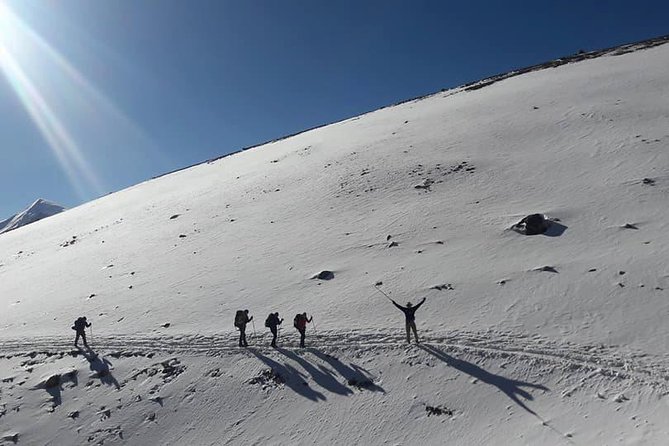
- English-speaking licensed Sherpa guidance for clarity on the trail and mountain conditions
- Real acclimatization time in Manang at 3,540m before pushing higher
- Thorung La Pass crossing as the defining day, via a clear route through high passes and viewpoints
- Included lodge meals and energy supplies that keep your calories steady in the cold
- A private tour feel so you’re not sharing your trek vibe with strangers
Kathmandu to Besisahar: getting your bearings fast
Your trip begins in Thamel, Kathmandu, with the trek ending back at the same meeting point. You’ll spend two nights in Kathmandu (bed and breakfast with taxes included), which is a smart buffer before your first hiking day. It’s also enough time to slow down, sort gear, and let your body adjust to Nepal’s busy rhythm before swapping sidewalks for switchbacks.
Then comes the first big logistics shift: a drive from Kathmandu to Besisahar (184 km is listed), followed by your first trek segment. Day 2 is shorter than what’s ahead, and that matters because it sets expectations. You’ll trek to Bhulbule (820m/2,690ft) after the road leg, with about 2 hours on the trail and roughly 7 km.
This “easy start” isn’t about being cautious for the sake of it. It’s about giving you a working baseline—how your legs feel, how your pack sits, and whether you’re drinking enough. If you’ve ever arrived somewhere scenic and immediately overdid it, you’ll appreciate why this schedule doesn’t do that.
You can also read our reviews of more tours and experiences in Kathmandu.



Day 2 in plain terms
You’re transitioning from city life to the Marsyangdi Valley. You’re not racing to altitude yet; you’re learning how the trek feels.
Marsyangdi Valley rhythm: terraced farms, villages, and steady climbing
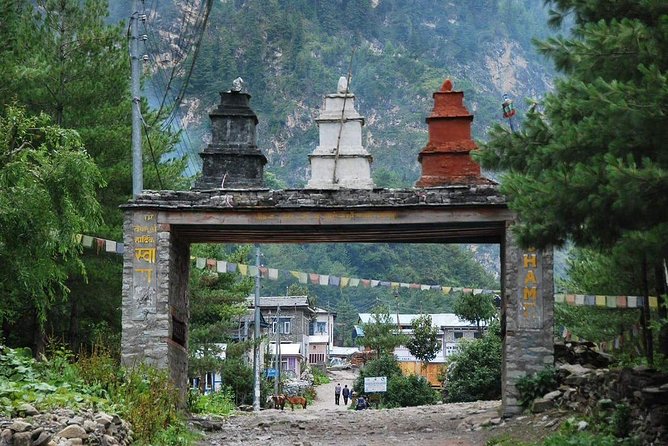
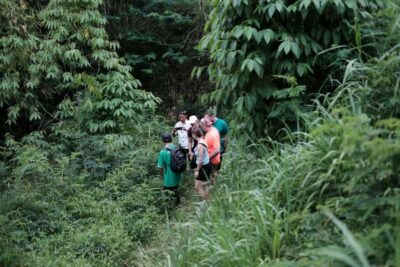
After Day 2, the trail begins to look like Nepal in motion: terraced farms, small settlements, and the daily rhythm of walking between valleys. Day 3 takes you to Ghermu Phant (1,136m/3,727ft) with a longer stretch listed at 15 km and about 5–6 hours. It’s a good “middle of the road” day—longer than Day 2, but not yet the grind.
Day 4 is a longer push to Tal (1,700m/5,577ft): 18 km with about 5 hours on the trail. At this point, you’ll start noticing how the valley narrows and how the mountain mass starts to dominate the horizon. That’s when hikers often realize the Annapurna Circuit isn’t just a path; it’s a moving viewpoint.
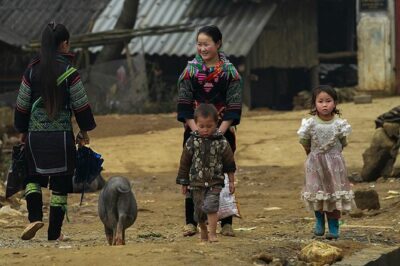
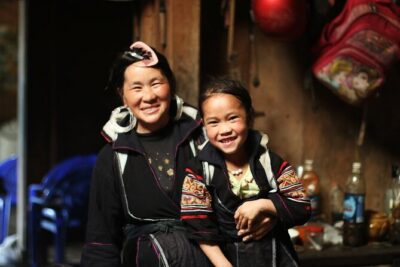
If you like cultural contact, this stretch is where it tends to happen naturally. You’re regularly passing through friendly village areas, and the trek gradually shifts from farm-and-terrace life toward higher mountain communities.
Practical tip for this stretch
Keep your pace steady. On days like this, it’s not your speed that decides how you feel later; it’s how often you stop, breathe, and drink.
Timang and Pisang: where the trail starts asking for effort
Day 5 hikes to Timang (2,780m/8,464ft), listed at 21 km for about 5–6 hours. Day 6 climbs higher to Pisang (3,200m/10,498ft) with a notably long day: 27 km and 7–8 hours. If you’re the type who likes to measure progress by distance, these days will help you understand what your body can do on multi-hour climbs.
Then comes Day 7 to Manang (3,540m/11,614ft), 22 km and 6–7 hours. By now, you’re not just walking through scenery—you’re walking through altitude. The air gets thinner, temperatures drop at night, and even your thoughts can feel slower. This is where the earlier “just keep moving” habit helps. You also tend to get a clearer sense of the culture shift as the trek moves north of the Annapurna Massif.
Day 7 ends at Manang, and that leads into one of the most valuable parts of the whole plan.




Manang acclimatization day at 3,540m: not optional on this route
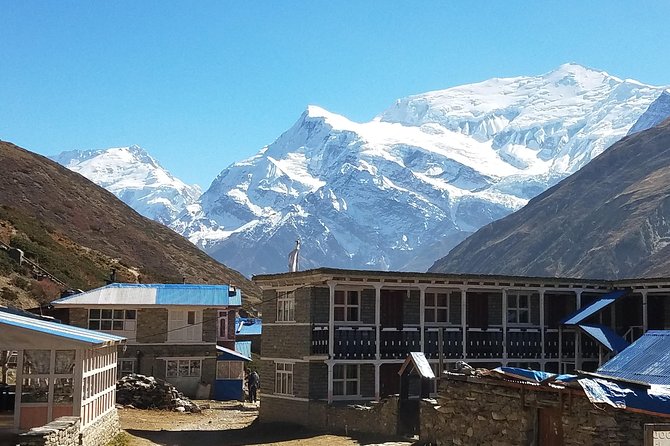
Day 8 is an acclimatization day in Manang (3,540m/11,612ft). In a circuit like this, that rest day isn’t padding; it’s one of the smartest moves you can make for how the rest of the trek feels.
Even if you feel fine on Day 7, you should treat the extra day as part of the climb strategy. You’re preparing for higher elevations the next several days, including the push toward 4,000m and beyond.
From here, the trek becomes less forgiving. Your bodies adapt slowly, and Manang gives you time to do that instead of testing your luck.
Who benefits most from this acclimatization
If you’re nervous about altitude, this day is a pressure release. If you’re confident, it still pays off because it keeps you stronger for the hard pass day later.
Toward Yak Kharka and Phedi: the high-altitude lead-up
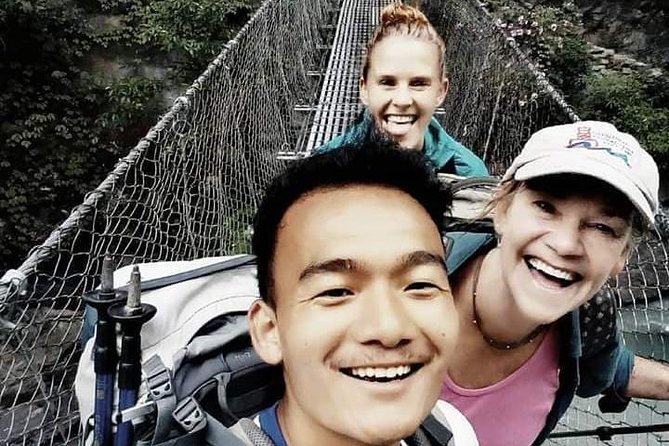
Day 9 takes you to Yak Kharka (4,000m/13,123ft): 10 km and 4–5 hours. Day 10 goes higher to Phedi (4,545m/14,911ft), listed at 8.5 km and 3–4 hours. These days feel shorter on paper than the long valley walks, but the altitude makes them heavier.
This is where you’ll likely appreciate the included support. The guide and trek staff aren’t just there for companionship—they help you keep a steady rhythm and respond to how you’re actually feeling. In feedback tied to this trekking program, guides such as Mr. Dendi have been praised for being amazing and helpful, and that kind of leadership matters most when the air thins.
What to watch for on lead-up days
Go slow. At these heights, you can feel fine one hour and then realize your breathing changed the next. Keeping effort smooth is a big deal.
Thorung La Pass and Muktinath: the defining day
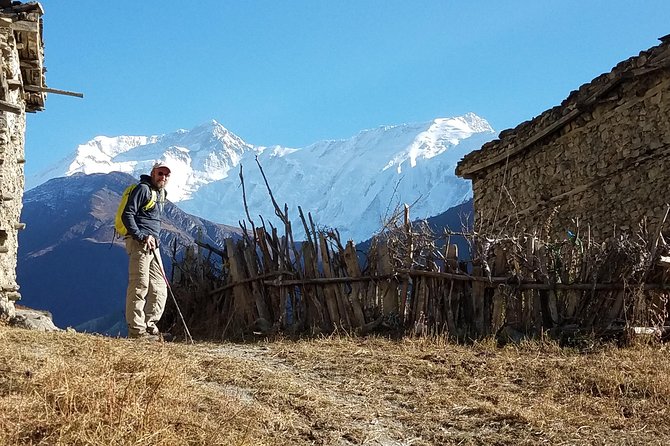
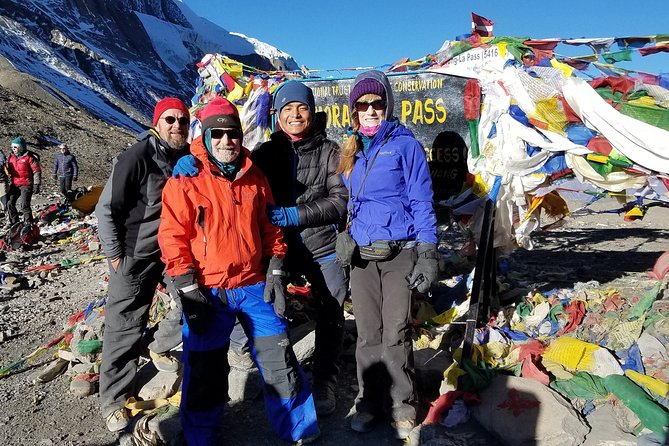
Day 11 is the headline: trek to Muktinath (3,694m/12,106ft) via Thorung La Pass (5,140m/17,769ft), listed at 16 km and 9–10 hours. This is the day the whole circuit bends around. You’re going up to the highest point on this route, then down to where you’ll sleep.
This is also a day where having someone who can explain what you’re seeing helps. Ngima, for example, has been highlighted for explaining Buddhist spirituality well—so the day isn’t only about getting over a pass. You’re also moving through a landscape with deep religious meaning, which can make the effort feel more connected rather than just punishing.
Why this day is mentally different
Earlier days are about terrain and distance. Thorung La day is about time, cold, effort management, and trust in the plan. When you see the pass line-up ahead, it’s less about hype and more about the next step.
Descent to Tatopani: the relief after the high work
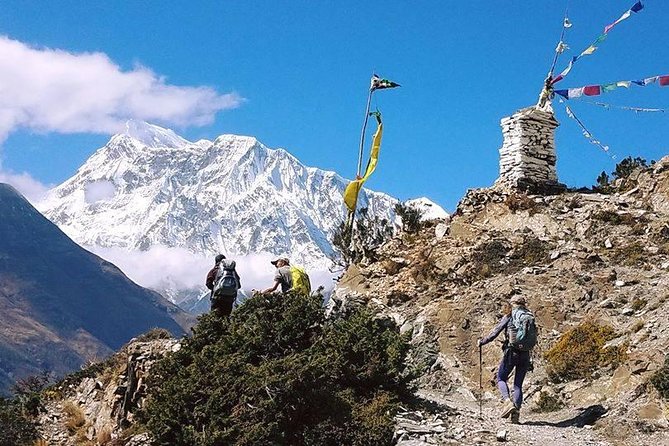
After Day 11, Day 12 is a drive to Tatopani (1,160m/3,805ft), with 60 km and 5–6 hours. That’s a big altitude drop and a big change in body feeling. Even if your legs are tired, moving by road here helps you recover faster than more trekking would.
Then you start the post-pass arc back toward Pokhara. Day 13 hikes to Ghorepani (2,850m/9,350ft), listed at 17.5 km and 6–7 hours. Day 14 takes you down to Hile (1,400m/4,593ft), 12 km and 5–6 hours. These are steady hiking days again, but you’re no longer dealing with the same pass elevations as Thorung La.
Ghorepani to Hile to Nayapul, then Pokhara
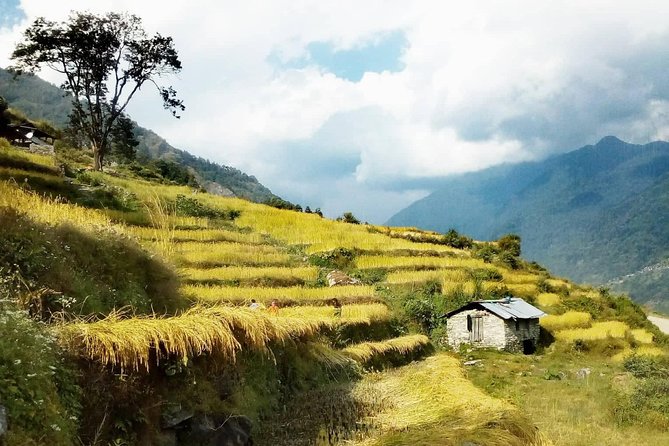
Day 15 is a 3-hour trek to Nayapul (1,010m/3,313ft), 7 km, followed by a drive to Pokhara. Day 16 continues with a drive back to Kathmandu (Day 16 is 1,345m/4,412ft). Day 17 is departure.
This structure matters. Instead of stretching the last day too far, the plan gives you a gentler ending, which helps you enjoy Pokhara without feeling like you still need to “earn” relaxation.
Pokhara is included for one night (bed and breakfast with tax included). That gives you enough time to reset and enjoy a different pace after days of trekking logic.
Included lodges and meals: what that means in real terms
The trek includes 13 nights in local lodges, and breakfast, lunch, and dinner are listed as included during the trek. That’s a huge value point because buying food at altitude can get expensive fast—and options can be limited.
You also get energy supplies such as Snickers, Mars, and Bounty, plus fresh fruits on the trek. Those small things matter more than people think. In cold air, you burn energy just keeping warm, and it’s easier to eat when your snacks are simple and familiar.
There’s also a first aid medicine kit included, plus permits and fees: Annapurna Conservation Fee, TIMS permits, and official documentation. If you’re traveling with limited time, having those handled is a quiet kind of comfort.
Porter support you should plan around
A porter is included on your request—specifically, one porter between 2 clients. That can reduce load stress, but you still need to carry what’s essential for yourself. I recommend you pack strategically so your daypack has the items you’ll access constantly (warm layer, basic essentials), while the porter takes the rest.
Price and value at $1,400 per person
At $1,400 per person for about 17 days, this trek sits in a midrange-to-premium zone, mainly because so many “annoying add-ons” are already included.
Here’s what you’re effectively paying for:
- Guiding and staffed trekking costs: the English-speaking Sherpa guide plus trek staff, with salary, insurance, equipment, food, and accommodation
- Accommodation and meals: local lodges during the trek (13 nights) with breakfast/lunch/dinner
- Permits: conservation and trek permits are included
- Food support: snack and fruit energy supplies on route
- City comfort: two nights in Kathmandu and one night in Pokhara with taxes included
- Ground transfers: Kathmandu to Besi Shar by public bus, and Nayapul to Pokhara by private vehicles
What’s not included is also clear: personal travel insurance, Nepal entry visa fee, lunches/dinners in cities (you’re advised to allow about $10–$14 per meal in tourist restaurants), beverages, and tips for guide/porters/drivers.
So the value equation comes down to this: you’re paying for a staffed trek with food and lodging already handled, not just the right to walk somewhere amazing. If that’s your style—having the logistics handled so you can focus on hiking and altitude—this price makes sense.
Fitness reality check: what you should be ready for
This is a trek for people with strong physical fitness. The daily distances include long hiking days such as 27 km and 7–8 hours (Pisang) and a late-day grind like the 9–10 hour pass day (Thorung La).
You’ll also experience big elevation changes. Even with the acclimatization day in Manang, some days will feel like a different world because the air thins quickly.
This trek is a great fit for you if:
- You want a guided trek with strong logistical support
- You like village-to-high-mountain cultural shifts
- You’re comfortable with one major challenge day (Thorung La)
It may not fit if you want mostly gentle walking or if you’re still building consistent trekking stamina.
Should you book the Annapurna Circuit 17-day trek?
If you want an organized, culturally connected Annapurna Circuit with the tough moments built into a thoughtful schedule, I’d say yes—especially because Manang acclimatization is included and the pass day is handled within a full support structure. The combination of included lodges, meals, and permits also reduces the chaos factor, which is worth real money in peace of mind.
Book with extra caution if you’re on the fence about fitness. This route doesn’t pretend to be easy, and the heights don’t negotiate.
FAQ
FAQ
Where does this trek start and end?
It starts in Thamel, Kathmandu, Nepal, and it ends back at the same meeting point.
How many days is the Annapurna Circuit trekking?
The duration is listed as 17 days (approx.).
What’s included for accommodations during the trek?
Accommodation is included during the trek for 13 nights in local lodges, plus two nights in Kathmandu and one night in Pokhara (bed and breakfast and tax included).
Are meals included on the trekking days?
Yes. During the trek, breakfast, lunch, and dinner are included in the local lodges.
Do I need to arrange permits for the Annapurna trek?
No. Annapurna Conservation Fee, TIMS permits, and all required permits/official documentation are included.
Is a porter included?
A porter is included on request, arranged as one porter between 2 clients.
What isn’t included in the price?
Not included: personal travel insurance, Nepal entry visa fee, lunches and dinners in cities (you should budget $10–$14 per meal in tourist restaurants), beverages (soft drinks, mineral water, boiled water, and beer), and tips for guide, porters, and driver.
Is the booking refundable if I cancel?
No. The experience is non-refundable and cannot be changed for any reason. It can be canceled due to poor weather (with a different date or full refund) or if a minimum number of travelers isn’t met (with a different date/experience or a full refund).