REVIEW · KATHMANDU
Everest Basecamp Trek: 14 days
Book on Viator →Operated by Iconic Holiday Nepal · Bookable on Viator
Everest Base Camp is a long trek with a short runway. This 14-day run through the Khumbu region blends big-altitude effort with practical support, so you can focus on high views and good trail days. I also like that the plan builds in acclimatization and includes the core gear-and-admin pieces like permits.
What I like most is how the days are paced around altitude, especially the Namche rest day and the Kala Patthar sunrise push. You also get real logistical help: a licensed English-speaking guide and porter support make the work of getting to Base Camp far less stressful.
One consideration: the itinerary still includes steep effort above Namche and long walking days, and altitude can change everything. You’ll want to take the acclimatization days seriously and keep a cautious attitude from the start, not on Day 9 when the air gets thin.
In This Review
- Key highlights you’ll feel on the trail
- Entering the trek from Kathmandu: Thamel and the 2-night hotel reset
- Lukla flight day: the thrilling start with real constraints
- Phakding to Namche Bazaar: bridges, steep sections, and your first altitude rhythm
- The Namche acclimatization day: why Syangboch matters
- Tengboche: monastery morning, then trail into the Imja world
- Nangkartshang Peak rest day: altitude prep in a short window
- Dingboche to Dughla, then onward: glacial route vibes and real steepness
- Everest Base Camp day: what you actually get from the long walk
- Kala Patthar at sunrise: the view run you plan for all week
- Trek back down: Namche, forest paths, and Dudh Koshi suspension bridges
- Fly back to Kathmandu: trading mountain air for hot tea
- What you’re paying for: $1,650 value in the parts that matter
- Who this trek suits (and who should reconsider)
- Practical packing and behavior tips for Everest Base Camp
- Should you book Everest Basecamp Trek: 14 days?
- FAQ
- Where does the trek start?
- How long is the Everest Basecamp trek?
- Are flights included to Lukla?
- Is pickup and airport transfer included?
- Do you need permits for the trek?
- What kind of guide and porter support is included?
- Where do you stay during the trek and in Kathmandu?
- What meals are included?
- Are bottled or boiled water included?
- What about travel insurance?
- Is cancellation refundable?
Key highlights you’ll feel on the trail
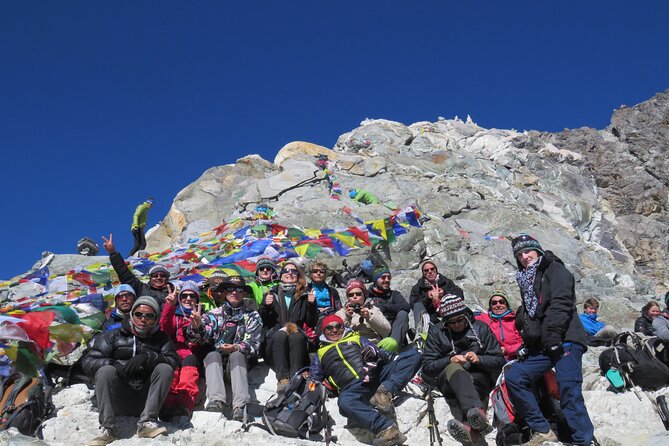
- Lukla round-trip flights are included, saving you from last-minute scrambling
- Guides are first-aid trained and government licensed, which matters at altitude
- Porters carry your luggage (1 porter per 2 clients), so you can hike with less weight
- Acclimatization is built in with a Namche rest day and a short altitude hike after
- Kala Patthar is included before sunrise, giving you an early shot at the best views
Entering the trek from Kathmandu: Thamel and the 2-night hotel reset
Your trip starts at Tribhuvan International Airport, where an Iconic Holiday Nepal team member meets you holding a card with your name (and the company name). From there, you’re transferred to Thamel, the busy central area where you’ll find lots of guesthouses, restaurants, and tour offices.
Thamel is useful for one reason: you can get your bearings fast. In a place like this, it’s easy to top up essentials, pick up any last items, and get a simple meal without overthinking it. Also, the tour includes tourist standard hotel accommodation for 2 nights in Kathmandu, with breakfast. That means you’re not stuck hunting for a place to sleep while you’re still coming down from jet lag.
A small heads-up: the tour includes breakfast in Kathmandu, but it does not include lunch or dinner there. So plan to budget for meals on your Kathmandu days, rather than assuming the whole trip is food-covered.
You can also read our reviews of more tours and experiences in Kathmandu.
Lukla flight day: the thrilling start with real constraints
Early in the morning you fly to Lukla. The operator notes that whether the flight departs from Kathmandu or Manthali depends on flight status during your trip, which is exactly the sort of detail you want to know up front. The flight is short, but the flying itself is a major part of why this trek feels like an Everest adventure.
Lukla Airport is busy during trekking season, and the tour description also flags that it can be considered dangerous due to the landscape. I’m not saying this to scare you. I’m saying it so you treat the flight day as a real day, not a routine hop. If you’re the type who wants a tight schedule after arrival, build in buffer time and don’t plan anything risky that same day.
In practical terms, this trek is built around getting to Lukla as your launching point, so if weather or flight status changes, your pacing and expectations may shift.
Phakding to Namche Bazaar: bridges, steep sections, and your first altitude rhythm
On Day 3 you trek from Phakding toward Namche Bazaar. This section is described as a bit tough: you leave Phakding and walk uphill, crossing suspension bridges and passing settlement areas before you reach Namche.
This is where you start learning your body’s limits. If you keep your effort steady and your breathing controlled, you’ll feel more confident the rest of the way. If you race uphill, altitude will punish you sooner than you think.
Namche Bazaar is a modern hub in the Khumbu region with hotels, restaurants, and tea houses. The tour includes two days in Namche at a free admission ticket level (and your trekking itinerary uses this time for acclimatization). This is a smart move. It’s not just about reaching the next village. It’s about letting your system adapt before you gain more height.
The Namche acclimatization day: why Syangboch matters
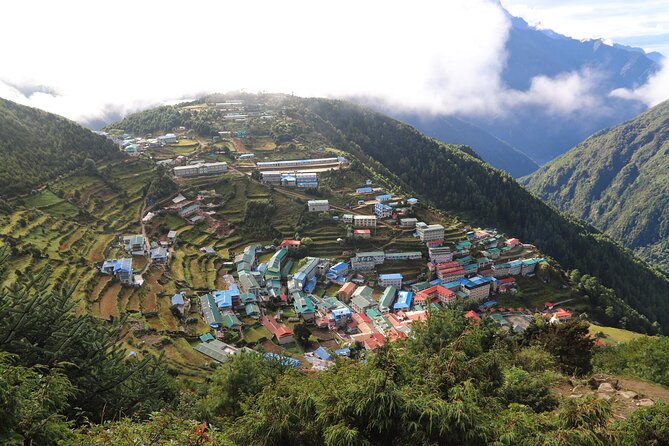
Day 4 is a rest day in Namche Bazaar, and it explicitly calls out acclimatization as crucial after the rise in altitude. The plan includes an early-morning hike toward Syangboch (as listed in the itinerary).
You’re not going for a record. You’re going for adaptation: climb a bit, breathe, then come back down to sleep lower. Done well, it makes the next stages feel safer. Done poorly, it’s when mild symptoms can become real issues.
If you’re new to altitude trekking, treat this day as training: slow steps, lots of pauses, and honest self-checks. And because the tour includes an experienced guide, you’ll have someone who can help you interpret how your pace and symptoms fit the plan.
Tengboche: monastery morning, then trail into the Imja world
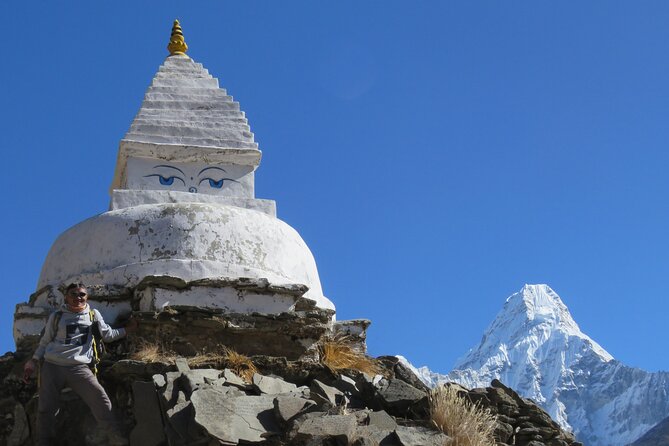
Day 5 moves you toward Tengboche. The day includes a route that initially descends to Dudh Kosi Valley, reaches Phungi Thanka, and then continues by passing the Imja Khola while you keep ascending toward Tengboche.
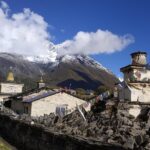
Day 6 is where Tengboche becomes more than just distance. Early in the morning you explore the Tengboche monastery (Gompa). Then after breakfast you leave Tengboche, descend to the Imja River, trek through Pangboche, and continue around the village chain that makes the Khumbu feel lived-in rather than just scenic.
This is one of the places I’d call “cultural ballast.” The monastery stop gives the trek structure beyond walking. It also helps break up the monotony that can set in on long altitude routes, especially if you’re tired.
One consideration: these days involve walking plus multiple changes in elevation. The monastery time is early, so you’ll want to manage your energy, not burn it all before breakfast.
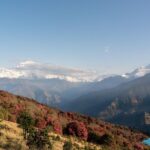
Nangkartshang Peak rest day: altitude prep in a short window
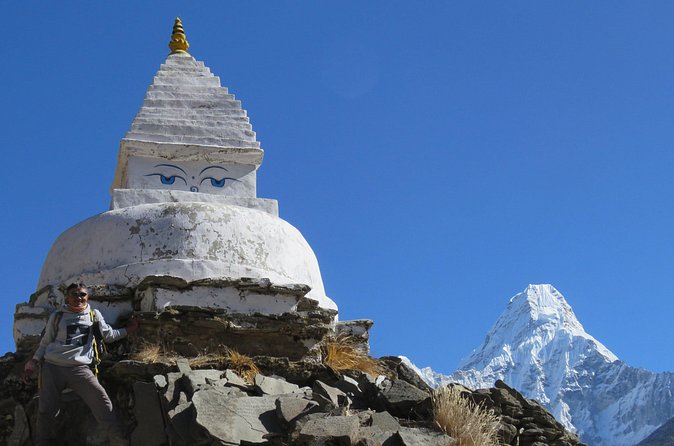
Day 7 is another acclimatization rest day. It mentions a hike to Nangkartshang Peak with a listed duration of about 1 hour. It also emphasizes that adapting to increasing altitude and changing environment helps prevent altitude sickness.
This is the kind of plan detail that makes a difference. A short, controlled outing lets you keep blood moving and test your breathing without turning the day into a struggle. You still get to rest your legs, which matters because Day 8 and Day 9 are steeper and more dramatic.
If you’re prone to going too fast when you feel good, this is where you practice restraint. Feel great? Great. Keep it slow.
Dingboche to Dughla, then onward: glacial route vibes and real steepness
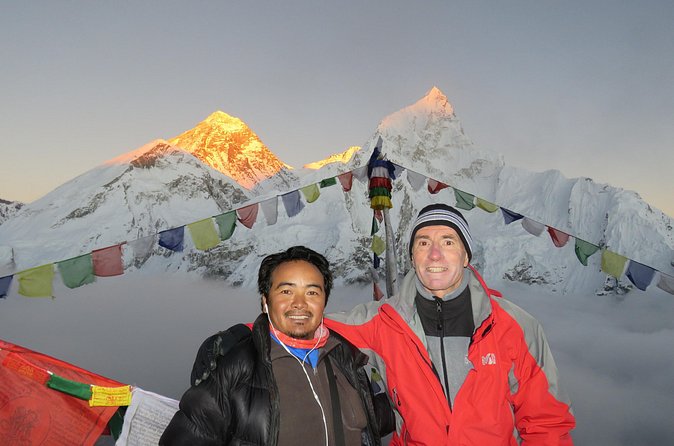
Day 8 leaves Dingboche and heads via bare fields, with the trail gradually getting steep. The itinerary describes hiking to Dughla following the glacial route. That “glacial route” wording is your clue that footing and conditions can feel more serious than earlier trail stretches.
This is also the psychological point where many trekkers start realizing this is no longer just a hike. It’s a climbing-adjacent experience. Your pace needs to stay calm, your pack weight needs to be manageable, and your hydration matters more than usual.
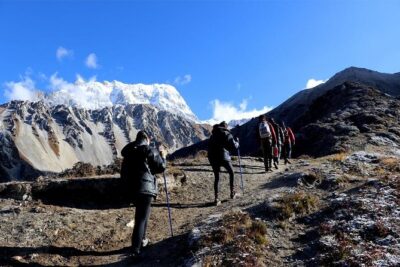
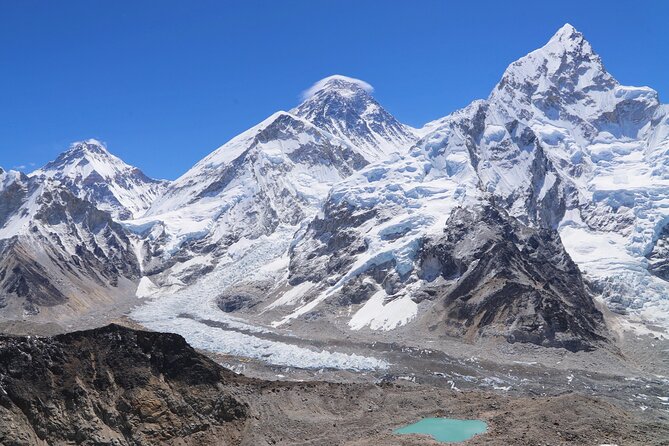
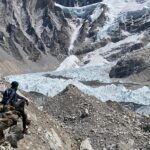
Day 9 is the big push to Everest Base Camp. The route from Lobuche is steeply ascending along the Khumbu glacier. You reach Gorka Shep, which the itinerary notes used to be the base camp of Mt. Everest back in the day, and then you continue toward Base Camp.
This day is the payoff day for the planning you’ve done. It’s also the day where small mistakes (rushing uphill, ignoring symptoms, skipping breaks) are most likely to bite. Go slow. Take breaks early. Don’t wait for a problem to start before you adapt.
Everest Base Camp day: what you actually get from the long walk
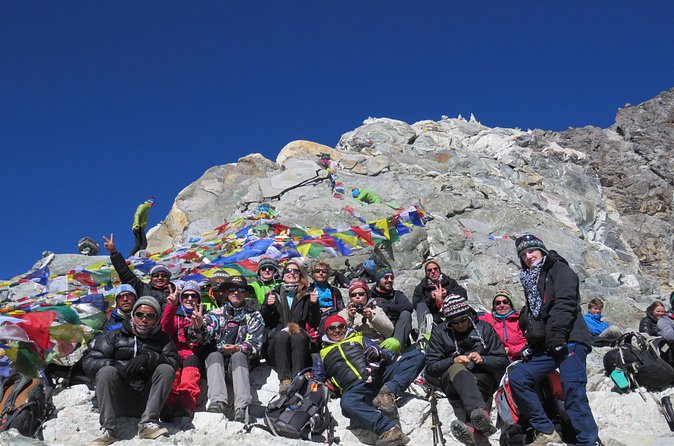
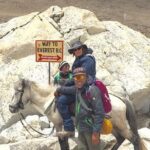
On Day 9 you finally reach Everest Base Camp. The trek description frames it as the moment your walking plan comes into focus, after the climb from Lobuche and the glacier route.
What should you expect on the ground? You can expect a high-altitude base-camp atmosphere: cold air, wind exposure, and a setting where everything feels more stark than in the earlier villages. Even if you’ve seen photos, being there changes your sense of scale.
The tour includes your trekking-day meals (lunch and dinner listed for 11 days, and breakfast for all 14). That helps you keep moving without worrying about where your next meal comes from mid-trek. But remember: beverages including bottled and boiled water are not included, so if you want to stay consistent with drinking habits, budget for water on your own.
Kala Patthar at sunrise: the view run you plan for all week
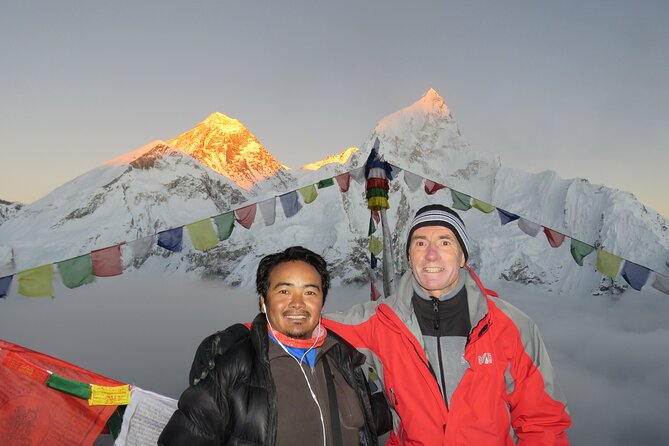
Day 10 is the Kala Patthar hike before sunrise. Kala Patthar is listed as a famous vantage point above Gorak Shep, known for breathtaking mountain panorama views. If you’re thinking about the kind of day worth waking up early for, this is it.
You’ll likely start in cold conditions, and you’ll climb while the sky is still shifting from night to morning. This is where a guide is more than a “nice-to-have.” A good guide helps with pacing and timing so you don’t exhaust yourself before the best light window.
If weather is tricky, sunrise views can be inconsistent. The tour still includes the hike, so your best strategy is to treat it as a high-effort day and stay flexible about what the sky gives you.
Trek back down: Namche, forest paths, and Dudh Koshi suspension bridges
Day 11 begins your descent back toward Namche. The itinerary describes hiking along the trail you previously took earlier, passing Pangboche village and then Tengboche village, crossing a suspension bridge, and continuing into the lower route system that leads you down.
Day 12 starts with a steep descent out of Namche Bazaar, then shifts onto a densely forested path through small settlements. You’ll cross the Dudh Koshi River multiple times on suspension bridges.
Descent is when your knees and shins start bargaining. This is also when you’ll appreciate how the porter support works. If your luggage is carried by the porter arrangement (1 porter per 2 clients), you’re less likely to end the trek with a sore, heavy-pack fatigue hangover.
Also, watch your footing on suspension bridges. They move a bit, they can be slippery, and they’re high above fast-moving water. Treat them as part of the trail difficulty, not as a quick photo break.
Fly back to Kathmandu: trading mountain air for hot tea
On Day 13 you fly back to Kathmandu early in the morning. The tour notes the flight is phenomenal with enchanting aerial views. Once you land, the team drops you at your hotel, and you get some breathing room to recover.
The itinerary doesn’t spell out what you’ll do with the afternoon, so I suggest keeping it simple: get lunch, shower, and do any last shopping in Thamel if you want a comfortable place to browse. This part of the trip is about transition.
Day 14 is simply your departure onward. Your representative drops you at the airport based on your flight departure time.
What you’re paying for: $1,650 value in the parts that matter
At $1,650 per person for 14 days, this trek isn’t cheap. The value comes from the fact that a lot of expensive, annoying items are already folded in.
Here’s what’s included:
- Round-trip airfare Kathmandu to Lukla
- Permits
- Private transportation and all airport transfers on a tourist vehicle
- Accommodation: 2 nights in Kathmandu at a tourist standard hotel (breakfast included) and 11 nights in the Everest region in twin-sharing guesthouses
- An experienced government licensed English-speaking trekking guide, plus first-aid training
- Porters for luggage (1 porter for every 2 clients)
- Trek-day meals: breakfast (14), lunch (11), dinner (11)
And what’s not included:
- Lunch and dinner in Kathmandu
- International flight fare and airport departure tax
- Beverages, including bottled/boiled water
- Travel insurance with high-altitude emergency evacuation coverage
- Tips for trekking staff and drivers
To judge the price fairly, compare what you’d otherwise have to book separately: the Lukla flights, permits, guide, and porter setup are the costly logistical core. If you’ve ever tried to piece those together on your own, you know how much time and uncertainty can leak into the plan.
My practical take: if you want Everest Base Camp with less paperwork and fewer unknowns, this budget fits that goal.
Who this trek suits (and who should reconsider)
This experience is best for you if:
- You have at least moderate physical fitness
- You want a structured plan with acclimatization days built in
- You prefer having a guide who is first-aid trained and English-speaking
- You’d rather carry less weight thanks to the porter ratio (1 porter per 2 clients)
This trek may feel too demanding if you have limited high-altitude experience, or if you’re the type who struggles to slow down when you feel good. Altitude can force changes even in a well-run itinerary, so you need flexibility.
Practical packing and behavior tips for Everest Base Camp
The tour data doesn’t list gear, but altitude trekking is where good habits matter as much as clothing.
- Dress in layers you can add or remove fast. Cold starts and warm afternoons are common on these routes.
- Plan for cold and wind on the early-morning Kala Patthar hike. Start warm, pace slowly, and manage sweat.
- Because beverages including bottled and boiled water are not included, decide in advance how you’ll handle hydration and water purchases.
- Bring money for meals in Kathmandu (lunch and dinner aren’t included there).
- Pack with porter rules in mind: with porters carrying luggage, you’ll still want essentials in your daypack.
Should you book Everest Basecamp Trek: 14 days?
If your goal is to reach Everest Base Camp with a solid support setup, I’d say this tour is a strong option. The included Lukla flights, permits, licensed guide, and porter support remove the highest-friction parts of planning. Add the scheduled acclimatization and the Kala Patthar sunrise hike, and you get a trek that’s built for both the challenge and the payoff.
Book it if you’re ready to work at altitude with patience. Don’t book it yet if you’re hoping for a casual walk, because the plan includes tough segments, steep climbs, and early mornings that demand self-control.
If you want, tell me your fitness level, whether you’ve done altitude before, and your target travel month. I can help you sanity-check if this pacing fits your expectations.
FAQ
Where does the trek start?
The meeting point is Tribhuvan Airport in Kathmandu, Nepal. On the last day, a representative drops you at the airport based on your flight departure time.
How long is the Everest Basecamp trek?
It’s listed as 14 days (approximately).
Are flights included to Lukla?
Yes. The price includes round-trip airfare between Kathmandu and Lukla.
Is pickup and airport transfer included?
Yes. Private transportation and airport transfers on a tourist vehicle are included, along with pickup in Kathmandu.
Do you need permits for the trek?
Permits are included as part of the tour.
What kind of guide and porter support is included?
You get an experienced trekking guide who is government licensed, English-speaking, and first-aid trained. Porters are included for luggage, with 1 porter for every 2 clients.
Where do you stay during the trek and in Kathmandu?
In Kathmandu you get 2 nights in a tourist standard hotel with breakfast. During the trek you stay 11 nights in twin-sharing guesthouses.
What meals are included?
Breakfast is included for 14 days, and lunch and dinner are included for 11 days. Lunch and dinner in Kathmandu are not included.
Are bottled or boiled water included?
No. Any beverages, including bottled and boiled water, are not included.
What about travel insurance?
Travel insurance is not included. The tour specifically notes that you need coverage that includes high-altitude emergency evacuation.
Is cancellation refundable?
Yes. You can cancel up to 24 hours in advance for a full refund.