REVIEW · HANOI
From Hanoi: 2-Day Sapa-Fansipan Peak & Trek & Ha Giang Bus
Book on GetYourGuide →Operated by CÔNG TY TNHH KỲ NGHỈ NINH BÌNH · Bookable on GetYourGuide
Rice terraces meet a giant peak in two days. You’ll get Lao Chai–Ta Van trek and Fansipan Peak in a tight but well-run loop, with a local guide to connect the dots. The only catch is the pace: mornings start early, and you’ll climb steps on Day 2 even if you’re hoping for an easy finish.
I like that the plan mixes big views with real village time, not just photo stops. You also have a smart add-on if you want to keep moving south after Sapa, with buses to Ha Giang scheduled the same day. If you’re sensitive to cold or altitude fog, plan your clothing carefully.
In This Review
- Key reasons this route works so well
- Hanoi to Sapa: limousine bus vs night train changes everything
- Day 1 morning: arrival rhythm, lunch, and getting your legs ready
- The Lao Chai – Ta Van trek: why this is the main event
- Evening in Sapa: dinner and a calmer end to Day 1
- Day 2: Fansipan Peak by cable car, pagoda stop, and 600 steps
- Sapa to Ha Giang the same day: choose the 14:30 limousine or 19:30 sleeper
- Meals and the small logistics that make it feel smooth
- Budget reality: what’s included, what costs extra, and what you actually get
- Weather, packing, and who should go (and who shouldn’t)
- Should you book this Hanoi–Sapa–Fansipan–Ha Giang trip?
- FAQ
- How do I get from Hanoi to Sapa on this trip?
- Is the Fansipan cable car ticket included?
- What village area do I trek to?
- What meals are included during the 2 days?
- How do I connect from Sapa to Ha Giang if I choose that option?
- What are the extra costs related to holidays?
- What should I pack for Sapa weather?
- Is the tour suitable for pregnant women?
Key reasons this route works so well
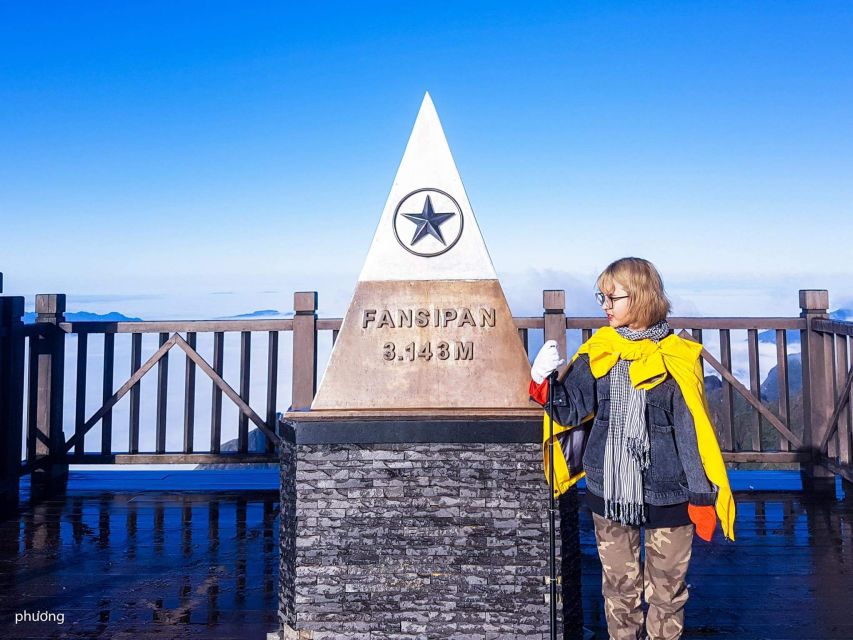
- Fansipan, two ways: cable car up, then a 600-step climb for the Roof of Indochina feeling
- Lao Chai – Ta Van trek: rice terraces plus the Muong Hoa Stream corridor
- Village visit with a local guide: learn daily life and culture with support, not a random wander
- Time-saving Sapa → Ha Giang bus: options at 14:30 and 19:00 from Sapa
- Meals included: 2 lunches, 1 dinner, and 1 breakfast, so you’re not hunting food every gap
- Optional night departure: night train or night bus can help you avoid a whole lost day of travel
Hanoi to Sapa: limousine bus vs night train changes everything
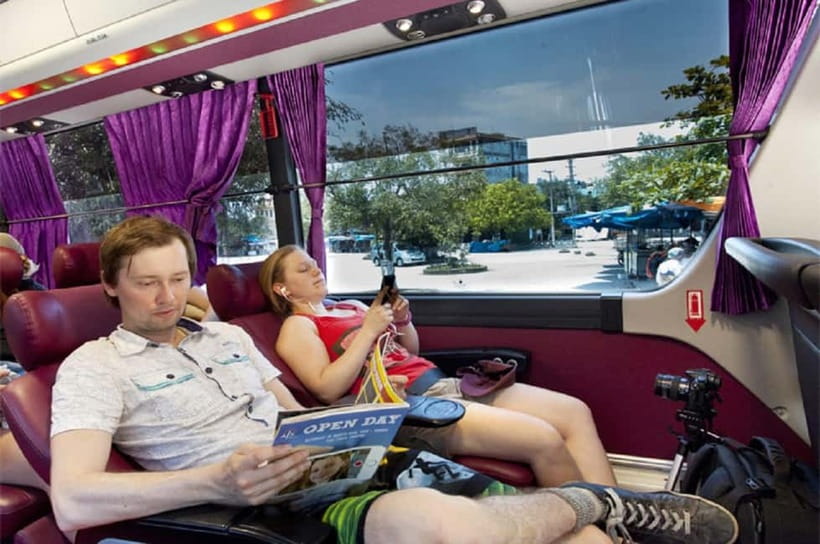
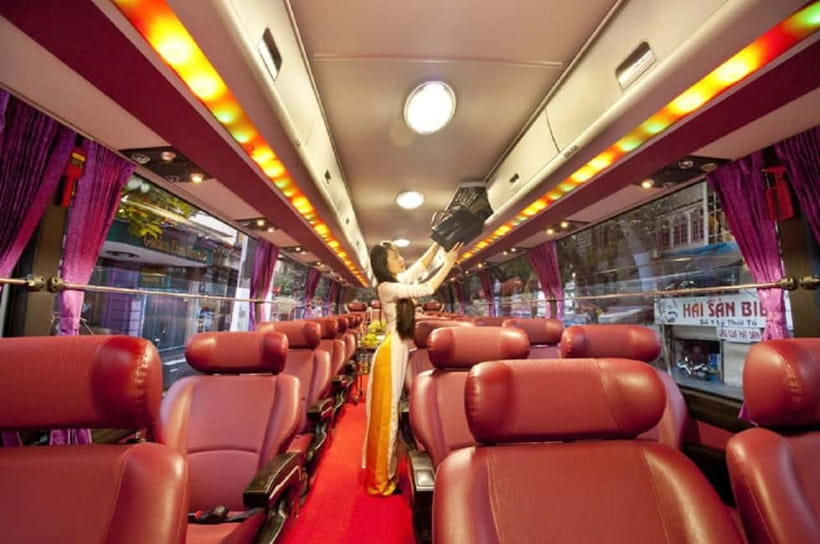
This trip is built around getting you from Hanoi into Sapa territory efficiently. You’ll either start fresh with a morning departure (around 6:15 am) by sleeper bus, or you can choose an optional night ride around 21:30 by night train or night bus to head toward Lao Cai/Sapa.
Here’s why that choice matters for you. If you pick the early departure, you gain a full day in Sapa right away, which makes the trek feel less rushed. If you pick the night departure, you’re trading comfort-style travel time for sleep time, and you usually arrive with less daytime commuting.
Either way, the transfer plan includes a few breaks along the route in Phu Tho Province and Lao Cai city for light breakfast or coffee. That sounds minor, but it keeps the day from turning into a single long blur.
Finally, there’s the practical “value” angle: this tour can include the round-trip limousine bus ticket between Hanoi and Sapa (optional), which helps you avoid the common situation where you spend extra time and energy piecing transport together.
You can also read our reviews of more tours and experiences in Hanoi.

Day 1 morning: arrival rhythm, lunch, and getting your legs ready
Day 1 starts early, with a meet-up at 204 Tran Quang Khai Street. Then you head toward Sapa with planned stop breaks so you can reset. When you arrive, you’re greeted by a Sapa representative and brought in for lunch with local Vietnamese dishes.
I like this because you don’t land and immediately have to solve food and navigation. Instead, you eat first, then you walk. Your body also has time to wake up before you’re on uneven terrain in mountain air.
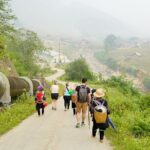
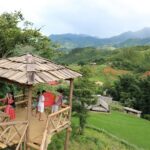
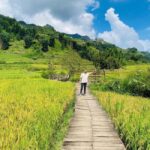
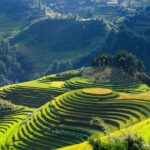
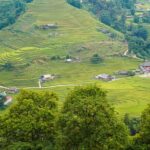
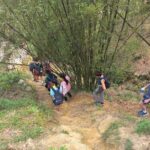
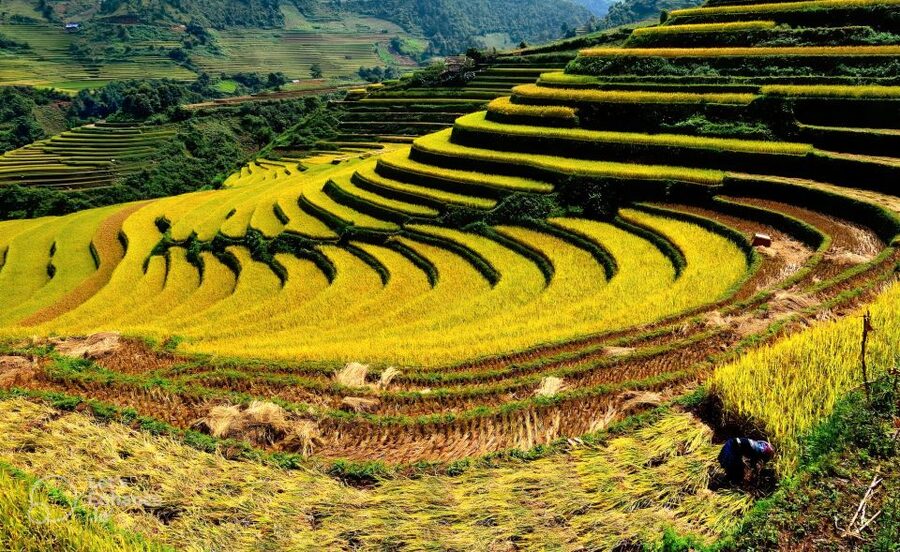
After lunch, you begin the trek through rice terraces and along the Muong Hoa Stream. This is the kind of scenery where the route itself is part of the story—pathways follow the water and the terraces, so your views change as you move, not just at one viewpoint.
One note: the trek isn’t sold as a “flat stroll.” You’ll want comfortable shoes and to bring the clothing layers Sapa demands (more on that below).
The Lao Chai – Ta Van trek: why this is the main event
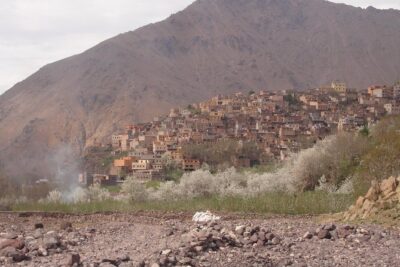
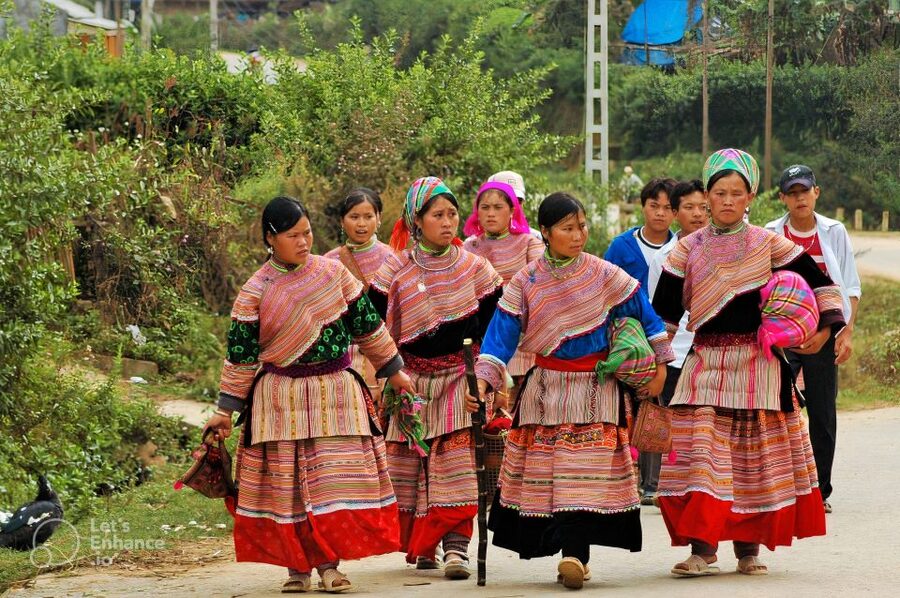
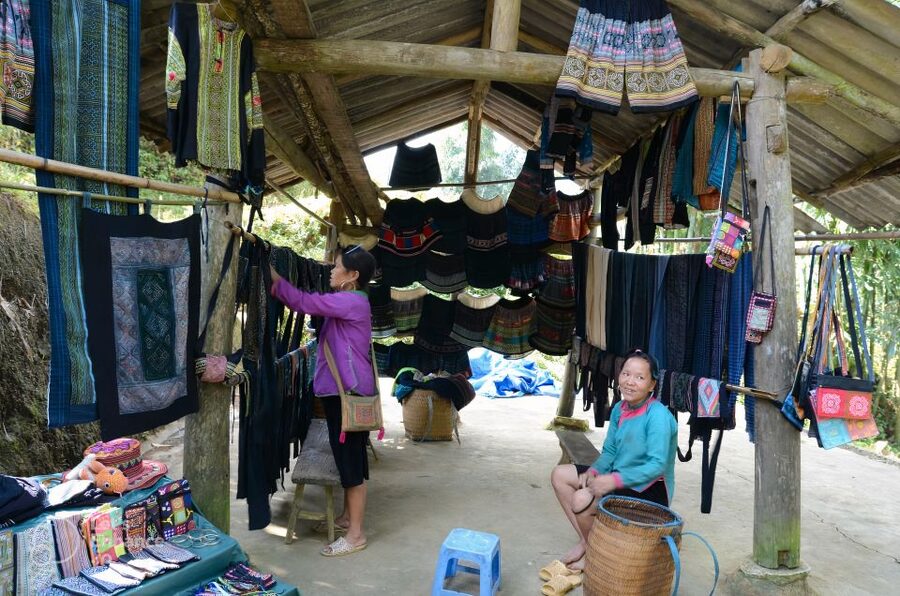
This is the heart of the experience. You’ll reach the Black Hmong village of Lao Chai, surrounded by Hoang Lien Son Mountain. From there, the route continues through the area in a way that lets you see both everyday life and the natural corridor created by the stream and terraced fields.
What makes this trek especially good for first-timers is the combination:
- Nature time: rice terraces and stream-side walking
- People time: a village visit where you can learn about day-to-day life and culture
- Guide support: someone helps you connect what you see with how the community lives
You’re not just dropped at a gate and told to wander. You’ll have a local guide for context and for a more respectful flow through village spaces. If your guide happens to be someone like Song, the style you’ll likely appreciate is clear, organized, and focused on making the experience understandable without turning it into a lecture.
Also, the tour includes entrance ticket to Lao Chai Ta Van, which matters because it reduces the friction of paying and planning while you’re already tired and ready to walk.
Evening in Sapa: dinner and a calmer end to Day 1
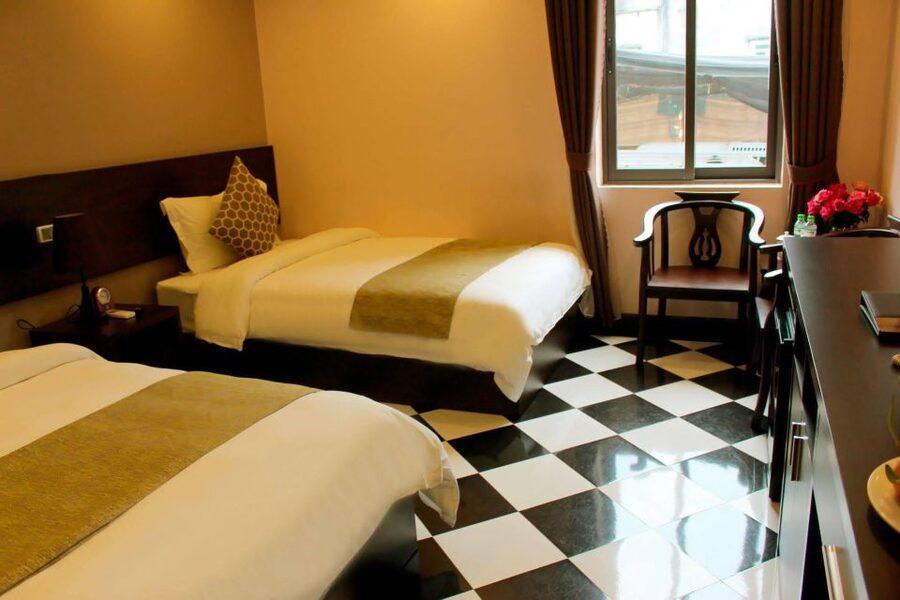
When the trekking portion finishes, a car brings you back to your hotel. Then you have dinner as part of the plan.
This “back to base” moment is more valuable than it sounds. Sapa mornings can be cold and the walking uses different muscles than city life. Having dinner handled (instead of searching late) makes it easier to get a real night’s rest before Fansipan.
If you want to maximize value, keep your evening simple:
- Eat well and drink enough
- Plan your warm layer setup for the next day
- Pack your cable-car-day items so you’re not hunting in the morning
Day 2: Fansipan Peak by cable car, pagoda stop, and 600 steps
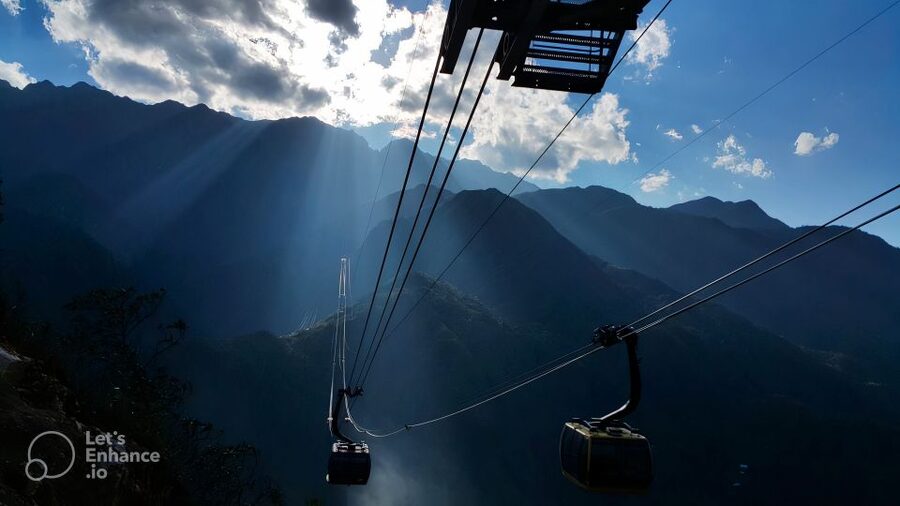
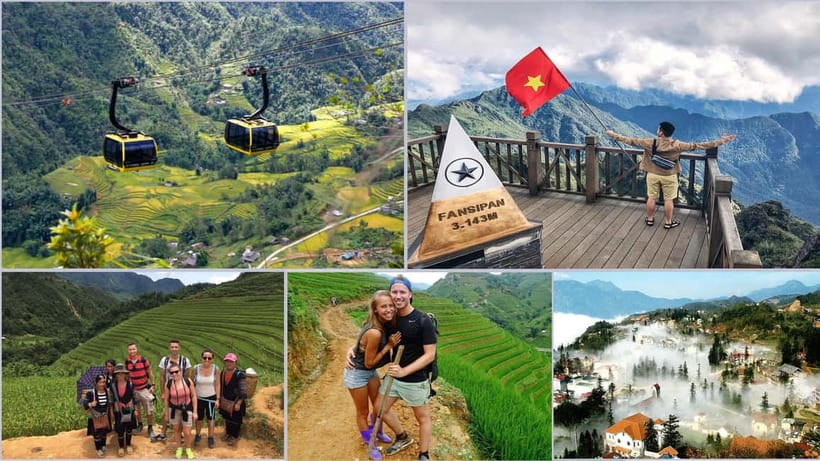
Day 2 is where the trip earns its headline. After breakfast, you transfer to the Fansipan cable car station. Your driver or guide helps you buy the cable car ticket (this is not included).
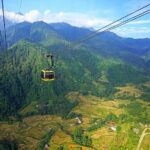
The cable car ride itself is about 20 minutes. The point of the cable car isn’t to “avoid effort.” It’s to get you high enough that the views and air shift fast, and then you can focus on the top experience.
Once you reach Fansipan, you’ll:
- Visit a pagoda
- Climb around 600 steps to the peak (known as the Roof of Indochina)
This is the part that’s worth thinking about in advance. Even if your trek on Day 1 felt manageable, peak steps add a different kind of effort. Your success here comes down to pacing, breath control, and dressing warm enough for thin-air conditions.
Ticket reality: the Fansipan cable car round-trip ticket is 850,000 VND per person and must be paid separately. If you’re budgeting, treat that as a fixed cost that’s central to the experience, not a surprise add-on.
After the climb, you return to Sapa and have lunch at the hotel. Then you either head back to Hanoi or continue on toward Ha Giang, depending on your option.

Sapa to Ha Giang the same day: choose the 14:30 limousine or 19:30 sleeper
If your goal is Ha Giang next, this tour gives you a practical bridge. From Sapa, there are two bus options listed:
- 14:30: a limousine bus (18 seats) picking you up at May hotel
- 19:30: a sleeper bus (40 seats) picking you up at its meeting point
It’s important that these Ha Giang rides cost extra and you’ll need to arrange payment through the travel consultant.
Here’s the value in this setup: you’re not wasting time backtracking or hunting separate transport. You use the momentum of Day 2, after lunch, to keep the trip moving.
If you’d rather have one more evening in Sapa and then return to Hanoi, the plan also includes a 14:00 limousine bus back to Hanoi, with drop-off around 8:30–8:45 pm at Tran Quang Khai Street.
Meals and the small logistics that make it feel smooth
The included meals are part of what makes this tour feel doable. You get:
- 1 breakfast
- 2 lunches
- 1 dinner
Beverages aren’t included, so it’s smart to budget for water and any drinks you want. Still, the food structure reduces stress. On a mountain itinerary, fewer decisions mean more energy for the actual sights.
You’ll also be traveling with transfers—including the trip to the Fansipan cable car station and back. And you get local support through the guide, which is the difference between “seeing” a place and understanding it while you’re there.
Budget reality: what’s included, what costs extra, and what you actually get

Even without a full price listed here, you can estimate your total “must-pay” items clearly:
Included (value you’re buying):
- Transportation between Hanoi and Sapa (round-trip limousine ticket is optional depending on your package)
- 3-star hotel on a twin-sharing basis
- Meals: 2 lunches + 1 dinner + 1 breakfast
- Entrance ticket for Lao Chai Ta Van
- Local guide support
- Fansipan cable car station transfers
- Optional bus from Sapa to Ha Giang
Not included (the key extras you should plan for):
- Fansipan cable car ticket: 850,000 VND per person
- Beverages and any government taxes (not included per the info)
- Ha Giang bus if you choose that option (extra fee)
- Holiday surcharge: 700,000 VND/person on specific dates (April 30, May 1, Sept 1–3, Dec 24–31, Jan 1) paid directly with the guide
This is good value if you want two big experiences—a major peak day plus a real village trek—without building logistics from scratch. If you already know you want to spend extra time in Sapa beyond the plan, then the cost-benefit shifts, because the schedule is built to fit both Days 1 and 2 tightly.
Weather, packing, and who should go (and who shouldn’t)
Sapa weather is unpredictable, and the altitude changes how it feels. The tour info is clear: bring warm clothes, plus a scarf and hat. It’s normally cold from September through March, and it can be foggy from December through March.
Packing that matters here:
- Trekking shoes (you’ll be walking on uneven terrain)
- Sunglasses and sun cream (high altitude sun can bite)
- Insect repellent
- Any needed medication
- Extra clothes, especially if you get wet during stream-side walking
Also, there’s a clear limitation: this tour is not suitable for pregnant women.
If you hate cold mornings or you don’t like step-heavy climbs, you might find the Fansipan part stressful. But if you can dress in layers and keep a steady pace, the structure makes it manageable.
One more money tip that helps: bring cash in Vietnamese Dong, because the banking system in Sapa sometimes struggles. U.S. dollars, euros, and Australian dollars are accepted in Sapa, but don’t count on plastic alone.
Should you book this Hanoi–Sapa–Fansipan–Ha Giang trip?
I’d book this if you want a fast, organized way to hit the region’s top highlights without spending days arranging transport. The pairing of Lao Chai – Ta Van trekking with Fansipan Peak is exactly what many people come to Northern Vietnam for, and the added Sapa → Ha Giang bus option is a smart way to keep your itinerary moving.
Skip it (or reconsider the plan) if:
- You want a slow travel pace with long village hangs and minimal stairs
- You’re not comfortable with cold mountain weather or step-heavy climbs
- You’re traveling with someone who can’t do light-to-moderate trekking or this type of itinerary (not suitable for pregnant women)
FAQ
How do I get from Hanoi to Sapa on this trip?
You can travel from Hanoi to Sapa by limousine bus (optional in the package) or by an optional night train or night bus departure around 21:30 toward Lao Cai/Sapa.
Is the Fansipan cable car ticket included?
No. The cable car round-trip ticket is 850,000 VND per person and you pay at your own expense with help from the guide or driver.
What village area do I trek to?
The trek route is focused on Lao Chai – Ta Van, including the Black Hmong village of Lao Chai.
What meals are included during the 2 days?
You’ll have 1 breakfast, 2 lunches, and 1 dinner included.
How do I connect from Sapa to Ha Giang if I choose that option?
There are two bus departures from Sapa: 14:30 (limousine, 18 seats) and 19:30 (sleeper bus, 40 seats). You’ll pay an extra fee for these and you’ll need to confirm details with the travel consultant.
What are the extra costs related to holidays?
There’s a holiday surcharge of 700,000 VND per person for specific dates (April 30, May 1, Sept 1–3, Dec 24–31, Jan 1). It’s paid directly with the guide.
What should I pack for Sapa weather?
Bring warm clothes, a scarf, and a hat. Also consider trekking shoes, sunglasses, sun cream, insect repellent, and any needed medication.
Is the tour suitable for pregnant women?
No. It is stated as not suitable for pregnant women.