REVIEW · KATHMANDU
Langtang Valley Trek – 8 Days
Book on Viator →Operated by Base Camp Adventure Pvt. Ltd. · Bookable on Viator
Langtang Valley feels close to Tibet. This 8-day trek takes you through Tamang villages and up to the ancient Kyanjin Gompa, with big Himalayan scenery and a pace that stays “comfortably low” compared to many altitude-heavy routes.
What I really like is how it pairs dramatic mountains (including Langtang Lirung) with down-to-earth days in rhododendron forest and village trails. I also like the practical support: you get meals, permits, and even trekking sleep gear like a down jacket and sleeping bag, plus an oxymeter check during the trek.
The one thing you should consider is that the route is remote and weather-dependent, so you’ll need solid commitment to trekking days and flexibility if conditions don’t cooperate.
In This Review
- Key highlights to notice before you go
- Why Langtang Valley Treks Like a Real Himalayan Detour
- Day 1: Kathmandu to Syabru Besi by Windy Road and Mountain Views
- Day 2: Bhote Koshi Crossing, Then Forest Trails Toward Lama Hotel
- Day 3: Langtang Village, Stone Thatched Houses, and a Mountain That Dominates
- Day 4: Kyanjin Gompa and Why Sacred Places Matter on a Trek
- Day 5: The Day Off That Doesn’t Feel Like Wasted Time
- Day 6: Retracing to Lama Hotel Through Rhododendron Again
- Day 7: Steep Ridge Descent Back to Syabru Besi
- Day 8: The Long Drive to Kathmandu and How to Close the Loop
- Price and Value: Is $1,000 Fair for This 8-Day Trek?
- Gear, Permits, and the Small Safety Details That Actually Help
- Who This Trek Fits Best (and Who Should Rethink It)
- Should You Book Langtang Valley Trek for Your First Himalayan Trek?
- FAQ
- What does the trek include for meals?
- Where do you start and when does it begin?
- How do you travel between Kathmandu and the trail?
- Is a guide provided?
- What trekking permits are included?
- What gear is provided?
- What fitness level do you need?
- What happens if weather is poor?
Key highlights to notice before you go
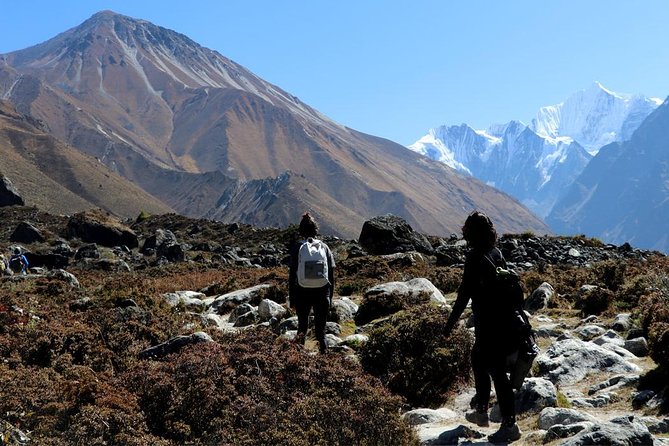
- Tamang culture that feels Tibetan-influenced, with language and religious practices closer to Tibet than the Middle Hills
- Kyanjin Gompa, a monastery Tamang locals consider highly sacred
- Optional viewpoints from Kyanjin Ri and Tserko Ri on your lighter day
- Gear included (down jacket, sleeping bag, duffel bag) so you can travel lighter
- Safety-minded extras like an oxymeter plus first-aid kits and meds for trekking staff
- A first-timer-friendly pace with a “day off trekking” instead of constant grind
Why Langtang Valley Treks Like a Real Himalayan Detour
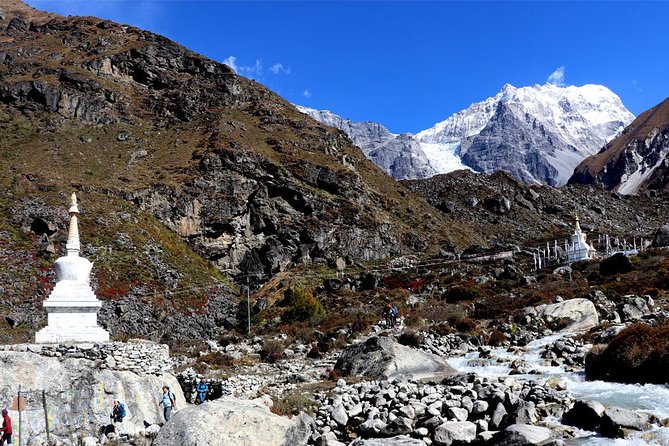
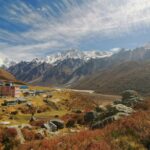
Langtang Valley sits south of the main Himalayan range and just north of another line of snowy peaks. That geography matters because you feel tucked in between ridges the whole time, with big walls of mountain looming above valleys and river trails.
What makes this trek special is the mix of high-mountain drama and a human story you can actually walk through. The valley was set up as Nepal’s first Himalayan national park back in 1971, and it’s home to Tamang communities whose traditions, dress, and language share more with Tibet than with Nepal’s Middle Hills.
There’s also a neat origin legend behind the name: “lang” for yak, and “teng” (often explained as dhang) for to follow. A lama supposedly found the valley after following a runaway yak. Even if you don’t care about legends, the point is you’re trekking into a place with identity, not just scenery.
You can also read our reviews of more tours and experiences in Kathmandu.
Day 1: Kathmandu to Syabru Besi by Windy Road and Mountain Views
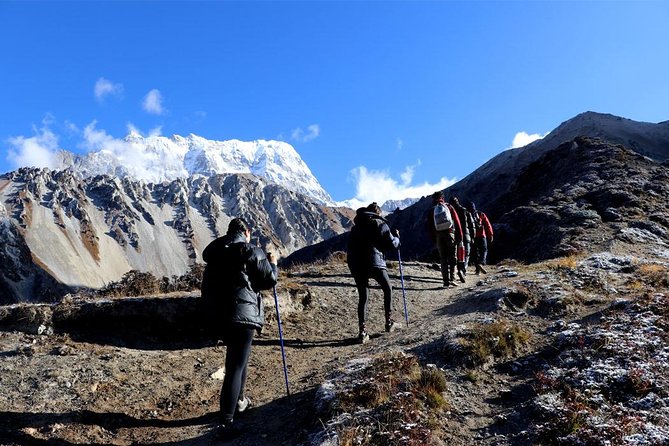
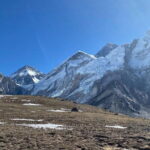
You start in Kathmandu and head out toward Syabru Besi, the trekking launch point. The drive is described as uneven and windy, with plenty of roadside moments to watch the Langtang and Ganesh Himal range appear and shift with the road.
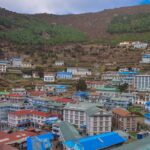
Syabru Besi itself is your first taste of the valley route. It’s a calmer place to settle in, adjust mentally to the trek ahead, and get your gear in order. Since your tour includes a surface bus transfer, this day is mostly about positioning, not physical suffering.
Practical note: since you begin at 11:15 am, you’re not stuck with an ultra-early start. Still, plan to be ready for a full day once the drive begins, especially if Kathmandu traffic has you guessing.
Day 2: Bhote Koshi Crossing, Then Forest Trails Toward Lama Hotel
On day two, you drop down to the Bhote Koshi River and cross via a suspension bridge to enter the Langtang Valley. That crossing is one of those simple moments that changes your mindset—suddenly you’re in a corridor that feels like it’s been carved for trekking.
After the bridge, you follow the Langtang River upstream through lush forest. Expect rhododendron and bamboo, plus scattered settlements as the valley opens up gradually. This is the day where you’ll likely notice how the trek mixes walking with frequent sight breaks: the mountains don’t jump at you all at once, they show up in layers.
You end at Lama Hotel, and the viewpoint is part of the pay-off. From here, the trek description calls out views of Naya Kang and Langtang II, which is a solid first set of “yes, this is why we came” moments.
Day 3: Langtang Village, Stone Thatched Houses, and a Mountain That Dominates
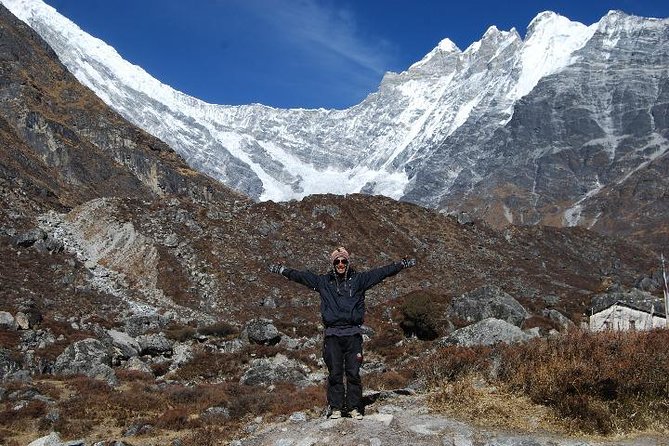
Day three pushes from river-trail pacing into a gradual ascent toward Langtang village. The path follows the rhythm of high-valley trekking: steady effort, frequent looking up, and a feeling that you’re walking inside the valley’s walls.
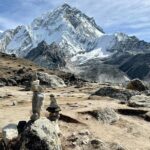
Once you reach the village, it’s more than a waypoint. Langtang village is a Tamang community, with stone thatched houses, plus yaks and wild goats mentioned as local pets. You’re also surrounded by rhododendron forests, agro fields, and—most importantly— a strong view of Langtang Lirung (listed around 7227m in the route notes).
This is the day I’d call “cultural and scenic at the same time.” You have time to explore and not just hurry through. If you like treks where village life is visible—not hidden behind quick stops—this is your moment.
Day 4: Kyanjin Gompa and Why Sacred Places Matter on a Trek
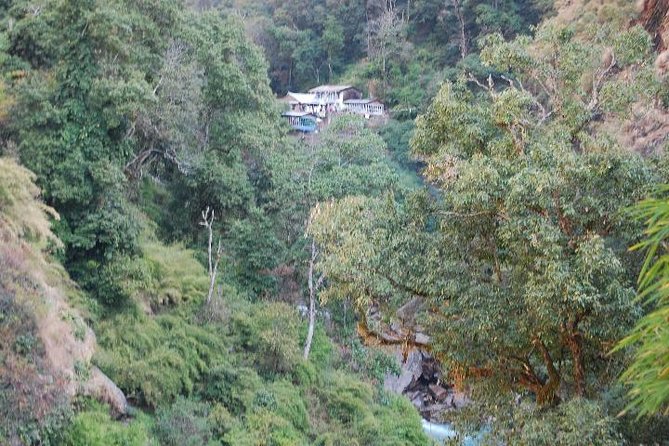
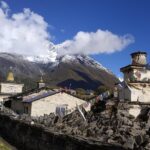
Day four continues alongside the Langtang River with a route that includes ascents and descents before you reach Kyanjin Gompa. The key detail here is not only that it’s a monastery, but that it’s considered one of the most sacred places by Tamang locals of the Langtang valley.
At Kyanjin Gompa you get the reward view of the Langtang range, plus called-out peaks like Dorje Lakpa and Langshisa Ri. Even if your hike is moderate, the scenery at monastery stops tends to feel extra “big,” because the buildings often sit where the valley opens up visually.
One small consideration: the day’s description suggests a night back at Langtang village after reaching Kyanjin Gompa. That doesn’t mean it’s hard—just be prepared that the monastery day is the highlight, while the sleep location may shift based on the route flow.
Day 5: The Day Off That Doesn’t Feel Like Wasted Time
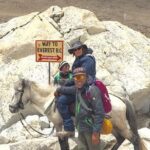
Day five is a “day off trekking,” which is honestly smart on an 8-day itinerary. Instead of stacking more long-distance walking, you hike for views and then spend time around the village and monastery.
You can go up to Kyanjin Ri (4773m) and Tserko Ri (4984m) for wide mountain views. Those are not summit pushes for everyone; you can treat them as optional effort depending on how you’re feeling.
The route also includes exploring the Kyanjin monastery and a local cheese factory. That’s a good way to learn something concrete—what people make and how they live—without turning the day into a museum stop.
If you like treks where your body gets a chance to reset but your curiosity stays fed, this half-guided, half-free day is a big plus.
Day 6: Retracing to Lama Hotel Through Rhododendron Again
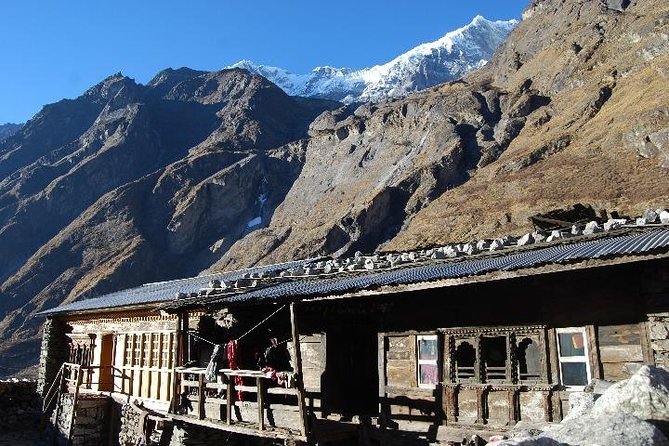
On day six you retrace your way back through the valley, walking from the Kyanjin area toward Lama Hotel. The description emphasizes lush rhododendron forests and passing Langtang village again and Ghoda Tabela along the way.
Retracing can sound boring on paper, but on this kind of trail it often feels like a second chance. Light changes. Your pace changes. The mountains you stared at on the way in now come with the comfort of “I know this route.”
You stay overnight at Lama Hotel again. This is also where the tour’s included accommodation style matters: guest houses on this track are simple, and having “best available” lodging (mostly twin sharing) helps avoid last-minute chaos.
Day 7: Steep Ridge Descent Back to Syabru Besi
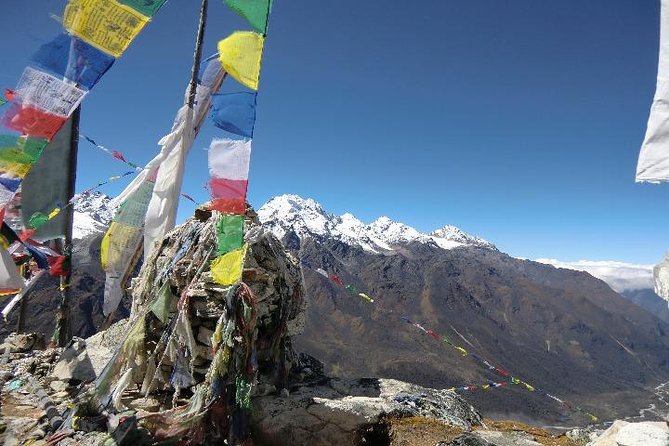
Day seven is the final hiking day, taking you from Lama Hotel back toward Syabru Besi. You follow the trail along the Langtang River with a gradual descent, and then there’s a steep section mentioned above the river.
That steep part is worth respecting. Even when you’ve already done the hard days, descents can be tough on knees and legs, especially on uneven footing. The good news is that you’re not being asked to “start from zero”—you’re finishing what you’ve already trained for.
The reward is the valley return. As you near Syabru Besi, the route description calls out mesmerizing views of green scenery and Tamang villages along the way. Overnight is at a local guesthouse.
Day 8: The Long Drive to Kathmandu and How to Close the Loop
On day eight, you drive back to Kathmandu with Trishuli River views for much of the journey. You also get local villages and green terrain moving by alongside you, which is a nice contrast after days where your world is only trail and mountain.
Once you reach Kathmandu, you’re transferred to your hotel, and you can stroll around the city. This part matters because you don’t go straight from mountains into a blank calendar. You get a landing, then time to enjoy your last evening without rushing for transport.
Price and Value: Is $1,000 Fair for This 8-Day Trek?
At $1,000 per person, the value is all about what’s included versus what you’d pay separately elsewhere. This trek bundles key costs that typically add up fast for Himalayan trips: permits (including national park entry and fees), three meals a day, and “best available” guest houses mainly in twin sharing.
You also get practical support staff coverage: food, accommodation, salary, insurance, equipment, medicine, and transportation for trekking staff. That’s not a “small” line item; it’s the difference between a smooth trek and a chaotic one.
Then there’s the gear. Getting a down jacket, sleeping bag, and duffel bag included can save you both money and hassle. If you don’t travel with bulky winter gear, this can be a big deal.
One thing to keep in mind: not included items include travel insurance (compulsory), alcohol and drinks, laundry, and personal equipment. So budget for your own essentials and any extra comfort choices.
Bottom line: if you want a guided, gear-included trek with permits handled and meals covered, $1,000 is in the “worth it” category. If you already own the gear, have insurance, and can organize logistics cheaply on your own, then the price advantage shifts. But most people choosing this style want less stress, and this package is built for that.
Gear, Permits, and the Small Safety Details That Actually Help
This trek includes down jacket and sleeping bag, plus first aid medical kits and an oxymeter to check pulse and oxygen saturation and heart rate. That sounds technical, but it’s the kind of monitoring that can help you pace yourself better when conditions change.
You also have a local government licensed English-speaking trekking guide. Having a guide who can navigate the route and interpret conditions matters more in remote valleys than in popular high-traffic trails.
Permits are also handled: national park entry plus entry fees. That takes away a common headache—trying to coordinate paperwork while your travel days are already full.
A practical note from the human side: Base Camp Adventure Pvt. Ltd. has guides highlighted by name in past trips, including Shree and Prakash. The pattern is consistent: responsive planning before arrival and a guide who keeps the trek fun and organized on the ground.
Who This Trek Fits Best (and Who Should Rethink It)
This trek is built for people with moderate physical fitness who still want a real Himalayan experience. The route is not described as a technical climb, and the schedule includes a lighter day, plus you retrace trails through familiar valley terrain.
If you want:
- Tamang village culture with Tibetan-adjacent religious and language feel
- Mountain views without a constant summit grind
- A guided trip where permits and meals are handled
…this is a strong match.
If you don’t like steep descents or you struggle with uneven mountain paths, you should take extra care with expectations. Also, because the trek needs good weather, you’ll want to be flexible about conditions and comfort with an outdoor schedule.
Should You Book Langtang Valley Trek for Your First Himalayan Trek?
I’d book it if you want a first serious trek that still feels manageable. The combination of Kyanjin Gompa, village time in Langtang, optional viewpoint hikes on your rest day, and the “valley-to-mountains” feeling makes it a smart learning trek.
I’d also lean toward booking if you travel light. With down jacket, sleeping bag, and duffel bag included, you avoid the gear scramble and the regret that comes with buying bulky items you’ll never use again.
The only real reason to pause is if you’re very sensitive to weather delays or if you need a perfectly predictable day-by-day routine. This trek depends on conditions, and that’s not unique to one company—it’s how the Himalayas work.
If your goal is an authentic valley trek with real human contact and mountain payoff, this one earns its place.
FAQ
What does the trek include for meals?
The package includes three meals a day (breakfast, lunch, and dinner) during the trek.
Where do you start and when does it begin?
You meet in Kathmandu and the start time is listed as 11:15 am. The activity ends back at the meeting point.
How do you travel between Kathmandu and the trail?
The experience includes a surface bus transfer from and to Kathmandu.
Is a guide provided?
Yes. You get a local government licensed English-speaking trekking guide during the trek.
What trekking permits are included?
The price includes all necessary trek permits, plus National Park entry permit and entry fees.
What gear is provided?
Included gear is down jacket, sleeping bag, and duffel bag.
What fitness level do you need?
The information provided says travelers should have moderate physical fitness.
What happens if weather is poor?
The experience requires good weather. If it’s canceled due to poor weather, you’ll be offered a different date or a full refund.