REVIEW · POKHARA
Pokhara: 9-Day Annapurna Base Camp Trek with Poon Hill
Book on GetYourGuide →Operated by MTA Trekking Pvt. Ltd. · Bookable on GetYourGuide
A dawn view can change how you remember a place forever. This Annapurna Base Camp + Poon Hill trek layers Himalayan sunrise drama, rhododendron forests, and village life into a route that feels big without being out of reach. I like the way the schedule mixes steady hiking with real recovery time at tea houses and lodges, and I like that you get a guided setup that handles permits and trail logistics. One thing to consider: you’ll climb lots of steps, and the higher altitude day is serious enough to respect even if altitude sickness is said to be rare.
You start from Pokhara, ease into the trek along the Modi Khola, then work your way up toward Poon Hill and finally to Annapurna Base Camp at 4,130 meters. You’ll hike in a private group with an English/Hindi guide, and the trail includes a payoff many people remember most: soaking sore legs in the natural hot spring at Jhinu Dada.
In This Review
- Key Points That Make This Trek Work
- Poon Hill Sunrise and the Annapurna Views You Came For
- Pokhara to Tikhedhunga: Start Easy, Then Build Rhythm
- Ulleri Steps and Ghorepani at 2,840m: The Rhododendron Stair Challenge
- Poon Hill Sunrise to Tadapani or Chuile: Forest Walking After the Big Moment
- Chuile to Sinuwa: River Convergence and a Serene Stretch
- Deurali and the Road to Annapurna Base Camp at 4,130m
- Bamboo to Jhinu Dada: Descend, Then Soak
- Jhinu Dada Back to Lakeside Pokhara: A Soft Landing
- Price and Logistics: What Your $487 Gets You
- Guides, Pace, and How the Team Changes Your Experience
- What to Bring for Annapurna Base Camp Comfort (and Fewer Problems)
- Who Should Choose This Trek (and Who Should Skip It)
- Should You Book This Annapurna Base Camp + Poon Hill Trek?
- FAQ
- How long is the trek?
- What altitude will I reach?
- Is there a natural hot spring?
- Are meals included?
- Is a guide included, and what languages do they speak?
- Is cancellation and trip flexibility available?
Key Points That Make This Trek Work
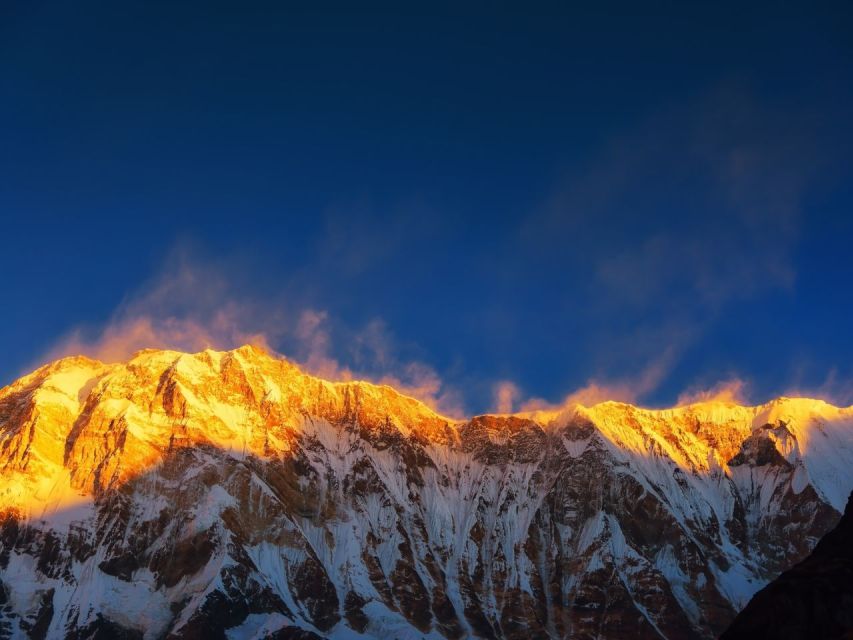
- Poon Hill sunrise: the route is built around catching early light over Annapurna South, Hiunchuli, and Fishtail.
- Rhododendron forests and village stops: you get more than just mountain views; you pass through places where people actually live.
- A real summit day without endless guessing: Deurali to Annapurna Base Camp is the big altitude moment, timed by a guided plan.
- Care for your body on the way down: Bamboo to Jhinu Dada is a recovery-focused segment with a natural hot spring.
- Private group guidance: guides and permits are handled, and you’re not left figuring out timing on your own.
- Solid base camp atmosphere: you reach the glacier-and-peak zone that makes Annapurna feel close enough to touch.
Poon Hill Sunrise and the Annapurna Views You Came For
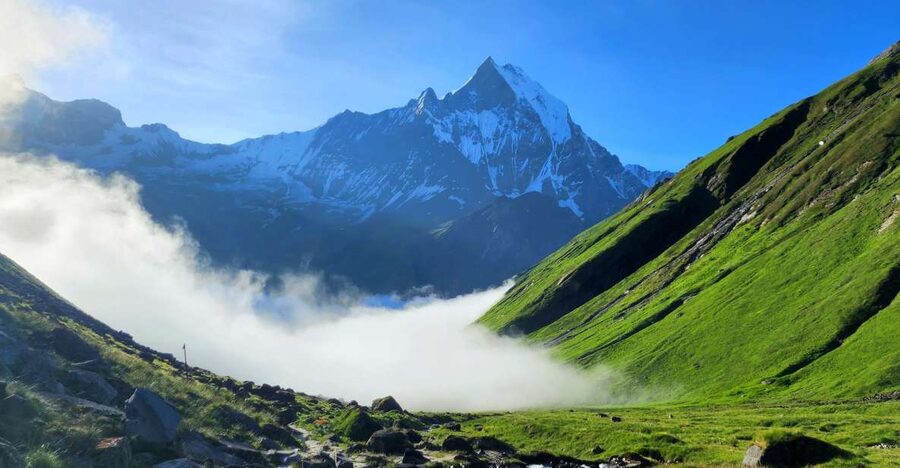
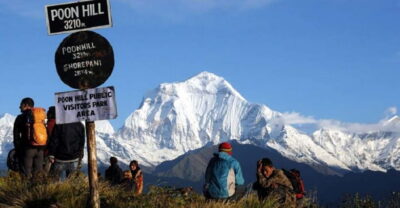
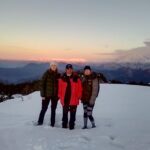
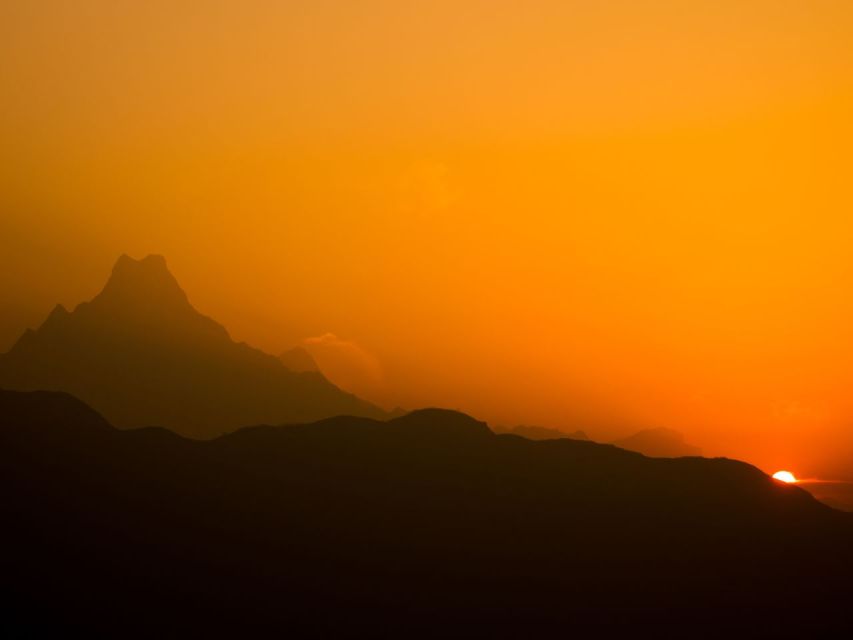
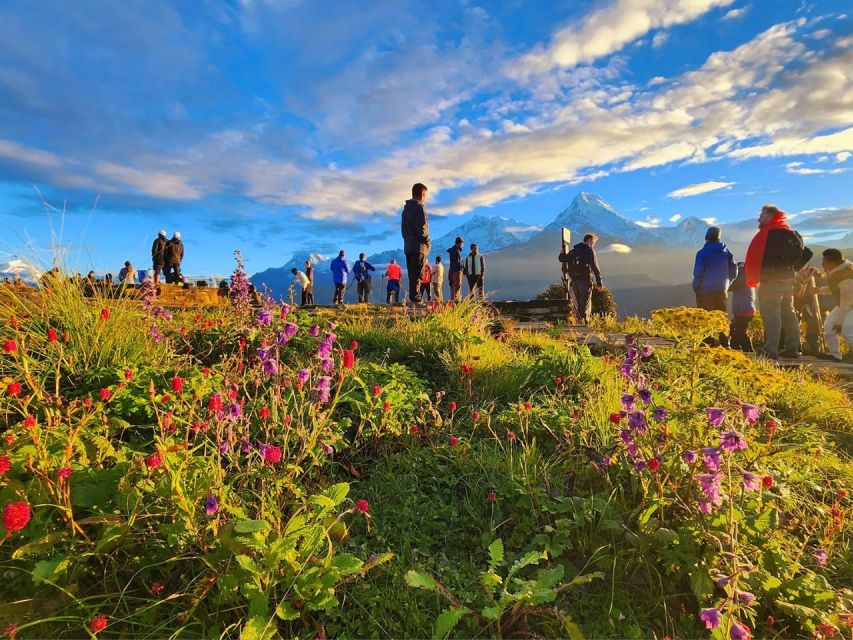
If you only do one day of the trek, do it for Poon Hill. The whole walk earns its keep because the view happens early—sunrise from Poon Hill at 3,210 meters—when the snow lights up and the air feels sharp and clean. It’s not just pretty scenery; it’s the moment you finally understand the scale of the Himalayas.
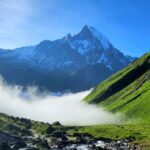
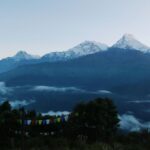
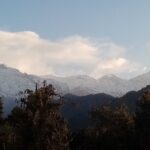
This trek promises views of the Annapurna range, including Annapurna South, Hiunchuli, and Fishtail. That matters because different peaks show up differently as the light changes. You’ll also get that classic rhythm: wake up, reach the viewpoint, warm yourself with a hot drink, then watch the colors shift across the snow before you head back into the trail.
A small but practical plus: sunrise days can make your whole schedule feel smoother. When your day starts with that kind of payoff, the later miles don’t feel like a punishment—they feel like the cost of the view.
You can also read our reviews of more tours and experiences in Pokhara.
Pokhara to Tikhedhunga: Start Easy, Then Build Rhythm
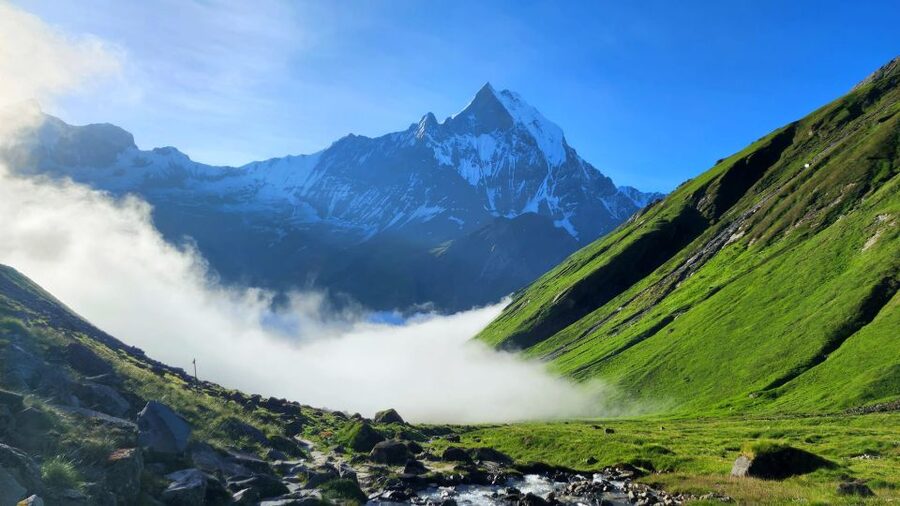
Day 1 is designed like a on-ramp. You ride about 2 hours from Pokhara to Nayapul, then trek for about 3 hours to Tikhedhunga at 1,570 meters. The terrain is manageable enough to get your legs working without turning the first day into a slog.
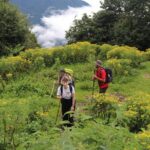
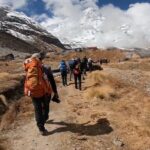
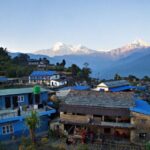
You’ll pass scenic sections along the Modi Khola River, plus charming villages. This is where you get your first taste of how life moves along the trail: small settlements, tea houses, and a steady flow of hikers and locals sharing the path. Rhododendron forests are part of the experience too, so even early on, you’re not stuck in only stone and dust country.
The main practical win on this day is pacing. You rest at a cozy tea house in Tikhedhunga, so you’re not scrambling for comfort after a long travel day. If you’re the type who gets grumpy when plans go sideways, that structure helps.
Ulleri Steps and Ghorepani at 2,840m: The Rhododendron Stair Challenge
Day 2 brings the trek’s well-known test: Ulleri village with over 3,000 steps. It’s a day that rewards steady effort, not speed. Yes, it’s a lot of stairs. But the key is that the path is direct and you’re hiking on a schedule built to get you there without chaos.
Once you climb into the Ulleri area, the rhododendrons can be part of what makes the work feel worth it. Ghorepani itself sits at 2,840 meters, and it’s a welcoming village with friendly tea house options. After a climb day, you want a place where you can eat, reset, and sleep without drama. Ghorepani does that job well.
One consideration: if you’re not used to frequent uphill steps, you’ll feel it in your thighs and calves even if you’re fit. My advice is simple—shorten your stride and keep your breathing steady. The trail looks like it wants a sprint. It doesn’t. A calm pace keeps the rest of the week from feeling harder than it needs to.
Poon Hill Sunrise to Tadapani or Chuile: Forest Walking After the Big Moment
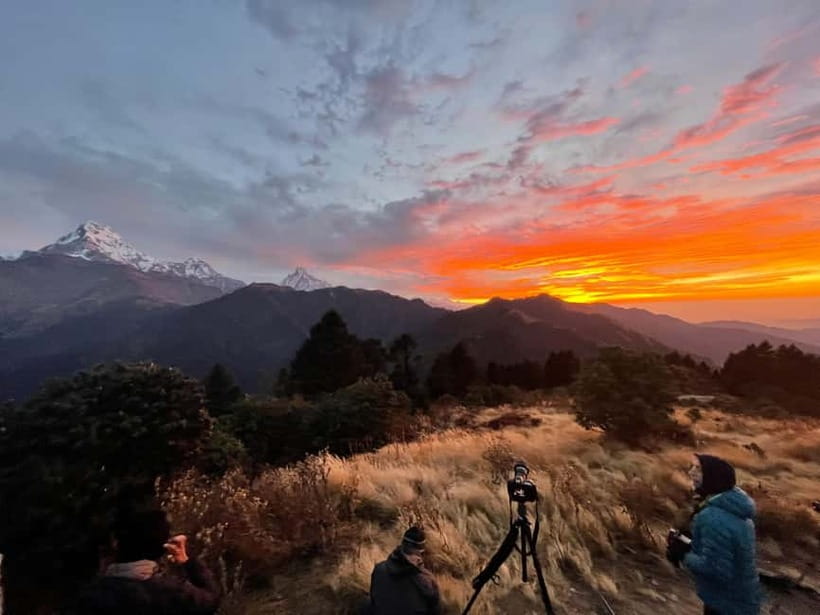
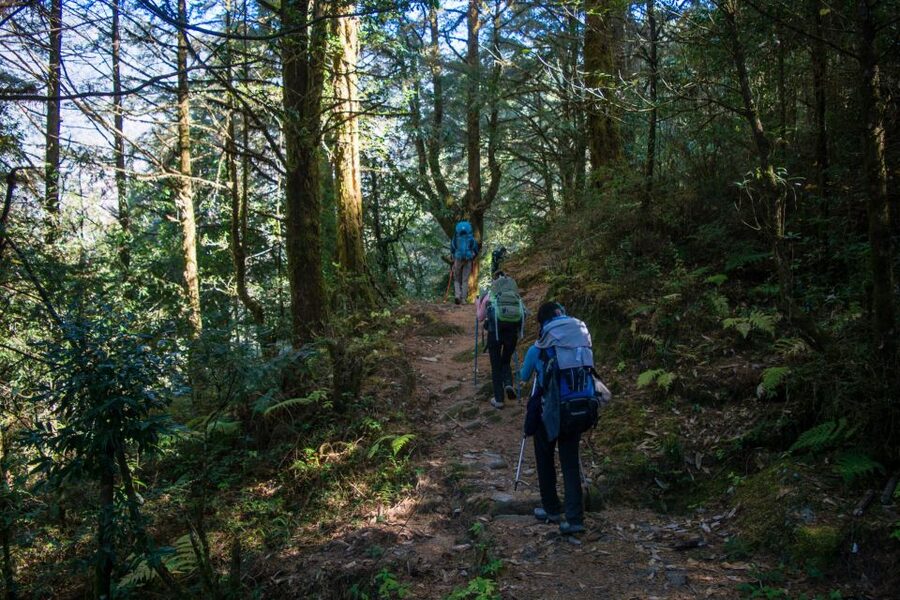
Day 3 is where the trek turns from view-focused to forest-focused. You’re set up for another early highlight: sunrise from Poon Hill (still the 3,210-meter viewpoint). Then you transition into the middle hills, trekking through rhododendron and forest areas toward Tadapani or Chuile at around 2,400 meters.
The timing is smart. You get the Himalayan spectacle first, and then you spend the rest of the day moving through cooler, quieter scenery. It’s often easier on your mind than days where you hike for hours before any payoff.
You’ll find comfort in a cozy hotel amidst nature’s beauty. That matters because Day 3 is long enough (about 6 hours) that you’ll want a warm meal and a decent bed. Also, hotel- and tea-house styles can vary day by day—staying at a place that feels cozy keeps your energy stable.
If you hate carrying layers, this is a good day to plan ahead. Morning can be crisp at that altitude, and then it warms up as you descend slightly and move through trees. Pack smart so you’re not stuck in your heaviest clothes for the whole hike.
Chuile to Sinuwa: River Convergence and a Serene Stretch
Day 4 continues the journey toward the higher camps, moving from Chuile to Sinuwa at 2,170 meters. The trek takes about 5 hours, and it’s positioned like a steady step in the “make progress” direction without demanding the hardest climbing.
One special detail here is the way the route crosses the convergence of the Kumrung and Modi Rivers. Even if you don’t stop to stare at the water for long, river junctions change how the valley feels. You often get a wider sense of space, plus a little more visual variety than a straight line through the same kind of trail.
This day also helps you mentally. Sinuwa gives you another night at a guided stop with time to recover before the bigger altitude effort ahead. It’s not a rest day, exactly, but it’s a “keep your momentum” day.
Deurali and the Road to Annapurna Base Camp at 4,130m
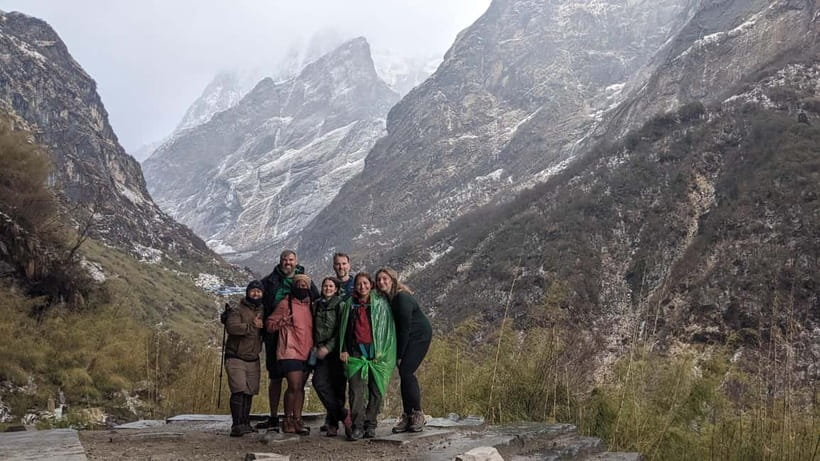
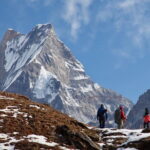
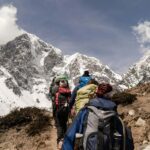
Days 5 and 6 are the emotional peak of the trek. Day 5 moves from Sinuwa to Deurali at 3,200 meters over about 6 hours. You’ll trek and explore lush forest sections, with the Annapurna range and Machhapuchhre mountains as companions. This is where the views get more dramatic because you’re climbing high enough that the peaks start to look huge and close.
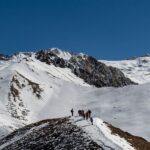
Then comes Day 6: Deurali to Annapurna Base Camp at 4,130 meters (about 6 hours). This is the “yes, we really did it” day. You’ll arrive at a zone of snow-capped peaks and glaciers—exactly the kind of environment that makes Annapurna Base Camp feel like more than just another viewpoint.
Altitude is the practical consideration here. The trek description notes altitude sickness is a possibility, and even if it’s said to be rarely happening, you should treat this portion seriously. My advice:
- go slow on the ascent, even when you feel capable
- drink regularly (small sips, not chugging)
- don’t ignore symptoms. Tell your guide early if you feel off
A good guide plan matters most on this day. When you’re tired and the air is thinner, decisions get harder. A calm, experienced guide helps keep you moving in a safe, steady way.
Bamboo to Jhinu Dada: Descend, Then Soak
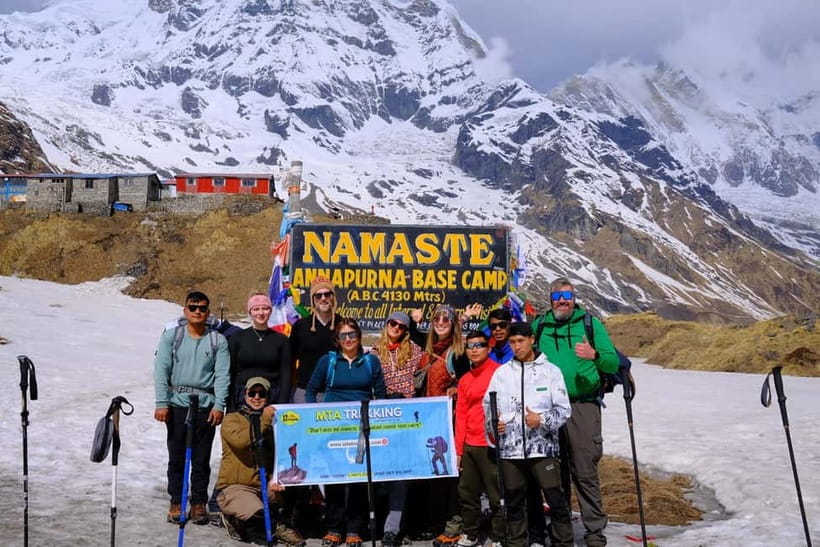
Reaching base camp is only half the story. Days 7 and 8 focus on getting you back down without turning the descent into punishment.
Day 7 takes you from Annapurna Base Camp to Bamboo at about 2,300 meters over 6 hours. Descent can sound easier, but it can stress knees and ankles. The route also offers another chance to take in the mountains from a different angle. Instead of staring up at the high peaks all day, you watch them shift behind you as the trail lowers.
Day 8 is the recovery payoff: Bamboo to Jhinu Dada Hot Spring at 1,600 meters over about 5 hours. The natural hot spring is the kind of moment you’ll remember when you’re sitting with aching muscles and thinking, why did I do this? Then you soak, and the trek stops feeling like work.
A hot spring isn’t just comfort. It’s a signal that the harder days are over. That helps you sleep better too, which matters because Day 9 is your final return to Pokhara.
Jhinu Dada Back to Lakeside Pokhara: A Soft Landing
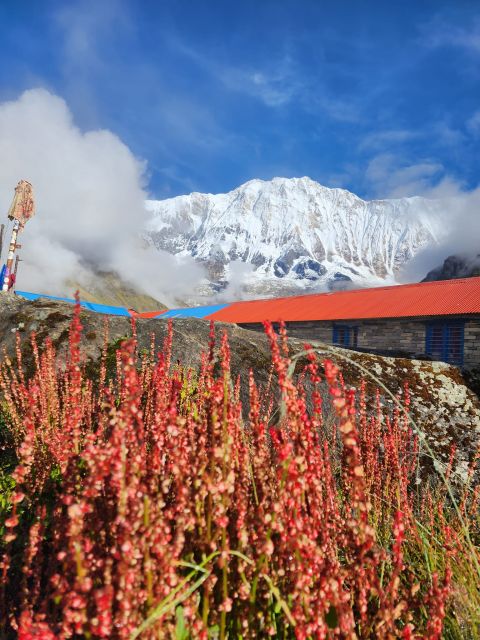
Day 9 is the gentle finish: trek and transfer back to Lakeside Pokhara. The trek portion is about 2 hours, followed by a comfortable ride. After nine days of air, altitude, and trail rhythm, moving back to the lake area feels almost surreal.
This is where you’ll reflect on what you actually accomplished. You climbed from valley villages up into base camp territory, you watched the mountains light up at sunrise, and you earned a real rest day body-wise via the hot spring.
If you want a practical win, plan a low-key evening in Lakeside Pokhara. You’ll want time to eat well, shower if needed, and sort your photos while the experience is still fresh.
Price and Logistics: What Your $487 Gets You
This trek is listed at about $487 per person, and the value depends on what you compare it to. For me, the key is not the sticker price—it’s what’s included that reduces uncertainty.
From the information provided, this package includes:
- transportation during the trek
- trekking permits and paperwork
- government taxes
- accommodation
- staff expenses during the trek
Meals are included only for a full package, so if you’re trying to budget tightly, confirm whether your version includes meals each day or if you’ll be paying for some meals separately.
What you should also expect not to include:
- soft and hard drinks
- travel and rescue insurance
- personal expenses like phone calls and laundry
- water and hot shower costs, plus extras that can add up (like battery recharge)
- trekking poles, sleeping bags, crampons, and similar gear
The private-group setup and guided service are where this trek can feel easier than DIY. One of the strongest pieces of feedback in the provided accounts is how well permits and logistics are handled, plus support during the trek. Guides such as Lalit and Pratiksha are specifically named, and there’s also a standout mention of a young porter, Rickson, carrying bags with dedication and a big smile despite being on his first trek.
That human factor matters. When someone knows the timing and can answer questions without getting flustered, you spend less energy worrying and more energy enjoying.
Guides, Pace, and How the Team Changes Your Experience
A trek like this is never just about walking. It’s about decision-making. Where do you stop, when do you leave, what pace keeps you safe at altitude, and how do you avoid turning a normal day into stress?
In the provided accounts, the guides were praised for being professional, kind, and patient—especially on tougher hiking days. That fits what you should look for in a guide on the Annapurna route. You want someone who can keep the group moving but also reads the room when people feel tired.
You’ll hike with an English/Hindi guide, and the group is private. That usually means you’re less likely to feel like you’re stuck in a crowd with different fitness levels. It’s also a better fit if you prefer practical answers and a calmer rhythm.
Also note the “team support” value. One mention says the team was able to assist during the trek, and another highlights how logistics like permits and lodge bookings are taken care of. That kind of planning means you’re not spending your mental energy on paperwork or route switching when you should be focusing on the view and your footing.
What to Bring for Annapurna Base Camp Comfort (and Fewer Problems)
You’ll want to travel prepared for weather swings and trail basics. Bring:
- comfortable shoes
- weather-appropriate clothing
- sunscreen
- sunglasses
Even with a guide, you’re responsible for your comfort. That includes layers, rain protection if you’re trekking in wetter months, and basic hygiene items.
Gear that isn’t included is also worth noting: trekking poles, sleeping bags, and crampons are not part of the package. If you don’t own these, plan for where you’ll rent or borrow them ahead of time.
Altitude and the way you react to it is another “bring it” issue, even if it’s not an item. This trek goes up to 4,130 meters at base camp, and the description says altitude sickness is possible though rarely happens. If you’ve been sick at altitude before, be extra cautious.
Finally, think about the season. During monsoon months (June to August), the weather can be erratic with heavy rainfall. On top of wet trails, leeches can be a nuisance on lower trails. The provided guidance is practical: wear long pants tucked into gaiters and use insect repellent. If you’re going in monsoon season, pack accordingly and let your guide decide what’s safe for the route that day.
Who Should Choose This Trek (and Who Should Skip It)
This trek suits hikers who:
- want a classic Annapurna experience with Poon Hill sunrise
- enjoy village walking and tea-house nights as part of the adventure
- can handle several 5- to 6-hour hiking days
- like the idea of a hot spring recovery day at Jhinu Dada
It may not suit you if:
- you are pregnant
- you have altitude sickness issues
- you’re over 70
That’s not me trying to be dramatic; it’s about matching the trek to your risk level. The route climbs to 4,130 meters, and the schedule includes a mix of stairs, forest walking, and high-altitude walking days.
Should You Book This Annapurna Base Camp + Poon Hill Trek?
Book it if you want the Annapurna highlight combo in a guided, private-group style: sunrise at Poon Hill, rhododendron and village trails, and the emotional win of reaching Annapurna Base Camp, then recovering at Jhinu Dada hot spring.
Skip it or consider a different plan if you hate stairs, dislike any altitude risk at all, or you know you struggle with thin air. This trek can be very manageable for many people, but the Ulleri steps and the base camp altitude are real parts of the deal.
If your top goal is to see the peaks light up at dawn and you’d rather focus on the hike than paperwork, this package is built for that.
FAQ
How long is the trek?
The trek is 9 days total.
What altitude will I reach?
You’ll reach Poon Hill at 3,210 meters and Annapurna Base Camp at 4,130 meters.
Is there a natural hot spring?
Yes. On the way back, you’ll visit Jhinu Dada Hot Spring.
Are meals included?
Accommodation and other core costs are included, but meals are included only for a full package. If you’re booking, confirm what your specific package covers.
Is a guide included, and what languages do they speak?
Yes, there is a live tour guide. The guide speaks English and Hindi.
Is cancellation and trip flexibility available?
Free cancellation is offered up to 24 hours in advance for a full refund, and there is also a reserve now & pay later option mentioned.