REVIEW · KATHMANDU
From Kathmandu: 5-Day Gosaikunda Lake Trek
Book on GetYourGuide →Operated by Cordial Trek Pvt. Ltd. · Bookable on GetYourGuide
Five days to a holy glacial lake.
I love the Gosaikunda Lake hike itself, and I also like how the trek threads through Langtang National Park with views of the central Himalayas. The group stays small (up to 14), and the guides behind the scenes can make the climb feel purposeful, not chaotic. One thing to consider: it’s short, but the altitude jump and steep segments can feel intense fast—especially when you’re aiming for a 4,380m high point.
This is a practical “from Kathmandu, into the mountains” trip. You’re not dealing with complicated transfers, and the package covers the big must-dos like permits, TIMS, and full-board meals on the all-inclusive option. Plus, equipment like a sleeping bag and trekking poles can be borrowed, which is a real win if you’re traveling light.
Timing matters here. The trek runs year-round, but the views are best when skies are mostly clear, so you’ll want flexible expectations if clouds roll in.
In This Review
- Key points before you go
- Kathmandu to Dhunche: the mountains start moving before the trek
- Gosaikunda at 4,380m: the sacred lake day you remember
- Day-by-day: what each stretch feels like (and where to watch your step)
- Day 1: Kathmandu to Dhunche, then to Deurali (2,790m)
- Day 2: Deurali to Laurebina via Chandanbari (3,910m)
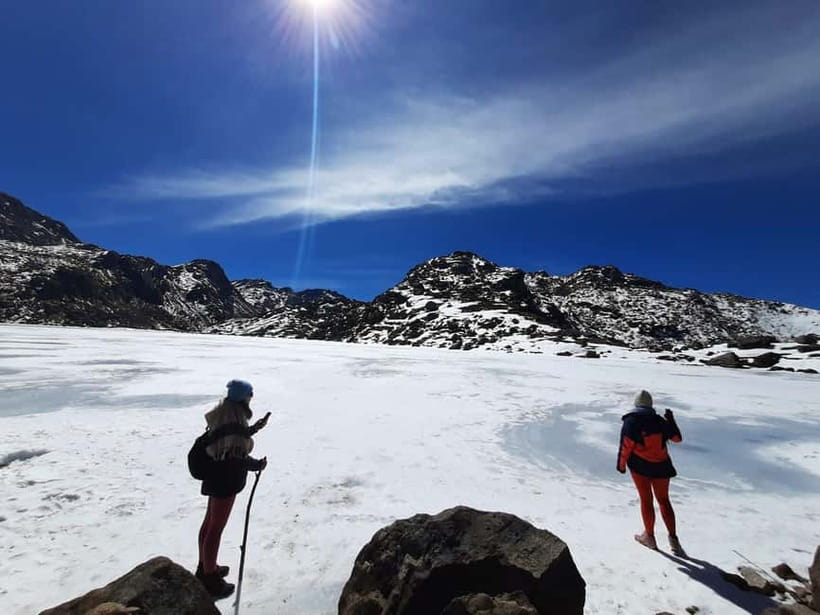
- Day 3: Round trip to Gosaikunda from Laurebina (max 4,380m)
- Day 4: Laurebina down to Dhunche
- Day 5: Dhunche back to Kathmandu
- Guides, group size, and why the right pacing matters
- What’s included: permits, gear loans, and meals that keep you moving
- Gear support you actually use
- Meals: choose all-inclusive or budget option
- The comfort reality
- Price and value: is $179 a fair deal?
- Weather-smart planning: when the views show up
- Who should book this trek—and who should choose another plan
- Should you book the 5-Day Gosaikunda Lake Trek?
- FAQ
- What is the highest altitude on this trek?
- Where do I sleep during the 5 days?
- Are meals included?
- What transportation is included?
- Are permits and TIMS card covered?
- Do I need to bring trekking poles and a sleeping bag?
- What’s the cancellation window?
Key points before you go
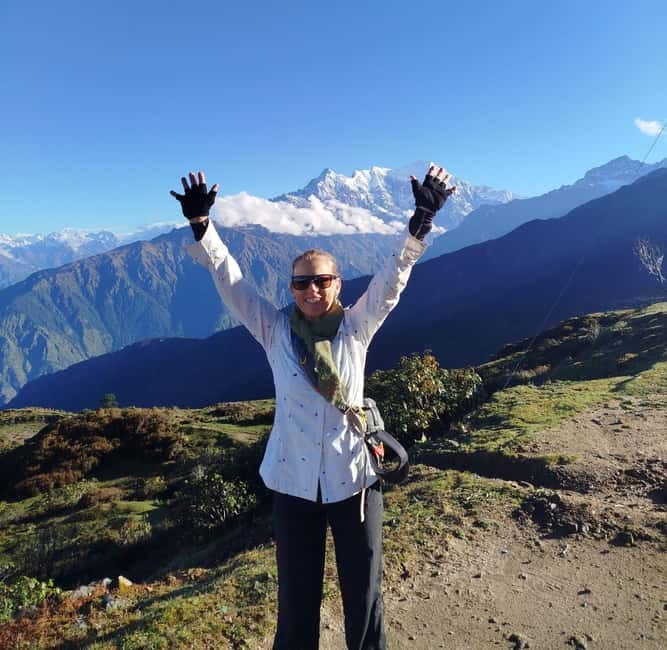
- Gosaikunda Lake at 4,380m: a sacred glacial lake experience without a long, multi-week commitment
- Langtang National Park walking: chances to spot wildlife and see the park’s flora and fauna in action
- Small-group guiding: limited to 14 people, so the pace feels controlled rather than rushed
- Comfort support: loaned gear (down jacket, sleeping bag, trekking poles) helps you handle cold nights
- Real altitude in a short schedule: day-to-day climbs are noticeable even though it’s only 5 days
Kathmandu to Dhunche: the mountains start moving before the trek
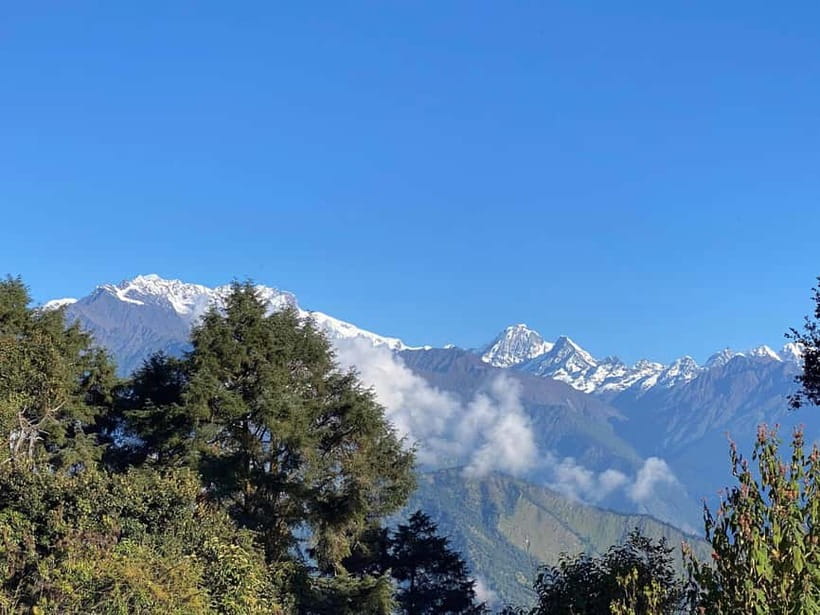
What I like about this route is that it doesn’t waste your first day. You get picked up in Kathmandu and driven toward the trail’s start point in Dhunche, with a scenic bus ride that can run about 5–6 hours. Along the way, you may catch views of green hills, terraced fields, and distant snow-capped mountains such as Manaslu, Ganesh, and the Langtang region.
Then day one turns into an actual hike. You’ll walk from Dhunche toward Deurali at 2,790m. It’s described as about a two-hour trek, and it’s a good length for easing your body into the rhythm of uphill walking. You sleep in a guest house in Deurali, so you’re already transitioning from city comfort to mountain basics right away.
This first night matters more than it seems. Altitude isn’t just about peak height—it’s how your body adjusts over consecutive days. Starting the trek with a short, manageable walk is a smart way to help you arrive at the higher portions feeling like you still have gas in the tank.
You can also read our reviews of more tours and experiences in Kathmandu.
Gosaikunda at 4,380m: the sacred lake day you remember
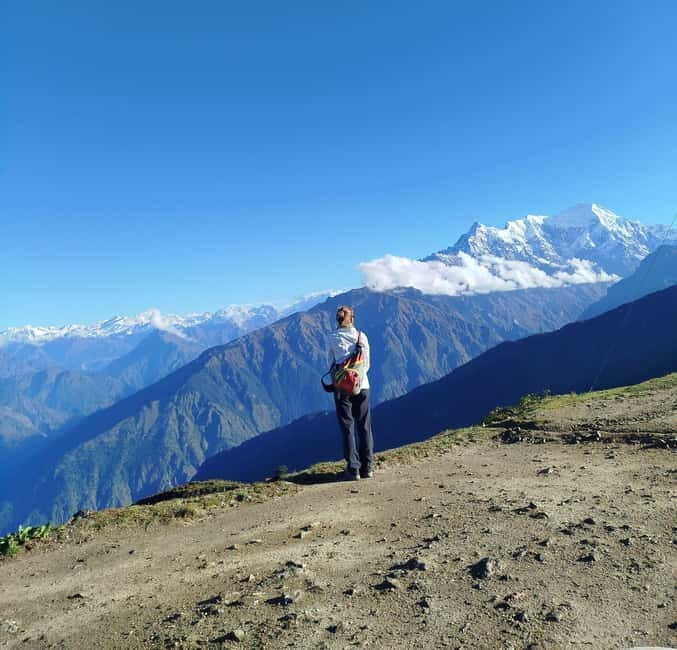
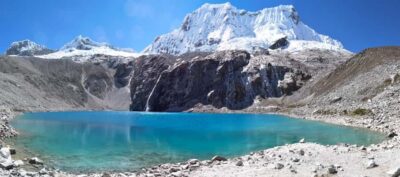
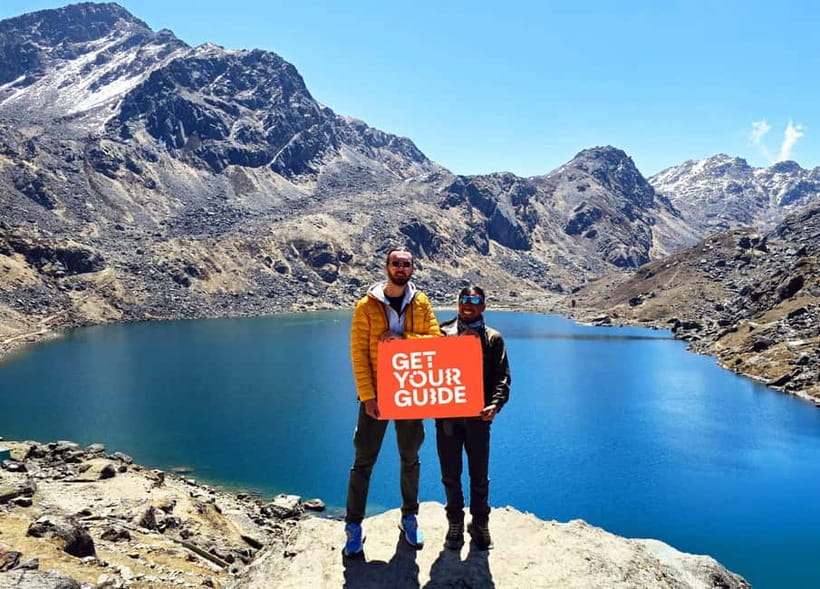
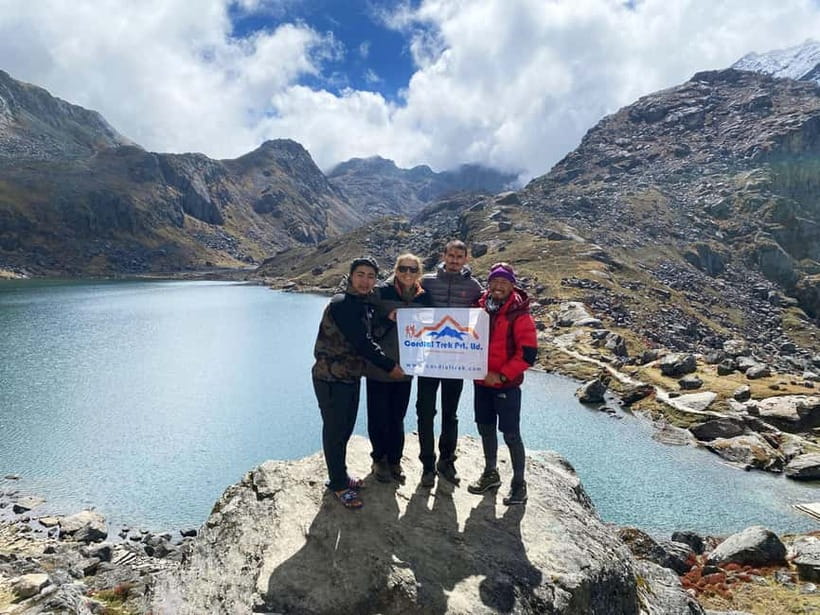
Gosaikunda is the reason most people do this trek, and the details given for the lake are compelling. It’s a glacial alpine freshwater lake inside Langtang National Park at 4,380m. In winter, it can freeze, and when it thaws it feeds the Trishuli River.
On your big day (from Laurebina), you hike toward Gosainkunda and explore the lake area once you arrive. A unique part here is that you won’t just see one water spot. You can also visit nearby lakes in the region, including Bhairav Kunda, Chandra Kunda, and Saraswati Kunda. It’s the kind of place where the terrain stays high and cold enough that you feel like you’re walking in a real alpine zone, not a “pretty viewpoint stop.”
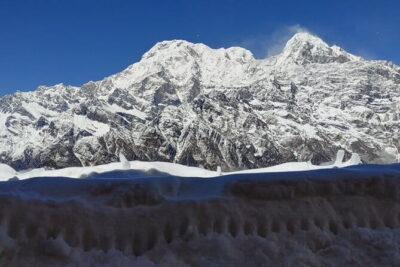
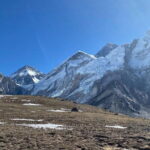
The other highlight is the Langtang range view in the background. When the clouds cooperate, you get that wide, central Himalayan sense of scale—stone, sky, and distance. When clouds don’t cooperate, the mountain still feels serious and sacred, but expect the lake area to be more muted. Either way, you’ll likely feel the emotional weight of the place once you’re standing at the water’s edge.
After exploring, you hike back to Laurebina for the night. That return leg is important for pacing: you get the high payoff and then come down to sleep at a lower point.
Day-by-day: what each stretch feels like (and where to watch your step)
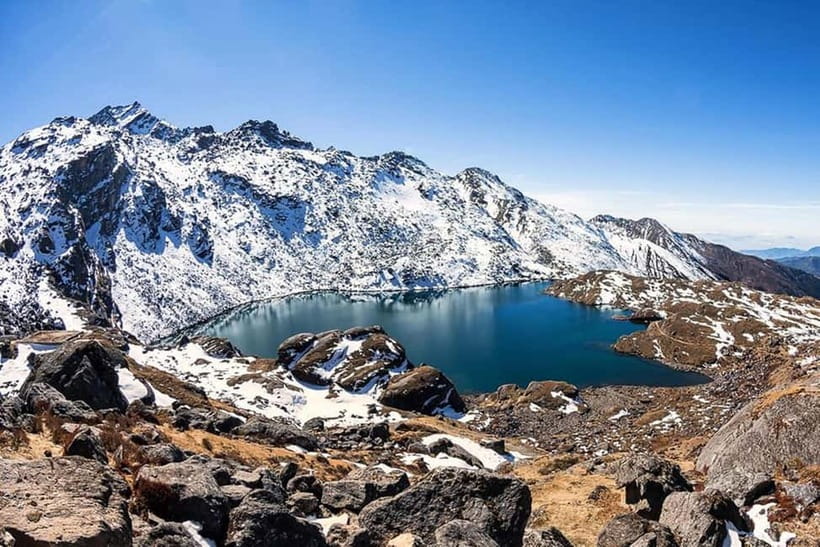
Here’s how the route unfolds, and what you can realistically expect from each day.
Day 1: Kathmandu to Dhunche, then to Deurali (2,790m)
You start with pickup in Kathmandu, then a scenic drive that can take around 5–6 hours. Dhunche is the trek starting point. After a short break, you begin walking toward Deurali for roughly a two-hour hike.
This is your adjustment day. Keep your effort steady. You’re not trying to “win” the first day; you’re setting your breathing and stride for the week ahead. You’ll sleep at a guest house in Deurali.
Day 2: Deurali to Laurebina via Chandanbari (3,910m)
Day two is the steep one. After breakfast and a guide briefing, you hike toward Laurebina through Chandanbari, and it’s described as an ascent along a steep path.
This is where many people feel the climb most. Even with a short overall trek length, the day’s altitude gain is real. You’ll want short steps, consistent pacing, and frequent micro-breaks. The payoff comes when you reach Laurebina and can finally settle into the guest house for the night.
Day 3: Round trip to Gosaikunda from Laurebina (max 4,380m)
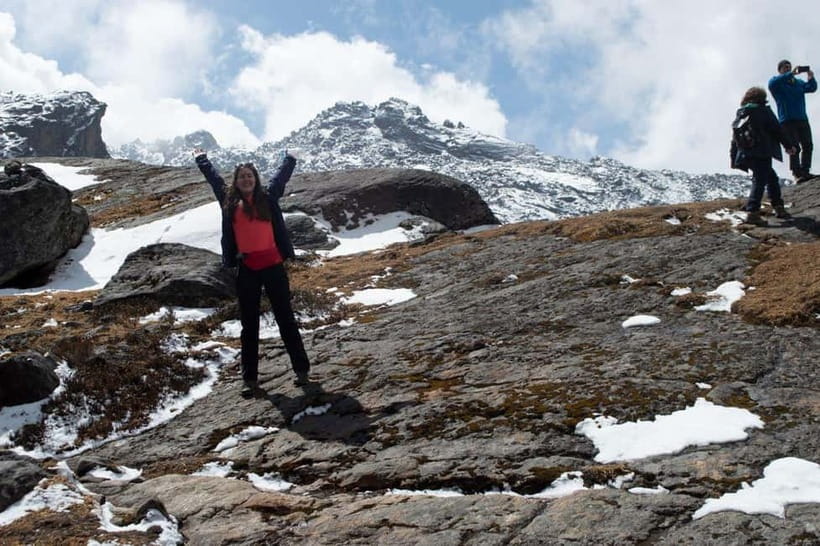
This is your highest day. You’ll hike from Laurebina to Gosainkunda, reaching the max altitude of 4,380m. Then you explore the lake area and nearby lakes such as Bhairav Kunda, Chandra Kunda, and Saraswati Kunda.
You also get majestic views of the Langtang range when weather allows. In the afternoon, you hike back to Laurebina to sleep again. That “up and then back down to your bed” pattern can make this high day feel more manageable than if you had to move camp multiple times.
Day 4: Laurebina down to Dhunche
Day four is a gradual descent through forests. Expect rhododendrons plus pine and bamboo, along with crossing a river and continued downhill walking. You’ll pass back toward Deurali and then continue down to Dhunche for the night.
This is the day to pay attention to your legs. Downhill is often harder on knees than uphill is. Trekking poles (and using them correctly) help a lot. The forest sounds and shade can feel like a relief after the higher, thinner-air portion of the trek.
Day 5: Dhunche back to Kathmandu
After breakfast, you drive back to Kathmandu (1330–1350m range is listed for the return point). Once you reach the bus station in Kathmandu, you’ll be transferred back to your hotel.
It’s a good close: you finish with the comfort of a drive rather than another long walk.
Guides, group size, and why the right pacing matters
This is a small-group trek limited to 14 participants, and that’s a meaningful difference. Fewer people means fewer bottlenecks on narrow trails, and it makes it easier for the guide to adjust pace if someone is struggling.
The guide also plays a big role in how “intense” a trek feels. In real terms, good guiding means you get the right kind of encouragement at the right time. One highlight from recent experiences is the guidance style—people noted that Ohm brought lots of interesting facts and kept the group engaged with fun videography, plus a consistently upbeat attitude. Others credited Terence (including a strong focus on safety) and Raj for clear communication, smooth planning, and solid knowledge about the region.
So if you want more than just walking, this trip can deliver that. You’ll get an English, Hindi, and Icelandic live guide (depending on your group). Even if you’re not hunting for “lecture time,” a guide who can explain what you’re seeing tends to turn fatigue into focus.
What’s included: permits, gear loans, and meals that keep you moving
This trek is the kind of trip where details add up. The package includes hotel pickup and drop, an experienced licensed trek guide, and 4-night accommodation at mountain guest houses.
It also includes necessary trek permits and a TIMS card. For many people, that alone is worth paying for the organized approach. If you’d rather not spend your travel energy figuring out paperwork at altitude prep time, this is a good setup.
Gear support you actually use
You can borrow key equipment: a down jacket, sleeping bag, and trekking poles. You’ll also have water purification tablets provided as required, which matters when you’re relying on drinking water in remote sections.
You’ll get a company T-shirt too. It’s not why you come, but it helps you identify your group quickly.
Meals: choose all-inclusive or budget option
The all-inclusive meals option includes 4 breakfasts, 5 lunches, and 4 dinners. If you choose the budget option, meals aren’t included. Either way, plan on meals being basic but filling—enough calories to keep you walking uphill the next day.
The comfort reality
Mountain guest houses vary, but your experience will depend on the guesthouse setup in each stop. One thing that came through strongly in recent feedback is that people found their rooms comfortable, including having private rooms the entire time. That’s not something to assume blindly, but it’s a good sign of how this trek can be run in practice.
Price and value: is $179 a fair deal?
At $179 per person, the big question isn’t whether it’s “cheap.” It’s whether it covers the things that usually cost money and hassle on a short Nepal trek.
In this package, you’re paying for:
- A licensed guide and small-group management
- Transportation by bus from Kathmandu to Dhunche and back
- Permits and TIMS
- 4-night accommodation at mountain guest houses
- Meal coverage if you pick the all-inclusive option
- Loaned gear that can otherwise be expensive or hard to source
If you’d otherwise have to rent poles, source a sleeping bag, and figure out permits yourself, the value gets clearer fast. The trek is also only 5 days, which means fewer paid nights and fewer logistics headaches than longer routes. For the kind of altitude experience you get—maxing at 4,380m and visiting the lake complex—this is a compact way to do it.
That said, the cost-benefit swings if you don’t pick the all-inclusive meals option or if you need to add a porter. Porter support is listed as an add-on option, so factor that in if you want extra carry help.
Weather-smart planning: when the views show up
The trek runs throughout the year, but you’ll enjoy it most when skies are predominantly clear. That’s not just a comfort detail—it affects how the central Himalayas look from the trail and how crisp the Langtang range views are on the lake day.
If you’re flexible with travel dates, aim for a period where you expect better visibility. If you’re not flexible, go anyway and treat clouds like part of the mountain mood. You can still reach the sacred lakes; you might just trade dramatic clarity for a more quiet, misty atmosphere.
Who should book this trek—and who should choose another plan
This trek fits best if you:
- Want a short trek from Kathmandu without a multi-week commitment
- Are okay with steep segments and real altitude in a compact schedule
- Prefer a guided experience with permits handled and gear support available
- Like nature plus local culture, not just photos from one viewpoint
It’s listed as not suitable for:
- Children under 10
- People with mobility impairments
- People over 309 lbs (140 kg)
If you’re unsure about readiness, be honest with yourself about the steep climb to Laurebina and the highest day to 4,380m. This is “short but intense,” even when everything is organized well.
Should you book the 5-Day Gosaikunda Lake Trek?
I think this is a strong booking if you want a focused Nepal mountain trek that’s logistically tidy and emotionally rewarding. The best reasons to say yes are the payoff of reaching Gosaikunda and getting Langtang range views, paired with a guide-led experience that can keep you energized on the hard parts.
Book it if you’re the type who likes:
- a clear, guided plan
- gear support so you don’t stress about renting
- guesthouse stays and full-board meals on the all-inclusive option
Skip it (or talk to a professional first) if you know steep climbs and altitude spikes will be a problem for you. This route does not stretch out the difficulty—it stacks it in a short window.
FAQ
What is the highest altitude on this trek?
The maximum altitude is 4,380m when you hike to Gosaikunda.
Where do I sleep during the 5 days?
You’ll have 4-night accommodation at mountain guest houses. The trek notes stopovers at Deurali (Day 1) and Laurebina (Days 2 and 3), plus the descent back to Dhunche for Day 4 night.
Are meals included?
Meals are included with the all-inclusive option: 4 breakfasts, 5 lunches, and 4 dinners. Meals are not included if you choose the budget option.
What transportation is included?
You travel by bus from Kathmandu to Dhunche and back to Kathmandu.
Are permits and TIMS card covered?
Yes. Trek permits and a TIMS card are included.
Do I need to bring trekking poles and a sleeping bag?
No. The trip includes borrowing a down jacket, sleeping bag, and trekking poles.
What’s the cancellation window?
You can cancel up to 24 hours in advance for a full refund.
If you tell me when you’re going and your comfort level with steep climbs, I can help you judge whether this 5-day format will feel fun or too hard.