REVIEW · KATHMANDU
Everest Base Camp Trek
Book on Viator →Operated by Himalayan Holyland Treks and Expedition · Bookable on Viator
Everest Base Camp starts with a flight and a plan. This classic 12-day trek threads through Sagarmatha National Park and ends with the big viewing payoff from Kala Patthar—the moment you’ve seen in a thousand photos, now reached for real.
I especially like two things here. First, you travel with a professional guide plus a porter system (2 trekkers per 1 porter), which matters when the air gets thinner and your legs start bargaining. Second, the trek includes tea house lodging and three meals a day, plus hot soup at high points—small details that help you stay moving instead of constantly searching for comfort.
The main consideration is simple: this is a challenging trek with demanding altitude days. Also, personal costs add up (hot shower, battery charging, laundry, water), and travel or rescue insurance for you is not included—so you’ll want to handle that before you go.
In This Review
- Key highlights worth focusing on
- Everest Base Camp, in plain terms: why this trek feels like a true pilgrimage
- Starting in Kathmandu at 5:15 am: flights, pickups, and the Lukla reality check
- Phakding to Namche Bazaar: rivers, villages, and a real acclimatization day
- Tengboche monastery day: rhododendron trails and the culture stop you shouldn’t rush
- Dingboche and Lobuche: high-altitude villages with big-peak views
- Gorakshep to Everest Base Camp: the day where fatigue meets the glacier
- Kala Patthar early morning: where the Everest views get real
- Head back via Tengboche and Manjo: long downhills, suspension bridges, and momentum
- Price and logistics: what $2,500 covers, and what you still need to plan
- Guides, porters, and your pace: making Everest feel doable
- Who should book this Everest Base Camp trek, and who should think twice
- Should you book Everest Base Camp with Himalayan Holyland Treks?
- FAQ
- Where is the tour start meeting point and what time?
- How long is the Everest Base Camp trek?
- What’s included for lodging and meals during the trek?
- Does the tour include airport transfers?
- Is a guide included?
- Do porters carry luggage?
- Are flights to Lukla included?
- What is not included in the $2,500 price?
- Can I cancel for a full refund?
Key highlights worth focusing on
- Kala Patthar is built into the schedule as the best viewing moment of the Everest region.
- Private group format means it’s only your group participating, not a free-for-all mixed with strangers.
- Porter support (2:1) helps carry your load when the trail turns steep and slow.
- Tea house accommodation + three meals keeps food simple at every altitude step.
- Hot soup in high places is included, so you’re not depending on luck or extra spending.
Everest Base Camp, in plain terms: why this trek feels like a true pilgrimage
This trek is famous for a reason. You’re not just walking between viewpoints—you’re moving through a chain of mountain towns where Sherpa culture, monastery stops, and big Everest-region views all line up. The route also gives you a built-in acclimatization day in Namche Bazaar, which helps you handle the altitude spike later.
What I like most is the shape of the adventure. Day 1 eases you into the region with a short trek after a quick flight. Then you settle into Namche Bazaar and take a real acclimatization day rather than treating it like a throwaway rest day. After that, the route climbs step-by-step to the glacier country around Gorakshep and then to the viewing platform at Kala Patthar.
The experience is also structured around two big “payoffs.” The first is reaching Everest Base Camp from the glacier side. The second is standing at Kala Patthar early in the morning—when weather and light cooperate and the peaks look close enough to touch. Even if clouds roll in, you still get a serious trek through Khumbu and around the river valleys that make the region feel alive.
You can also read our reviews of more tours and experiences in Kathmandu.



Starting in Kathmandu at 5:15 am: flights, pickups, and the Lukla reality check
You meet at Tribhuvan Airport in Kathmandu with a 5:15 am start time. If you’re coming in from an international flight, the tour includes airport pickup and drop in a private vehicle for the international connection, and the same private-vehicle transfer for the domestic leg.
Then you fly to Lukla, which is one of the defining parts of any EBC plan. The flight portion is short (about 25 minutes), but it’s high-stakes in your head because you’re going from city noise to Himalayan terrain very fast. After landing, you start trekking to Phakding (about 3 hours of hiking).
This first day is also where you can get your first taste of scale. If the sky is clear, you may spot peaks like Kanguru Peak (6367 m). And even before you reach the famous altitude towns, the trail gives you the basics: forests, Buddhist monasteries, and the feeling that the region is organized around walking.
One practical note for your expectations: the trek is “private,” and your team is already assigned (guide + porters). That means fewer logistics questions for you and less time wasted. The downside is that you’ll be living to the schedule once it starts, so arrive ready and don’t plan on sleeping in.
Phakding to Namche Bazaar: rivers, villages, and a real acclimatization day
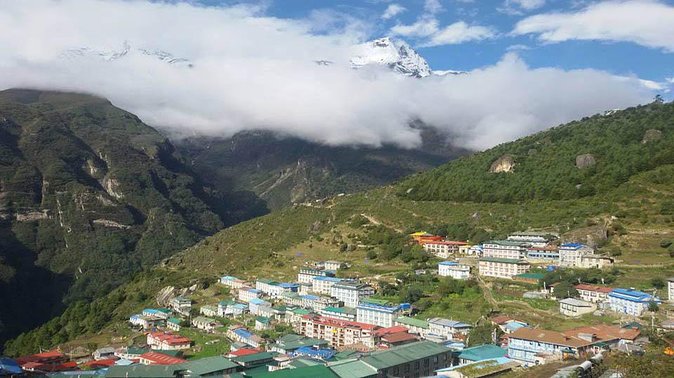
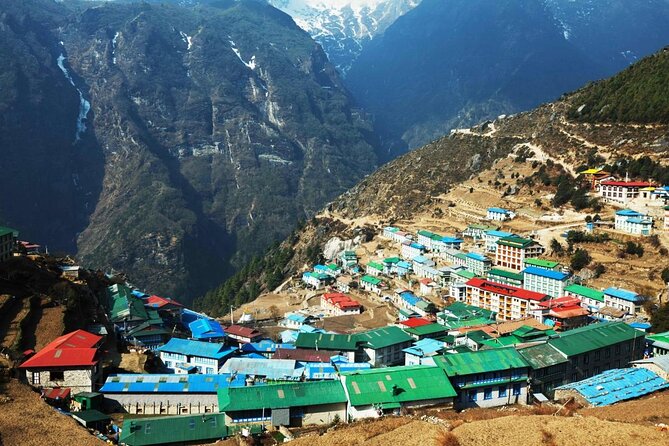
Day 2 hikes from Phakding to Namche Bazaar (about 6 hours) and climbs to roughly 3440 m. The route passes through riverside scenery, waterfalls, and villages where the rhythm of daily life is very different from Kathmandu. You also get a lunch stop option around Monje or Jorsalle, which helps keep the day moving without overplanning your meals.
Namche Bazaar itself is one of the best mid-trek hubs on the planet—part market town, part mountain gateway. What I like here is the built-in “learn your altitude” approach. Instead of pushing higher immediately, Day 3 is an acclimatization day.
On that acclimatization day, you explore Namche and can hike to viewpoints and peaks such as Kusum Kanguru, Taboche peak, and Khonde peak, plus stops like Everest View Point. There’s also time to shop for souvenirs and visit the Sagarmatha National Park museum. That museum detail matters. It gives context for what you’re walking through—Sagarmatha National Park isn’t just scenery, it’s protected space with a story.
The drawback to plan for: even with acclimatization, you’re still going higher every day. Namche helps, but you should treat the acclimation day as part of the trek challenge, not as a vacation spa day.
Tengboche monastery day: rhododendron trails and the culture stop you shouldn’t rush
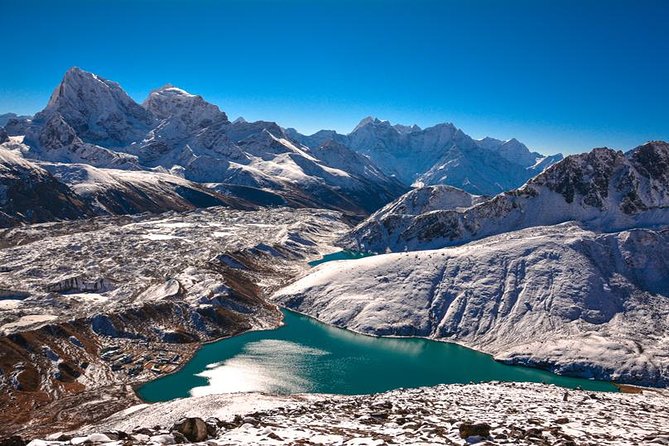
Day 4 goes from Namche Bazaar to Tengboche (about 5 hours) and reaches around 3860 m. The path includes rhododendron forest sections and river-side segments. Then you hit the highlight: Tengboche monastery.
This stop is more than a photo stop. You’ll see monks and locals following long-standing rituals and traditions in a place that sits right in the trekking flow. For many people, this is where Everest feels human, not just huge. You’re watching culture continue at altitude—people living their lives, with mountains as the backdrop rather than the only storyline.
The good part for your energy: the day is paced like a “reach and reflect” step. You trek, you visit, you sleep higher. The consideration: monasteries and villages can create delays if you get stuck in people flow, so try to keep your gear organized and your schedule flexible.
Dingboche and Lobuche: high-altitude villages with big-peak views
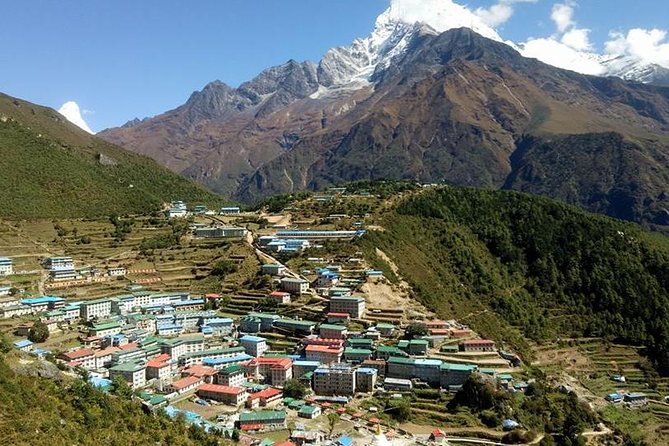
Day 5 moves to Dingboche (about 5 hours) at roughly 4400 m. The trek includes practical meal timing—breakfast at Tengboche, lunch at Pangboche or Somare, and dinner back in Dingboche. That kind of structure helps when your appetite changes at altitude.
Day 6 is a push toward Lobuche, reaching around 4910 m. The hiking time here is listed as about 4–5 hours depending on the version of the schedule you follow, but the goal is the same: gain altitude and reach the glacier-adjacent zone where views become more intense. You also get repeated context on what you’re seeing—views mentioned include Mt. Nuptse, Island peak, Lobuche peak, and Taboche peak.
I like this portion because the trek gets more specific. You’re not just thinking Everest. You’re tracking a whole set of named peaks and valleys, and each day has a different “mountain flavor.” The consideration is what you already know but can’t ignore: your body will work harder at these altitudes, even if the distance seems similar to lower days.




Gorakshep to Everest Base Camp: the day where fatigue meets the glacier
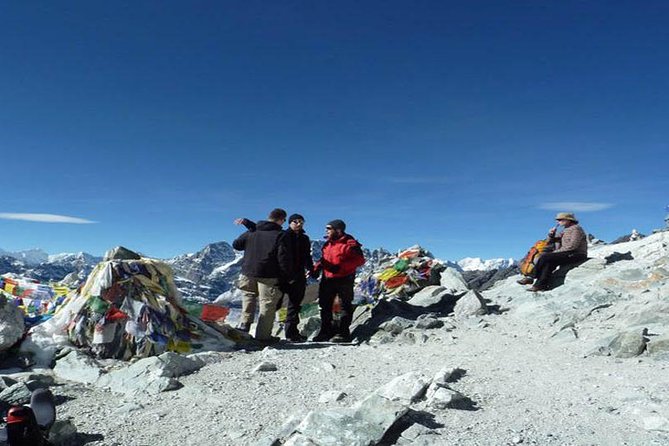
Day 7 treks to Gorakshep (about 3.5 hours) around 5150 m and then it’s on to the main goal. From Gorakshep, you hike toward Everest Base Camp (about 5364 m) and then return back to Gorakshep for the night.
This is the day that turns “trek” into “mission.” You start with a steep trail and arrive where the glacier terrain begins to show itself more clearly. The view of the Khumbu glacier is highlighted as a major reward—this is the part that helps you understand why the region draws people who love mountains for more than the summit idea.
The route to Base Camp includes walking through a small glacier area and a lake. You’ll want to slow down, because at this altitude your pace isn’t about speed—it’s about steady effort and smart breathing.
The practical drawback: you’re stacking exertion. You already worked hard to reach Gorakshep, and then you go out again for the Base Camp. Plan on keeping expectations realistic. You’ll be proud either way, but the “easy day” mindset won’t survive contact with altitude.
Kala Patthar early morning: where the Everest views get real
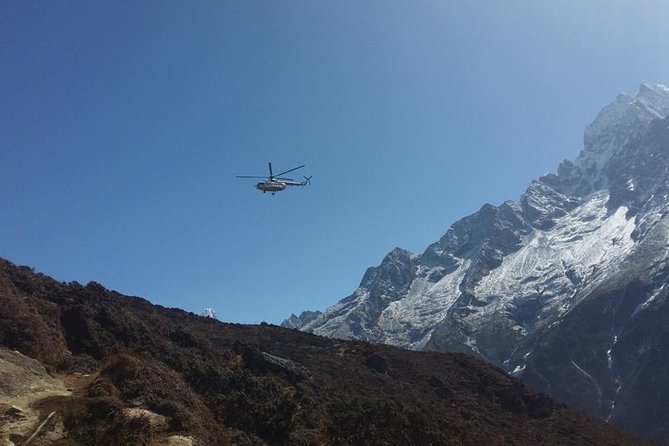
Day 8 is the early-morning push up to Kala Patthar, with a hike time of about 3 hours to reach the viewpoint, then descent and travel onward to Lobuche (about 2.5 hours).
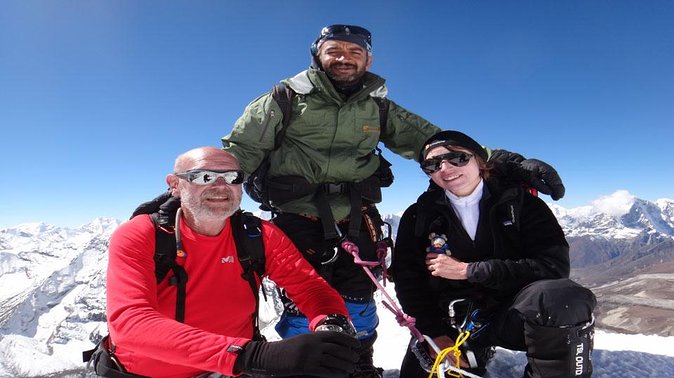
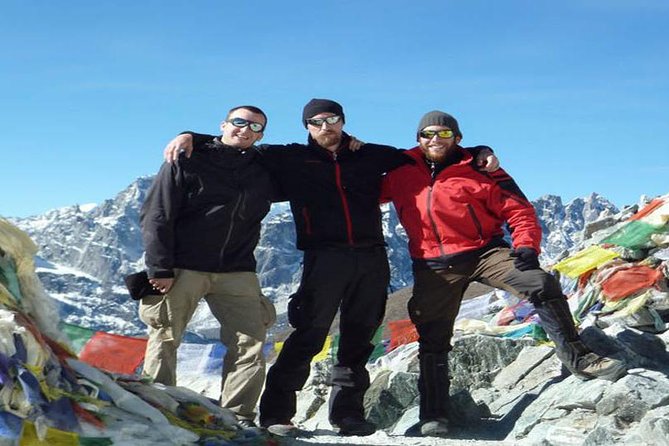
This is the viewing day. Kala Patthar is repeatedly described as the best fit viewing platform for the Everest region, which makes sense if you’ve studied trekking maps at all. The key advantage is timing: you leave very early so you can catch the best light and clearer conditions.
Then you come back down to Gorakshep, eat, and continue onward. The scheduling is tight, but it keeps the day from turning into a full-on marathon of “just keep going until you collapse.” You get the payoff, then you move to the next sleep stop.
Here’s a small, helpful emotional expectation: the climb can feel tough in the dark and cold. That’s normal. When you reach the viewpoint, the payoff is supposed to make you forget the grumpiness that showed up an hour earlier.
Head back via Tengboche and Manjo: long downhills, suspension bridges, and momentum
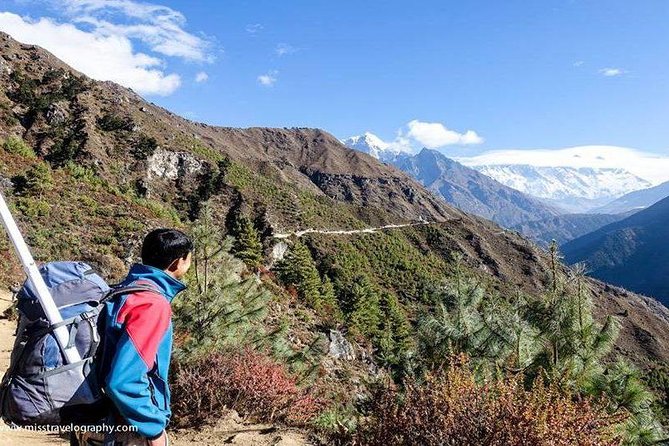
Days 9 to 11 bring you back through familiar towns, but downhill doesn’t mean easy. Day 9 hikes from Lobuche to Tengboche (about 5.5 hours) with breaks around Pangboche and Deboche for lunch. The route includes monasteries, stupas, bridges, and rivers, which helps the return feel like more than just retracing steps.
Day 10 is Tengboche to Manjo (about 6 hours). You walk through rhododendron forest, stop for lunch in Namche Bazaar, and pass via Jorsalle to Manjo. This is a day that keeps your rhythm: enough climbing to feel it, enough descending to keep you moving, and enough village-to-village variety to stay interested.
Day 11 returns to Lukla (about 5 hours). The route includes crossing the Dudh Koshi river on a suspension bridge and walking alongside a drive segment. You arrive in elevated Lukla for the night, which sets up the final flight.
Downhills can be rough on knees and ankles. I always recommend you treat the return days like a “technique day.” Short steps, controlled footing, and patience beat ego on this stage.
Price and logistics: what $2,500 covers, and what you still need to plan
This trek costs $2,500 for an approximately 12-day private experience starting in Kathmandu. For that price, you get a lot of the heavy lifting done for you.
Included highlights:
- Airport pickup/drop in private vehicles for both international and domestic flight connections
- Trek tea house accommodation
- Three meals a day during the trek
- Hot soup in high places
- Farewell dinner in Kathmandu
- All transportation as per the route (including flights between Kathmandu and Lukla as scheduled)
- Professional guide for trek and sightseeing
- Porter service (2 trekkers per 1 porter)
- Insurance coverage for guide and porters
- Government and local taxes
- A trekking map, plus a t-shirt
- A trip completion certificate
Not included items to budget for:
- Nepal visa
- International flights to and from Kathmandu
- Travel and rescue insurance for you
- Personal expenses like hot showers, battery charging, bar bills, laundry, and water
- Extra Kathmandu nights outside the planned schedule
- Tips for your guide and porters
Value-wise, this price feels strongest if you want less decision fatigue. You’re paying for structure: lodging style, meals, guide time, porter support, and transfers. Where people get surprised is personal spending and insurance gaps. If you cover those before you arrive, the trek becomes much smoother on your wallet.
Guides, porters, and your pace: making Everest feel doable
Support is a big deal on EBC. This trek includes a professional guide and porter service with the specific ratio of 2 trekkers per 1 porter. That helps you keep your energy for the parts that matter: climbing, acclimatizing, and keeping a steady rhythm.
Also, the operator’s broader feedback includes praise for guide presence and support. One review credited Jangbu for being supportive and present during a tough trek, and another credited Ajay for being consistently on top of needs during an adventure. I can’t promise you’ll have those exact guides for this specific route, but it tells you the company trains its teams to stay involved, not disappear into the background.
If your group includes kids, older adults, or anyone who needs a bit more help maintaining pace, this private format can be a plus. You won’t be dealing with a random mix of speeds. The trade-off is you still need to be honest about your own fitness level—this is for people with moderate physical fitness, not couch-to-Everest speedrunning.
One more small logistics point: the trek uses a mobile ticket, and you’ll get confirmation at booking time. That helps when you’re juggling Nepal travel paperwork and flights.
Who should book this Everest Base Camp trek, and who should think twice
This is a strong choice if:
- You want a classic Everest route with an acclimatization day in Namche Bazaar
- You prefer guided structure over self-planning every meal and bed
- You like the idea of a private group and porter support
- You want the big visual moment at Kala Patthar built into the itinerary
You might want to think twice if:
- You’re not comfortable with altitude and long hiking days
- You’re counting on a “light packing” experience without budgeting for personal add-ons
- You haven’t arranged your own travel and rescue insurance (it’s not included)
Most people succeed here by following the plan and listening to their body. Everest punishes shortcuts, and the route is designed to reduce that temptation—especially with acclimatization and a guided setup.
Should you book Everest Base Camp with Himalayan Holyland Treks?
Yes, if you want a well-structured trek where the essentials are handled: transfers, guide support, tea house lodging, meals, porter help, and the big viewing push to Kala Patthar. It’s a good fit for people who want to experience Everest without acting as their own logistics manager.
Hold off if your budget can’t handle personal expenses on top of the base price, or if your travel insurance plan is missing rescue coverage. For a trek at this altitude, that part matters.
If you want, tell me your travel month and your fitness level, and I’ll help you decide whether this timing and difficulty level matches your comfort zone.
FAQ
Where is the tour start meeting point and what time?
The start meeting point is Tribhuvan Airport in Kathmandu, Nepal, with a start time of 5:15 am.
How long is the Everest Base Camp trek?
The duration is about 12 days.
What’s included for lodging and meals during the trek?
You get tea house accommodation during the trek and three meals per day, plus hot soup in high places.
Does the tour include airport transfers?
Yes. You get airport pickup and drop in a private vehicle for both international flight connections and domestic flight connections.
Is a guide included?
Yes. A professional guide is included for the trek and sightseeing.
Do porters carry luggage?
Yes. Porter service is included with a ratio of 2 trekkers to 1 porter.
Are flights to Lukla included?
The schedule includes air travel from Kathmandu to Lukla, and all transportation as per the itinerary is included.
What is not included in the $2,500 price?
Not included are the Nepal visa, international flights to and from Kathmandu, travel and rescue insurance of clients, personal expenses (like hot shower, battery charge, bar bills, laundry, and water), extra Kathmandu accommodation outside the itinerary, and tips for the guide and porters.
Can I cancel for a full refund?
Yes. Free cancellation is available if you cancel at least 24 hours before the experience’s start time. If you cancel less than 24 hours before, the amount paid is not refunded.