REVIEW · MARRAKECH
Toubkal trek – 2 days
Book on Viator →Operated by Toubkal Guide · Bookable on Viator
Toubkal is a serious climb with real payoff. This 2-day trek runs you from Marrakech to Imlil, up the Mizane Valley past the Sidi Chamarouch shrine, and onward to a camp by the refuge at 3206m before an early summit push on Jebel Toubkal. I like that the trip feels well-supported with an English-speaking guide, a cook, and mule help, not just a hike and hope plan.
Two things I especially like are the round-trip hotel transfers (pickup at 8:00am and back again) and the way your food and camp setup are handled for you. In the reviews, names like guide Hamid and chef Mohamed Abayen come up with praise for keeping groups fed and on track, which is exactly what you want at high altitude.
One drawback to consider: the schedule is tight, so you need solid moderate fitness and patience for scree, steep sections, and altitude on summit day. If you expect an easy stroll, you’ll feel the difference fast, even though the route is described as relatively straightforward.
In This Review
- Key points to know before you go
- Marrakech to Imlil: The 8:00am start that sets the tone
- Day 1: Mizane Valley and Sidi Chamarouch, with steady climbing not rushing
- Overnight near 3206m: What camping helps with (and what you still need to handle)
- Summit day on Jebel Toubkal: The straightforward route that still fights back
- Meals, mules, and guides: The behind-the-scenes work that makes the climb doable
- What you should bring (since some key gear is not included)
- Price and value: What $255-ish buys on a two-day Toubkal trek
- Who this trek suits best (and who should rethink the 2-day plan)
- Final call: Should you book this Toubkal trek?
- FAQ
- What time does pickup happen in Marrakech?
- How long are the walking days?
- Is the group size limited?
- What’s included in the price?
- What equipment or costs are not included?
- Are children allowed?
Key points to know before you go
- Pickup at 8:00am from your Marrakech accommodation keeps the logistics simple from the start.
- Camp near the refuge at 3206m means you’re sleeping high, not just hiking high and returning down.
- The Mizane Valley route includes the Sidi Chamarouch shrine plus pastoral river-and-rock terrain.
- Summit day targets Jebel Toubkal early, with views described as stretching from the Marrakesh Plain to the Anti-Atlas and even the Sahara.
- Small-group cap of 15 travelers helps the trek feel more human than crowded.
- Mule, cook, and gear support are included, but winter technical gear and some basics are not.
Marrakech to Imlil: The 8:00am start that sets the tone
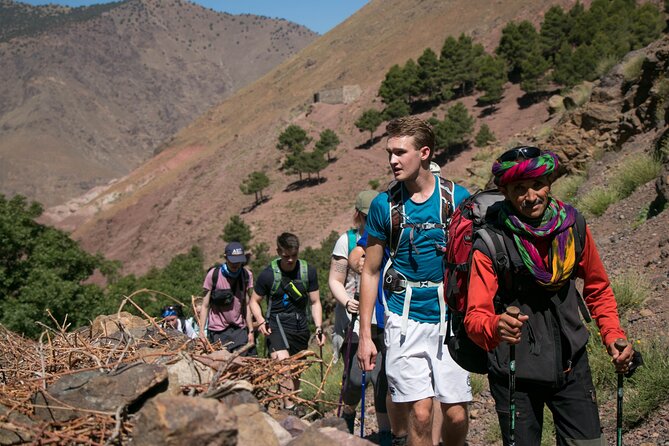
This trek is built around one clear idea: make it easy to get out of Marrakech and into the mountains without a DIY scramble. You’re picked up at 8:00am from your accommodation, then you transfer for about 1.5 hours to Imlil, the jumping-off point for the Toubkal region. For many people, that’s the hardest part of planning. This takes it off your plate.
One thing I’d pay attention to is pacing. The itinerary frames Day 1 as a 5 to 6 hour walking day, which is long enough to get your legs ready, but short enough that you still have energy for camp setup and a nighttime reset. It also matters that you’re not starting from a random trailhead. Beginning in Imlil keeps the trip grounded in the Atlas foothills routine.
You also get the comfort of a small group. With a maximum of 15 travelers, you’re less likely to feel like you’re hiking inside a conveyor belt. That matters when you’re moving on uneven ground and stopping frequently for guidance and breath management.
You can also read our reviews of more tours and experiences in Marrakech.
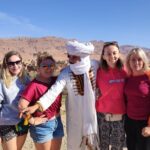
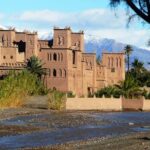
Day 1: Mizane Valley and Sidi Chamarouch, with steady climbing not rushing
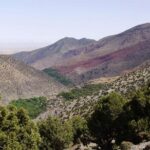
Day 1 is where the trek really starts to feel like a mountain journey. You head along the Mizane Valley, first passing Aremd, then continuing toward the shrine of Sidi Chamarouch. That stop is more than a photo break. It’s a place tied to local life and pilgrimage, described as a pastoral shrine that attracts both tourists and pilgrims.
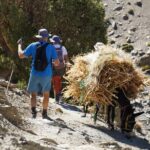
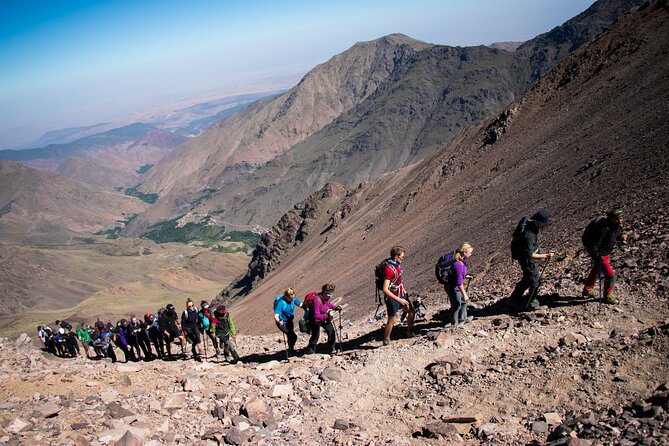
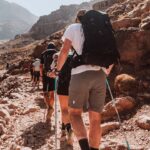
From there, the trail continues east. The route follows mule tracks and climbs through terrain that’s described as rocky and rising above the valley. You cross flood plains, then move into higher, rockier cliffs above the valley before crossing a river. Those details matter because the first day isn’t only about altitude. It’s also about changing footing: softer ground turns into stone, and walking rhythm changes.
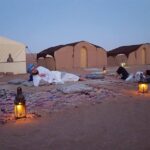
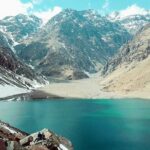
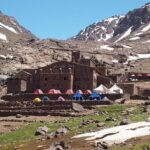
The big goal by evening is getting up to the snowline and the refuge at 3206m. You camp in tents near the refuge. That overnight at elevation is the point of the schedule. It sets you up for an early summit attempt instead of starting too low and trying to make up time.
If you’re the type who likes structure, Day 1 is a good fit. You get a clear route progression: village life, shrine stop, river and valley crossing, then steady climb to camp. If you’re the type who gets cranky when things are vague, this itinerary is refreshingly specific.
Overnight near 3206m: What camping helps with (and what you still need to handle)
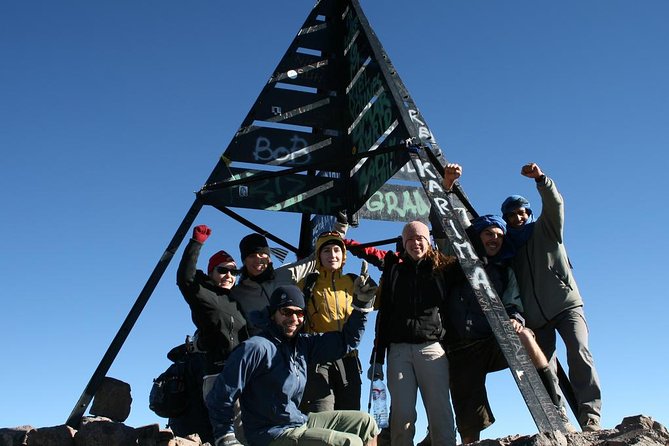
Sleeping at about 3206m changes everything: your body feels the altitude even if you’re not doing technical climbing. The plan is to spend the night in a tent camp near the refuge after about 5 to 6 hours of walking.
Here’s what the included setup means for you. Your trek includes camping gear, plus you have a cook and guide handling the rhythm of the day—food timing, camp support, and staying organized. That’s a real quality-of-life upgrade. At altitude, the little things can turn into big stressors if no one’s managing them.
But this is also where you should be honest with yourself about what’s not included. The trek does not include rental equipment like sleeping bags, and it also flags winter gear such as crampons and ice axe as something you’d need if conditions require it. Walking poles are also not included.
So think of the camping as “supported,” not “everything is taken care of.” If you’re traveling in cooler months, bring a serious cold plan. You might find the most miserable moments come from underpacking for night temperatures, not from the hiking itself.
Summit day on Jebel Toubkal: The straightforward route that still fights back
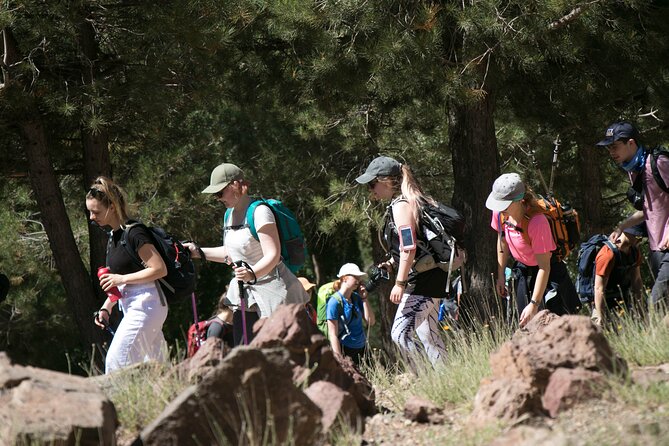
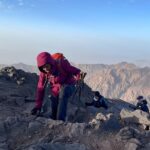
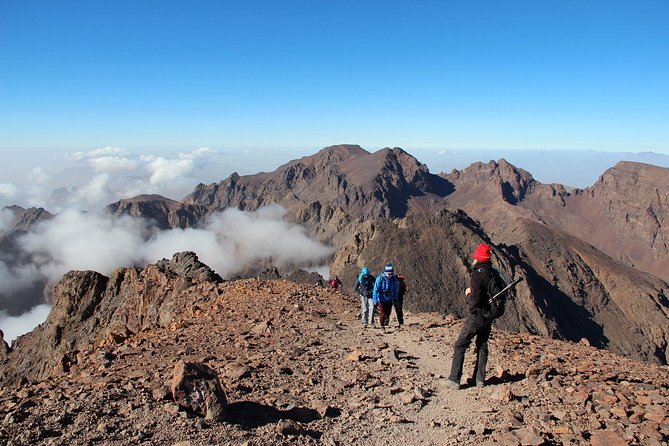
Day 2 is the heart of the trip: an early attempt on the summit of Jebel Toubkal, described as the highest peak in North Africa. The trek route goes up the south cirque, crossing a stream above the refuge.
You’ll hear the description that the walking is relatively straightforward. That’s true in the sense that you’re not scrambling or scaling exposed rock like a technical climb. But scree and altitude are still tough. The itinerary specifically points out that scree and altitude make parts difficult. Translation: you’ll spend time stepping on loose rock, and your breathing will not behave like it does at sea level.
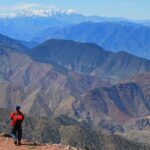
The reward is the view. Once you reach the summit, you get unrestricted views in every direction, described as stretching from the Marrakesh Plain to the High Atlas in the north, and as far south as the Anti-Atlas and the Sahara. That is one of the reasons people keep coming back to Toubkal. It turns a small slice of Morocco into a wide-angle panorama.
Timing is also part of the magic. Several guide teams are praised for summit day timing, with groups reaching the top in time for sunrise. Even if you don’t chase the sun as a priority, sunrise-style light tends to make the effort feel more meaningful, and the morning air often makes the first hours feel manageable.
Day 2 is longer in walking time too, around 10 hours. So mentally, treat it like your main athletic event. You’ll retrace your steps down afterward, returning to civilization when you’re ready—because on a day like this, your legs decide what that feels like.
Meals, mules, and guides: The behind-the-scenes work that makes the climb doable
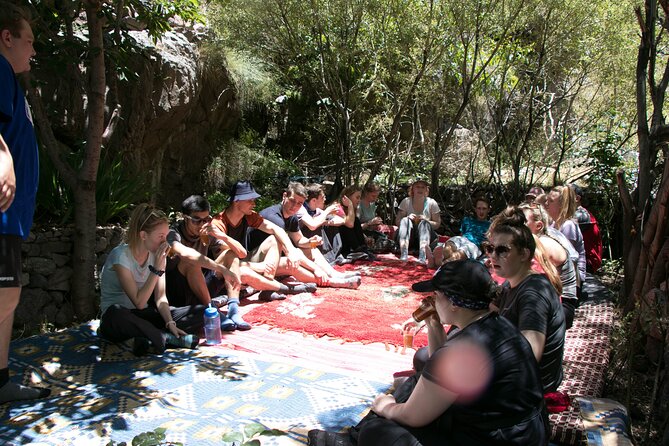
One of the best parts of this trek isn’t only the summit. It’s the way the logistics support the hiking.
You’re traveling with:
- an English-speaking guide
- a cook
- a mule (to help with carrying)
- included meals (breakfast, lunch, dinner)
That setup matters because it protects your energy. On big climbs, fatigue is usually the enemy. If you’re carrying too much or stopping to deal with meals and camp, you lose time and momentum. With a cook and mule help, your job is simpler: walk, rest when asked, and follow the plan.
The reviews add another layer: people consistently mention guide support as a major factor in feeling safe and cared for. Names that came up include Mohamed Tsiou, Hamid, Ibrahim, Ismail, Sayid, Hamza, Hassan, and chef Mohamed Abayen. What that tells me is that you should expect a team approach, not a single “lead guide disappears and reappears” vibe.
Also, food is not treated like an afterthought. Meals are included, and groups praise the cook’s meals and how the team keeps people fed on time. That’s not a small detail. Eating well at altitude reduces the risk that you’ll bonk halfway through a hard section.
What you should bring (since some key gear is not included)
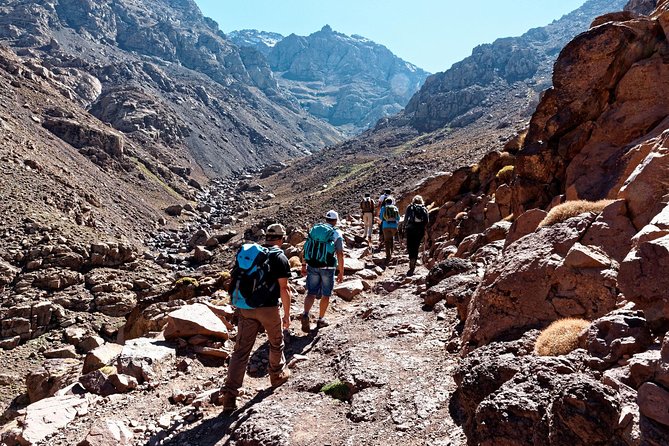
The trek includes camping gear, but it does not include some of the gear you might expect. Before you go, make sure you’re clear on the not-included list:
Not included:
- winter rental gear like crampons and ice axe (winter conditions)
- sleeping bags
- walking poles
- soft drinks
- travel insurance
- tips
That list is worth thinking about even in non-winter months, because weather in the Atlas can swing. If you plan to rely on rentals on-site, keep your expectations flexible and ask in advance what’s available for your travel dates.
Also remember that bottled drinks and snacks often cost extra. Soft drinks are not included, so if you want something specific, plan on bringing it or budgeting for it.
Price and value: What $255-ish buys on a two-day Toubkal trek
The listed price is $255.89 per person for about 2 days. On paper, that might sound steep if you only think in terms of “two days of walking.” But this price includes a lot of real-world costs that would be hard to replicate solo:
- Hotel pickup and drop-off in Marrakech
- the transfer to Imlil and back
- an English-speaking guide
- a cook
- meals (breakfast, lunch, dinner)
- camping setup in tents near the refuge
- a mule to help carry loads
- and admission tickets are included (the itinerary explicitly marks admission as included)
Where the value can drop is when you add your own “missing pieces.” You may need rental equipment depending on season (crampons/ice axe in winter), plus a sleeping bag and maybe walking poles. If you already have proper cold-weather gear, the trek can feel very good value because most heavy logistics are handled.
In short: the price buys you someone else’s planning, transport, camp workflow, and food. If you want the summit without running logistics, you’re paying for that convenience. If you’re trying to DIY every part, this stops looking like a bargain and starts looking like a convenience fee.
Who this trek suits best (and who should rethink the 2-day plan)
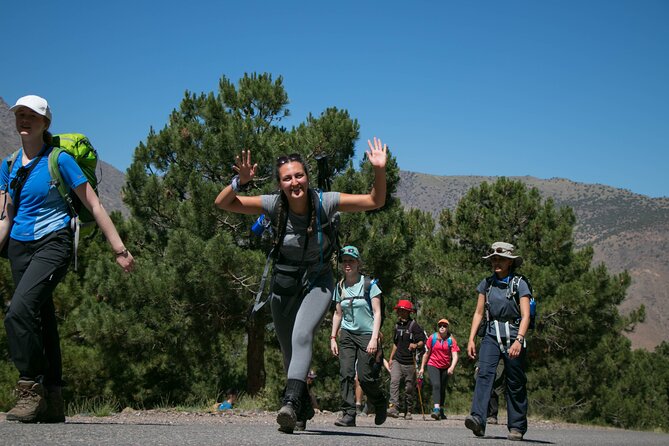
This experience asks for moderate physical fitness. That’s not marketing fluff. Day 1 is roughly 5 to 6 hours, and Day 2 is about 10 hours with scree and altitude challenges.
You’ll likely love it if:
- you want a guided summit attempt rather than figuring out routes solo
- you’re okay with a long walking day and a steep climb rhythm
- you prefer a small group rather than a big crowd
- you enjoy mountain camps and meals handled for you
You should think twice if:
- you want a low-effort hike (this is not that)
- you get discouraged by loose rock (scree) or altitude effects
- you’re traveling without winter cold gear in colder months
One more practical point: the itinerary is designed to cram big objectives into two days. That’s great when you’re excited and ready to go. It’s harder if you need lots of acclimatization time.
Final call: Should you book this Toubkal trek?
If your goal is the highest mountain in North Africa with a plan that handles transport, food, camp setup, and summit timing, I think this is a strong choice. The combination of hotel transfers, small group size up to 15, and included guide + cook + mule makes the trek feel workable, even though it is still physically demanding.
I’d book it if you’re honest about your fitness and you pack the things that are not included, especially a real cold plan for sleeping. If you’re unsure about gear for the season you’re going, ask questions early and don’t wait until the last day.
FAQ
What time does pickup happen in Marrakech?
Pickup is at 8:00am from your accommodation in Marrakech.
How long are the walking days?
Day 1 is about 5 to 6 hours walking, and Day 2 is described as about 10 hours.
Is the group size limited?
Yes. The trek has a maximum of 15 travelers.
What’s included in the price?
Included are hotel pick-up and drop-off, transport between Marrakech and the trek area, 1 night camping accommodation, meals (breakfast, lunch, and dinner), a mule, a cook, and an English-speaking guide, plus camping gear and admission tickets as listed in the itinerary.
What equipment or costs are not included?
Not included are rental equipment such as crampons and ice axe in winter, sleeping bags, walking poles, soft drinks, travel insurance, and tips.
Are children allowed?
Children must be accompanied by an adult.
If you want, tell me when you’re going (month) and your hiking comfort level, and I’ll help you sanity-check the gear list and the two-day pace.