REVIEW · MARRAKECH
Toubkal Trekking 2 Days
Book on Viator →Operated by Morocco Tours With Locals · Bookable on Viator
Mount Toubkal pays back effort fast. This 2-day trek from Marrakech turns the Atlas into a real mountain experience: you’ll ride up to the Imlil area, then hike with your guide to the Toubkal refuge and summit. I especially like two things—an air-conditioned vehicle for the drive and sleeping in a local refuge (so you’re not hunting for camping gear in the dark).
The main consideration is simple: Day 2 is long (about a 10–12 hour walking day plus the drive back). If you’re not comfortable with a big summit push and a serious descent, this will feel like hard work, not a stroll.
In This Review
- Key highlights I’d plan my trip around
- From Marrakech to Imlil: the ride that sets your day up
- Day 1: Imlil (1740m) to the Toubkal refuge (3207m)
- Day 1 night at a local refuge: why it’s a big deal
- Day 2: the early summit push to Jbel Toubkal (4167m)
- Your guide’s job: keeping you moving and feeling secure
- Gear you can skip (and gear you can’t)
- Price and value: what $210.53 per person actually buys
- How hard is it, really?
- Weather rules: what can change your dates
- Should you book this 2-day Toubkal trek?
- FAQ
- What is the duration of the Toubkal Trekking 2 Days trip?
- Where does the trek start and end?
- Do I need mountaineering experience?
- Do I need camping gear?
- How do you get from Marrakech to the trail area?
- What altitude will I reach?
- What fitness level do I need?
- Is food included?
- Are tips included in the price?
- What if the weather is bad?
Key highlights I’d plan my trip around
- Air-conditioned vehicle to cut the long road time between Marrakech and the trailhead
- Refuge sleep instead of camping, so you can pack lighter
- Guide-led pace and safety, with named guides like Ibrahim, Mohamed, and Rashid referenced in past groups
- Aït Mizane valley + Aremd + Sidi Chamarouch, so it’s not just a point-to-point summit hike
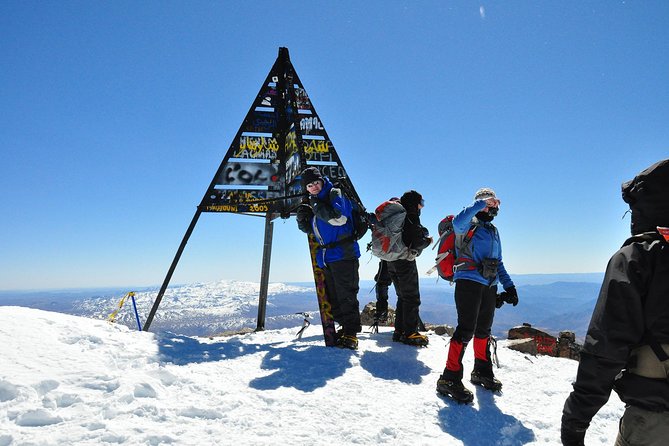
- Big summit payoff at 4167m with views toward Marrakesh, the High Atlas, the Anti-Atlas, and the Sahara
From Marrakech to Imlil: the ride that sets your day up
Most Toubkal trips live or die by logistics, and this one handles the messy part: the back-and-forth from Marrakech to the hiking area. You get pickup in Marrakech and then travel by air-conditioned vehicle, which matters on summit days when you’ll want to conserve energy before you start climbing.
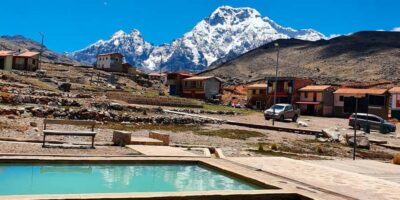
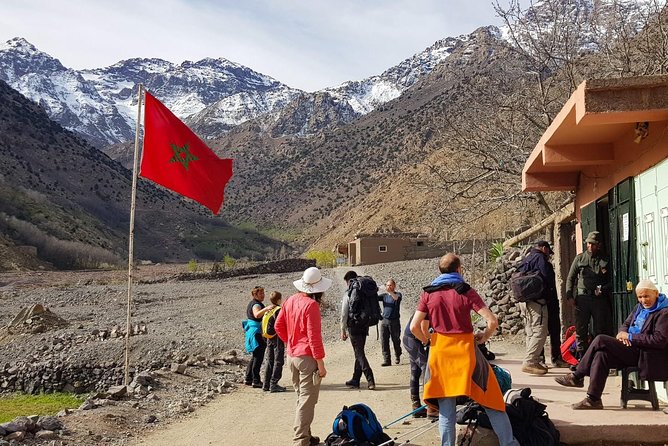
Your trail start is around Imlil (1740m), which is the classic launch point for Toubkal trekking. The practical win here is that you’re not trying to figure out transfers at the end of a long hike. You start in the right place, and you also finish back where the experience connects you for the ride home.
You can also read our reviews of more tours and experiences in Marrakech.
Day 1: Imlil (1740m) to the Toubkal refuge (3207m)
Day 1 is the “get into altitude mode” day. You’ll drive from Marrakech toward the Imlil valley and then meet the local team before you begin trekking. This first stretch isn’t just about walking uphill; it’s about learning the rhythm with your guide and getting your body ready for the summit day.
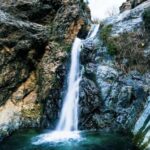
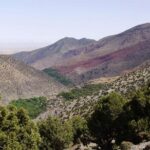
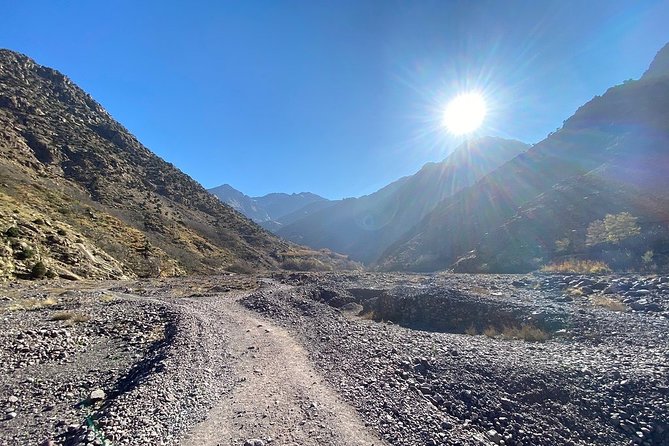
You’ll trek through the valley of Aït Mizane, then move toward Aremd. After that, the route heads to the sanctuary of Sidi Chamarouch and includes a nearby waterfall. Those stops break up the climb and add something you’d miss if you only saw the summit and the trail.
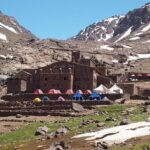
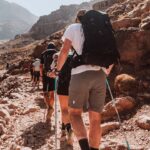
From there, the hiking becomes steeper as you work up toward the Toubkal refuge at 3207m. Expect about 4–5 hours of walking on Day 1. Even without mountaineering skills, this is real mountain terrain: uneven paths, changing footing, and the steady push upward.
What I like about Day 1: it’s long enough to feel like a proper trek, but not so long that it drains you for the next day. You’ll sleep at the refuge, which is exactly what you want when the goal is an early summit start.
Day 1 night at a local refuge: why it’s a big deal
One of the best parts of this tour style is that you sleep in a local refuge, not a tent. That sounds like a small detail until you’re carrying gear in the mountains. Here, you don’t need camping gear, which means you can focus on the essentials: staying warm, staying hydrated, and keeping your energy for the summit.
The refuge also supports the group dynamic. In past groups, the on-the-ground team has been praised for organization and food, and there’s often a cook involved. That matters because after hours of hiking, you want a real meal and a place to reset.
Tradeoff to consider: refuge sleeping can feel basic compared to a city hotel. If you expect luxury bedding and quiet like a five-star resort, you’ll be happier setting your expectations to mountain practicality.
Day 2: the early summit push to Jbel Toubkal (4167m)
Day 2 starts early for a reason: you need time to reach Jbel Toubkal (4167m) and still make it back down to Imlil. The walking time is long—around 10–12 hours of hiking—plus about 1.5 hours of driving back toward Marrakech.
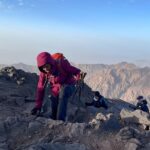
The route climbs through rocky sections and includes crossing streams, then works you up toward a plateau. There’s a break planned there, and that’s where the summit effort starts to feel worth it.
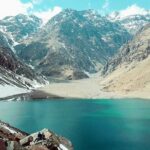
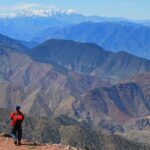
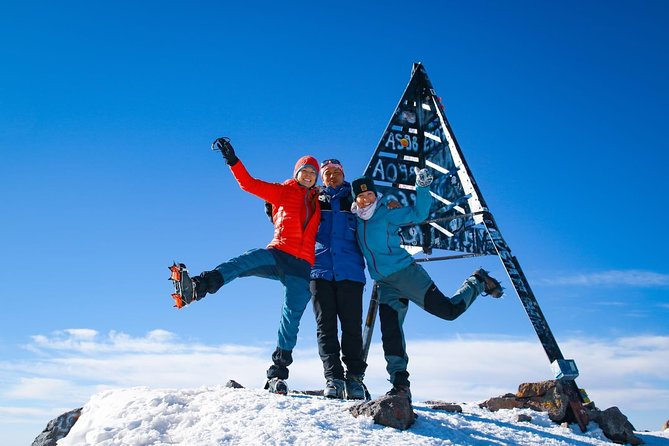
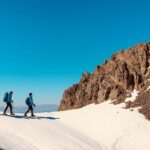
When you reach the top, you’ll be able to take in wide views: the plain of Marrakesh and the High Atlas to the north, with the Anti-Atlas and the Sahara visible to the south on clear days. Standing at 4167m, you get a sense of scale that you simply don’t get from looking at photos back home.
Then it’s time to go down. The descent back to the refuge (3207m) and further down to Imlil (1740m) is its own challenge. Long downhills can be tough on knees and ankles, so it’s smart to treat the descent as part of the workout—not something you can race.
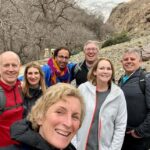
One thing I found consistently valuable from real-world experiences on this trek: having a guide who manages pace and altitude helps a lot. In past groups, guides like Mohamed have been noted for pacing to help avoid altitude issues, and groups have repeatedly described feeling safe.
Your guide’s job: keeping you moving and feeling secure
This trek is described as challenging but not requiring mountaineering experience, and that fits with how guides typically run the climb: you’re not expected to have technical climbing skills. Instead, the work is about route-finding, pacing, and smart safety choices on steep paths and uneven ground.
Guides are positioned as with you for the entire time, and that shows up in the kind of feedback the trip tends to earn. Multiple guide names appear in prior experiences—Ibrahim, Mohamed, and Rashid—and people specifically mention calm leadership and careful attention to pace.
You’ll also likely get frequent encouragement and small breaks. In past experiences, groups have praised the ability to stop for practical things like coffee and orange juice while still keeping the group moving.
If you like the idea of trekking with a plan and a person who knows what the mountain demands, this style is a strong fit.
Gear you can skip (and gear you can’t)
The big gear win: because you sleep in a refuge, you don’t need camping equipment. That’s not just convenient—it also reduces weight and makes it easier to focus on footing and stamina.
But you still need to dress and prep for mountain conditions. You’re going from the Imlil valley (1740m) up to over 4000m, and temperatures can swing. Plan for layers and for long time on your feet. Also, bring a plan for hydration, because you’ll be walking many hours.
One practical caution that shows up in the experiences: people advise not to drink mountain water that looks clear. That can be a big deal up high where water sources can look inviting but aren’t always safe. Your guide should be able to tell you what’s safe and what isn’t during the trek.
Price and value: what $210.53 per person actually buys
This tour is listed at $210.53 per person, and it’s often booked well in advance. The price is best understood as paying for the whole system: a vehicle pickup and return, a guided summit trek to the highest point in North Africa, and overnight lodging at the refuge.
The official included list specifically calls out air-conditioned transport, but real-world experiences credit the broader team for organization, including food and accommodation. So while you shouldn’t assume every detail is included in the way a luxury itinerary is, the overall value story is clear: you’re not on your own trying to stitch together transport, sleeping, and a summit plan.
Who gets the best value here?
- People who want a guided summit but don’t want to manage camping logistics
- Travelers comfortable with long walking days and steep terrain
- Anyone who values safety and pace management more than solo freedom
How hard is it, really?
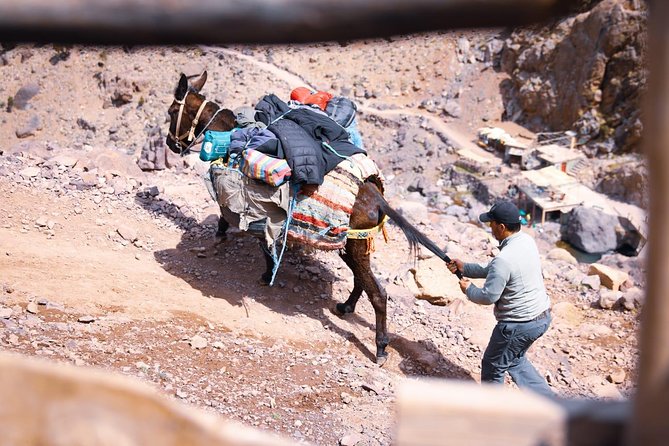
The trek is aimed at people with moderate physical fitness. It does not require mountaineering experience, but it absolutely is not a casual hike. Day 1 is about 4–5 hours, and Day 2 stretches to 10–12 hours of walking time.
Altitude is part of the deal. Past experiences note that altitude sickness is possible but often moderate, and at least some guides actively adjust pace to help. That’s the kind of detail that makes a difference: you can feel pressure to match the pace, or you can slow down early and feel better later. If you know your body takes longer to adjust, tell your guide and don’t force speed.
Red flag for your planning: if you know you struggle with long descents or you’re already dealing with fatigue or injury, you may want to choose a different hiking level.
Weather rules: what can change your dates
This experience requires good weather. If weather conditions cause cancellation, you’ll be offered a different date or a full refund. That’s not a marketing detail—it’s part of how mountains operate. Even if the trek is planned, trail conditions and visibility matter.
My advice: if your trip window is tight, build in a little flexibility. And keep an eye on communication once you book, since confirmation is received at the time of booking.
Should you book this 2-day Toubkal trek?
Book it if you want a real summit hike with a guide, you’re okay with a long second day, and you like the idea of sleeping at altitude without carrying camping gear. The best argument for booking is the combination of AC transport + refuge sleeping + guided pacing—and the way guides have been singled out for safety and organization.
Skip it (or at least rethink) if you want an easy walk, short days, or a relaxed pace. Day 2 is a marathon, and the mountain doesn’t care that you’re on vacation.
If you’re the kind of traveler who loves earning views, likes doing things the traditional way, and wants the Atlas to feel close and immediate, this is a strong choice.
FAQ
What is the duration of the Toubkal Trekking 2 Days trip?
The trek runs for about 2 days, with roughly 4–5 hours of walking on Day 1 and 10–12 hours of walking on Day 2, plus about 1.5 hours of driving.
Where does the trek start and end?
It starts in Imlil, Morocco and ends back at the meeting point.
Do I need mountaineering experience?
No. The trek is challenging, but it does not require mountaineering experience.
Do I need camping gear?
No. You sleep in a local refuge, so camping gear is not required.
How do you get from Marrakech to the trail area?
You’re picked up in Marrakech and transported by an air-conditioned vehicle.
What altitude will I reach?
You trek from about 1740m (Imlil) up to the Toubkal refuge at 3207m, and then to the summit at 4167m.
What fitness level do I need?
The tour asks for moderate physical fitness.
Is food included?
The trip has a cook and meals are handled as part of the mountain support team, and food has been specifically praised in past experiences.
Are tips included in the price?
No. Tips for the staff are not included.
What if the weather is bad?
This experience requires good weather. If it’s canceled due to poor weather, you’ll be offered a different date or a full refund. You can also cancel up to 24 hours in advance for a full refund.