REVIEW · MOSHI
Kilimanjaro 7 Day Private Trekking Experience
Book on Viator →Operated by Tanzania Escapade · Bookable on Viator
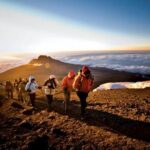
One of Africa’s biggest hikes starts right from Moshi. This 7-day private Kilimanjaro trek is built for a smoother, more personal experience with an experienced mountain crew, camping setup, and clear acclimatization days. You’ll follow the Machame-to-Shira-to-South Circuit flow, with big skyline moments like the Western Breach view and a midnight summit bid.
What I like most is how much work goes into logistics: you get driven to Machame Gate, you’re camped with tents and full meals, and your team handles the mountain grind so you can focus on pacing. I also like the human touch—Oscar’s quick communication shows up in how planning gets handled, and guides like Saul (and other team leaders in past groups) are repeatedly described as friendly and solid on the mountain.
One thing to consider: this is a serious high-altitude climb. It’s not a casual trek, and you’ll want a strong fitness base because the days include steep scrambles and long effort at altitude.
In This Review
- Key Things You’ll Care About on This Trek
- Moshi Base Camp Energy: Starting Smart Instead of Scrambling
- Day 1: Machame Rainforest to Machame Camp (and Why That First Stretch Matters)
- Day 2: Shira Camp One and Your First Real Glacier Glimpse
- Day 3: Lava Tower Acclimatization, Then a Descent to Barranco
- Day 4: Barranco Wall Scramble to Karanga Valley Ridge Camp
- Day 5: Barafu Camp and South Circuit Views From Many Angles
- Day 6: Midnight Summit Attempt to Stella Point at Sunrise
- Day 7: Final Descent Through Rainforest to Mweka Gate, Beer, and Hot Shower Time
- Price and Value: What $3,120 Buys You (and What It Doesn’t)
- Who This Trek Fits Best (and Who Might Want a Different Plan)
- Small Planning Notes That Can Save You Stress
- Should You Book This Private 7-Day Kilimanjaro Trek?
- FAQ
- Where do you start, and is pickup included?
- Is this trek really private?
- What meals and camping basics are included?
- Are park admission tickets included?
- Do I need to bring trekking gear?
- How fit do I need to be?
- What if weather is bad or I need to cancel?
Key Things You’ll Care About on This Trek
- Private group feel: only your group participates, so you’re not stuck waiting on other people’s pace
- Acclimatization built into the route: “climb high, sleep low” shows up with the Lava Tower day and shorter climbs before harder segments
- A real mountain-night plan: the summit attempt starts around midnight, with tea before departure and headlamp climbing
- Top-to-bottom support: porters, chefs, and camping crew handle tents and camp setup while you focus on walking and breathing
- Meaningful finish: final descent to Mweka Gate includes a celebratory drink, hot shower time in Moshi, and a certificate
- Park access handled in the schedule: admission is listed as free/included across the trek days you’ll be hiking
Moshi Base Camp Energy: Starting Smart Instead of Scrambling
Most people underestimate how much the first day can set the tone. This trek starts from Moshi, and you’re offered pickup, then driven to Machame Gate after a final check of gear and supplies. That matters because Kilimanjaro days are long, and stress burns calories you’ll need later.
If you arrive with extra items you don’t want to take up the mountain, the plan includes leaving them in a lock-up at your hotel. That’s a small comfort that helps you feel organized early. You also get a packed lunch on Day 1, then you register with the Kilimanjaro Park office before the climb begins—so you’re not trying to guess what comes next while you’re already tired.
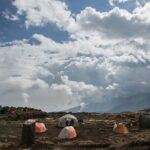
This is also a “you get a team, not just a guide” setup. The package lists guides, porters, chefs, and a camping crew, and that usually translates into fewer blank moments where you’re left figuring out camp logistics at altitude.
You can also read our reviews of more tours and experiences in Moshi.
Day 1: Machame Rainforest to Machame Camp (and Why That First Stretch Matters)
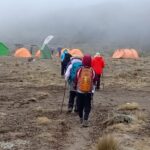
Your first hiking day runs from roughly 1,800m up to around 3,000m, about 11 km total, and around 6 hours of trekking through rainforest. You start at the gate after paperwork, a lunch pack, and a check-in with the mountain team.
I like Day 1 for one simple reason: it lets you ease into motion before the air gets sharp. Rainforest trekking is usually steady and predictable. You’ll be walking with the “beginner’s engine,” not yet dealing with the higher, drier air that comes later in the climb.
Then you finish at Machame Camp in the late afternoon. That timing matters because it gives you time to settle before the temperature and fatigue fully catch up. You’re camping at altitude, so even if Day 1 feels manageable, it’s still training your routine: eat, hydrate, slow down, and sleep as well as you can.
Day 2: Shira Camp One and Your First Real Glacier Glimpse
Day 2 shifts from rainforest to moorland, rising from about 3,000m to 3,850m over roughly 9 km and around 6 hours. The route crosses into open terrain with sparse vegetation and rocky sections, then turns toward a river gorge as you move toward Shira Plateau.
This is where you get one of Kilimanjaro’s signature moments: you catch your first glimpse of the Western Breach and its glaciers. That isn’t just a photo stop. Seeing it early helps you mentally map the mountain ahead, and it gives you a sense of scale for what you’re actually chasing.
You’ll also get camp rhythm support right away: wake-up tea at 6:30am, then breakfast before you continue. It’s a small detail, but it helps you stay consistent—Kilimanjaro rewards routine.
Night is at Shira Camp One, where the cook welcomes you with boiled drinking water and hot drinks (the description notes hot washi—exact wording is cut off, but you can count on warm camp hydration and food support). This kind of warmth matters when the temperature drops fast.
Day 3: Lava Tower Acclimatization, Then a Descent to Barranco
Day 3 is a key acclimatization day. You move from about 3,850m to the 4,600m area of Lava Tower for extra height, then descend to around Barranco Camp. The overall trekking time is about 7 hours, with a tough profile described around a semi-desert landscape.
Here’s the value: you’re doing a controlled “climb higher” move, then using a descent to reduce strain—your team explicitly calls out the golden rule of acclimatization: climb high and sleep low. That logic is exactly why this route tends to feel more manageable than one straight shot.
At Lava Tower (about 4,600m), you stop for lunch and bonus acclimatization time. After that, you descend roughly 650m to Barranco Camp. The day is described as the toughest so far, but also a day with plenty of photo angles, which tells me you’ll get those expanding, dramatic views right when your legs are working hard.
One practical takeaway: treat Lava Tower like a pacing drill. You’re not rushing for distance; you’re buying time for your body to adapt.
Day 4: Barranco Wall Scramble to Karanga Valley Ridge Camp
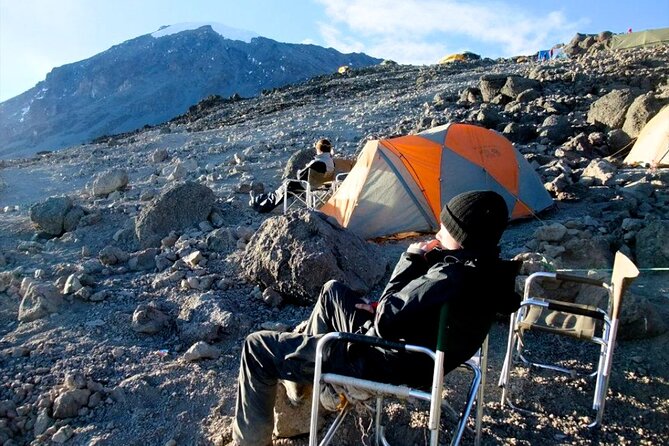
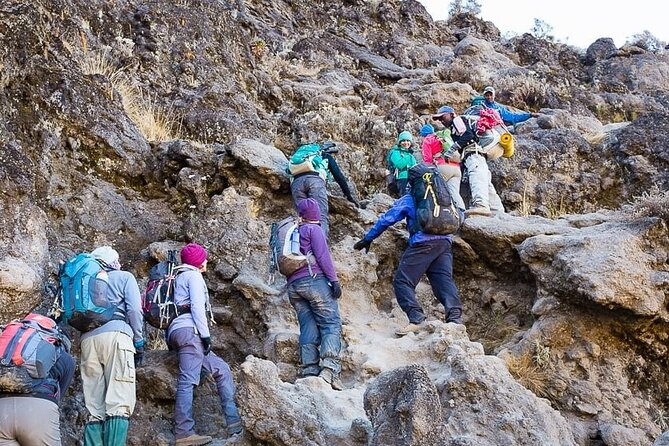
Day 4 begins at Barranco Camp and moves toward Karanga Valley, with a stated 7-hour trekking block. You’ll start with a 1.5-hour scramble up Barranco Wall, described as the hardest part of the day. In some sections, you’ll use your hands to pull yourself up.
This is the day I’d highlight to anyone who thinks Kilimanjaro is only “walking.” It’s walking, yes—but it also asks for short bursts of technical effort on rock. If you struggle with balance or scrambling, this is where you want to slow down, keep three points of contact when possible, and trust your guide.
After the scramble, you descend into the greener Karanga Valley. The plan usually camps on a ridge above the valley to improve acclimatization. That detail signals intent: it’s not just where you sleep; it’s how you sleep and how your body handles the next climb.
Day 5: Barafu Camp and South Circuit Views From Many Angles
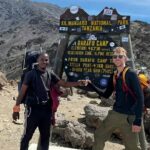
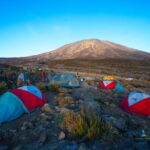
Day 5 takes you toward Barafu Camp and is still about acclimatization plus positioning for the summit push. It’s about 6 km and roughly 7 hours, with an elevation gain listed around 400m (1,320 feet).
On the way, you get views of Kibo’s glaciers and the junction linking descent routes (specifically where the Mweka route connects with the Machame trail). Once you top out just below the Heim Glacier, you can appreciate how broad Kilimanjaro looks from your angle on the mountain.
The route heads down through Karanga Valley and over ridges and valleys to join the Mweka Route, which becomes part of your descent later. The plan notes you’ve completed the South Circuit, where summit views show up from different angles.
This matters because the final days can feel like you’re marching toward one single point. The South Circuit idea breaks that up. You’ll be walking through changing views rather than only staring at one peak silhouette.
Day 6: Midnight Summit Attempt to Stella Point at Sunrise
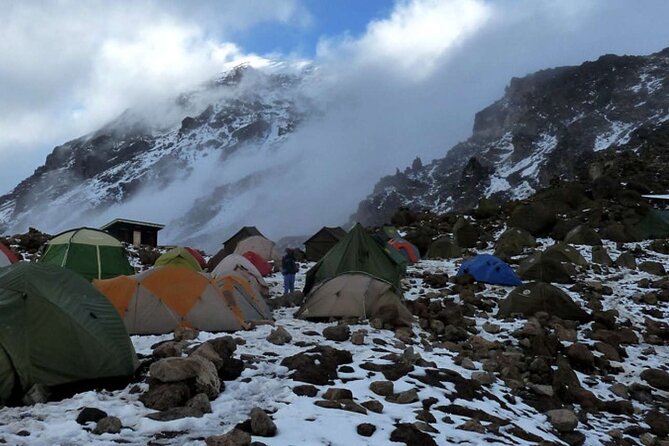
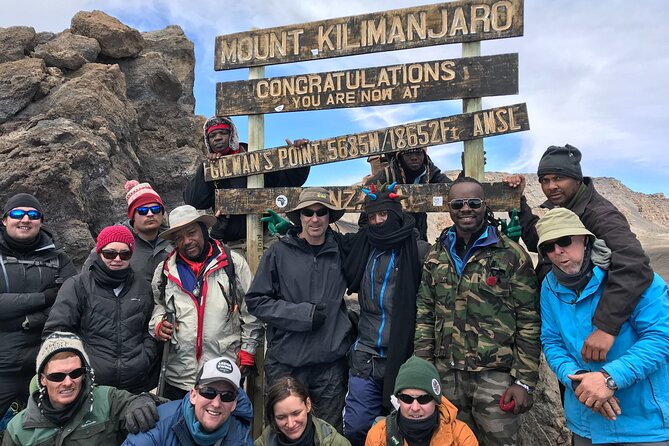
Day 6 is the heart of the whole trip. You’ll be served wake-up tea at 11:30pm, and then depart at about midnight. Your initial climb begins in the dark with headlamps, guided paths through areas called Ratzel and Rebmann Glaciers, then onward to Stella Point.
You’ll hear people call this the hardest part of the climb, and the schedule supports that. It’s long. It’s cold. And it’s mentally demanding because you’re walking before your brain can even fully wake up.
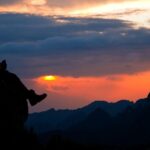
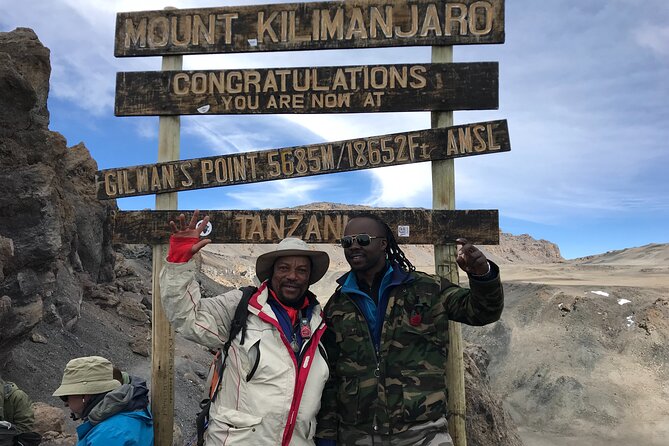
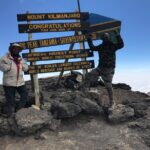
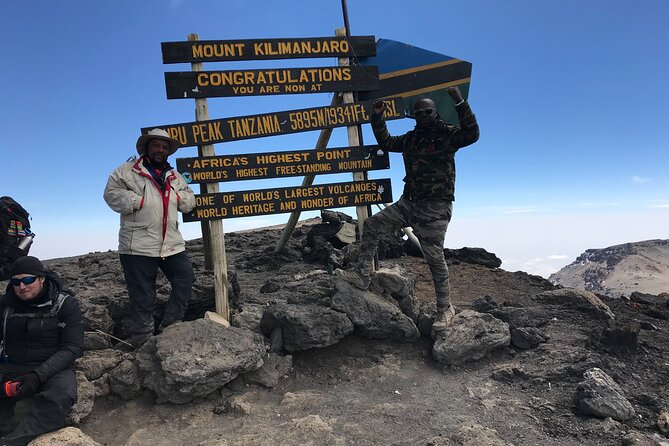
The payoff is the part that gets described like a life memory: you’re rewarded with what’s called perhaps the most emotional sunrise. You reach Stella Point and then you experience that first big light change as the mountain shifts from silhouette to reality.
After the summit segment, the day transitions into descent time. The elevation section shows you drop back down toward around 3,100m, with a stated 6–8 hours ascent and 7–8 hours descent overall, plus references to stone screen and ice fields. In plain terms: you’re moving both up and down, and you’ll want to treat the descent as part of the work, not relief.
Day 7: Final Descent Through Rainforest to Mweka Gate, Beer, and Hot Shower Time
Day 7 is shorter and sweet—about 10 km over 3–4 hours. It starts with a final wake-up and a celebratory breakfast, then you descend through rainforest toward Mweka Gate.
At the gate, the plan includes a celebratory beer or champagne while equipment is loaded into the van. After that, you drive back to Moshi and get an overdue treat: a hot shower and lunch at Kilimanjaro Wonders Hotel. Then dinner comes with your certificate of achievement.
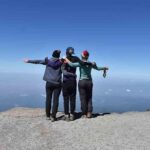
This is a big part of why I like well-run climbs. The end isn’t just “walk down and go home.” You get closure—food, warmth, and a real moment to acknowledge what you just finished.
Price and Value: What $3,120 Buys You (and What It Doesn’t)
At $3,120 per person for a private 7-day trek, you’re paying for a lot of infrastructure—especially at altitude. The package includes tents, food, and the mountain crew salaries (guides, porters, chefs, camping crew), plus pre and post climb accommodation.
You also get meal coverage across the climb: 7 lunches, 6 dinners, and 6 breakfasts. That’s not a small thing, because good food and warm drinks affect how long you can keep going without melting into fatigue.
There are also two logistics upgrades that matter more than they sound:
- Pickup offered, which helps you start without chaos
- Mobile ticket, which can reduce paper headaches
What’s not included is the stuff you might forget to budget:
- personal trekking gear (not included, but can be hired locally)
- guide and porter gratuities
- personal travel and baggage insurance
- phone bill and laundry
So is it good value? For many people, yes—because you’re buying “managed mountain time.” If you’ve ever tried to organize a trek like this yourself, you learn quickly how much coordination goes into permits, camp rhythm, and staffing. The private element also reduces friction. You’re not building a schedule around other walkers’ pace.
The main drawback on price is fairness to your expectations. This isn’t a cheap adventure. But the inclusions show a full-service approach, not just a walking guide and vibes.
Who This Trek Fits Best (and Who Might Want a Different Plan)
This one is a good match if you:
- want a private experience with a team that handles camp setup and meals
- like clear pacing and acclimatization logic (Lava Tower + “sleep low”)
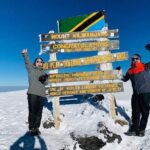
- are ready for a true summit night with a midnight start and a sunrise moment at Stella Point
- prefer your mountain plan to include a structured finish in Moshi with hot showers and certificates
It’s probably not your best fit if:
- you’re not comfortable with steep scrambling (Barranco Wall is specifically called out)
- you’re weak on altitude fitness or general endurance
- you’re hoping for a relaxed hike without real exertion
Also note: travelers should have a strong physical fitness level. Children under 15 require special requirements before trekking.
Small Planning Notes That Can Save You Stress
A couple of details are worth your attention before you commit:
- This experience requires good weather. If it’s canceled due to poor weather, you’ll be offered a different date or a full refund.
- Once you cancel, it’s non-refundable and cannot be changed. If your travel schedule is tight, double-check the dates you’re locking in.
- Park admission is listed as free/included across multiple trek days in the schedule, so you’re not guessing what fees to cover day-to-day.
Should You Book This Private 7-Day Kilimanjaro Trek?
If you want Kilimanjaro with less chaos and more mountain support, I’d seriously consider this trek. The day-by-day rhythm is designed around acclimatization, and the summit day has a clear plan built around the midnight start and sunrise payoff. Add the private-group setup, the crew-led camp system (tents, food, meals), and the finish with beer/champagne, hot shower time, and a certificate—and you get a trip that feels “taken care of,” even when the mountain is tough.
Before booking, be honest about one thing: you’re signing up for real effort at altitude, including a steep Barranco Wall scramble and a long summit-night climb. If you can handle that with focus, this sounds like a strong match—and the consistently high satisfaction shown by a 5/5 rating (with many reviews) backs up that the team knows how to run the show.
FAQ
Where do you start, and is pickup included?
You start from Moshi, Tanzania. The experience includes pickup offered, and then you’re driven to Machame Gate at the beginning of the trek.
Is this trek really private?
Yes. It is listed as a private tour/activity, and only your group will participate.
What meals and camping basics are included?
The package includes food, tents, and camp support. Meals listed as included are 7 lunches, 6 dinners, and 6 breakfasts, along with mountain crew services.
Are park admission tickets included?
Admission ticket status is shown in the trek schedule as included or free on multiple days, so park access is handled as part of the experience plan for the hiking days listed.
Do I need to bring trekking gear?
Your climbing personal gears are not included, but the listing says you can hire gear locally if required.
How fit do I need to be?
The experience notes that travelers should have a strong physical fitness level.
What if weather is bad or I need to cancel?
The experience requires good weather. If it’s canceled due to poor weather, you’ll be offered a different date or a full refund. If you cancel or request changes, it is non-refundable and cannot be changed.