REVIEW · KATHMANDU
Short Everest Base Camp Trek 10 Days
Book on Viator →Operated by Eco Holidays Nepal · Bookable on Viator
Everest Base Camp in 10 days can feel wild. You’re racing the clock to reach the foot of Mount Everest, with a flight into Lukla and big views of Everest and neighboring peaks. The route also lines up visits to Namche Bazaar, the Tyangboche monastery, and the dramatic Khumbu icefall area.
What I like most is how much the trip handles for you. Your package includes Kathmandu to Lukla round-trip flights, all main meals during the trek (breakfast, lunch, dinner), tea house accommodation, and even key cold-weather gear like a sleeping bag and down jacket. Less stress means you can focus on walking, breathing, and looking up.
The one thing to plan carefully is your physical load. A porter is not included, so you’ll want a realistic plan for carrying your own pack (and bringing a level of fitness that matches a fast 10-day pace).
In This Review
- Key Things You Should Know Before You Go
- Why a Short 10-Day Everest Base Camp Trek Actually Makes Sense
- Getting There: Kathmandu to Lukla and the Real Meaning of Timing
- Following the Trail to Namche Bazaar (Dhudhkosi Valley Included)
- The Tyangboche Monastery Stop: Culture at the Same Altitude You’re Chasing
- Khumbu Icefall and Glacier Country: Where the Scale Hits You
- Everest Base Camp: The Finish Line, and What You’ll Feel Standing There
- Tea Houses, Meals, and Comfort: What’s Included and Why It Matters
- The Guide Experience: When Service Actually Shows Up
- Air-Conditioned Vehicle and Pickup: Small Comfort, Big Relief
- Price and Value: What $1,690 Really Buys You
- Who This Trek Is For (and Who Should Rethink It)
- Should You Book This Short Everest Base Camp Trek?
- FAQ
- Where does the trek start?
- How long is the short Everest Base Camp trek?
- Are flights included?
- What kind of accommodation is provided during the trek?
- What trekking gear is included?
- What meals are included?
- Is a porter included?
- Is pickup offered in Kathmandu?
- What fitness level do I need?
- Can I cancel, and what if weather affects the trip?
Key Things You Should Know Before You Go
- Lukla flights are the thrill opener, and the schedule can hinge on weather
- Namche Bazaar and Sherpa life are part of the point, not just a check-the-box stop
- Tyangboche monastery gives you a cultural contrast to the ice and altitude
- Khumbu icefall and glacier country put you close to the scale of Everest
- Gear is included and then returned, which helps a lot if you hate bulky packing
- Private tour for your group means fewer awkward logistics and more consistent attention
Why a Short 10-Day Everest Base Camp Trek Actually Makes Sense
A lot of Everest itineraries feel like they’re built around days you don’t walk much. This one is different: it’s designed as a short Everest Base Camp sprint, which is great if you have limited time and still want the core payoff—standing in the Everest Base Camp area and seeing the world’s biggest mountain up close.
If you choose this option, you’re basically buying a tight route that hits the essentials: Everest Base Camp, the Sherpa hubs, and the signature scenery tied to Khumbu. The tradeoff is you should treat it like a real trek, not a casual hike. Even with guides and a structured plan, you’ll be spending plenty of hours on your feet, day after day.
You can also read our reviews of more tours and experiences in Kathmandu.
Getting There: Kathmandu to Lukla and the Real Meaning of Timing
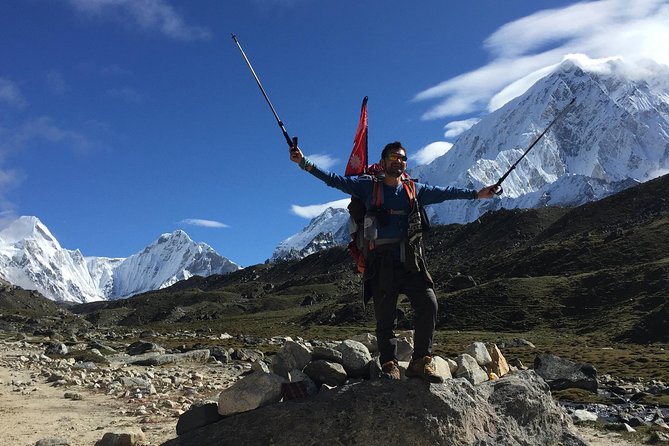
This tour starts at Tribhuvan Airport in Kathmandu. From there, you fly Kathmandu to Lukla and back, with round-trip tickets included. The flight is a major part of why people love this trip: it jumps you straight into the Khumbu region instead of spending days gradually working your way up.
Because this is an Everest-area experience, timing matters. The tour is described as requiring good weather, and the operator’s cancellation terms reflect that. So while your plans are set, you should expect that mountain conditions can influence the flow of the trip—especially around flights.
Following the Trail to Namche Bazaar (Dhudhkosi Valley Included)
One of the best advantages of a short route is that you’re not wasting time between the start and the scenery. Your trek route includes the Dhudhkosi River valley, which helps explain why this area feels so alive—there’s a river corridor, repeated turns of the trail, and that steady sense of moving deeper into the Khumbu.
You also spend time at Namche Bazaar, often called the Sherpa capital. That matters more than it sounds. Namche isn’t just a place to pass through; it’s where you can see everyday Sherpa life and the practical side of trekking culture—things like what people actually eat, how they talk about weather and conditions, and what everyday mountain routines look like.
The bonus here is that this trip doesn’t treat Namche as a random waypoint. It frames Namche as part of understanding the people and the place, so you’re more likely to notice details beyond the view.
The Tyangboche Monastery Stop: Culture at the Same Altitude You’re Chasing
A big draw in this itinerary is Tyangboche monastery, described as the old monastery. In practice, this is where the trek shifts from pure altitude spectacle to something more human and grounding: you get a break from the constant climbing and a chance to see a living religious center in the mountains.
Why this stop is valuable on a short itinerary: when you only have 10 days, you need more than scenery to make the trip feel complete. A monastery stop gives you context for why people live and work here, and it adds a calmer rhythm to a trek that otherwise moves fast.
A reasonable consideration: monastery visits can mean you’ll be adjusting to the moment—people, prayer times, and general mountain pace. It’s not hard, but it’s not a timed museum stop either.
Khumbu Icefall and Glacier Country: Where the Scale Hits You
Your route includes the Khumbu icefall and the Khumbu glacier area. This is the part of Everest you can’t fake with photos. Even if you’ve seen images before, being in the zone where the icefall happens is different because you feel the scale and the movement of a landscape that’s doing its own thing.
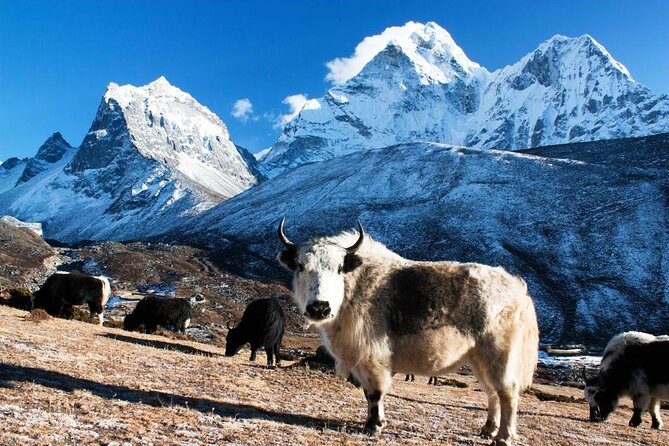
This trek also aims to show you Everest’s neighboring giants—peaks over 8000 meters—so you’re not only tracking one mountain. You’re seeing the larger Everest skyline, which helps you understand why climbers and trekkers alike get hooked on this region.
One practical consideration: since the trip requires good weather, your access to specific views and timings around icefall-area viewpoints can depend on day conditions. Think of this as a trek where the mountains get the final say, not a tour that ignores the sky.
Everest Base Camp: The Finish Line, and What You’ll Feel Standing There
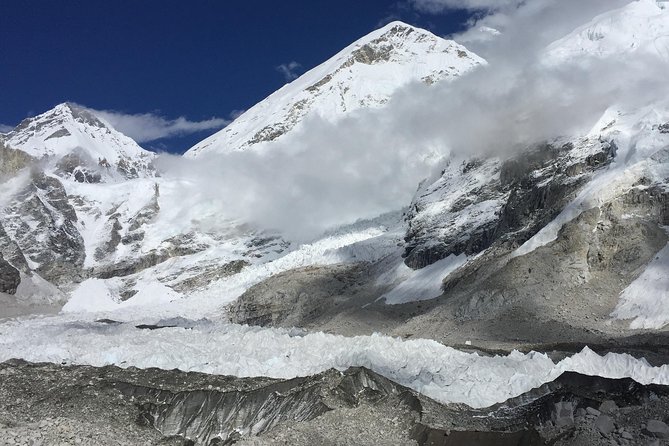
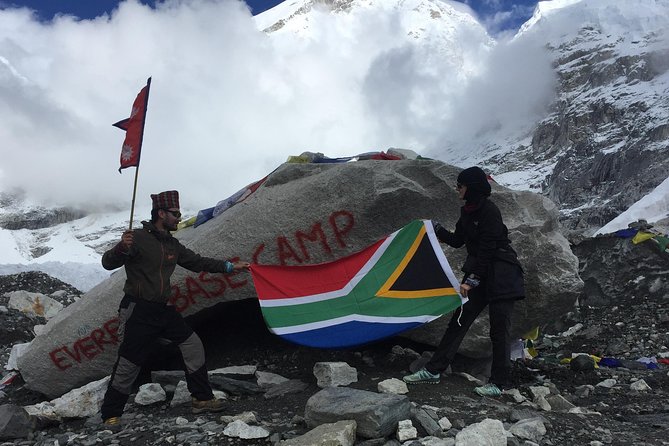
The destination is Everest Base Camp, at the foot of Mount Everest. Reaching that spot is the obvious headline, but the real value of a short 10-day route is that it lets you make that moment happen sooner rather than spending your whole trip on build-up hikes.
What to expect at the finish: you’ll be surrounded by the trekking world—guides, tea house energy, and the steady buzz of people from different places moving through the same corridor. Even if you’re not chasing solitude, there’s something special about being in the same place that turns into a global meeting point each season.
A key consideration: crowds can happen because this is one of the most visited trekking destinations. If you want your most peaceful base camp moment, go with patience and let your guide help you time breaks and photo stops.
Tea Houses, Meals, and Comfort: What’s Included and Why It Matters
This package includes tea house accommodation during the trek. That’s the standard setup for Everest treks, and it can be a big deal when you’re doing a short itinerary. You’re not trying to engineer comfort every night. You’re showing up, eating, sleeping, and moving on.
Food-wise, you get breakfast, lunch, and dinner included during the trek. You should still plan on extra purchases for drinks because coffee and/or tea are not included, and bottled water is also listed as not included. That doesn’t ruin value, but it does mean you should budget for daily hydration and warm drinks.
Now, the part I really appreciate: cold-weather gear is included. You’re provided with a sleeping bag, a down jacket, and a duffel bag, and that gear is returned after the trek. If you’ve ever hauled winter gear across airports, you’ll appreciate this. You’re not stuck trying to carry bulky items for a single mountain window.
The Guide Experience: When Service Actually Shows Up
The biggest pattern in the feedback from people doing this trek is how consistently well they feel looked after. That shows up in how the guides run things—attention to safety, smooth coordination, and reducing the little stress points that can snowball on a demanding trek.
It also helps that Eco Holidays Nepal uses strong guide names in their operations. I saw several examples of guides like Pradeep, BK, and Dhruba Dharel (including the manager Dhruba). Another guide mentioned is Susil. Across names, the common theme is simple: clear guidance, practical help, and a calm approach when conditions change.
Here’s the real-life benefit for you: on a route tied to mountain weather, you don’t want a guide who treats the itinerary like a script. You want someone who can help you stay steady if a day runs differently than planned. One person even described how their plan adjusted when snow shifted expectations, and they ended up valuing the base camp choice. That’s the mindset you want.
Air-Conditioned Vehicle and Pickup: Small Comfort, Big Relief
You’re offered a pickup, and an air-conditioned vehicle is included. On paper, that sounds like a minor add-on. In reality, it helps on arrival day when you’re tired from travel and trying to get your bearings fast.
Also, you get a mobile ticket. That’s useful because it reduces the number of paper hassles you’ll deal with right at the start of a trip.
Price and Value: What $1,690 Really Buys You
At $1,690 per person, this trek isn’t the cheapest way to do Everest Base Camp. But it’s also not just paying for bragging rights. You’re paying for a package that includes the hard-to-assemble parts:
- round-trip flights Kathmandu–Lukla–Kathmandu
- tea house accommodation on the trek
- breakfast, lunch, and dinner
- key trekking gear like sleeping bag and down jacket (then returned)
- included equipment logistics like the duffel bag
- all fees and taxes
- a route map
When you compare against DIY, the biggest savings usually come from avoiding the constant coordination. Here, the schedule and key expenses are bundled, so you spend less time negotiating details and more time preparing your body and enjoying the route.
Things you should still expect to pay for:
- coffee/tea, bottled water, alcohol, soda
- travel insurance
- your hotel in Kathmandu
- a porter if you want one
So the value equation is pretty clear: if you want a structured, lower-stress trek with core essentials handled, the price is easier to justify.
Who This Trek Is For (and Who Should Rethink It)
This is best for you if:
- you have moderate fitness and want the Everest Base Camp experience in about 10 days
- you prefer a guided setup rather than building a trek plan from scratch
- you like the Sherpa cultural stops like Namche Bazaar and Tyangboche monastery
- you want gear provided so you’re not hauling winter items across continents
You might reconsider if:
- you expect to hike lightly with no pack-carry plan, because a porter is not included
- you’re planning around a tight schedule with no flexibility, since the trip depends on good weather
- you hate the idea that you may have to adjust day-to-day if mountain conditions shift
Should You Book This Short Everest Base Camp Trek?
If your goal is the Everest Base Camp milestone without spending extra weeks on the trail, this kind of 10-day route is a strong fit. The biggest selling points are the tight structure and the included basics that reduce friction: Lukla flights, tea house nights, meals, and gear.
My advice: if you’re comfortable carrying your own pack and you’re ready for a faster trekking pace, this is a smart way to do Everest Base Camp with a guide team that focuses on safety and smooth logistics.
If you’re unsure, ask yourself one question: do you want the mountain experience more than you want a slow, fully buffer-built itinerary? If the answer is yes, you’ll likely find this trek hits the right balance of value and authentic Everest time.
FAQ
Where does the trek start?
The experience starts at Tribhuvan Airport in Kathmandu, Nepal.
How long is the short Everest Base Camp trek?
The duration is 10 days, approximately.
Are flights included?
Yes. Round-trip flights are included: Kathmandu to Lukla and Lukla back to Kathmandu.
What kind of accommodation is provided during the trek?
You’ll stay in tea house accommodation during the trek.
What trekking gear is included?
You’re provided with necessary equipment such as a sleeping bag, a down jacket, and a duffel bag. The gear is returned after the trek is complete.
What meals are included?
Breakfast, lunch, and dinner are included during the trek.
Is a porter included?
No. A porter is not included. If you want one, you’ll need to arrange it separately.
Is pickup offered in Kathmandu?
Yes, pickup is offered.
What fitness level do I need?
The trek is meant for travelers with a moderate physical fitness level.
Can I cancel, and what if weather affects the trip?
You can cancel for a full refund if you cancel at least 24 hours in advance. The experience requires good weather, and if it’s canceled due to poor weather, you’ll be offered a different date or a full refund.