REVIEW · MARRAKESH
From Marrakech:Trekking in Atlas mountains 2 days
Book on GetYourGuide →Operated by Omar Adventures-morocco · Bookable on GetYourGuide
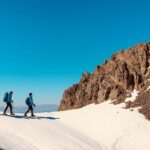
Two days later, Morocco feels much bigger than Marrakech. This trek is all about walking between Berber villages in the High Atlas, with real altitude and constant mountain scenery to keep you switched on. You’ll start from Aguersiwal around 1,500m and work your way up toward Tizi Oussem at about 1,800m.
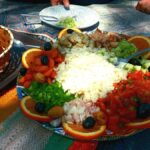
I really like the way the trip is built around food and camp energy. Cooks such as Hicham and Mustafa (and many others in this same crew style) are praised for cooking strong, filling meals in places that are not exactly set up for fine dining, including hot lunches and dinners at remote stops.
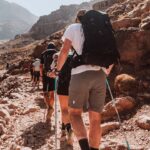
One possible drawback: the hiking is described as moderate, but it can feel steep in parts, and the overnight is simple. If you don’t pack proper shoes and warm layers for chilly mountain mornings, you’ll feel it.
In This Review
- Key highlights worth your attention
- Entering the High Atlas from Marrakech, without losing your vacation time
- Price and logistics: what $127 buys (and what to plan for)
- Day 1: Aguersiwal to Tizi Oussem, 1,500m to 1,800m—and your first pass work
- Day 2: Tizi Mzik Pass (around 2,300m), Igholidn Waterfalls, then down to Imlil
- The real secret sauce: guides and cooks who make remote time feel easy
- Guesthouse reality: simple stay, strong views, and a warm-layer plan
- What to pack for comfort on steep parts and changing weather
- Pacing, group size, and the kind of traveler who will love this
- Should you book this 2-day Atlas trek?
Key highlights worth your attention
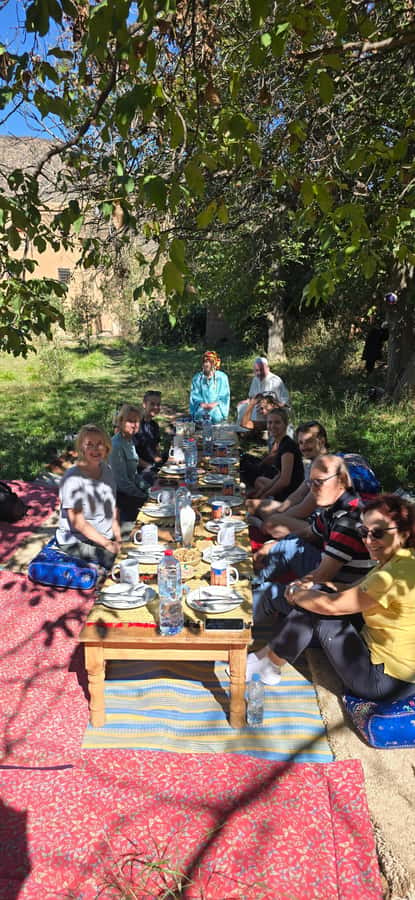
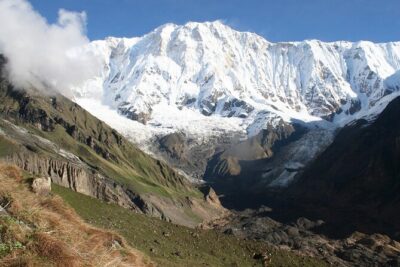
- Toubkal (4,167m) viewpoints from the trek route, without needing a week off
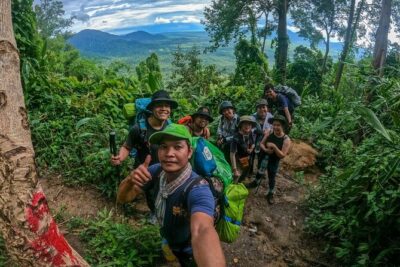
- Small group size (up to 14), so your guide can keep things personal on the trail
- Trail food that’s actually good: hot lunches, dinners, and tea breaks rather than just snacks
- Mules carry your gear, so you’re not hauling everything up the passes
- Two classic walking days: passes on Day 1 and Day 2 plus a waterfall stop
- Flexible meal options for gluten-free, vegetarian, or allergies if you tell them ahead
Entering the High Atlas from Marrakech, without losing your vacation time
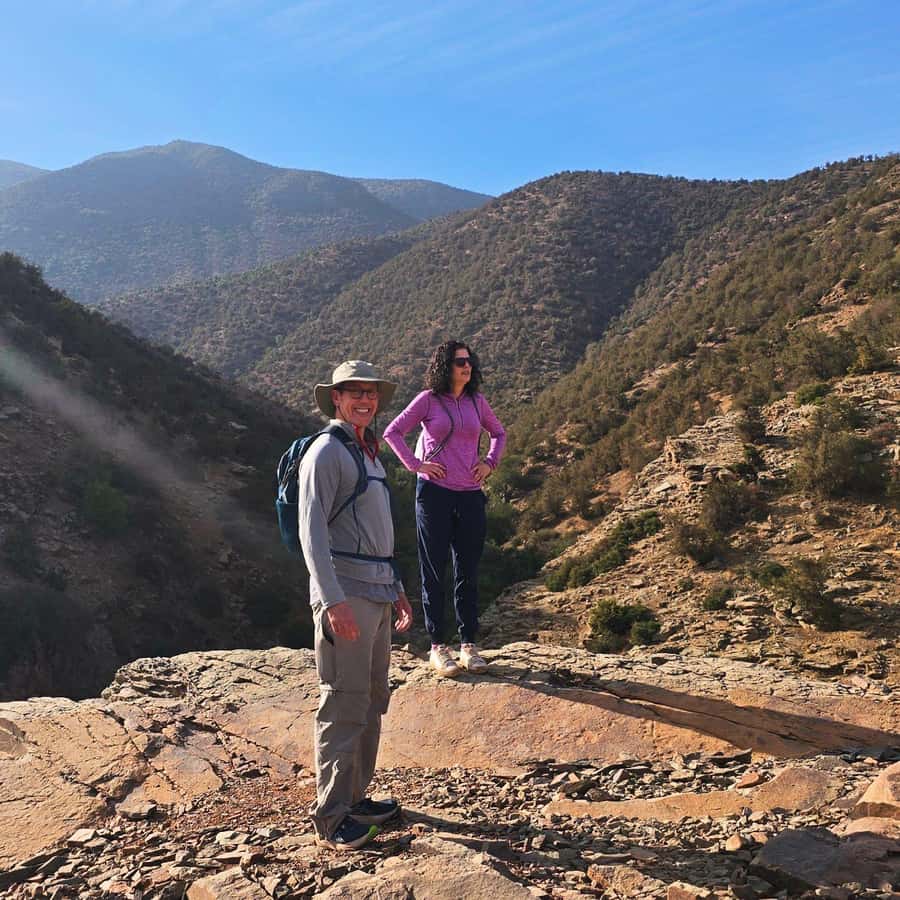
Marrakech is energetic and loud. This trek is the opposite: slow air, mountain rhythms, and villages that don’t fit into a typical city checklist. What makes it work so well is the time investment. Two days is enough to get you out of the valley haze and into the High Atlas walking mindset, but not so long that you’re wrecked for the rest of your trip.
You’re also not just hiking “in the mountains” in the vague sense. The route is built around small places and pass crossings—Aguersiwal, then Tizi Oussem, then onward toward Imlil—so you feel the human side of the region, not only the scenery. Expect to meet local people, share space at trail breaks, and get that mint-tea pause that turns tired legs into grateful legs.
Price and logistics: what $127 buys (and what to plan for)
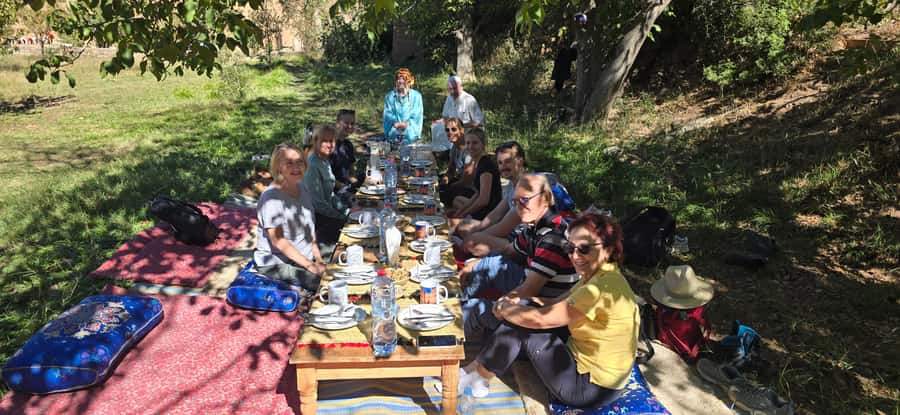
At $127 per person for a 2-day trek, this is in the value zone for Morocco mountain experiences. You’re paying for the parts that are hard to arrange on your own: transport from Marrakech and back, a guide for two days, one night in a Berber mountain guesthouse, two lunches and one dinner plus one breakfast, and mule support to carry your gear.
It’s not a “luxury lodge” price, and the inclusions reflect that. Drinks (especially water), trekking equipment, and tips are not included, so you’ll want to budget for those. If you need a specific pair of shoes, poles, or rain gear, bring your own rather than counting on a rental.
A practical point: you’ll have pickup from Marrakech, and the group stays small (limited to 14). That matters because on mountain trails, fewer people means less waiting at bends, fewer crowded tea stops, and a smoother pace for everyone.
Day 1: Aguersiwal to Tizi Oussem, 1,500m to 1,800m—and your first pass work
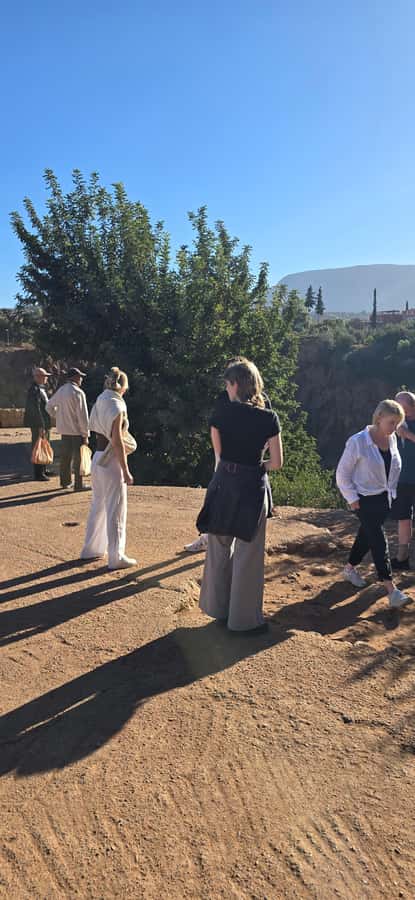
Your day starts with breakfast at your hotel or riad in Marrakech, then a scenic van drive up toward the Atlas region. The first main stop is Aguersiwal village at about 1,500m. This is where the trek becomes real: you meet your local guide, you settle into the walk rhythm, and you start learning the “why” behind the route, not only the “where.”
From Aguersiwal, you hike toward a high point around the Tizi Odid Pass area (you’ll be working above roughly 1,800m in this part of the day), with breaks for photos, tea, and taking in mountain views. Lunch is cooked during the hike—one of the most important differences between a guided trek and a self-planned one. You’re not spending your energy hunting for food mid-ride. You’ll eat, recharge, and keep moving.
The final stretch leads onward to Tizi Oussem village, around 1,800m. You’ll check into the mountain guesthouse for the night, then dinner is served in a traditional, Berber-hosting style.
What I’d watch for on Day 1:
- The hiking time is around 4–5 hours, but it includes climbing segments.
- Footing matters. Some parts can be steep enough that good shoes feel like a safety tool, not a comfort luxury.
- Don’t underestimate the temperature shift from Marrakech. Evenings up high can cool down fast.
Day 2: Tizi Mzik Pass (around 2,300m), Igholidn Waterfalls, then down to Imlil
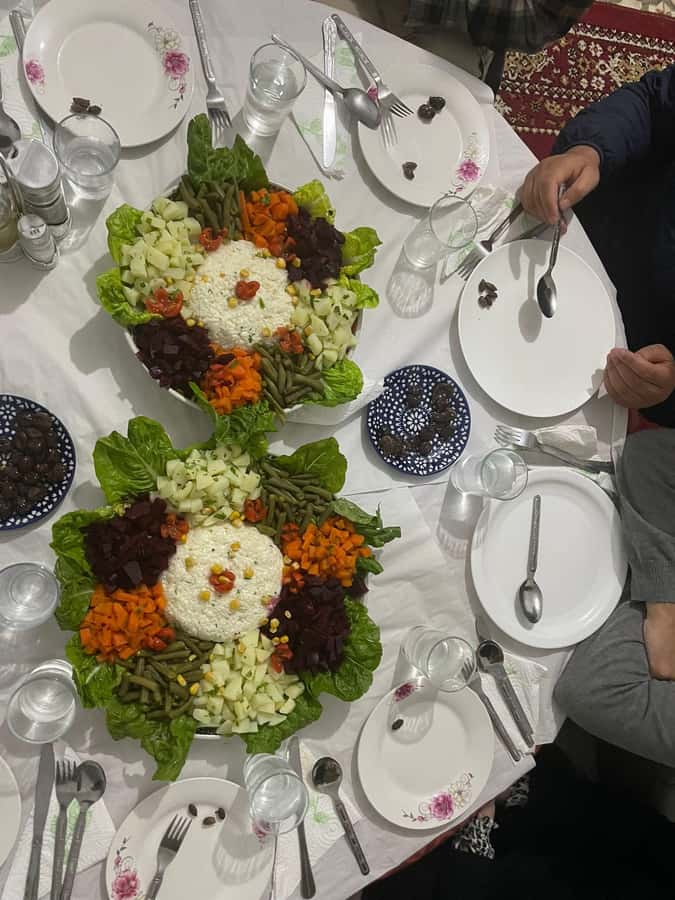
Day 2 is the “big views” day. After breakfast at the guesthouse, you head out for a longer hike (around 6–7 hours total), working over the Atlas Mountains toward higher ground and then back down.
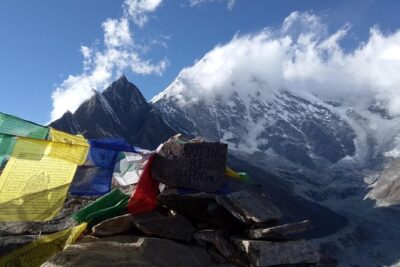
You reach Tizi Mzik Pass at about 2,300m. This is where the trek starts paying you back. You’ll get panoramic views and the kind of wide open sky that makes it hard to remember you were ever in a city the day before.
After the pass stop, there’s a visit to the Igholidn Waterfalls for photos and a scenic break. This is not only about pictures. Waterfalls are a natural reset for the senses—cooler air, moving water sounds, and a visual break from rock and ridge lines.
Lunch happens around the waterfall area, then you continue hiking downhill to Imlil village (around 1,750m). Imlil is a common base area for mountain trips, so it feels like the “return to civilization” point. After a last descent and breaks, you’ll transfer back to Marrakech and the trek ends.
A realistic expectation: Day 2 can feel like a long day even when the distance isn’t extreme, because you’re combining altitude, a pass crossing, and a descent. If you’re prone to foot fatigue, start Day 2 with comfortable socks and tight shoe fit—your comfort is your best ally here.
The real secret sauce: guides and cooks who make remote time feel easy
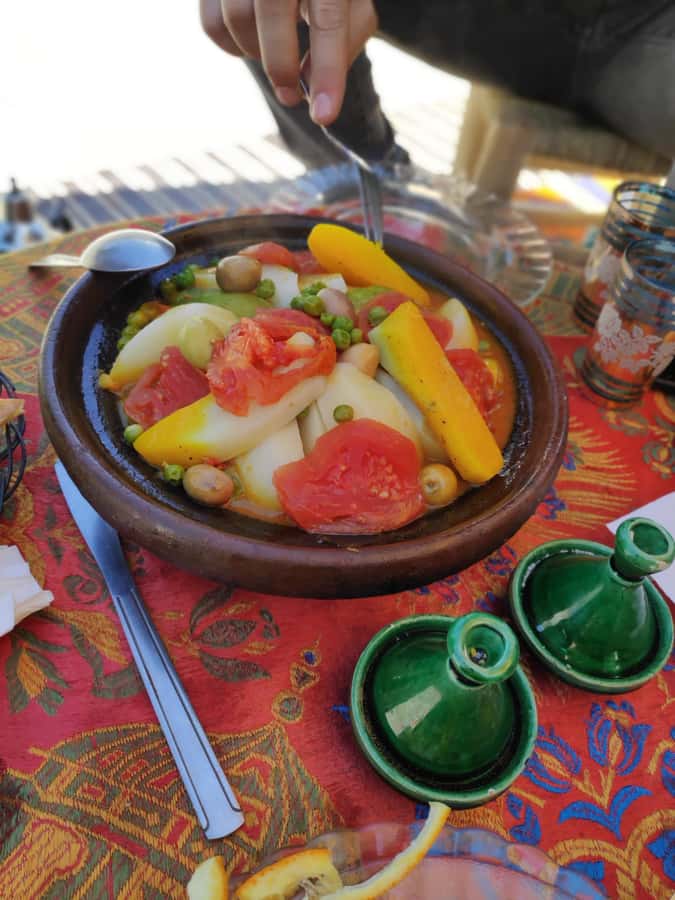
The most consistently praised part of this kind of Atlas trek isn’t only the mountains. It’s the people who keep your day moving without turning it into a chore.
In this trip experience, guides are mentioned as experienced, funny, and genuinely helpful—people like Khalid, Ayoub, Hamzar, Yassin, and others. The best guides don’t push you into a forced pace. They read the group, encourage the route, and keep you safe while still letting you enjoy the scenery.
Food gets nearly as much credit. Cooks—Hicham, Hassin, Omar’s team members, Mustafa, and more—are praised for producing hot meals at very remote points. That’s not just tasty. It’s practical mountain logic: after hours of climbing, you need energy that actually arrives hot and satisfying, not just a sandwich you carry in your backpack.
You’ll also get repeated tea breaks during the day. This helps you slow down without feeling lost, and it gives you micro-moments to look around properly rather than only watching where you step.
Dietary requests matter too. If you’re gluten-free, vegetarian, or have allergies, the crew will prepare different meal options if you tell them in advance. That’s a big deal on a mountain route where the default assumption might be simpler eating.
Guesthouse reality: simple stay, strong views, and a warm-layer plan
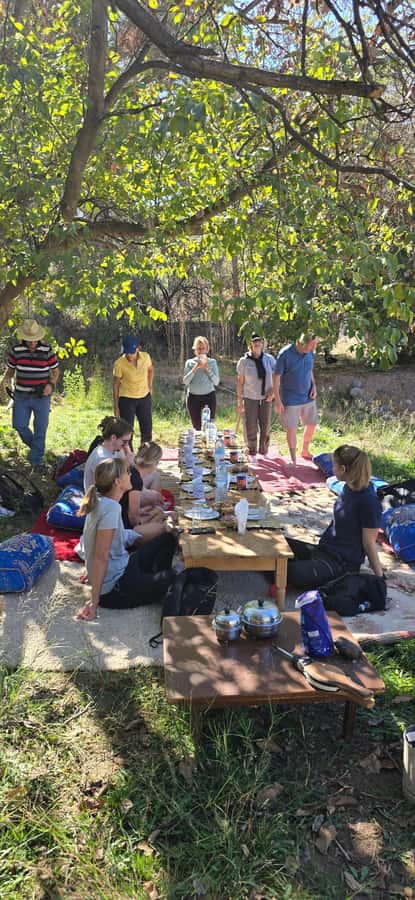
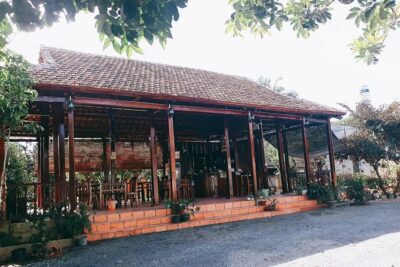
Your overnight is a Berber local guesthouse in the mountains. That’s a phrase you should take seriously: it’s not an urban hotel. Think basic comfort, local style, and views that make the few “down” hours feel worth it.
Based on accounts, the accommodation can range from very simple to at times having creature comforts like a hot shower depending on the specific stay. Either way, pack for cold nights. The Atlas can surprise you at dawn, even when daytime feels warm.
If you’re the type who gets cold easily:
- Bring a warm layer for evening.
- Don’t rely on thin summer clothing for the night.
- Consider rain gear. Mountain weather can shift.
This is also where the trip earns its cultural value. You’re not only walking through scenery—you’re eating and resting where the village rhythm actually happens.
What to pack for comfort on steep parts and changing weather
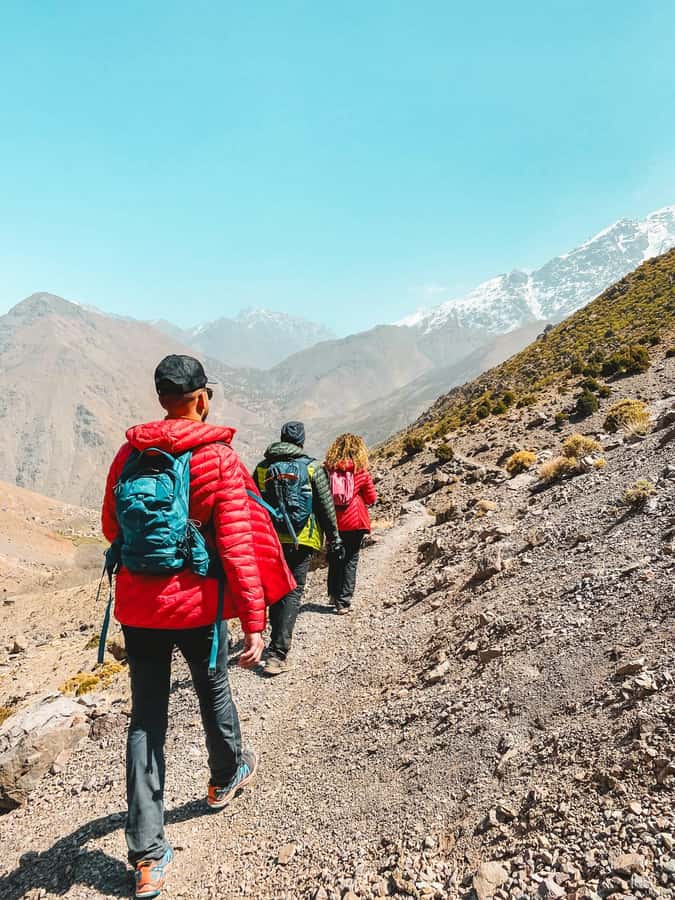
Even though this is a moderate trek, it’s still hiking in the High Atlas. Steep sections show up. Your packing should handle three things: foot support, weather shifts, and hydration.
Bring:
- Hiking shoes (decent tread for uneven ground)
- Rain gear (even if rain seems unlikely)
- Hat and outdoor clothing you can layer
- Hiking pants
- Change of clothes for the night
- Camera (views are a main event)
- Cash (useful for small purchases, unless your operator covers everything for you)
- Reusable water bottle (drinks like water aren’t included)
And don’t forget the boring stuff that saves your day: bring passport, and keep your phone charged if you care about photos.
One more practical note: mules carry your gears/bags, so you can travel lighter. Still, you’ll want a small day pack for your essentials (water bottle, a layer, snacks if you like extra security).
Pacing, group size, and the kind of traveler who will love this
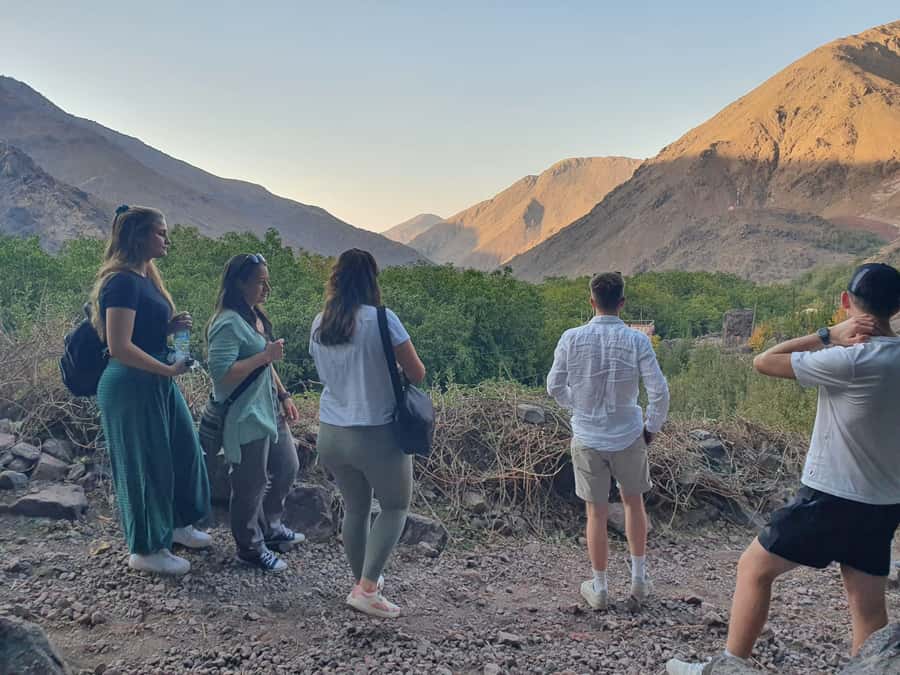
This is designed for small groups—limited to 14—so you’re not swallowed by a massive crowd. That matters for a trek because timing becomes less rigid when the group is small and your guide can keep people together without dragging the slower walkers.
The hiking times are roughly:
- Day 1: about 4–5 hours
- Day 2: about 6–7 hours
Difficulty is listed as moderate. I read that as: you should be comfortable walking for hours with some elevation gain, but you don’t need marathon-level endurance. If you can handle a solid day hike at home, you’re likely in the right zone.
This trek is a great fit if you want:
- A short break from Marrakech that still feels like an actual adventure
- Berber village life experiences alongside mountain passes
- Great food and organization, not chaos
If you hate stairs, loose rock, or steep climbs, you might find the Day 2 descent tiring. If you’re simply okay with discomfort that comes and goes, you’ll probably love it.
Should you book this 2-day Atlas trek?
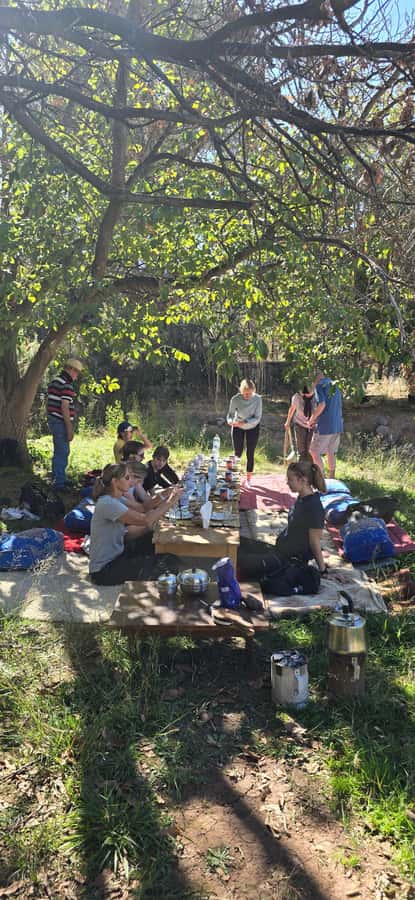
Book it if you want a high-value mountain experience that doesn’t eat your whole schedule. The combo that sells this trip is strong: transport + guided passes + mule support + meals + a real overnight in the Atlas region. For $127, you’re not just paying for a scenic walk—you’re paying for the structure that makes the walk enjoyable.
Skip it (or at least think twice) if you don’t handle steep ground well, or if simple guesthouse comfort sounds stressful rather than adventurous. This is not a spa weekend.
If you’re somewhere in the middle—curious about Berber villages, ready for a moderate hike, and happy to trade luxury for mountain air—then this two-day trek from Marrakech to the High Atlas is an easy yes.