REVIEW · KATHMANDU
Everest Base Camp Trekking 14 days
Book on Viator →Operated by Walk Mountain Pvt Ltd. · Bookable on Viator
Everest Base Camp feels close-up, not distant, on this route. You start with the Kathmandu to Lukla hop, then work your way up step by step to Namche Bazaar and beyond, with English-speaking, government-licensed leadership and solid acclimatization days built in. The best part for me is how the trip design keeps you moving toward Everest while still giving your body time to adjust, not just chasing altitude every single day.
One thing to consider: you’ll be walking in thin air, often 4–8 hours at a time, and the optional push to Kala Patthar at about 5,555m is not a casual stroll. If you’re prone to altitude issues, take the acclimatization seriously and talk early with your guide about pace.
In This Review
- Key things I’d plan around
- From Kathmandu to Lukla: the fast start that sets the tone
- Kathmandu pre-trek days: comfort, orientation, and a reality check
- Day-by-day up the Khumbu: what each section really feels like
- Day 2: Lukla to Phakding (2,652m), warm-up walking with valley views
- Day 3: Namche Bazaar (3,440m) via Monjo, the park entrance moment
- Day 4: Namche acclimatization day, plus Khumjung and Khunde Valley
- Day 5: Namche to Tsengboche (3,870m), monastery atmosphere and steady elevation
- Day 6: Dingboche (about 4,360m), rhododendron paths and Amadablam focus
- Day 7: Dingboche acclimatization day, hiking around Chukkung and Dingboche
- Day 8: Dingboche to Lobuche (about 4,940m), glacier walking feels close
- Day 9: Lobuche to Gorak Shep (5,170m) and on to Everest Base Camp (5,364m)
- Day 10: Gorak Shep to Kala Patthar (~5,545m) to Pheriche (4,730m)
- Day 11: Pheriche area to Tyangboche (3,867m), a return to warmer rhythm
- Day 12: Tyangboche to Lukla (2,800m), drop in altitude and lift in relief
- Day 13: Fly to Kathmandu (1,300m) and celebrate the landing
- Day 14: Departure from Kathmandu
- Guide, porters, and safety: what “organized” means here
- Price and value: what $1,440 buys you (and what it doesn’t)
- Tea houses, meals, and comfort limits you should accept early
- Gear and altitude prep: the small items that prevent big headaches
- Best time to go: picking weather you can actually handle
- Who should book this Everest Base Camp trek, and who should slow down
- Should you book Walk Mountain’s 14-day Everest Base Camp trek?
- FAQ
- What does the trek price include?
- Are meals included on the trek?
- Do I need to bring a sleeping bag?
- How much support do I get from guides and porters?
- Are hot showers included?
- When is the meeting time and where does the trip start?
Key things I’d plan around
- Lukla flight first, trek second: saves days, but weather can affect flight timing
- Namche, Khumjung, Khunde acclimatization: you gain altitude with Sherpa culture built in
- Dingboche rest day: smart breathing time before you go higher
- Gorak Shep to Everest Base Camp: long day, big payoff, cold night after
- Kala Patthar option (~5,555m): best south-face views without climbing Everest
From Kathmandu to Lukla: the fast start that sets the tone
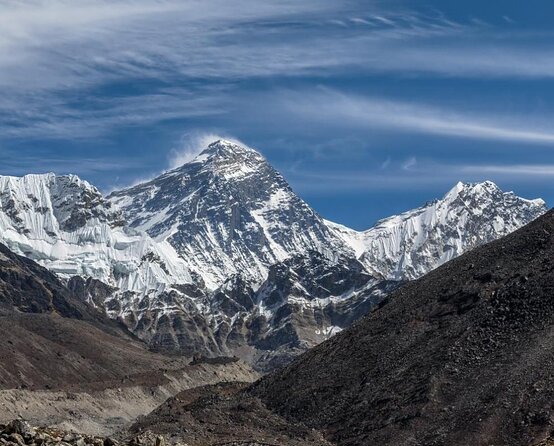
Most Everest Base Camp treks begin with a long land journey. This one starts with a scenic flight from Kathmandu to Lukla, and that choice changes everything. You’ll get a quick dose of the Khumbu region before you even take your first steps on the trail.
Practically, plan for a transfer and a hotel night in Kathmandu first. The day begins around 6:30am meeting time, with airport pickup/drop included. After you check in, you get time for last-minute shopping and orientation, plus welcome and farewell dinners.
Then comes Lukla. The flight is described as about 40 minutes, and once you land you immediately start trekking toward Phakding. It’s a clean handoff: your body is fresh, your pack is light enough for a first walking day, and you’re not spending your first “day” on a bus.
What you’ll love: you’re not wasting energy on logistics before the mountains arrive.
What to watch: flights can be weather-sensitive anywhere in the Himalaya, so keep a flexible mindset about timings. In the feedback shared about this kind of service, delays have been handled by arranging the next suitable flight, which is exactly what you want if your schedule is tight.
You can also read our reviews of more tours and experiences in Kathmandu.
Kathmandu pre-trek days: comfort, orientation, and a reality check
You get two nights in a three-star Kathmandu hotel (like Hotel Bliss International or similar), with breakfast included. You also get two guided-meets-gear moments: a welcome dinner and a briefing on what to expect on the trail, including altitude, basic safety, and gear basics.
This matters because Everest Base Camp isn’t just “a hike.” It’s a high-altitude, remote trekking setup where most things are simpler, not more luxurious. Kathmandu is where you can get your head straight and your body ready.
You’ll also have time for practical prep: last-minute purchases, pharmacy items, and organizing small essentials like cash for Nepal visa requirements (small denominations and two passport photos are mentioned). I like trips that help you handle these details early, because it reduces stress later when your energy is being spent on walking.
Day-by-day up the Khumbu: what each section really feels like
Day 2: Lukla to Phakding (2,652m), warm-up walking with valley views
After the flight, you trek to Phakding for an overnight stop. This day is typically 3–4 hours, and it’s your first chance to settle into rhythm: steady steps, slow breathing, and learning how your legs feel with a loaded pack.
Phakding also gives you the first taste of tea-house life: basic rooms, simple meals, and the routine of refueling on the same schedule you’ll use later at higher altitudes.
Day 3: Namche Bazaar (3,440m) via Monjo, the park entrance moment
Today climbs you into the gateway area of Sagarmatha National Park, with roughly 5–6 hours of walking. You’ll stop at the entrance zone, which makes the whole trek feel official and purposeful. This is when Everest shifts from a dream into a geographic place you’re actually entering.
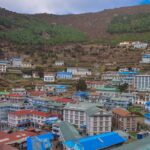
Namche Bazaar is a Sherpa hub with practical infrastructure: government offices, ATMs, internet cafes, shops, restaurants, and a colorful market. Even if you don’t plan to shop much, the presence of these services is a comfort—especially if you need to handle phone charging, cash, or small gear fixes.
Day 4: Namche acclimatization day, plus Khumjung and Khunde Valley
This is one of the smartest parts of the plan: you don’t just keep climbing. You acclimatize with a full day that combines altitude adjustment and cultural time.
The day includes exploring places like:
- Everest View Hotel
- Khumjung and Khunde Valley
- Hillary School
- Hillary Museum
The value here is not just sightseeing. Acclimatization works best when you keep moving gently and give your body time to adapt. You’ll feel the difference more than you think, because skipping a real acclimatization day usually turns the next climbs into a tougher slog.
And yes, Namche is also where you can reset your gear and expectations. Tea-house trekking feels repetitive until you realize how every day’s routine helps your body cope with cold nights and lower oxygen.
Day 5: Namche to Tsengboche (3,870m), monastery atmosphere and steady elevation
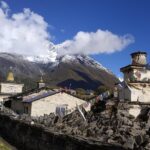
You walk about 5–6 hours to Tsengboche, with a route passing through scenic forest and viewpoints. Tsengboche is known in trekking circles for its monastery presence, and the plan includes exploring the Oldest Tsengboche Monastery.
This day is often where people start noticing the “Khumbu mood”: prayer flags, spiritual sites, and the sense that the landscape is both wild and lived in.
Day 6: Dingboche (about 4,360m), rhododendron paths and Amadablam focus
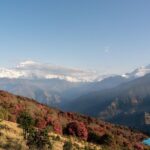
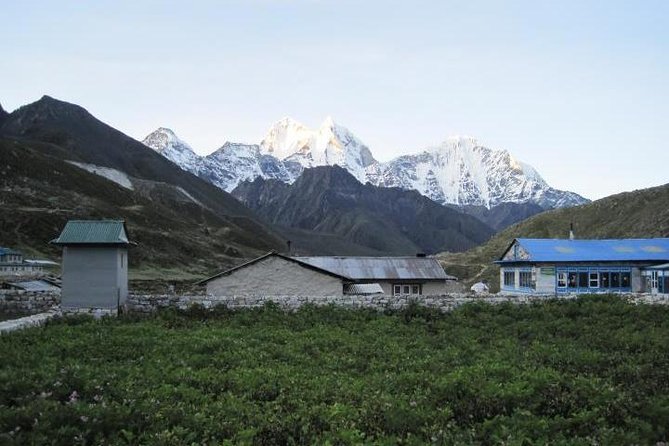
Today takes you to Dingboche, with around 5–6 hours walking. The route crosses rhododendron forest, and you’ll also get close-view moments of peaks like Ama Dablam and Thamsherrku depending on weather and light.
The elevation jump is real, but the pace matters more than the numbers. Tea-house trekking rewards patience: take fewer, slower steps if you need to, and don’t treat every uphill like a race.
Day 7: Dingboche acclimatization day, hiking around Chukkung and Dingboche
A second acclimatization day at Dingboche is exactly what you want before pushing toward higher camps. You hike around Chukkung and Dingboche, staying active without overreaching.
This is also where you learn your personal altitude cues: headache tolerance, appetite changes, sleep quality, and how your breathing responds to small efforts. Your guide’s job is to read those cues and adjust pacing—and this trip includes an experienced, licensed leader plus a porter team setup (more on that below).
Day 8: Dingboche to Lobuche (about 4,940m), glacier walking feels close
Now you go to Lobuche in about 2–4 hours. The shorter listed duration doesn’t mean “easy.” You’re climbing into a colder, higher zone, with more exposure and a more dramatic mountain backdrop.
The route includes a walk via the Khumbu Glacier area and mountain views described as panchromatic (you’ll feel that in the way snow, ice, and rock change color as weather shifts). This day also sets you up mentally for the final base camp approach.
Day 9: Lobuche to Gorak Shep (5,170m) and on to Everest Base Camp (5,364m)
This is a big one: 8–9 hours total, including trekking to Gorak Shep, stashing luggage, then heading onward to Everest Base Camp.
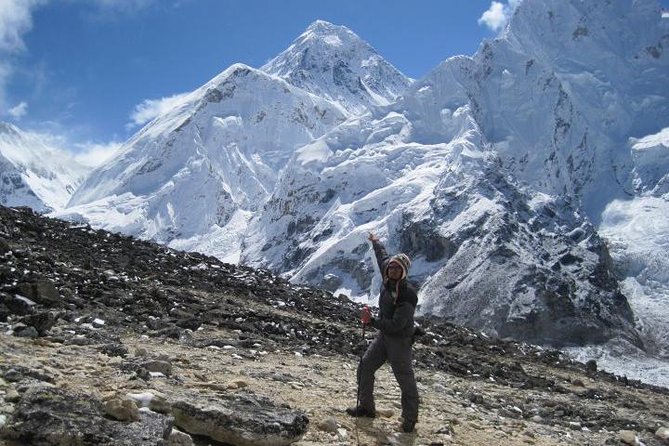
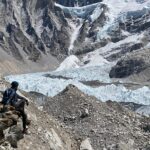
You’ll see the Khumbu Icefall area on the route. Even without any technical climbing, it can be startling—huge, active-looking ice structures that underline how dynamic and serious this environment is.
Why this day matters: base camp itself is emotional. You’re not only seeing Everest’s footprint; you’re seeing the staging ground that supports the climbing season. Expect cold, wind, and a strong urge to move slowly even when you feel excited.
That night you sleep at Gorak Shep, which is high and exposed—so your layers and headlamp matter more than you think.
Day 10: Gorak Shep to Kala Patthar (~5,545m) to Pheriche (4,730m)
This day is designed for the payoff view. It starts with the optional Kala Patthar hike (around 5,555m), which is a prime spot to see Everest’s south face and views over Changtse and the West-Ridge route—and yes, it’s without needing to climb Everest.
Then you descend toward Pheriche. The full route is 8–9 hours, so treat it like a long day: start early, pace carefully at high elevation, and don’t “make it up” by rushing.
One practical note: the best views often come when you can stay still long enough for your eyes to adjust—so plan to take breaks. If you skip Kala Patthar, you still have the benefit of the morning high-altitude experience, then you get more time to recover during descent.
Day 11: Pheriche area to Tyangboche (3,867m), a return to warmer rhythm
You trek toward Tyangboche for 4–5 hours. This is a classic “recalibration” day after the highest zone. Your body usually handles it better because you’re not climbing as aggressively.
The plan includes overnight at guest houses/lodges again, with three meals a day provided.
Day 12: Tyangboche to Lukla (2,800m), drop in altitude and lift in relief
Back to Lukla for 5–6 hours. It’s one of the most satisfying segments because the oxygen situation improves and you can walk more naturally.
Still, don’t treat it as a stroll. You’ll be tired. Your legs may feel heavy from previous days, so keep your pace steady and your steps controlled on uneven paths.
Day 13: Fly to Kathmandu (1,300m) and celebrate the landing
You fly back to Kathmandu, with overnight hotel and breakfast included. This is where you finally get the comfort of city routines—warm meals you don’t eat in a tea-house dining room, and sleep that doesn’t feel like it’s battling the cold.
Day 14: Departure from Kathmandu
After breakfast, you’re set for departure.
Guide, porters, and safety: what “organized” means here
This trek includes an experienced, English-speaking, government-licensed trek leader plus professional insured porters. The porter ratio is one porter for every two guests, and the leader and porter costs (including their salary, meals, accommodation, domestic airfare, and insurance) are included.
That setup matters for you in a very real way:
- you’re carrying less weight, so your breathing stays steadier
- your guide can focus on route decisions and safety
- you don’t waste time hunting for meals or negotiating lodging changes
Your guide also carries a first-aid kit. Altitude support is specifically mentioned: Diamox (for altitude sickness if needed) and water purification pills. That doesn’t replace common sense (go slow, don’t gamble with altitude), but it does signal that the operation takes risk seriously.
And based on named experiences shared in feedback, guides like Bishnu Tamang have been described as kind and very experienced (including 25+ years as a trekking guide), while Ramesh has been praised as helpful and focused on enjoyment and safety. In at least one case where flights were delayed due to weather, the team helped by arranging the next suitable flight—exactly the kind of problem-solving you want when the mountains control the schedule.
Price and value: what $1,440 buys you (and what it doesn’t)
At $1,440 per person for about 14 days, this is not a cheap trek, but it’s also not only paying for walking. The value is in the bundled essentials:
Included that really matters:
- Kathmandu pickup/drop
- Two nights in three-star Kathmandu hotel with breakfast
- Welcome and farewell dinners
- Kathmandu–Lukla–Kathmandu flights plus airport taxes
- Tea-house/lodge accommodation during the trek plus all meals (breakfast, lunch, dinner)
- Guide + porter arrangement with insurance and domestic airfare covered
- Government taxes and official trekking expenses
- A trekking map and a sleeping bag (returned at the end)
Not included items you should budget for:
- Nepal visa fee (plus two passport photos)
- International flights
- Travel and health insurance, with emergency helicopter rescue insurance strongly recommended
- Meals in Kathmandu beyond breakfast
- Drinks, mineral/bottled water, and cold beverages during the trek
- Tipping for staff
- Hot shower and battery charges (sometimes free in some lodges, but not guaranteed)
My take on value: for a trip where logistics are half the battle—domestic flights, meals at every lodge, and the porter system—this price structure often feels fair. If you’re someone who wants less hassle and more focus on acclimatization and pacing, that included support is the real bargain.
One extra note: a single supplement is $100 extra.
Tea houses, meals, and comfort limits you should accept early
This trek is built around basic mountain lodging. Kathmandu has the comfort. Up on the trail, you’ll be in local tea houses/lodges. Rooms are typically twin share, and in some areas you may find a private bathroom, but in others it’s shared.
Good news: the places mention 24/7 hot water availability, though during tea-house trekking it may be chargeable. Battery charging and showers can also cost extra, and that’s where you’ll want to pace your phone use.
Meals are simpler than a city restaurant, but they’re prepared locally. The trek includes three meals per day with breakfast, lunch, and dinner from the available menu. Food is described as organic and healthy, but not “decorated” the way you’re used to in Kathmandu.
If you’re picky, pick your battles. Your goal is consistent calories so you keep walking well.
Gear and altitude prep: the small items that prevent big headaches
You get a sleeping bag from the office, rated to zero degrees F, and you return it after the trip. That’s a big help if you don’t want to buy gear before going.
Still, you’ll want to bring your own essentials and stay practical:
- Sun hat or scarf, UV sunglasses
- Light layers plus a warm fleece or insulating layer
- Water bottles and a plan to keep water safe (purification pills are provided)
- Headlamp with spare batteries/bulbs
- Trekking poles if you like them
- Socks for warmth and hiking boots with spare laces
- A small quick-dry towel and basic toiletries, including wet wipes/tissue
Also pack for cold mornings. High-altitude trekking often feels colder than expected because you’re walking in wind and then stopping for photos in still air.
Best time to go: picking weather you can actually handle
The best windows listed are:
- Autumn (Sept to Nov)
- Spring (March to May)
In both seasons, you’re more likely to get sunny, clearer skies with strong views. If you want fewer people, winter (Dec to Feb) can be an option, but temperatures can be harsh, so you’d need real cold tolerance.
Monsoon/summer (June to Aug) means more rain and weather disruption, which can affect trails and flight reliability.
Who should book this Everest Base Camp trek, and who should slow down
You’ll likely enjoy this trek if you want:
- a classic Everest Base Camp route with meaningful acclimatization days
- a trip that’s organized for you, including meals, lodging, and the porter system
- a leadership team that helps with safety and altitude response
You should be extra cautious if:
- you’re not comfortable with long days at altitude
- you want a luxury hiking experience (this is tea-house trekking, not boutique hotel comfort once you leave Kathmandu)
- you don’t plan for cold nights and limited bathroom facilities on the higher parts
Should you book Walk Mountain’s 14-day Everest Base Camp trek?
I’d recommend booking if you want the big Everest goal with a structure that respects altitude: Namche + Khumjung/Khumde, then Dingboche + a rest day, then the base camp approach with a Kala Patthar option. The included guide/porter setup and meal-and-lodge coverage are the biggest reasons to choose it.
Hold off (or choose carefully) if your plan depends on perfect weather, or if you’d rather carry everything yourself to save money. The mountains don’t negotiate, so you’ll enjoy this trek most if you’re ready to move with the schedule when weather shifts.
FAQ
What does the trek price include?
The price includes Kathmandu airport pickup/drop, two nights in a three-star hotel in Kathmandu with breakfast, welcome and farewell dinners, Kathmandu–Lukla–Kathmandu flights with airport taxes, accommodation in local lodges/tea houses during the trek, and all meals during the trek (breakfast, lunch, dinner). It also includes an English-speaking government-licensed trek leader and professional insured porter support (1 porter for 2 guests), government taxes, and a trekking map plus a sleeping bag that must be returned after the trip.
Are meals included on the trek?
Yes. Breakfast, lunch, and dinner are included during the trek at the selected lodges/tea houses.
Do I need to bring a sleeping bag?
No. Sleeping bags are provided by the office, but they must be returned at the end of the trip. The sleeping bag is rated to zero degrees F.
How much support do I get from guides and porters?
You’ll travel with an English-speaking, government-licensed trek leader and professional insured porters. The porter ratio is one porter for every two guests, and the leader carries a first-aid kit.
Are hot showers included?
Hot water availability is mentioned, but hot showers during tea-house trekking are not guaranteed to be free. Battery charges are also available in the trek for an extra cost or sometimes free in some lodges.
When is the meeting time and where does the trip start?
The meeting time is listed as 6:30am, and the trip starts with pickup/transfer in Kathmandu before you go to your hotel and receive pre-trek information.