REVIEW · MOSHI
Trek To Mount Kilimanjaro
Book on Viator →Operated by Sirikwa Travel · Bookable on Viator
Two days on Kilimanjaro can change your plans. This Lemosho-focused trek is designed to give you more time to settle at altitude through the quieter, scenic start of the route, before the tougher summit day effort. The package also leans practical: you get hotel nights in Moshi, set camp gear, and a support team built for safe trekking rather than just a stopwatch summit.
I especially like how this trip is built around a low-crowd, scenic approach—panoramic views and the early “get used to it” rhythm that the Lemosho route is known for. I also like the safety-minded inclusions like the emergency first-aid kit plus an oxygen tank setup, and rescue fees built into the cost. The main drawback to consider is the schedule: it’s only listed as about 2 days, while the Lemosho strategy (rainforest, Shira Plateau acclimatization, then a busier summit push) is usually about more time—so you’ll want to confirm how much altitude-tuning you’ll realistically get.
In This Review
- Key Things I’d Focus On Before You Book
- The Lemosho Advantage: Altitude-Proofing Your Climb
- Moshi Setup, Pickup, and How You’ll Start the Trip
- Day 1 Inside Kilimanjaro National Park: Views, Rhythm, and Camp Planning
- Day 2 on Mount Kilimanjaro: The Long Hours and the Safety Net
- The Sirikwa Travel Crew: Professional Support You Can Feel
- Price and Value: What $2,700 Covers on a 2-Day Kilimanjaro Plan
- Who This Trek Fits Best (And Who Should Rethink It)
- Questions to Ask Before You Pay (So You Don’t Get a Surprise)
- Should You Book Sirikwa Travel’s 2-Day Kilimanjaro Trek?
- FAQ
- Where does this trek start from?
- How long is the Kilimanjaro trek?
- What route style is this trek based on?
- Is pickup included?
- How many travelers are in a group?
- What’s included in the price?
- What is not included?
- Are admission tickets included?
- Will I receive confirmation after booking?
- Is free cancellation available?
Key Things I’d Focus On Before You Book
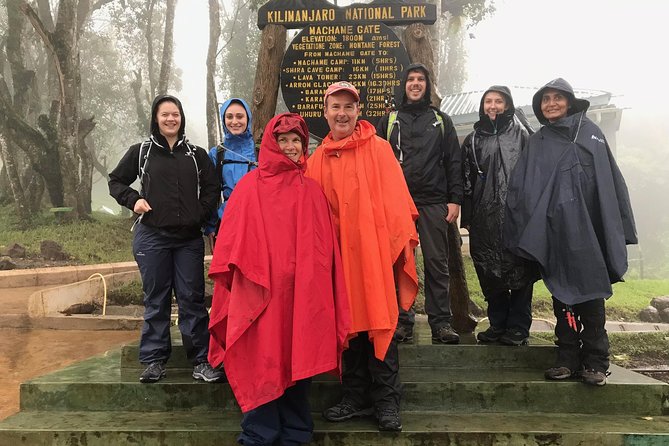
- A Lemosho-based pacing plan that aims to help you acclimatize before the harder summit-style push
- Small group size (max 10), which typically means more attention from guides and smoother camp logistics
- Camp comfort included, including 4-season tents, mess tents with table and chairs, and a sleeping mattress
- Safety gear built in, including emergency first-aid equipment plus an oxygen tank
- Meals and water handled, with 3 hot meals daily on the mountain and treated, filtered drinking water
- Crew welfare included, with fair wages for the mountain team as approved by KPAP
The Lemosho Advantage: Altitude-Proofing Your Climb
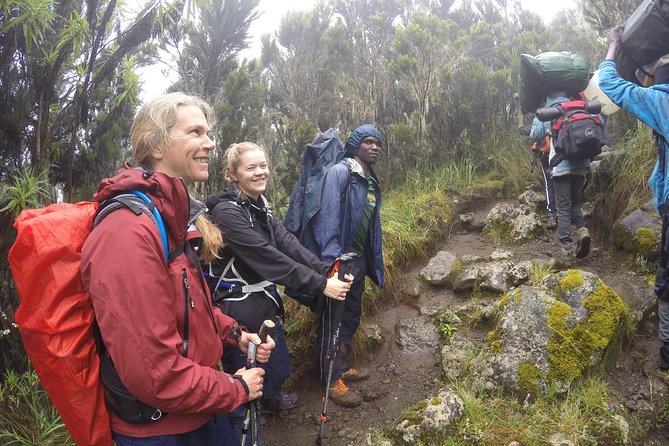
The big idea behind this Kilimanjaro plan is simple: altitude punishes rushed climbers. The Lemosho route is described as the more pristine, less crowded option, and the key benefit is pacing. Their route approach emphasizes the early days—lush rainforest and wilderness time—plus a crossing of the Shira Plateau to help you get used to the altitude before moving toward a busier summit climb style (often associated with the Barafu route).
Now, here’s the catch. Your trip duration is listed as about 2 days, which is short for a strategy that depends on multiple acclimatization days. That doesn’t automatically mean it’s a bad plan, but it does mean you should treat altitude readiness as the deciding factor, not enthusiasm. If you’re comparing routes, a longer Lemosho itinerary gives your body more time to adapt; a shorter version can still work, but it raises the importance of fitness, rest, and how your trek team manages pace.
What you’ll probably love about this approach is the feeling of starting on a calmer, prettier track. Kilimanjaro gets intense fast. Starting on a less crowded, more scenic route helps the first part feel like an actual trek rather than a sprint.
You can also read our reviews of more tours and experiences in Moshi.
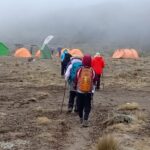
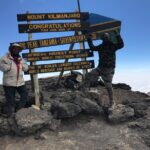
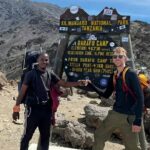
Moshi Setup, Pickup, and How You’ll Start the Trip
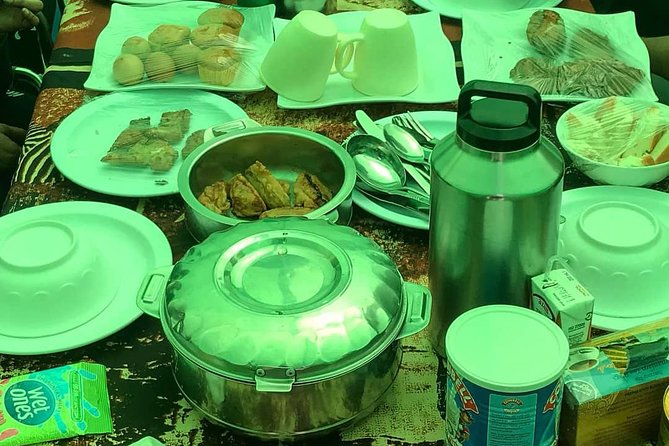
This is centered around Moshi, Tanzania, and the plan includes 2 nights of hotel accommodation in Moshi. That matters more than it sounds. Those hotel nights help you avoid the common mistake of trying to fly in and start your climb while your body is still recovering from travel.
You’ll also have pickup offered, plus a mobile ticket. The start time is listed as 8:00 am, so you’re aiming for an early day and a focused lead-in rather than a slow morning. The meeting point is noted as near public transportation, which can be reassuring if your flight timing is slightly off or if you’re navigating on your own.
One more practical point: the included transfers mention overland movement to Kilimanjaro International Airport. That suggests the operator is thinking about the full arc—getting you into the area and out again—rather than leaving you to solve everything the day after you finish.
Day 1 Inside Kilimanjaro National Park: Views, Rhythm, and Camp Planning
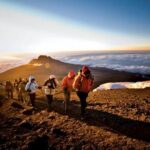
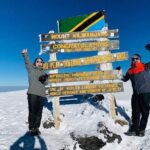
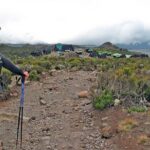
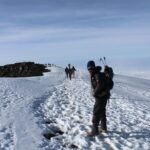
Day 1 is listed with a stop at Kilimanjaro National Park for about 8 hours, with the park entry ticket marked free in the day details. Even with the limited schedule detail here, the intent is clear: this is the start of your route experience, and the Lemosho reputation is built on scenic panoramic moments and a more gradual acclimatization rhythm early on.
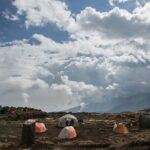
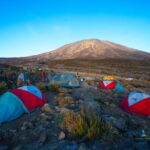
The operator’s description highlights lush rainforest and wilderness experiences during the earlier part of the climb. In plain terms, day one is where you want your body to learn the altitude reality without going too hard. You’ll also be relying on the included mountain setup: camping fees, 4-season mountain tents, quality mess tents with table and chairs, and a sleeping mattress. That’s a lot of comfort baked into the price, especially compared to the cheapest “basic” setups.
Also pay attention to the included “behind the scenes” support. The package includes friendly and professional mountain guides, cook and porters, plus enough treated and filtered drinking water throughout the trek. When your climb gets physically demanding, the logistics of water and meal timing become a big deal.
The main consideration for day one is pacing. If day one feels too strenuous, your summit plan may suffer later. So I’d treat day one as training for patience: keep your effort controlled, drink consistently, and let the altitude do its work.
Day 2 on Mount Kilimanjaro: The Long Hours and the Safety Net
Day 2 is listed at Mount Kilimanjaro for about 8 hours, and the day detail marks admission ticket included. This is the day where the physical challenge usually rises quickly, and the operator’s selling point is that the Lemosho route balance can support a higher summit success rate.
But because your overall trip is labeled as 2 days, I’d be realistic: this is not the kind of window that lets you fully “buy” altitude adaptation with time alone. Instead, you’re leaning on route choice and a managed pace, plus strong support from the team.
This is also where you’ll appreciate the safety details included in the package:
- Team Kilimanjaro Rescue fees
- An emergency first-aid kit
- Ox meter & oxygen tank
That oxygen tank inclusion is not something you think about until you need it. Having it included (and not as an extra add-on) is one of those quiet value points that can make the difference if weather, symptoms, or pace get out of sync.
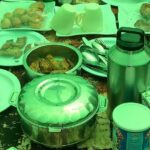
You’ll also get 3 hot meals daily while on the mountain, and the plan includes hot water for washing. That won’t change the altitude, but it can help morale a lot. When you’re tired and cold, hot food and warm water are genuinely useful.
The Sirikwa Travel Crew: Professional Support You Can Feel
This kind of climb is teamwork, not heroics. Sirikwa Travel is described as specializing in guiding on the Lemosho route, and the repeated praise from past clients centers on professionalism and care. In the details provided, you can see names tied to that experience: Ole and Alfred show up in stories about going above and beyond, Pail and Jyroi are named as guides, and Mary appears as a manager involved at the airport level. The owner, Oinoth, is also mentioned in connection with responsiveness and planning help.
Even if you don’t meet every person in a personalized way, you benefit from the system they run: guides and porters handling your pace, meals, and logistics; cook support keeping food hot and timely; and rescue fees built into the plan.
What I like about operators who get this right is that they don’t just manage the “walk.” They manage the moments that decide whether you feel safe. That includes hydration planning, pacing guidance, and quick problem-solving if someone starts lagging or feels unwell.
Price and Value: What $2,700 Covers on a 2-Day Kilimanjaro Plan
At $2,700 per person, this is not a budget day trip. But it also isn’t “pay extra later” pricing. The included items are fairly extensive for a short, high-cost activity like Kilimanjaro.
Here’s what’s included:
- 2 nights hotel accommodation in Moshi
- Overland transfers to Kilimanjaro International Airport
- Park entry fees and camping fees
- Team Kilimanjaro Rescue fees
- 18% VAT on tour fees & services
- 4-season mountain tents
- Guides, cook and porters
- 3 hot meals daily while on the mountain
- Treated and filtered drinking water
- Hot water for washing
- Fair wages for the mountain crew (KPAP approved)
- Ox meter & oxygen tank
- Quality mess tents with table and chairs
- Emergency first-aid kit
- Sleeping mattress
What you should also notice: the crew-support value isn’t just “people will be there.” It’s the structure—tents, mess tents, mattress, meals, water, and emergency gear—so you’re not spending your whole budget on rentals or recurring surprises.
What’s not included:
- Flights and visa
- Tips for porters, guide, cook, and assistant guide
- Hotel meals other than breakfast
- Items considered non-essential like alcohol, cigarettes, snacks, and beverages
So the real value question is this: does the package reduce your planning stress? With hotel nights, mountain meals, water treatment, and safety gear included, it probably does. If you’re already the type who wants to manage your own gear and food and only pay for park fees, this won’t feel like a “cheap win.” If you want a full service structure with professional support, it can feel more reasonable.
Who This Trek Fits Best (And Who Should Rethink It)
This experience is described as needing moderate physical fitness. That’s a helpful baseline. If you’re reasonably active and used to long walks with elevation, you’ll start from a better place than someone coming in completely fresh.
This is also limited to a maximum of 10 travelers, which usually means a smaller support footprint and better guide attention. On a climb where symptoms can show up fast, that matters.
Who might be a good fit:
- You’re willing to follow pace guidance carefully
- You want a scenic, less crowded route concept like Lemosho
- You prefer having tents, mess setup, and hot meals handled
- You value safety inclusions like rescue fees and oxygen tank availability
Who might want to rethink it:
- You’re expecting a long acclimatization window. A Lemosho route works best when it has time to do its job. Here, the timeline is short, so you’ll want to confirm how the acclimatization strategy is applied for your exact dates.
Questions to Ask Before You Pay (So You Don’t Get a Surprise)
Because the trip is listed as about 2 days, I’d contact Sirikwa Travel and confirm these points in plain language before committing:
- How does the acclimatization plan work for your exact route within the 2-day schedule
- Whether day two is structured as a summit attempt or a shorter push toward higher elevations
- How many nights you’ll actually spend camping on the mountain versus in Moshi hotels
- What tip expectations typically look like for the guide, cook, and porters (since tips are not included)
- What’s the plan if someone shows altitude symptoms early in the trek
If you ask these up front, you protect your body and your budget. Kilimanjaro isn’t the place for guesswork.
Should You Book Sirikwa Travel’s 2-Day Kilimanjaro Trek?
If you want a Lemosho-based climb concept with a professional team, and you value included camp comfort, safety gear, and mountain meals, this package looks like a strong choice. The price includes a lot of the “hard to manage yourself” parts—water treatment, tents, mess setup, and rescue-related planning—so you’re buying support, not just altitude access.
I’d book it especially if you’re traveling with moderate fitness, you like having structure, and you’re comfortable taking altitude seriously. If you’re new to altitude or you’re hoping to rely on a long acclimatization arc, pause and confirm how much the route strategy can actually be applied inside a 2-day window.
FAQ
Where does this trek start from?
The trek is based in Moshi, Tanzania. The start time is listed as 8:00 am.
How long is the Kilimanjaro trek?
The duration is listed as 2 days (approx.).
What route style is this trek based on?
The experience is described around the Lemosho route, known for low crowds and early acclimatization pacing.
Is pickup included?
Pickup is offered.
How many travelers are in a group?
The maximum group size is 10 travelers.
What’s included in the price?
Included items are 2 nights hotel accommodation in Moshi, overland transfers to Kilimanjaro International Airport, park entry fees, camping fees, Team Kilimanjaro Rescue fees, VAT, 4-season mountain tents, guides/cook/porters, 3 hot meals daily on the mountain, treated and filtered drinking water, hot water for washing, ox meter and oxygen tank, mess tents with table and chairs, an emergency first-aid kit, and a sleeping mattress.
What is not included?
Not included are flights, visa, and tips for the porters, guide, cook, and assistant guide. Also not included are meals other than hotel breakfast, and non-essential items like alcohol and snacks.
Are admission tickets included?
The day details list park entry as admission free on Day 1, and admission ticket included on Day 2 at Mount Kilimanjaro.
Will I receive confirmation after booking?
Confirmation is listed as received at time of booking.
Is free cancellation available?
Yes. Free cancellation is offered if you cancel at least 24 hours in advance for a full refund.