REVIEW · MARRAKECH
3 Day Trekking in Atlas Mountains and Berber Villages From Marrakech
Book on Viator →Operated by Art de Cuivre Travel · Bookable on Viator
A three-day trek that starts with tea and ends with stories. It’s a private Atlas Mountains hike that takes you through Berber villages and includes a stay in a local home. You also get a driver and return rides from Marrakech, so you’re not wrestling transport on a tight schedule.
What I really like is the support. You’ll have a guide to keep the route clear and a mule to carry your gear, so you can focus on the walking instead of hauling everything yourself. Another strong point is the food and overnight setup: sleeping bags are provided, and meals are part of the experience.
One thing to consider is the physical effort. The trek involves climbs and altitude changes over multiple days, so bring decent hiking shoes and be honest about your stamina.
In This Review
- Key things to know before you go
- From Marrakech to Imlil Valley: the morning setup
- Private trek logistics that actually help: mule, guide, and lighter bags
- Day 1 plan: Imlil Valley, Aroumd, Tidli lunch, and the climb to Tawdja
- Days 2 and 3: the village hopping you came for (and the altitude work)
- Berber home stays and meals: what quality looks like here
- Return to Marrakech: an included ride that saves your last day
- Price and value: why this cost can make sense
- Who this Atlas trek is best for (and who should rethink it)
- Tips to make the trek smoother (without overpacking)
- Should you book this 3-day Atlas Mountains trek from Marrakech?
- FAQ
- Is this trek private or shared?
- Do you get picked up in Marrakech?
- What time do we reach the mountains area?
- Is a mule included?
- Are sleeping bags provided?
- What does the price include?
- How long is the trek?
- What’s the cancellation policy?
- Is the trek suitable for beginners?
Key things to know before you go
- Private, on-your-own-group trekking means you’re not sharing the plan with strangers.
- Mule support for your gear keeps the hike more comfortable than a fully self-packed day.
- Sleeping bags included so you’re not guessing what your overnight will need.
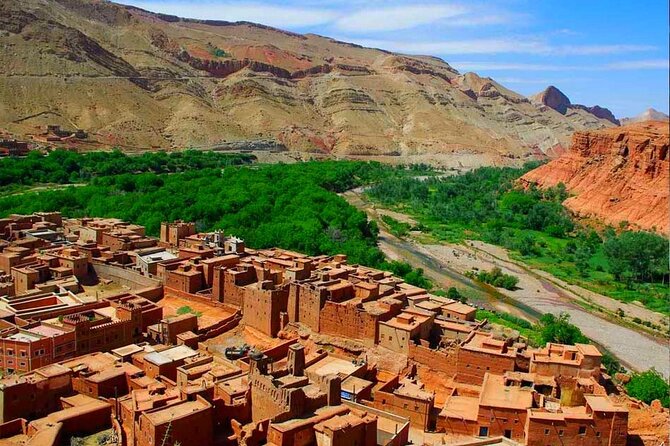
- Berber home stays with meals give you more than photos; it’s real daily life.
- Altitude gains on days two and three can be noticeable, especially if you’re not used to mountain trekking.
- Return transport from Marrakech is included, which simplifies everything from day one.
From Marrakech to Imlil Valley: the morning setup
This trek is built to be easy to start, even though the scenery gets serious once you’re in the mountains. You depart from your Marrakech hotel at 9:00 am. Sometime around 10:30 am, you’ll arrive in Imlil Valley, meet your guide, and get the mule and packing organized.
This early start matters. It helps you begin the hike with daylight and a clear mind, not in a rush after a late pickup. It also gives you time to settle in before the first walking segment, which keeps the day feeling paced instead of frantic.
You’ll have tea after you meet the team. That sounds small, but it’s one of the ways this experience feels grounded. It’s time to get your bearings, check you’re ready, and hear how the day will move without a lot of formal fuss.
You can also read our reviews of more tours and experiences in Marrakech.
Private trek logistics that actually help: mule, guide, and lighter bags
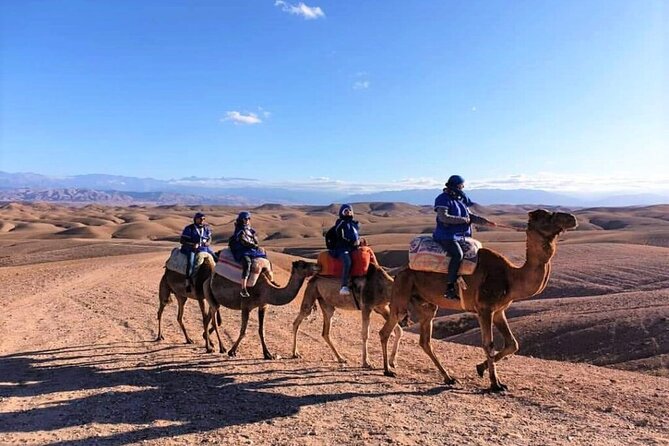
This is a private trek/activity, and that changes the feel immediately. Your pace is set for your group, not for a cookie-cutter rhythm meant to please a big schedule. It also means you can ask practical questions along the way, especially if it’s your first time in the Atlas.
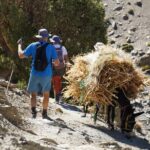
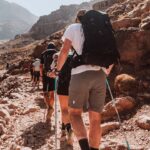
The mule is a big deal for comfort. Even if you’re an experienced hiker, carrying a full load for multiple days can drain energy fast. Here, your mule carries your gear, and your guide handles the route and village connections. You’ll still walk, of course, but the hike becomes less about weight management and more about enjoying the route.
Your guide keeps things practical: knowing where paths connect, timing stops, and navigating between village areas. And based on what’s been shared by people who did this with guide support from Mohammed’s team (including names like Ishmal), the route guidance tends to feel calm and organized rather than chaotic.
Day 1 plan: Imlil Valley, Aroumd, Tidli lunch, and the climb to Tawdja
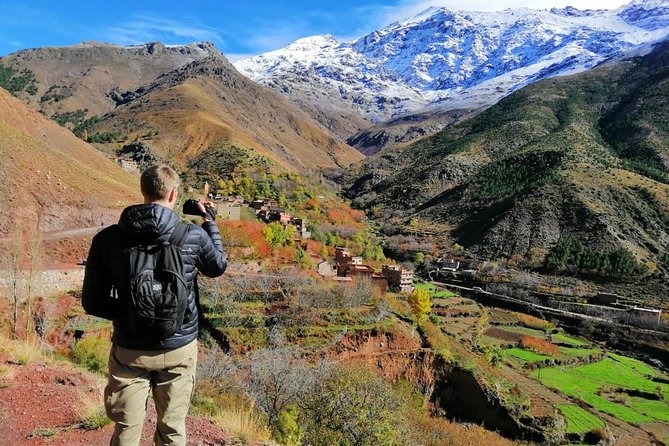
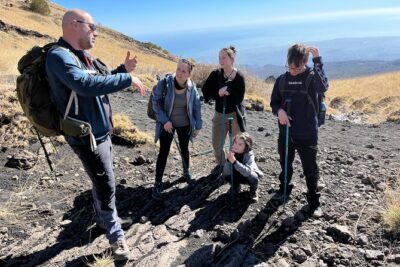
Day one starts easy and builds. After tea and pack prep in Imlil Valley, the hike heads toward Aroumd. This first section is a smart warm-up. The goal is getting your legs moving while you’re still near the start of the trip, not jumping straight into heavy climbs.
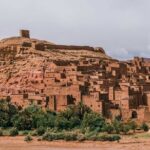
You’ll then reach Tidli, where lunch is at a local Berber family’s home. This is one of those stops that makes the day feel human instead of “just trekking.” You’re not eating in a scenic restaurant. You’re breaking bread in a family space, which is the point of this kind of itinerary: to see rural life up close, not just pass by it.
After lunch, you climb toward Mount Tawdja (around 2800m). Along the way, you’ll walk through small villages such as Tagadirt and Tamatert. Those village crossings matter. They slow you down enough to notice daily routines—paths, doorways, local rhythms—things you’d likely miss if the route only stayed in open mountain trails.
Day one ends with you moving toward overnight arrangements in a Berber home, since accommodation is included and the experience includes sleep setup with sleeping bags. The trekking structure suggests you’ll be tired by then, but not blindsided.
Days 2 and 3: the village hopping you came for (and the altitude work)
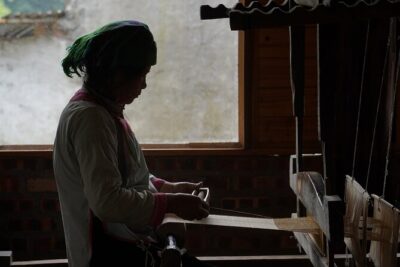
Even though the detailed day-by-day village names aren’t fully spelled out here, the heart of the trek is clear: you’re visiting several Berber villages and spending time with multiple families, not just one overnight. That’s a major reason this tour scores well. It’s less “one village cameo” and more “multiple communities, multiple settings.”
You should also expect more altitude effort on the later days. In notes shared by hikers, days two and three involve climbing from roughly 1600m up to 2400m, then descending again. That’s not about extreme technical hiking. It’s about breath, pace, and staying steady on uneven ground.
The best way to handle altitude and fatigue is boring but effective:
- Go slower than you think you need on the first half of each climb.
- Take short stops more often rather than one long rest.
- Keep your pack light in your own head, even with the mule doing the heavy lifting.
If you’re someone who likes “walking between places” instead of only collecting viewpoints, these days should feel rewarding. You’re moving through local areas, not just circling a single viewpoint.
Berber home stays and meals: what quality looks like here
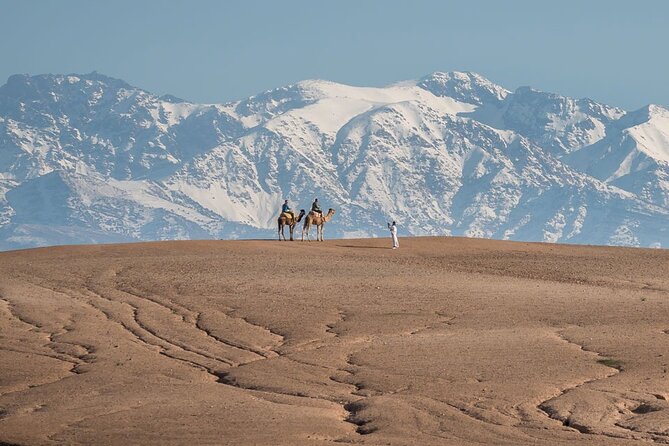
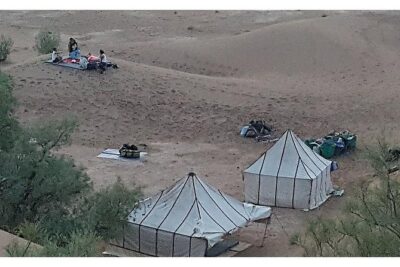
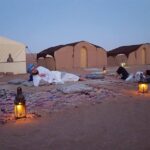
One of the strongest parts of this trek is the overnight setup. You’ll stay in a local Berber home, and you’ll have sleeping bags provided. That combination is practical: you’re not stuck searching for gear, and you know the overnight won’t be a total guess.
Meals are also included for much of the trip. And the food part seems to be a standout. One review highlighted the chef role (Omar) producing impressive meals with a portable stove, even with limited tools. That matters more than people expect. Mountain food can get repetitive on some treks. Here, the cooking support is part of the package.
What you’ll likely notice in real terms is warmth and flexibility. You’re in homes where routines shape the day. That can mean meals arrive when they’re ready, not when a timer says they should. It’s a trade-off, but for most people it’s the best kind. You’re not just consuming food; you’re sharing a moment.
I also like that the experience is designed so you’re not constantly guessing what’s next. From tea at the start to lunch at Tidli and meals during the walk, the rhythm is built in.
Return to Marrakech: an included ride that saves your last day
The tour includes return transport back to Marrakech, which is worth paying attention to. After three days in the mountains, your energy for additional logistics is usually low. An included ride means you can finish the trek, pack up, and get home without hunting for buses or negotiating rides right away.
This also makes the “3 day” feel more realistic. Even when the trekking is the focus, the drive time and transition time matter. The overall duration is listed as about 2 days 6 hours, which suggests the experience is efficient—more hiking-focused than a full week of travel. So plan your next day in Marrakech with a little recovery time, even if you’re back the same calendar window.
Price and value: why this cost can make sense
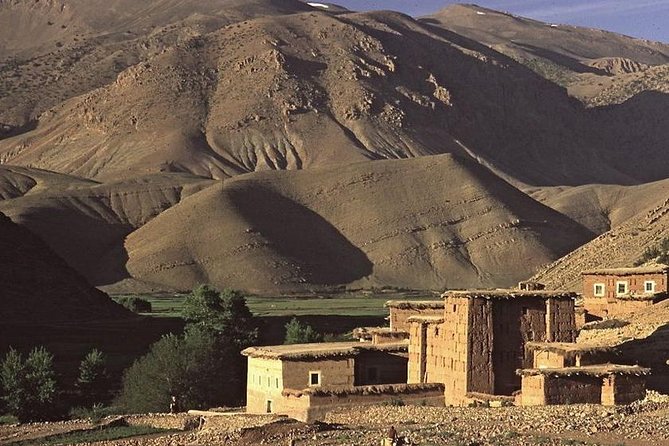
At $139.59 per person, this trek isn’t trying to compete with the cheapest group hikes. It’s closer to a value pick if you care about the details that cost money: private guiding, mule gear support, overnight in a home, and included meals.
Here’s where the value comes from in plain terms:
- Private tour: you’re not sharing guide time with a huge crowd.
- Mule support: you’re paying for comfort and less strain.
- Sleeping bags and Berber home stays: you’re not renting gear or organizing lodging.
- Many meals plus return transport: you avoid the “hidden costs” of food and getting back.
In other words, the price isn’t just for miles on a map. It’s for the whole living-and-walking package. If you’ve ever done budget treks where you end up doing extra work—extra cash, extra planning, extra waiting—this setup feels more like a guided life experience than a rough adventure.
Who this Atlas trek is best for (and who should rethink it)
This trek fits best if you want:
- A private, guide-led route
- Village-to-village walking, not just viewpoints
- A home stay rather than a campsite-only experience
- A mountain hike where someone else manages the logistics
The good news: the experience notes that most travelers can participate. That usually means the route is designed for a wide range of walking abilities, with support built in.
But keep it real on effort. There are climbs, and altitude changes can affect you even if you’re reasonably fit. If you struggle with steep walking, you’ll still need to be careful. This is not described as a gentle stroll.
If you love culture but hate tourist traps, you’re likely to enjoy the way the itinerary aims to put you in the path of rural village life—Tagadirt and Tamatert on day one, plus additional Berber villages in the following days.
Tips to make the trek smoother (without overpacking)
You don’t have to bring everything for this trip because some items are handled, like sleeping bags. But you still need to be smart about what you carry on your body.
- Wear supportive hiking shoes. Rocky, uneven ground is common in mountain paths.
- Pack layers. Altitude shifts can change how warm you feel over the day.
- Bring sun protection. Even when it’s not hot, the mountain sun can be strong.
- Use the mule plan wisely. If it can go on the mule, you’ll feel better with less weight on your back.
Also, keep your expectations flexible about timing around villages and meals. This is village life, not a theme park schedule.
Should you book this 3-day Atlas Mountains trek from Marrakech?
If you want an organized Atlas experience that includes Berber home stays, real village walking, and support that reduces your workload, this is a strong choice. The combination of mule support, included sleeping bags, and the fact that meals are part of the plan makes it feel like you can focus on the experience instead of juggling tasks.
Book it if:
- You’re excited about walking through Berber villages and meeting different families.
- You want private guiding and easier logistics from Marrakech.
- You’re okay with daily hiking and altitude.
Skip it (or consider a gentler option) if:
- You’re very sensitive to altitude climbs.
- You don’t like walking segments with limited amenities along the way.
One more thing: if you care about how the trek is run, the guide-and-chef team names that have been shared—like Ishmal and Omar, plus Mohammed coordinating transport and Hamsa supporting guiding—are a sign this isn’t just a random route. It’s a staffed experience built to work smoothly.
FAQ
Is this trek private or shared?
This is a private tour/activity. Only your group participates.
Do you get picked up in Marrakech?
Yes. Pickup is offered, and the trip starts with departure from your Marrakech hotel at 9:00 am.
What time do we reach the mountains area?
You leave Marrakech at 9:00 am and arrive around 10:30 am in Imlil Valley.
Is a mule included?
Yes. The trek includes a mule to carry your gear.
Are sleeping bags provided?
Yes. Sleeping bags are provided for the overnight in a local Berber home.
What does the price include?
The experience includes return transport to Marrakech, accommodation, and many meals.
How long is the trek?
The duration is listed as approximately 2 days 6 hours.
What’s the cancellation policy?
Free cancellation is available. You can cancel up to 24 hours in advance for a full refund.
Is the trek suitable for beginners?
The info states that most travelers can participate, but it does involve altitude changes and walking over multiple days.