REVIEW · MOSHI
Kilimanjaro Trekking 7Days 6Night Lemosho Route
Book on Viator →Operated by Uprise Africa Explorer · Bookable on Viator
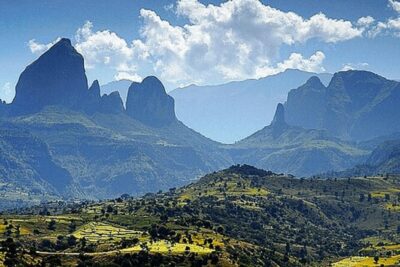
Kilimanjaro feels bigger when it’s not crowded. This 7-day climb on the Lemosho route aims for summit success with plenty of scenery, moving you through changing altitude zones and ending at Mweka Park Gate for your certificate. It’s the route many hikers pick when they want more breathing room on the trail and more time looking out over the mountain than staring at the ground.
What I like most is the way the logistics are handled for you. Your price covers park fees, camping, and meals, so you spend your energy on hiking instead of chasing receipts. Another win: the team does a trek-gear check before you depart each day, which helps you avoid the classic mistakes that snowball at altitude.
The main thing to consider is that Lemosho is described as tougher than the Mangaru route. Some days are long, and you’ll be on your feet for hours while the trail keeps building altitude and effort.
In This Review
- Key highlights that matter on the Lemosho route
- Why the Lemosho Approach Helps You Pace Better
- Moshi Pickup and the 11:00 AM Start Into the Mountains
- Day 1: Londorossi Gate, Forest Track, and Mti Mkubwa Camp
- Day 2: Shira Ridge, Heather Moorland, and Possible Uhuru Peak Views
- The Middle Days: Barranco Wall Up to Karanga Camp, Then Barafu
- Day 4: Barranco Camp to Karanga Campsite (Wall Day)
- Day 5: Up to Barafu Camp and South Circuit Views
- Day 6 and the Night Before: What You Can Control
- Day 7: Descent to Mweka Park Gate and Summit Certificates
- Price and Logistics: Does $3,000 Actually Feel Like Value?
- Guides, Porters, and Camp Food: The Team That Makes or Breaks It
- Gear and Gear Checks: How to Avoid Common Problems
- Who This Trek Fits Best
- Should You Book This 7-Day Lemosho Kilimanjaro Climb?
- FAQ
- How long is the Kilimanjaro Lemosho trek?
- Where does the trek start from?
- What time does the experience begin?
- How big is the group?
- What meals are included?
- Are park fees included?
- What is not included in the price?
- Do I get summit certificates?
- What if weather affects the trek?
Key highlights that matter on the Lemosho route
- Small group size (max 10 travelers) means you’re more likely to get real attention on pacing and comfort.
- All fees, meals, and camping included cuts down planning stress in Moshi before you even start.
- Armed Park ranger from the gate is built into the early trail for peace of mind.
- Barranco Wall day includes a steep ridge effort (good challenge, with big payoffs in views).
- Barafu Camp and the South Circuit views give multiple angles of the summit and glaciers.
- Summit certificate at Mweka Gate is part of the closing sequence after your descent.
Why the Lemosho Approach Helps You Pace Better
The Lemosho route is often chosen for two reasons: it’s scenic, and it tends to feel less crowded on the way up. In practical terms, that matters because Kilimanjaro is a long game. When the trail isn’t packed, you can keep your rhythm without constantly stopping to squeeze past slower or faster walkers.
The route is also positioned as more demanding than the Mangaru alternative. That’s not a dealbreaker, but it’s a useful reality check. If you’re looking for a more forgiving hiking day-to-day, Lemosho may feel harder than other routes. If you’re okay with working for it, the payoff is that you’re climbing through distinct zones with frequent “look up” moments.
You can also read our reviews of more tours and experiences in Moshi.
Moshi Pickup and the 11:00 AM Start Into the Mountains
This climb starts from Moshi, Tanzania, with pickup offered. Your scheduled meeting/start time is 11:00 am, so plan to arrive in Moshi the day before if you can. That reduces the stress of traffic, last-minute gear shopping, or timezone surprises.
From there, you’ll transfer by vehicle for about 3 hours to the Londorossi Park Gate. The program includes registration, and you’ll start your hike through a forest track with an armed Park ranger. That early ranger-led portion is a big part of why the first day feels structured instead of chaotic.
Day 1: Londorossi Gate, Forest Track, and Mti Mkubwa Camp
Your first hiking window is about 2–3 hours and roughly 6 km / 4 miles. It’s not a long day on paper, but it’s still a day that sets the tone: briefing first, then a gear check by the guides before you move.
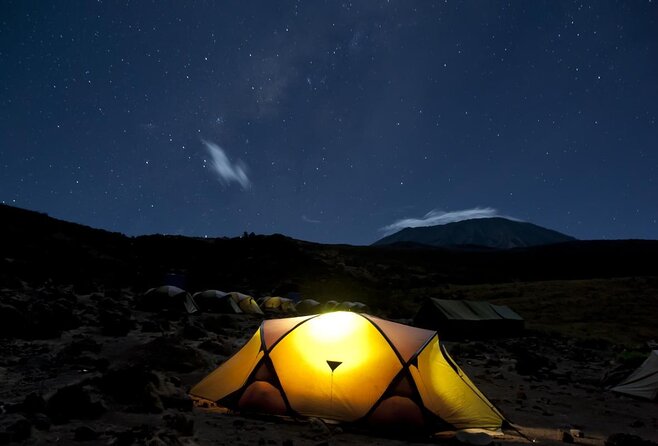
Once you register at Londorossi, the trail enters forest terrain with wildlife in the area. The materials specifically note you might see animals like buffalo and elephants from the trail—so keep your eyes open, not only your breath. You finish at Mti Mkubwa campsite at around 2,650 meters, where the “camp life” part of Kilimanjaro begins.
Practical note: this is when you’ll want to get comfortable with how your daypack system works. If you fumble for items or repack repeatedly, you’ll burn energy right away. Day 1 is the best time to find a simple routine.
Day 2: Shira Ridge, Heather Moorland, and Possible Uhuru Peak Views
Day 2 is where the climb starts to feel like a real expedition. You’re looking at roughly 7–8 hours of hiking (about 16 km / 10 miles), and the route gradually steepens as you enter giant heather moorland.
The trek description calls out a long hike over heather with volcanic rock formations scattered along the way. You’ll also cross several streams. That combination is why this day is mentally different: it’s not just “walk uphill,” it’s watch your footing on uneven ground while the scenery keeps shifting.
A useful detail here is the view potential. Near Shira Ridge, you can see Uhuru Peak if it’s not cloudy, and there are views toward the Northern Ice fields. You’ll then overnight at Shira 2 camp at about 3,850 meters.
This is also one of the clearer acclimatization cues in the information you were given: the climb is described as steady, and that steady effort is part of why you’ll feel more ready for the tougher days that follow.
The Middle Days: Barranco Wall Up to Karanga Camp, Then Barafu
The plan you provided clearly lays out key moments on Day 4 and Day 5, so I’ll focus on those while keeping expectations realistic about the days in between.
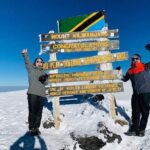
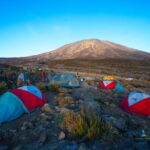
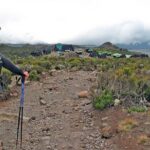
Day 4: Barranco Camp to Karanga Campsite (Wall Day)
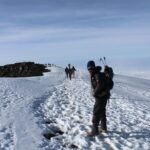
Day 4 is described as a 3–4 hour push (about 5 km / 3 miles), but don’t let the distance fool you. You’ll leave Barranco Camp behind and climb the steep Barranco Wall up to about 4,250 meters. The program notes it takes around 1.5 hours to reach the top.
After that steep ridge effort, you move onto more level terrain and then hike down into the Karanga Valley at about 4,050 meters. You end the day at Karanga campsite. This is the day where the trail changes character: hard uphill effort, then a descent that can tax your knees if you’re not walking steadily and carefully.
Day 5: Up to Barafu Camp and South Circuit Views
Day 5 is another 3–4 hour day (about 4 km / 2 miles). You continue upward to Barafu Camp.
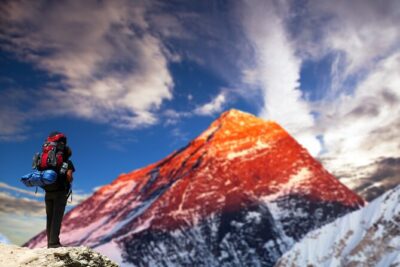
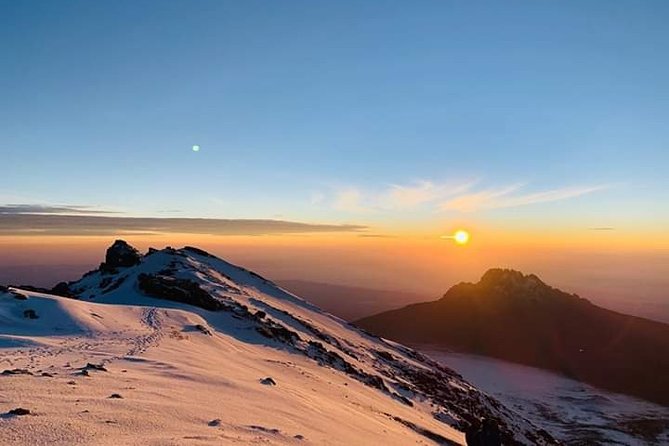
The materials describe you’ve completed the South Circuit by this point, with views of the summit and glaciers from different angles. Then you set up camp at Barafu, and the key detail is that you’ll have summit views from where you sleep.
That matters psychologically. A lot of hikers struggle most with the uncertainty of whether they’re “getting closer.” When the summit is visible from your camp, it becomes easier to stay focused on the next step instead of worrying about the total distance remaining.
Day 6 and the Night Before: What You Can Control
Your Day 6 details aren’t fully spelled out in the information you shared, but the sequence is clear: by Day 7 morning you start descending from around 3,090 meters, and Day 7 includes the certificate and vehicle transfer. So Day 6 is part of the summit-positioning phase, even if hiking time and routes aren’t given here.
So what can you control on Day 6? Keep your plan simple:
- Follow your guide’s pacing and instructions closely.
- Treat sleep and hydration seriously, even if you feel restless.
- Keep your kit organized so you’re not digging for items at the wrong moment.
Kilimanjaro rewards hikers who stay calm and consistent. Your job on the mountain is to make the summit attempt possible, not to run the schedule like a race.
Day 7: Descent to Mweka Park Gate and Summit Certificates
Day 7 is a finishing day, with a stated hiking time of about 3–4 hours over roughly 10 km / 6 miles. You start after breakfast at around 3,090 meters.
Then you descend to Mweka Park Gate, where you receive your summit certificates. After that, your vehicle is waiting to drive you back to your hotel.
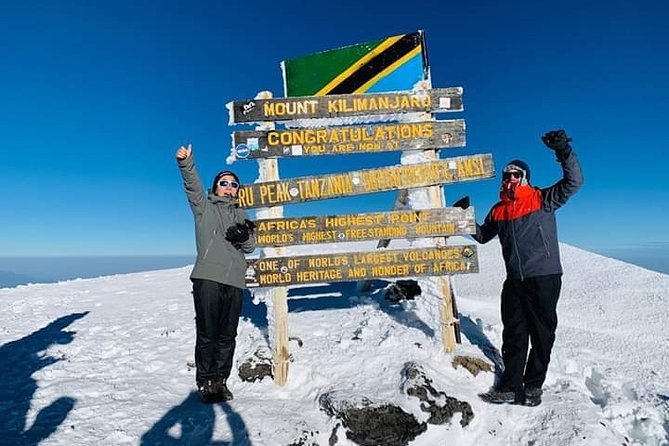
Even if you’re tired, it helps to remember this part is built into the program. Getting the certificate isn’t an afterthought. It’s part of the closure, and it turns the struggle of the week into something tangible you can take home.
Price and Logistics: Does $3,000 Actually Feel Like Value?
At $3,000 per person, this isn’t a cheap activity. The question is what you’re buying, not just the number.
Here’s what the price includes based on the details provided:
- All fees and taxes
- Kilimanjaro trekking
- Meals: lunch (7), breakfast (6), dinner (6)
- Camping equipment, fees, and meals (called out in the features)
- Pickup offered
- Mobile ticket
- Summit certificate sequence at the end is part of the trek flow you’ll experience
That package matters because Kilimanjaro trips have many moving parts. If you had to arrange park fees, guiding, camp setup, and most meals yourself, your budget would expand quickly. Including those essentials also reduces decision fatigue mid-trip.
What’s not included is the Tanzania visa. The program states $50 / $100 for American residents on arrival at the airport, per person. So your real cost will be the advertised price plus visa.
Also, you’re capped at 10 travelers. That small group size can be a real value factor because it often translates into better attention when altitude symptoms start to show up or when you need help adjusting pacing.
Guides, Porters, and Camp Food: The Team That Makes or Breaks It
This is one of the most praised parts of the experience. The information you shared includes repeated feedback about friendly, supportive guides and hardworking porters and cooks.
Guide names that show up in the feedback you provided include:
- Kissima (leading a Lemosho climb)
- Fransis as head guide, with Peter as assistant guide
- Sanga (called out as a best guide by name)
- Nguma (one climb during Christmas/New Year period)
There’s also mention of an operator contact named Micheal Gudluck in the booking communication.
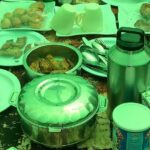
On the food side, the cook Schabari is mentioned by name as creating excellent meals at the mountain. That’s not a small thing. When you’re hiking in altitude fatigue, food is fuel and morale. You want meals that you can actually look forward to, not “just enough to survive.”
One more team detail: the program notes that guides check your trekking gear before departure. And in the feedback you shared, guides are described as helping with advice when altitude symptoms show up. That’s exactly what you want from a guide: practical help, not panic.
Gear and Gear Checks: How to Avoid Common Problems
The operator’s process includes a gear check before you start hiking. That means you’ll likely be asked to confirm you have what you need for a week of camping and altitude work.
Also, one of the reviews you shared specifically notes renting summit gear from the company, including a sleeping bag. So if you’re traveling light or don’t own proper summit gear, ask in advance what rental options are available.
My practical suggestion: don’t wait until the gate to realize something is missing. Use the gear check moment to ask clear questions. If you’re unsure about what counts as essential, ask your guide what they’ve seen work well for people in your situation.
Who This Trek Fits Best
This is a good match if you want:
- A scenic route and fewer climbers on the way up
- A smaller group (max 10)
- Camp life with meals and equipment handled for you
- More guide attention during long hiking days
It’s also a fair choice if you’re flexible about the fact that Lemosho is described as tougher than the Mangaru route. Some days are long (like Day 2’s 7–8 hours), and steep sections happen (like Day 4’s Barranco Wall).
Your main “fit check” is physical readiness. Kilimanjaro is not just about stamina. It’s also about walking steadily at the right pace, day after day, while sleeping at altitude.
Should You Book This 7-Day Lemosho Kilimanjaro Climb?
I’d book this trek if the idea of fewer crowds and more scenery matters to you, and if you’re happy paying for a package where the essentials are already covered. The included meals, camping support, and all the park fee coverage reduce a lot of planning risk.
I’d pause and ask more questions before booking if you’re worried about the difficulty level. Since the route is described as tougher than Mangaru, make sure you’re comfortable with long hikes and steep terrain like the Barranco Wall.
One smart move: ask the operator which guide you’ll have and whether summit gear rental (including sleeping bag) is available if you need it. With a small group size, those early details can make the whole week smoother.
FAQ
How long is the Kilimanjaro Lemosho trek?
It’s listed as about 7 days (6 nights).
Where does the trek start from?
It starts in Moshi, Tanzania, with pickup offered, then a transfer of about 3 hours to the Londorossi Park Gate.
What time does the experience begin?
The meeting/start time is 11:00 am.
How big is the group?
The maximum group size is 10 travelers.
What meals are included?
Lunch is included 7 times, breakfast 6 times, and dinner 6 times.
Are park fees included?
Yes. The included details specify all fees and taxes, along with Kilimanjaro trekking.
What is not included in the price?
The Tanzania visa is not included. It’s listed as $50 / $100 for American residents on arrival per person.
Do I get summit certificates?
Yes. On Day 7, you descend to Mweka Park Gate to receive your summit certificates.
What if weather affects the trek?
The experience requires good weather. If it’s canceled due to poor weather, you’ll be offered a different date or a full refund.
If you want, tell me your hiking experience level and how you’re handling altitude gear, and I’ll help you sanity-check whether Lemosho’s tougher profile will feel like a good match for your goals.