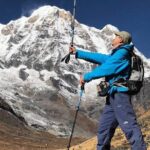
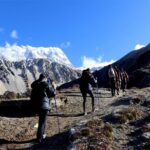
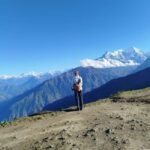
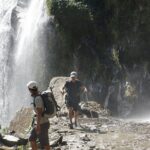
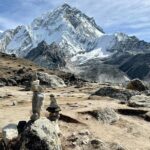
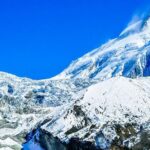
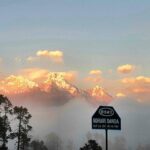
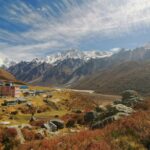
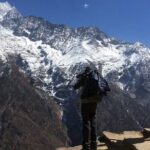
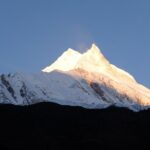
Sunrise viewpoints and base camp air are hard to beat.
I like this plan because it threads in Poon Hill scenery early and then pushes steadily toward Annapurna Base Camp without pretending altitude is no big deal. I also like the way the trip is set up with permits handled, lodge stays included, and meals taken care of—so you spend energy on the trail, not logistics. One consideration: at 3,700m (and a high point of 4,130m near Machhapuchhre Base Camp), you need to take the acclimatization days seriously or the trek will feel tougher than it needs to.
The overall rhythm is classic Annapurna: bus to Pokhara, taxi to the trail start, a series of climbs with lodge nights, then the big day up to base camp, and a descent that ends with Jhinu Danda. It’s also geared for real people with a practical fitness level, not just ultra-runners.
If you’re hoping for a completely private, no-waiting, no-rhythm-change experience, you should know this route runs on mountain timing—so some days feel more like a climb day than a sightseeing day.
In This Review
- Key things that make this trek worth it
- Annapurna Base Camp, but with smart pacing
- Price and logistics: what $999 buys you in real terms
- Kathmandu and Pokhara: two nights that set up your climb
- Day-by-day: what to expect on the trail
- Days 1–3: Pokhara access and the early climb into the Annapurna route
- Days 4–6: Poon Hill viewpoint day and the altitude staircase
- Days 7–9: The base camp day, Machhapuchhre Base Camp, and down to Jhinu Danda
- Lodges, meals, and the comfort you want after altitude
- Gear included: pack smart, not heavy
- Guide quality: why names keep showing up
- Who this Annapurna Base Camp trek suits best
- Should you book this trek with Adventure Bound?
- FAQ
- What is the trek duration for Annapurna Base Camp?
- Where does the trek start and end?
- What time does the trip start?
- What’s included in the $999 price?
- What is not included?
- Do I get sleeping gear and cold-weather clothing?
- What fitness level do I need?
- Can the itinerary be adjusted?
Key things that make this trek worth it
- Poon Hill plus Annapurna Base Camp in one route: you get both the early big views and the classic goal.
- Altitude is built into the itinerary: you go high, you pause, you go higher, then you come back down.
- Lodge trekking with 3 meals included: you’re not planning meals each day.
- Gear rental included (sleeping bag + down jacket): helps you travel lighter.
- A guide and permits are handled for you: fewer administrative headaches once you’re in Nepal.
- A guide team that adjusts to your pace: people highlight flexibility and care from the guides by name.
Annapurna Base Camp, but with smart pacing
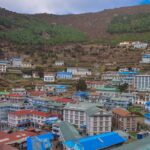
This is one of those treks where the numbers actually matter. You’ll start around 1,400m in Kathmandu, drop to Pokhara (822m) for a couple nights, then begin walking up from Birethanti (1,263m) toward Ulleri (1,960m). The gradual climbs keep the “new altitude” feeling manageable, especially once you’ve already taken a couple days to warm up.
What I like most is that the route doesn’t jump straight to the hardest elevations. You go high enough to build momentum, then you get viewpoint time at Poon Hill (3,210m) before heading into the mid-trek altitudes like Tadapani (2,630m) and Sinuwa (2,340m). By the time you’re at Deurali (3,230m), you’re ready for the big push toward base camp.
And then there’s the best kind of trekking reward: after the climb, you get the feeling that you earned the view. Annapurna Base Camp sits at 3,700m, and the itinerary also includes passage via Machhapuchhre Base Camp (4,130m)—so you feel like you’re “in the high country,” not just passing through.
You can also read our reviews of more tours and experiences in Kathmandu.
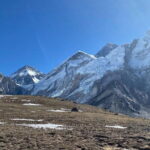
Price and logistics: what $999 buys you in real terms
At $999 per person for an ~10-day trek, the value is in what’s included—not just “someone walks with you.”
Here’s what you’re paying for that you’d otherwise need to arrange yourself:
- Kathmandu ⇄ Pokhara transport by tourist deluxe bus
- 2 nights in Pokhara (standard category accommodation)
- Taxi to the trek start point from Pokhara
- All necessary Annapurna Base Camp permits
- A government-licensed, experienced guide
- Lodge accommodation during the trek
- 3 meals per trekking day (breakfast, lunch, dinner)
- Shared local jeep transport from Jhinu to Pokhara
- Sleeping bag + down jacket rental (you can return after the trip)
- A trekking map, plus a first aid medicine kit
The big advantage for you is mental load. When you’re trekking high, you don’t want to also be figuring out meals, where to charge devices, or how to handle permits. This package takes care of those moving parts up front.
One more value point: the tour is described as a private tour/activity for your group, and the meeting time is set early (6:45am). That matters because on trek routes, “early and organized” often means smoother start days.
Kathmandu and Pokhara: two nights that set up your climb
Day 1 is a tourist deluxe bus from Kathmandu (1,400m) to Pokhara (822m). That’s a meaningful transition. You go from city altitude down into lake-country altitude before you begin trekking.
Day 2 starts with a drive from Pokhara to Birethanti, then your first real hiking day: Birethanti (1,263m) → Ulleri (1,960m). Ulleri is a good early target because it gives you that first “we’re really doing this” climb, without yet throwing you into the thin-air game.
If you’re nervous about the first day’s effort, aim for a steady pace. On the Annapurna routes, your goal isn’t to win the trail—it’s to save legs for later and get used to changing air.
Day-by-day: what to expect on the trail
Days 1–3: Pokhara access and the early climb into the Annapurna route
Day 1: Kathmandu to Pokhara by tourist bus. Expect travel time, a shift in scenery, and an early end so you’re rested.
Day 2: Pokhara → Birethanti by road, then trek to Ulleri (1,960m). This is your warm-up day with elevation gain. You’ll feel it, but it’s the right kind of hard.
Day 3: Ulleri → Ghorepani (2,880m). Ghorepani is high enough to feel noticeably cooler and thinner than the lower villages. This is also where the route starts to feel like a “real trekking rhythm”: early start, long walking stretch, lodge at the end.
A practical tip: on days like these, you’ll do best by keeping your breathing calm. If you feel like you can’t talk easily, you’re going too fast for altitude.
Days 4–6: Poon Hill viewpoint day and the altitude staircase
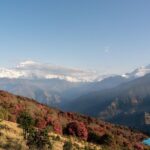
Day 4 is a two-part treat: trek from Ghorepani (2,880m) to Poon Hill (3,210m), then continue to Tadapani (2,630m). Poon Hill is the classic payoff. Even if the weather is mixed, it’s the kind of day that reminds you why people come here.
Then you drop back down to Tadapani. That downshift is important. Even though it still involves uphill walking overall, getting that elevation relief helps your body adapt before the higher push.
Day 5: Tadapani (2,630m) → Sinuwa (2,340m). Another altitude-management step. You’ll still be hiking, but you’re not continuing a nonstop climb into the hardest elevations.
Day 6: Sinuwa → Deurali (3,230m). This is a key step upward—your body is now staging for a big day.
Why this matters for you: when altitude rises in steps, you get the benefit of acclimatization without needing extra “break days” that extend your trek. It’s a smart compromise for a 10-day itinerary.
Days 7–9: The base camp day, Machhapuchhre Base Camp, and down to Jhinu Danda
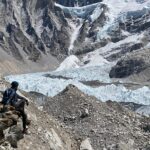
Day 7 is the headline: Deurali (3,230m) → Annapurna Base Camp (3,700m) via Machhapuchhre Base Camp (4,130m). You’ll go above your destination before you reach it. That’s tough, but it’s also how you get the sense of journeying through multiple high “milestones.”
If you’re prone to getting discouraged when the trail steepens, use a simple strategy: take short steps, keep your pace slow, and focus on the next bend. High-elevation trekking rewards patience.
Day 8: Annapurna Base Camp (4,130m listed at the ABC/Machhapuchhre zone) → Bamboo (2,345m). Going down after you reach base camp is psychologically huge. You get to enjoy the moment at your destination without paying for it with nonstop extra altitude.
Day 9: Bamboo (2,345m) → Jhinu Danda (1,780m), then shared jeep transport back to Pokhara (822m). Jhinu Danda is a classic end-of-trek “soft landing” area because it’s far lower than base camp. Your legs will still feel the hike, but the day has a clear finish line.
Lodges, meals, and the comfort you want after altitude
This trek uses lodge accommodation. That usually means basic rooms, hot drinks, and the comfort of a consistent setup. What I like here is that you’re not guessing about food. Breakfast, lunch, and dinner are included during the trekking days, which matters when you’re tired and hungry at odd hours.
At altitude, the practical difference is simple: you want food you can eat and drink that doesn’t require decision-making. Having meals built into the schedule reduces fatigue and keeps you fueled for the next day.
You can plan on personal extras not being included. The trip info specifically calls out expenses like phone calls, internet, laundry, bar bills, snacks, battery recharge, bottled or boiled water, and hot showers as personal costs. That’s normal on trek routes—just budget for it so you’re not surprised.
Gear included: pack smart, not heavy
You get a sleeping bag and a down jacket included, and you can return them after the trip. That’s a big deal for value, because cold-weather gear can add cost and weight when you’re flying in.
What’s not included is your personal trekking gear and equipment. You’ll want to bring what you normally use for hikes—plus your layers. Since your route reaches above 3,000m and touches 4,130m near Machhapuchhre Base Camp, plan for real cold at night and cool mornings.
The trip also notes that a porter isn’t included. If you’re trekking solo and want load support, you might need to arrange that separately.
Guide quality: why names keep showing up
One of the most consistent strengths is the guide team. The tour includes a gov-licensed, experienced, helpful, and friendly guide, and accounts of the operator highlight guide care by name, including Suman, Roman, Laxman, Santosh, Robin, Rabin, Bibek, Suresh (including Suresh Aryel), Santos, and Raj.
What matters for you isn’t the name on the roster. It’s the behavior people report: adjusting the plan to match your pace, staying organized, and making sure nobody feels stranded when the day gets hard.
On a trek like Annapurna Base Camp, you’ll feel the altitude and the long walk. A good guide makes that feel safer and more human. They help you manage energy and keep the day moving.
Who this Annapurna Base Camp trek suits best
This trip is described for people with moderate physical fitness. That’s encouraging if you’re active but not a high-endurance athlete. You’ll still be doing real hiking, but the itinerary design helps.
You’ll be a good fit if you:
- Want classic Annapurna scenery plus base camp in a single package
- Prefer lodge trekking and included meals over going fully self-supported
- Value a clear plan with permits and key logistics handled
- Like viewpoint moments like Poon Hill rather than only hiking to the final high point
You might think twice if you hate early starts. The start time is 6:45am, and high mountain trekking usually means mornings begin early.
Should you book this trek with Adventure Bound?
I’d say yes if you want a well-supported Annapurna Base Camp experience where the schedule is organized, the meals and lodges are included, and the guide role is taken seriously. The $999 price makes more sense when you look at what you don’t have to source or manage: permits, transport, a licensed guide, lodge nights, meals, and key cold-weather gear.
Book it if:
- You want a route that includes Poon Hill plus the big goal at Annapurna Base Camp
- You appreciate flexibility with pacing rather than a rigid, fast march
Hold off if:
- You know you’ll struggle with sustained walking at altitude and can’t plan your effort realistically
- You’re looking for a trip where every single day feels relaxed and fully “choose your own adventure”
If you’re prepared for the physical challenge and you want your time on the mountain to be the main event, this is a strong way to do it.
FAQ
What is the trek duration for Annapurna Base Camp?
It’s listed as 10 days (approx.).
Where does the trek start and end?
The trek starts in the Kathmandu area and uses Pokhara as the main hub. You take a tourist deluxe bus from Kathmandu to Pokhara, trek from Birethanti onward, then return to Pokhara by shared jeep from Jhinu Danda, and finish with Pokhara to Kathmandu by bus.
What time does the trip start?
The start time is 6:45am.
What’s included in the $999 price?
Included are Kathmandu–Pokhara and Pokhara–Kathmandu tourist bus tickets, 2 nights in Pokhara (standard category), taxi to the trek start point, Annapurna Base Camp permits, a licensed guide, lodge accommodation during the trek, 3 meals daily during trekking days, sleeping bag and down jacket rental, a first aid medicine kit, a trekking map, and shared local jeep transport from Jhinu to Pokhara.
What is not included?
Not included: travel and medical insurance, personal expenses (like snacks, internet/phone charges, laundry, bottled or boiled water, and hot showers), personal trekking gear, and porter.
Do I get sleeping gear and cold-weather clothing?
Yes. You get a sleeping bag and a down jacket included, and you can return them after the trip.
What fitness level do I need?
The tour notes that you should have moderate physical fitness.
Can the itinerary be adjusted?
The info says the itineraries are prearranged but can be customized to accommodate your schedule and desire.