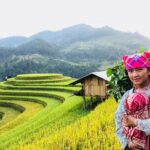
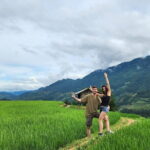
Ha Giang trekking starts where Hanoi fades. Terraced rice hills, minority village life, and the big wow factor of Ma Pi Leng make this circuit feel both wild and human. I like how the days mix real walking distance with cultural stops, and I like that the route aims for lesser-visited paths instead of just the usual viewpoints. One drawback to consider: you’re signing up for serious time on your feet, including a full-day trek with a long distance and steep trail sections.
What makes it easier to enjoy is the support. The tour includes a licensed English-speaking guide, A/C vehicle transfers, and 24/7 hotline help, and I’ve seen how this operator’s guides (people like Windy, Ivan, and Jack) are known for quick advice and a friendly, problem-solving approach. You’ll also travel as a private group (just your party), which usually means fewer slowdowns and better flexibility for pace.
This is the kind of trip where you don’t just see Ha Giang—you move through it: starting with Tay villages and rice paddies, then trekking toward Yao and Hmong communities, and ending with the “how is this real?” feeling of limestone karst and high passes.
In This Review
- Key things I think you’ll care about
- Ha Giang Feels Like Another Country, Without Leaving Vietnam
- Day 1: Ha Giang Homestay, Tay Rice Fields, and Lo River Calm
- Quan Ba Heaven Gate: 17–18 km Trek and Yao Family Lunch
- Dong Van Karst Plateau Geopark: Bike to Yao Life, Then Hmong Royal Legacy
- Market Morning in Dong Van, Then Thien Huong Clay Houses and the Nho Que Edge
- Ma Pi Leng Pass Trek: 3 Hours of Big Views and Hmong Villages
- Day 5: Yen Minh Morning, Then the Fast Return to Hanoi
- Fitness, Footwear, and the Packing Stuff That Actually Matters
- Price and Value: Is $626.61 Fair for This Much Remote Time?
- The Guide Experience: When Responsiveness Changes Everything
- Should You Book This 5-Day Ha Giang Trek?
- FAQ
- What time does the tour start?
- Where does the trip end?
- How long is the drive from Hanoi to Ha Giang city?
- Are meals included?
- Is a guide included?
- Is it refundable if my plans change?
Key things I think you’ll care about
- Real off-beaten trekking with a mix of hard and easier segments (not just short walks)
- Ma Pi Leng and Nho Que valley viewpoints plus a walk up to the pass area
- Culture in the villages, including time with Tay, Yao, and Hmong communities
- Local meals at families and towns, not only generic tourist lunches
- Licensed guide + 24/7 hotline, which matters when the route is remote
- A/C transfers between trekking bases so you can save energy for the trail
Ha Giang Feels Like Another Country, Without Leaving Vietnam
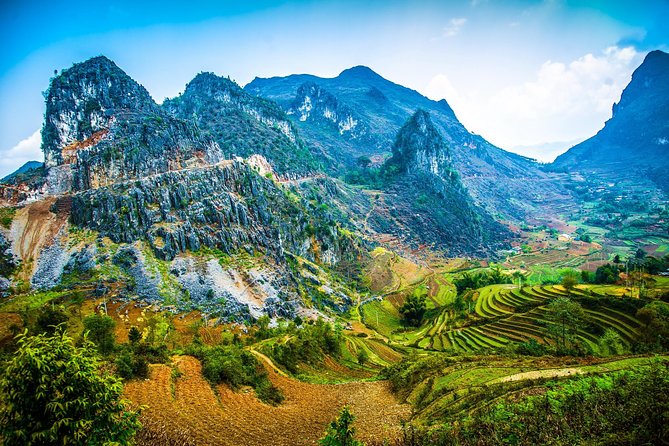
The hardest part of Ha Giang isn’t the walking—it’s the switch you feel on Day 1. You start in Hanoi with an 8:00 AM pickup, then spend around six hours driving out toward Ha Giang city. That long ride does something useful: it resets your brain. City noise fades. You start noticing rice fields, river bends, and scattered houses instead of traffic.
I also like that the trip doesn’t treat the scenery as a background. It uses the terrain to shape your day: steep hills, valleys, and karst mountains guide where you trek and where you meet people. And because the route focuses on minority areas, you get more than scenic photos—you get context for why these hills and villages matter.
One thing to keep in mind: you’re going into remote regions where services are limited. That’s part of the appeal, but it also means you’ll want to pack and behave like a trekker, not like a weekend sightseer.
You can also read our reviews of more tours and experiences in Hanoi.
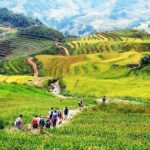
Day 1: Ha Giang Homestay, Tay Rice Fields, and Lo River Calm
Day 1 starts with that long Hanoi-to-Ha Giang transfer. Along the way, you stop for a short village walk, which is a good warm-up. It’s not a big hike, but it helps you stretch your legs after travel and get your bearings.
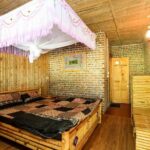
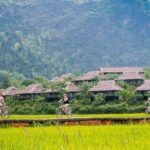
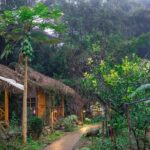
Once you reach Ha Giang, you head toward a homestay area with Tay villages and rice fields. You’ll see traditional stilt houses with palm-leaf roofing (a detail that feels surprisingly practical once you spot it in person). The day is structured to let you do what a lot of trekking people forget to do: slow down.
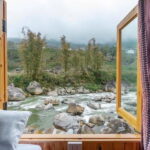
You’ll spend time wandering, and the trip even builds in a chance to cool off at a wild stream. That’s the kind of moment that makes the next days feel less exhausting, because you’re not just hiking—you’re also resting in the “middle of the day” when you’d otherwise be stuck looking for shade.
Dinner is included as part of the plan, and it’s typically a local dish rather than something generic. Then you call it a day and let your body adjust. After four straight days of movement, starting with an easier cultural day is a smart move.
Quan Ba Heaven Gate: 17–18 km Trek and Yao Family Lunch
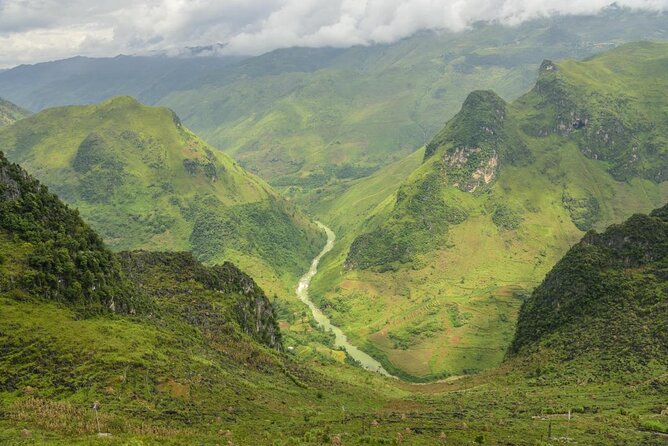
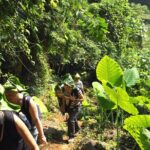
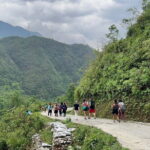
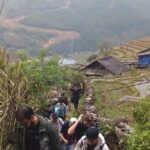
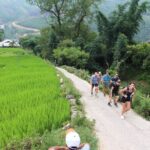
This is where the trip shifts from scenic to sporty. The full-day trek is listed as 17–18 km, and it follows off-beaten trails through forests and terraced rice fields. The route climbs to the highest point of the Tay Con Linh range, which is home to Yao communities.
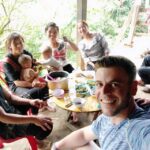
What I really like here is the human rhythm built into the hike. You start from a Tay village, you walk through land that locals depend on, and you’re not just passing by—you’re stopping. There’s a chance to mingle with ethnic students at a local school, then you take lunch with a Yao family.
That family lunch matters for two reasons:
- It gives you a real break in the day, not just a roadside stop.
- It helps you understand the pace of village life, where food and community are part of the day’s schedule, not an optional add-on.
After lunch, you switch to an easier trek down to the valley. The plan references almost 7 hours on off-beaten path time for the longer walking day, which tells you the pacing is built to be challenging but not rushed. By the end, you finish in a Tay village and then transfer onward to the Quan Ba district area in the Dong Van karst plateau region.
Possible drawback: if you’re not used to long, uphill-then-downhill trekking, this day can feel like a workout more than a hike. Bring good shoes and expect to take your time.
Dong Van Karst Plateau Geopark: Bike to Yao Life, Then Hmong Royal Legacy
Day 3 adds variety, which I love. Instead of only walking, you’ll have a morning option to bike for an easier entry into village life. The ride is short—about 1–2 hours—and it focuses on living traditions and daily routines in a Yao village.
If you prefer sightseeing over pedaling, the plan also allows time for that. Either way, the idea is the same: you’re using movement (walking or biking) to get into the place, not just to reach a viewpoint.
After that, you transfer to Dong Van. Lunch is included along the way in Yen Minh town, then you do a short walk to isolated Hmong villages. This is one of those moments where the karst terrain makes people feel smaller—and the villages feel more intentional. You’re not stuck behind a fence. You’re walking through a living area.
The next stop is the old palace of a Hmong king, followed by an optional short walk (about 20 minutes) up toward a mountain top viewpoint where there’s a vacant French fortress area for sunset views. Even if you skip the optional walk, you’ll still end the day with a sense of the region’s layers—Vietnamese cultures shaped by geography, plus historical footprints that show up in places like this.
Practical note: because this day includes cycling and walking, you’ll want to manage your energy. If your legs feel heavy, slow down on the cycle and save effort for the afternoon strolls.
Market Morning in Dong Van, Then Thien Huong Clay Houses and the Nho Que Edge
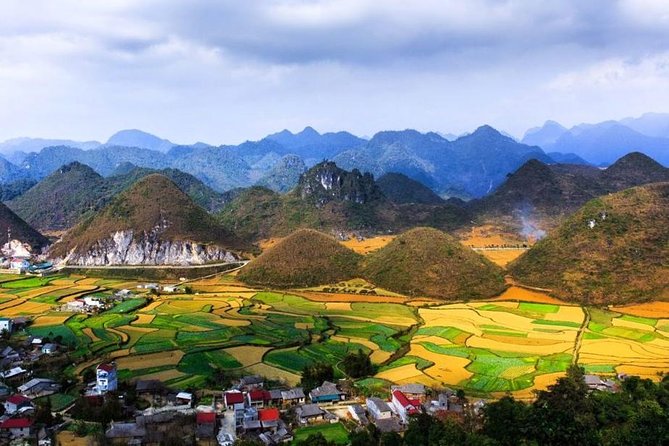
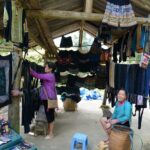
Day 4 starts with Dong Van market time. The plan even notes that if you’re traveling on a Sunday, there can be a unique Hmong fair feel to the market. Even outside that day, markets here tend to be where you catch the costumes, trades, and daily interactions that you don’t see from a bus window.
After market time, you hike up to the edge of the Nho Que valley. You’ll get views toward the China border area from this high point, which is exactly the kind of scale that makes Ha Giang feel remote and serious. The hike is listed as 7 km, and it leads to Thien Huong village, known for Tay people living in clay houses.
These clay houses are the kind of detail you remember because they look different from the stilt houses you saw earlier. The terrain and materials match the needs of the place. It’s not a museum set; it’s how people built shelter for their environment.
Then you head back to Dong Van for lunch before driving toward Ma Pi Leng pass. The drive to the trekking point is short—about 20 minutes—so you don’t lose a whole day to transit.

Ma Pi Leng Pass Trek: 3 Hours of Big Views and Hmong Villages
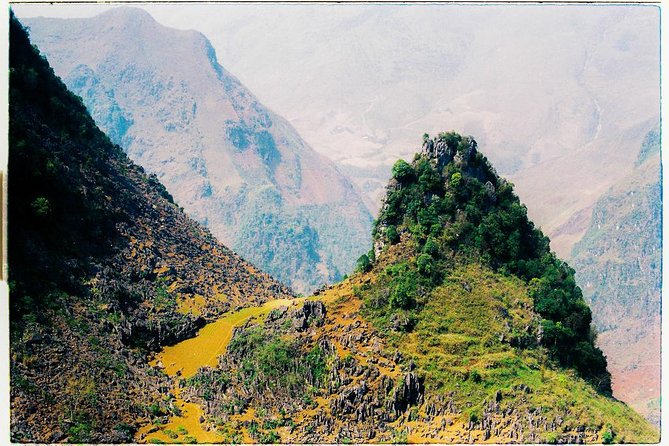
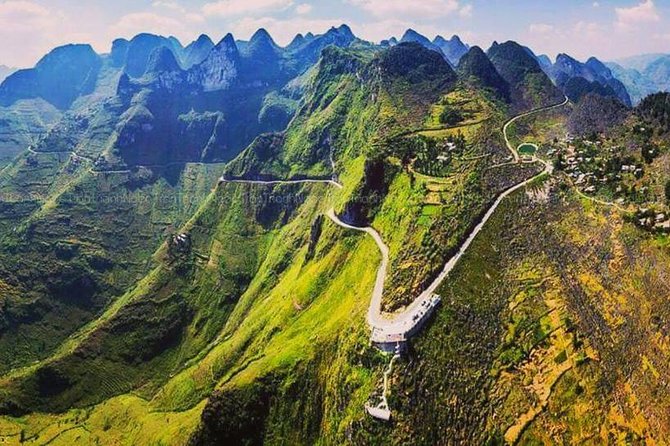
The Ma Pi Leng portion is the headline for a lot of trekkers, and it’s easy to see why. The plan describes a walk of about 3 hours that takes you to the top of the pass area, passing through local Hmong village spaces along the way.
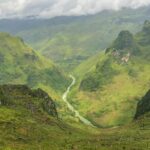
This is a “top of the world” feeling trek, and you’ll likely understand it as soon as you start moving. Ma Pi Leng is one of those places where the valley drops away and the pass feels carved by water and time. The sense of distance is the point.
One consideration: because this is a pass and you’re walking near exposed viewpoints at times, you’ll want to follow your guide’s pacing and stay steady on uneven surfaces. If you’re prone to rushing, this is a good day to fight that habit.
Day 5: Yen Minh Morning, Then the Fast Return to Hanoi
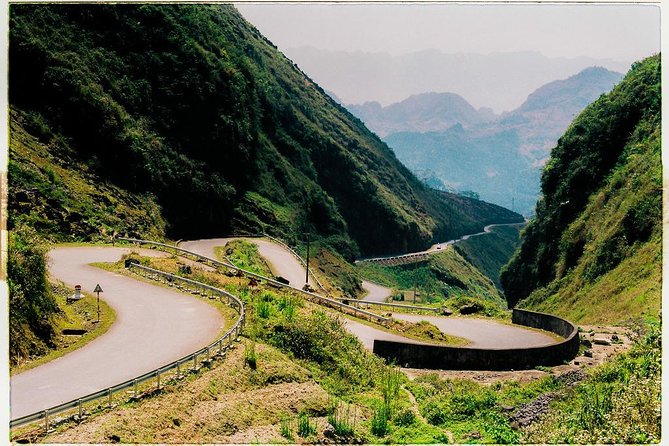
Day 5 is shorter and gentler. You’ll wake up in Yen Minh, take in the time you have left, and then head back toward Hanoi. The plan lists the final activity time as brief, so treat the last day as your decompress day rather than “one more big adventure.”
That structure is useful after four days of trekking. Your legs get time to recover, your brain gets time to absorb what you saw, and you don’t end the trip exhausted.
Fitness, Footwear, and the Packing Stuff That Actually Matters
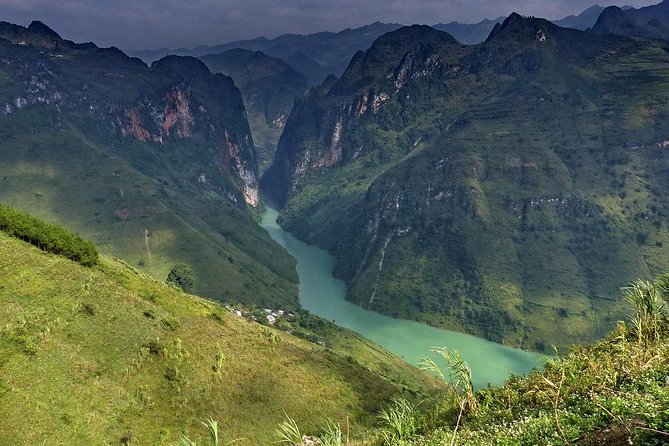
The tour includes long walking days (including 17–18 km trekking) and multiple hours on foot across different terrain. Most travelers can participate, but that doesn’t mean it’s a walk in the park.
Here’s what matters most for a trip like this:
- Footwear with grip: You’ll be on trails that can be uneven and slippery at times.
- Layers: Mountain weather can change fast, and you’ll sweat during climbs then cool down during breaks.
- Small daypack: For essentials like water, a rain layer, and any personal snacks.
- Personal drinks: Drinking water is provided on the car, and meals are included, but beverages on meals aren’t included—so plan for your own.
If you get tired easily, pace yourself early. On these routes, the biggest mistake isn’t fear—it’s going too fast at the start.
Price and Value: Is $626.61 Fair for This Much Remote Time?
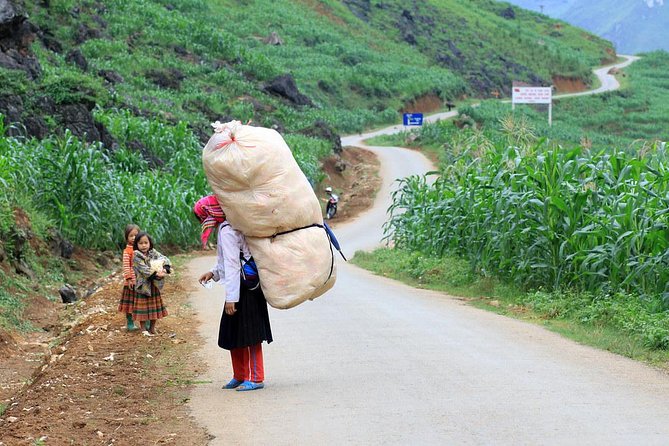
At $626.61 per person for a 5-day trip, the price can look either reasonable or high—depending on what you expect to pay for.
Here’s what you’re getting value for:
- A/C car transfers during the trip
- Homestay/3-star hotel accommodation
- Licensed English-speaking guide
- Meals as stated (breakfast, lunch, dinner)
- Sightseeing tickets, travel permits, and activities mentioned
- 24/7 hotline support
- Water on the car
What’s not included:
- Travel insurance
- Beverages on meals
- Tips and gratuities
So you’re paying for more than “a guide walking next to you.” You’re also paying for permits, logistics, and the fact that the route reaches remote areas where someone has to handle scheduling and access. If you were trying to do similar trekking independently, the costs would shift into transport, permits, guide hiring, and the risk of getting stuck without help.
Is it a bargain? If you’re the kind of traveler who wants authentic villages plus serious walking, it likely feels fair. If you’re only chasing easy viewpoints, you might not use all the value you’re paying for.
The Guide Experience: When Responsiveness Changes Everything
Guides make or break remote trekking. This tour leans hard on that support system: a licensed English-speaking guide, plus hotline access 24/7.
And names from past experiences—people like Windy, Ivan, and Jack—show a pattern of responsiveness and friendly, helpful guidance. That’s the difference between feeling safe and feeling stressed when you’re moving through unfamiliar paths.
Also, this is described as a private tour/activity for your group only. In practical terms, that usually means fewer waiting games and better control over pace—especially on long trekking days.
Should You Book This 5-Day Ha Giang Trek?
I’d book this if you want Ha Giang to feel like a journey through real villages and real terrain—not just a photo stop circuit. The mix of Tay, Yao, and Hmong cultural experiences, plus the trekking emphasis (including Ma Pi Leng and the Nho Que valley views), fits travelers who like their holidays a little active and a little off the highway.
I’d think twice if:
- Long treks and steep walking would be miserable for you.
- You hate limited beverage options and plan to drink something other than water during meals.
- You need a very “soft” schedule with minimal time on trails.
If you’re in the middle—curious, reasonably fit, and open to village life—this is a strong match.
FAQ
What time does the tour start?
The tour starts with pickup at 8:00 AM in Hanoi.
Where does the trip end?
This activity ends back at the meeting point in Hanoi.
How long is the drive from Hanoi to Ha Giang city?
The transfer is listed as about 6 hours.
Are meals included?
Yes. Meals are included as stated: breakfast, lunch, and dinner across the days.
Is a guide included?
Yes. The tour includes a licensed English-speaking guide.
Is it refundable if my plans change?
You can cancel for a full refund if you cancel up to 24 hours in advance of the experience’s start time.