REVIEW · SAPA
Sapa 2-Day Trek & Homestay in Ta Van Village – Be a Local
Book on Viator →Operated by SAIGONESE TREKKING HOUSE · Bookable on Viator
Two days in Sapa, lived like locals. This trek links classic rice-terrace routes with real village time in Ta Van, plus an overnight stay and an H’mong indigo-dye workshop where you make your own fabric. If you like your travel experiences to feel practical, hands-on, and culturally specific, this one has the right shape.
I especially like the way the day-to-day program includes family-style moments, like joining activities around the house. You’re not just watching from the trail; you may pick vegetables, shop for dinner ingredients, and cook with your host, and that makes the meal feel like part of the journey rather than an intermission. Guides such as Sue or Su are known for being friendly and speaking English well, which helps you follow the stories about villages and the people there.
One caution: on some stretches, local sellers can be persistent, especially near viewpoints or stopping points. The experience itself is strong, but you’ll want to stay polite, keep your budget in mind, and be ready to say no without drama.
In This Review
- Key highlights at a glance
- Why this Sapa trek feels local, not staged
- Day 1 walk: Y Linh Ho, Lao Chai, then into Ta Van
- Ta Van homestay life: cooking dinner, garden time, and a private room
- The evening indigo dye workshop: make your own natural-dyed fabric
- Day 2 trek: Giang Ta Chai, Bamboo Forest, and Su Pan
- Who’s leading you: English-friendly guides and a small-group pace
- Price and value: what you get for $45
- Things to consider before you go (the stuff that affects your comfort)
- Who should book this (and who might want a different option)
- Quick practical notes that make the trip smoother
- Should you book the Sapa 2-Day Ta Van trek with indigo dye?
- FAQ
- How long is the Sapa 2-day trek and homestay in Ta Van Village?
- What’s included in the price?
- What activities are part of the experience besides trekking?
- What villages and areas do you trek through?
- Do you get a souvenir from the indigo dyeing workshop?
- Is pickup included?
- How many people are in the group?
- Is free cancellation available?
- What isn’t included?
Key highlights at a glance
- Small-group feel (max 15 people): easier pacing and more time with your host.
- Overnight at a private homestay in Ta Van Village, not just a drive-through.
- Cook dinner with the family after helping with garden chores or market shopping.
- H’mong indigo dye workshop using natural dye, with a fabric you keep.
- Trek through Y Linh Ho, Lao Chai, Giang Ta Chai, Bamboo Forest, and Su Pan on a two-day loop.
- Transportation back to Sapa Town included, so you finish with less hassle.
Why this Sapa trek feels local, not staged
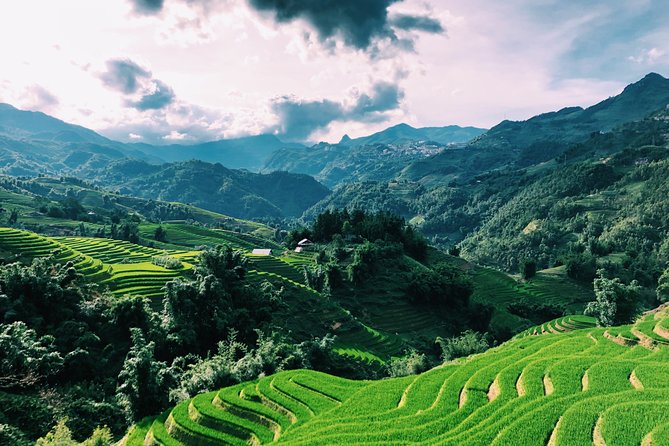
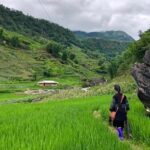
Sapa gets busy, fast. This tour cuts through the tourist fog by putting you in Ta Van Village overnight and tying the trekking day to real daily routines. You walk mountain paths with eye-level views of terraced fields and village life, then you slow down and do the kind of tasks locals actually do—gather, cook, and share time at the house.
What makes it feel authentic is the flow of activities. First you’re moving on foot between villages, then you shift into host time: vegetables from the garden (or at least the hunt for dinner ingredients), a home-cooked meal with your host, and an indigo-dye session in the evening. That combination matters because Sapa’s best moments often happen off the big “must-see” list.
The best part for me is that you leave with something you made yourself. The indigo workshop isn’t just a look-and-photo stop. You get your own piece of fabric to dye, which turns the souvenir into an actual memory you can hold.
Day 1 walk: Y Linh Ho, Lao Chai, then into Ta Van
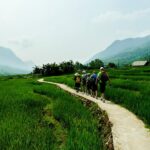
Day 1 starts in Sapa and works its way through nearby village areas, moving from Y Linh Ho to Lao Chai, then down into Ta Van Village. The pace is the real trick here: it’s not a sprint, and it’s not so slow that you spend the whole day waiting. You get enough hiking to earn the views, but you still arrive ready to relax.
Y Linh Ho and Lao Chai are both worth your attention because they help you understand how scattered communities really are in this region. You don’t just pass by houses; you see how the trail connects everyday life. It’s the kind of route where you’ll feel your legs working while your mind tracks details—stone paths, garden plots, and the rhythm of village movement.
When you reach Ta Van, the day changes gears. You check into your overnight place in the village, unpack, and settle in. Then you do the part that turns a trek into a stay: you link up with your host for dinner prep, either by picking vegetables or visiting the local market for ingredients.
Practical note: if you’re hoping for a stress-free Day 1, keep your expectations realistic. You’re walking through villages, so the environment changes from steps to snacks to conversation to cooking. It’s a full day, but it stays fun.
Ta Van homestay life: cooking dinner, garden time, and a private room
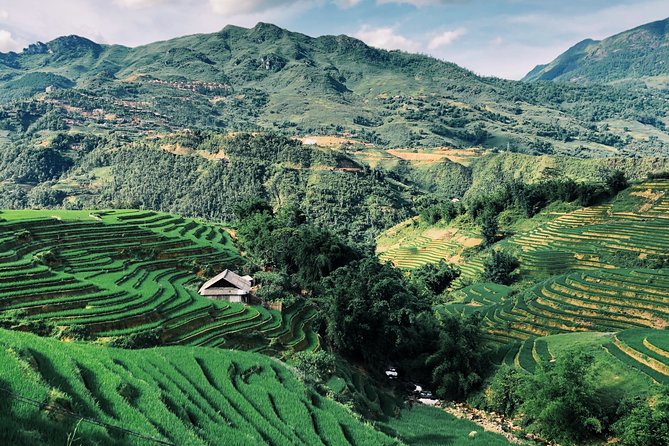
Overnight is in a private room at a local house in Ta Van Village. That’s a big deal for comfort because you’re not sharing sleeping space with strangers if you prefer a bit more privacy. Reviews and operator info point to homestays that are comfortable and well set up for guests, and it’s the kind of setting where you can actually rest.
Dinner is a highlight. You’ll join your host to prepare a traditional meal, usually after collecting ingredients. Even if you don’t become a pro at chopping veggies on your first try, you’ll get the rhythm: the talk, the smells, the little adjustments your host makes so the food tastes right. The meal then feels earned because you took part in it.
You also get bottled water included, which is one less thing to juggle while you’re trekking. Still, I’d bring a small extra snack for yourself. Some days you’ll hike, snack, and then help cook—having a backup bite helps you avoid the late-day “I’m fine… until suddenly I’m not” moment.
The evening indigo dye workshop: make your own natural-dyed fabric
In the evening, you’ll learn an H’mong indigo dyeing tradition using natural indigo. This is the workshop part that many people remember most, because it’s not just watching. You receive fabric and dye it yourself, then you take it home.
There’s a practical reason this works as a cultural activity: you can’t fake it. Dye has a process. You learn what happens when the fabric soaks, how it changes through the steps, and how patience matters. You come away understanding the craft as a technique, not as a magic trick.
If you like souvenirs with a story, this fits. A dyed piece of fabric isn’t generic; it’s personal. Even if you’re not a careful artist, you’re still making something tied to the evening and to the people showing you the method.
Day 2 trek: Giang Ta Chai, Bamboo Forest, and Su Pan
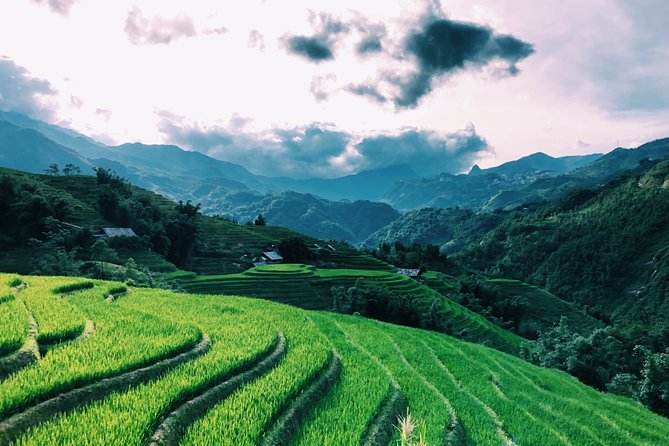
Day 2 begins with breakfast at the homestay, then checkout, and a continued trek through additional villages: Giang Ta Chai Village, the Bamboo Forest, and Su Pan. This day is about variety. You’re not repeating the first day’s same “feel,” and the switch from open terrace views to shaded forest paths can be a welcome change for your legs and your mood.
Giang Ta Chai Village adds another layer of village context. Even when the terrain looks similar, the details differ—how homes relate to the path, where small farms sit, and how people manage the land around them. It’s the kind of walking that teaches you to notice rather than just consume scenery.
The Bamboo Forest stretch can be a breath of calmer air. If you’re sensitive to heat or sun exposure, this section often provides shade, which makes the later part of the day easier. And along the way, you may encounter natural stopping points where photos make sense and your guide can explain what you’re seeing.
The trek ends with transportation waiting to take you back to Sapa Town. That matters because it removes the final logistical worry—once you finish the hike, you don’t also need to plan your exit.
Who’s leading you: English-friendly guides and a small-group pace
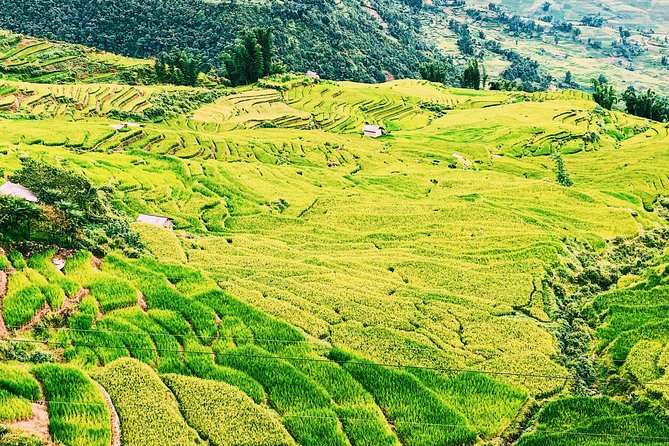
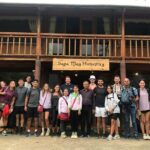
This tour caps at 15 travelers, which keeps it from turning into a cattle-line hike. Smaller groups usually mean less waiting at trail turns, fewer bottlenecks near photo spots, and more time for real conversation with your guide.
Guides like Sue (and also Su in other runs) are repeatedly described as friendly and strong in English. That helps you get more from the trek because you can ask questions and actually understand the answers—especially when your guide explains village life and different tribes in the Sapa region.
The homestay host also plays a big role. You’re not just sleeping there; you’re doing chores, shopping for ingredients, and cooking together. A good host makes the day feel smooth, not awkward. And when communication works, the whole experience feels more like a shared afternoon than a scheduled activity.
Price and value: what you get for $45
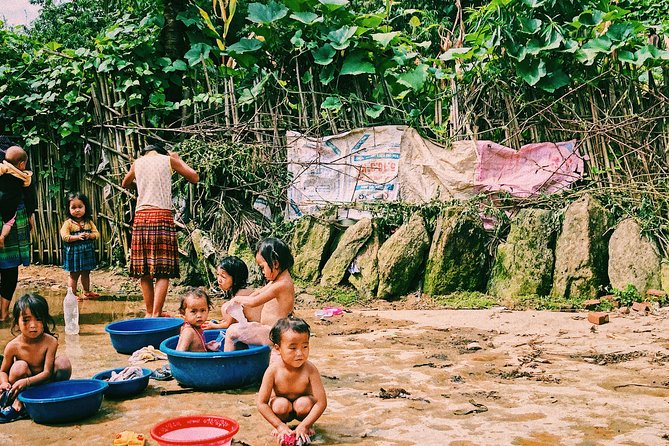
At $45 per person for a two-day trek plus homestay, meals, and return transport, this is strong value—especially if you’re comparing against the cost of hiring a guide and booking a separate overnight stay. The included meals (breakfast, lunch, dinner), bottled water, and private-room overnight reduce the hidden add-ons that often creep into budget trekking trips.
You also get a workshop souvenir: dyed fabric you make yourself. That’s hard to price on its own, but it makes the tour feel more like a cultural experience than a basic walking package.
What’s not included matters too. You’ll want to plan for tips and insurance on your own. And if you’re tempted by extra purchases from sellers along the trek, set a comfortable budget ahead of time so you’re not caught off guard.
Things to consider before you go (the stuff that affects your comfort)
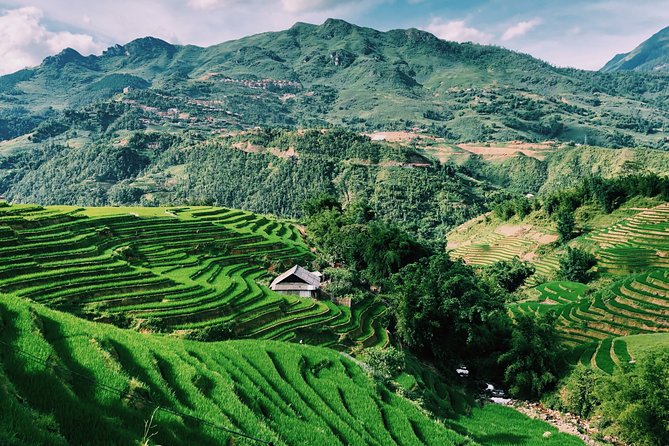
First, weather. This experience requires good weather, and if conditions are poor, you’ll be offered a different date or a full refund. That’s not the tour trying to be difficult; it’s basically the operator being responsible about trail safety and visibility.
Second, bring the right mindset for village trekking. You’ll walk through active communities where people sell items, offer photo moments, and try to connect. If you dislike sales pressure, you might find it annoying on the trail. Keep cash small, stay polite, and remember you can simply pass by.
Third, pack for humidity and uneven ground. The tour includes bottled water, but it won’t prevent you from needing solid footwear. Even if the route isn’t described as extreme, you’re trekking between villages, likely on mixed surfaces. Comfortable hiking shoes beat fashion every time.
Fourth, your schedule is built around hands-on activities. That means time for cooking and dyeing, not just hiking. If you want a strict, clock-by-clock itinerary with lots of free time, this isn’t that type of trip. It’s more like guided days with meaningful work built in.
Who should book this (and who might want a different option)
Book this if you want:
- An overnight experience in Ta Van Village, not just day hiking
- A hands-on cultural activity like natural indigo dyeing
- A realistic chance to cook and share a meal with a local family
- English support from a guide who can explain what you’re seeing
Consider another option if you:
- Hate any sales pressure along trails and can’t handle it with calm boundaries
- Want a lighter, mostly sedentary schedule (this is still a trekking program across two days)
- Need highly specific dietary accommodations (the tour includes set meals, but the data doesn’t spell out customization)
This is best for travelers who enjoy walking, chatting, and making something with their hands more than collecting a pile of photos.
Quick practical notes that make the trip smoother
Pickup is offered, and the tour provides transportation back to Sapa Town at the end. There’s also a mobile ticket, which reduces the fuss of printed paperwork.
The tour confirmation happens at booking time, and the experience is run by SAIGONESE TREKKING HOUSE. The group is small (max 15), so you’ll likely feel less like a passenger and more like part of the day’s rhythm.
If you’re booking close to your travel dates, aim for at least several days ahead—on average, this tour is booked about 5 days in advance. If plans change, free cancellation is available up to 24 hours before the start time.
Should you book the Sapa 2-Day Ta Van trek with indigo dye?
Yes, if you want a real village night plus a skill-based cultural experience. For the price, you’re getting trekking through key areas, a private homestay room, home-cooked dinner, and a natural indigo workshop where you make the souvenir. That combination is hard to beat for value.
I’d also read the tour for what it truly is: not a luxury resort stay, not a fast photo circuit, and not a silent hike. It’s a guided, hands-on cultural trek. If you like that style, you’ll likely feel satisfied at the end of Day 2—tired in the good way, with something dyed by your own hands.
FAQ
How long is the Sapa 2-day trek and homestay in Ta Van Village?
The experience lasts 2 days (approx.).
What’s included in the price?
Breakfast, lunch, dinner with a local family, an overnight stay in a private room at Giay’s Local House, transportation back to Sapa Town, and bottled water are included.
What activities are part of the experience besides trekking?
You’ll have time to connect with local life through activities like picking vegetables and/or shopping at the village market, cooking a traditional meal with your host, and participating in an H’mong indigo dyeing workshop.
What villages and areas do you trek through?
You’ll walk through Y Linh Ho, Lao Chai, Ta Van, Giang Ta Chai Village, the Bamboo Forest, and Su Pan.
Do you get a souvenir from the indigo dyeing workshop?
Yes. You’ll receive fabric to dye yourself, which you can take home.
Is pickup included?
Yes, pickup is offered.
How many people are in the group?
The tour has a maximum of 15 travelers.
Is free cancellation available?
Yes. You can cancel up to 24 hours in advance for a full refund.
What isn’t included?
Tips and insurance are not included.