REVIEW · KATHMANDU
Langtang Valley Trek – 11 DAYS
Book on Viator →Operated by Alpine Club of Himalaya · Bookable on Viator
A trek that rewards you without a huge altitude grind. The Langtang Valley route mixes pine and rhododendron forests, Tamang villages with Tibetan Buddhist roots, and glacier views around Kyanjin Gompa (3860m). I like that the trip is built for a comfortable pace with a key acclimatization day, and I like how the guiding looks organized and human, with real attention to communication from the company leadership and guides like Nima, Pemba, and Njima. One thing to consider: you still hike at altitude, and the climb to Tsergo Ri (4984m) is a tough few hours, so you’ll want decent fitness.
You’ll also get a proper Kathmandu warm-up before trekking—Durbar Square, Boudhanath, Swayambhunath, and Pashupatinath—so the valley scenery doesn’t hit you out of nowhere. After that, the days get more physical, but they stay doable because the route has gradual sections and a couple of “earn the view” climbs. If you’re hoping for a fully cushy, light-walk itinerary, this is not that kind of trek.
In This Review
- Key highlights worth paying attention to
- Trek style and what makes Langtang Valley special
- Kathmandu start: getting oriented with real places, not just sightseeing
- Drive to Syabrubesi: your first taste of the valley corridor
- The forest climb toward Ghora Tabela, then into the glacial valley
- Yaks, chortens, and the morning you finally see Kyanjin Gompa
- Tsergo Ri: the tough five-hour climb that earns the panorama
- The return: Lama Hotel to Syabrubesi without losing the thread
- Kathmandu again: farewell dinner, photos, and your last Nepal choices
- What you get for $1,399, and where the real value shows up
- You’re covered on core logistics
- You’re also covered on trail operating costs
- Gear support is part of the deal
- What’s not included (so you plan your budget)
- Gear and comfort: lodge life, showers, and what to expect
- Who this trek fits best (and who should choose another)
- The people factor: guidance, communication, and a smooth experience
- Should you book this Langtang Valley Trek?
- FAQ
- How long is the Langtang Valley Trek?
- Where does the trek start and end?
- What’s included in the Kathmandu portion?
- What’s included during the trek days?
- Are trekking permits included?
- Do I get trekking gear?
- Is Tsergo Ri part of the itinerary, and how hard is it?
- What is the cancellation policy?
Key highlights worth paying attention to
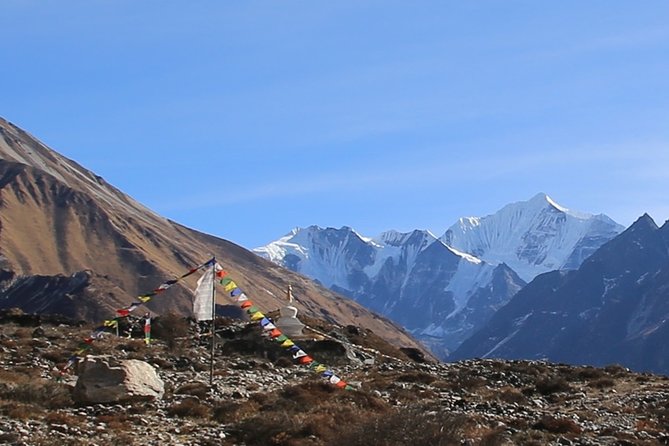
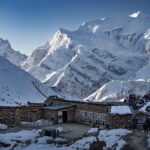
- Kyanjin Gompa at 3860m with icefall drama from Langtang Lirung and Kimshung nearby
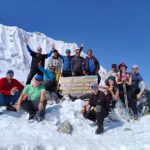
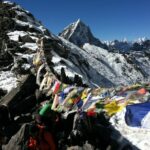
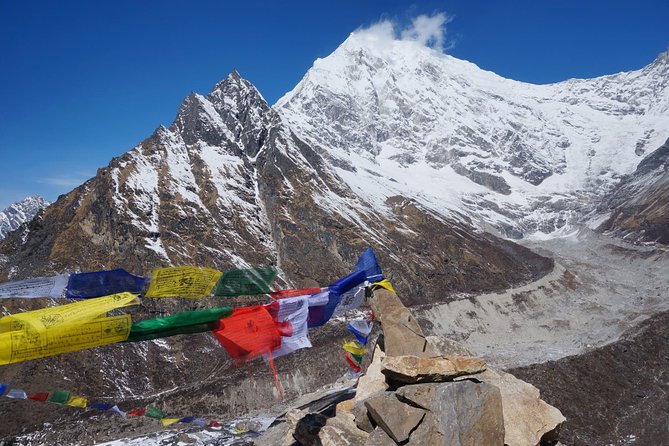
- Tsergo Ri (4984m): conical viewpoint plus prayer flags for high-panorama payoff
- Tamang culture through villages where Tibetan Buddhism shows up in everyday life
- Guides and management that stay on top of things, with Alpine Club leadership (Sujan) noted for responsiveness
- Comfort where it counts: lodges for 7 nights and provided trekking gear like a down jacket and sleeping bag
Trek style and what makes Langtang Valley special
Langtang Valley is a sweet spot for trekkers who want mountain scenery and culture without the extreme altitude of Nepal’s highest routes. This itinerary is designed around that idea: it’s short enough to feel manageable, but it still takes you far enough to reach Kyanjin Gompa and push up to Tsergo Ri for a true high-altitude viewpoint.
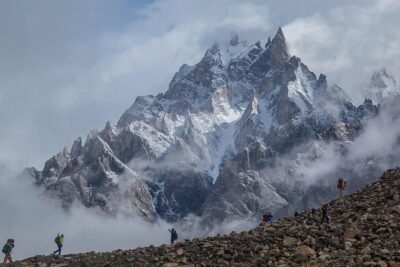
What you’re really buying is the combination. Yes, you’ll see big peaks like Langtang Lirung (7246m), plus views toward Gang Chhenpo (6388m) and Naya Kangri (5846m). But the daily rhythm also matters: forests along the Langtang Khola, passes with prayer flags, village gompas, and glacier/icefall scenes that make the effort feel legitimate.
And there’s a practical angle: the trek is framed as “short and easy,” but the day to Tsergo Ri is still described as a tough climb. Translation for you: most of the trekking days are approachable if you can walk uphill for a few hours. The itinerary asks for real effort on one main summit-style push, and the rest is steady hiking with breaks for food and small explorations.
Finally, this region is historically important too. The area was designated Nepal’s first Himalayan National Park in 1971, so you’re hiking through protected scenery rather than a random “somewhere in the mountains” route.
You can also read our reviews of more tours and experiences in Kathmandu.
Kathmandu start: getting oriented with real places, not just sightseeing
Your trek doesn’t begin on the trail. It begins in Kathmandu on Day 1 and Day 2, and that’s smart. You land, check into a 3 hotel, then get a half-day guided tour the next morning. You’ll see:
- Kathmandu Durbar Square for Newari architecture
- Boudhanath Stupa and Swayambhunath Stupa with pilgrims moving through the area
- Pashupatinath Temple on the Bagmati River
This matters because it tunes your brain for the journey ahead. Langtang is full of Tibetan Buddhist influence, and Kathmandu is where you’ll notice the cultural threads—prayer, pilgrimage, and monastery culture—before you ever reach a gompa in the valley.
On the first full day in town, you’ll also have time for last-minute shopping. Nepal souvenirs are easiest to grab early, before your trek logistics tighten and your feet start doing most of the work.
The tour also includes a welcome dinner. That’s a small touch, but it helps you meet the guide and settle your expectations while you’re still in “city energy.”
Drive to Syabrubesi: your first taste of the valley corridor
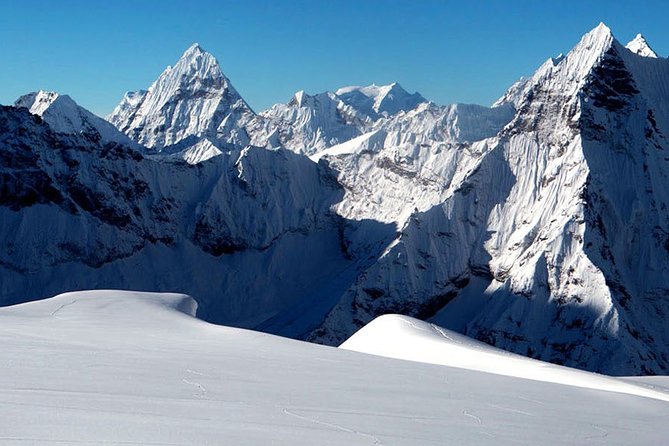
On Day 3, you leave Kathmandu by private jeep and head about 132km to Syabrubesi. This drive is more than transport. It’s your first look at the corridor you’ll hike through, and it breaks up the jump from city altitude and traffic to mountain trail life.
By Day 4, you start hiking north from Syabrubesi. The trail immediately gets interesting with crossing and climbing sequences—this is the kind of start that keeps you alert and breaks the day into small segments instead of one long slog.
What stands out on Day 4 is the mix of infrastructure and nature:
- You pass a police post early
- You cross a suspension bridge over the Bhote Koshi
- You then enter old Syabrubesi, with a monastery in a small stone building at the far end of the village
After that, you’ll move onto stone paths and more crossings. You cross:
- A bridge over Langtang Khola
- A log bridge for a walk through trees and near side streams
- Another suspension bridge that leads toward the waterfall of Doman
If you like trekking days that feel varied—more “trail theater” than just going straight uphill—this start delivers.
The forest climb toward Ghora Tabela, then into the glacial valley
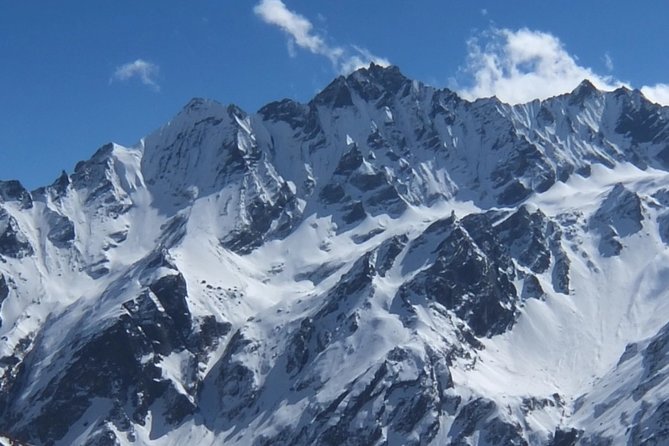
Day 5 is where the trek starts to feel like classic Langtang. The itinerary moves from village edges into a more structured climb through vegetation and into open valley views.
Early on, you climb through a steep forest with hemlocks, oaks, maples, and white and pink rhododendrons. That mix matters. It means you’re not only walking; you’re walking through changing ecology as you gain height.
Then you reach a pass area marked with prayer flags and arrive at Ghora Tabela, which is described as a Nepal Army and National Park post. This is one of those waypoints that keeps you grounded: you’re in a regulated, cared-for trekking region, not just a casual path.
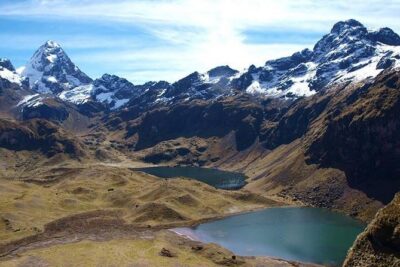
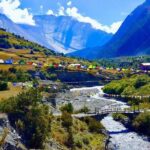
After Ghora Tabela, the terrain shifts. The valley opens into a classic U-shaped glacial valley, and the hiking becomes more readable—still uphill, but with longer stretches where you can settle into rhythm.
You’ll also pass:
- a helipad
- yak pastures
- and more rhododendron forest as you climb toward Thangshyap
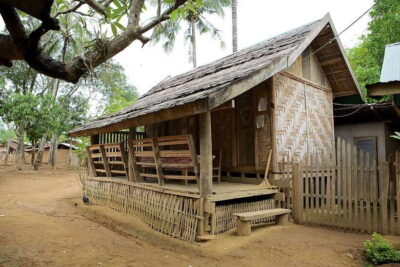
Later in the day, you keep moving diagonally above fields and reach Ghumba village, which has a nice gompa to visit. The day ends with more walking past streams and water-driven mills, which are exactly the sort of “small real life” details that make the trek feel lived-in.
Practical note for you: Day 5 sounds scenic and it is, but it also includes a pass and steep segments. Bring a steady pace and don’t treat it like a casual walk.
Yaks, chortens, and the morning you finally see Kyanjin Gompa
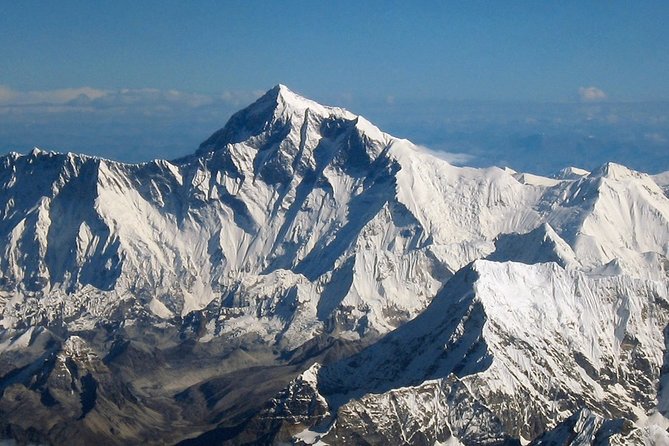
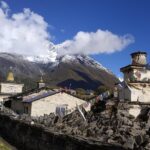
Day 6 is the big arrival day toward Kyanjin Gompa. The route winds through villages, climbs past a ridge topped by a large chorten, and then continues gradually—past mani walls and through streams.
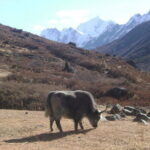
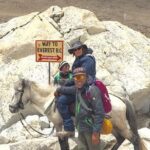
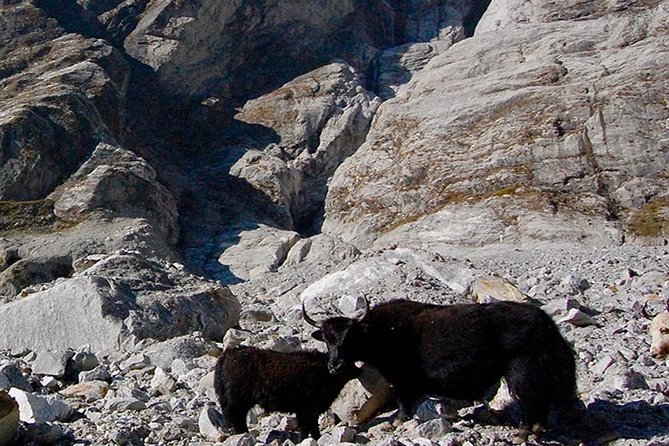
You’ll move through Mundu, then join the rushing river. The itinerary specifically mentions a yak wool shop and later yak pastures of Yamphu. If you’ve never seen how herding economy shows up right on the trail, this is your chance. It’s not staged. It’s just part of how people live here.
Then comes the payoff. As you climb toward a viewpoint, you finally get a clear sight of:
- the monastery of Kyanjin Gompa
- dramatic icefall flowing from the peaks of Langtang Lirung and Kimshung
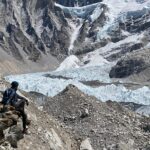
This is why the trek is worth doing even if you’re only chasing a short high-mountain arc. You don’t just get “views.” You get glacier dynamics in the background.
And importantly, the itinerary builds in time to acclimatize and explore before reaching Kyanjin Gompa itself. You’ll have time around Nyingmapa school monastery before settling in for the night.
For your planning: give yourself permission to move slower here. Acclimatization days aren’t a “bonus.” They’re the difference between feeling okay on the hard day later and struggling.
Tsergo Ri: the tough five-hour climb that earns the panorama
Day 7 is the headline. The hike from Kyanjin Gompa up to Tsergo Ri (4984m) is described as a tough five-hour climb, and the route details explain why: it’s not just straight up. It includes branching, side-valley climbing, and steep switchbacks.
The path goes:
- east toward Langshisha Kharka
- cross a stream
- branch left by cairn up the side valley
- climb steep switchbacks
- pass stone huts of herders at Yala Kharka
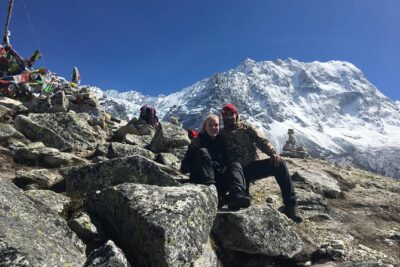
- then reach prayer flags at the viewpoint
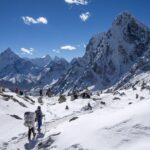
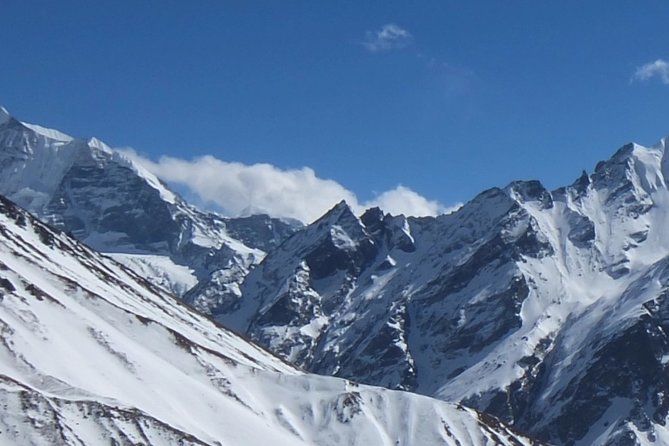
The reason to do it is simple: you’re aiming for “best day-of-the-trek” views of multiple peaks—Langtang Lirung to the north, Gang Chhenpo and Naya Kangri to the south, and Dorje Lakpa in the east near the Tibetan border.
Could weather spoil your chance? It can. But when skies are clear, this viewpoint is the kind of wide, cold-air panorama that makes the whole valley feel huge.
Tip for you: treat Tsergo Ri as a controlled climb. Keep your breathing steady, take short pauses, and don’t race. The objective is the top, not a personal best time.
Afterward, you return to Kyanjin Gompa for the night. You’re not asked to keep pushing. That matters for recovery.
The return: Lama Hotel to Syabrubesi without losing the thread
Day 8 brings the descent back to Lama Hotel. Retracing footsteps is often boring on other treks. Here it works because you’re moving through the same river corridor and village sequence, so you’ll notice different details on the way down: the way light hits monastery walls, the way clouds sit lower over the valley, and how quickly the trail character changes from ridge views back to forest segments.
Day 9 continues the return to Syabrubesi, again retracing the way you came earlier. This is where your feet get honest. The itinerary still keeps things straightforward: walk, eat, sleep. No extra surprise climb is described.
One small strategy: use the return days to slow down with your senses. The trail includes bridge crossings, streams, and settlement life. If you only focus on distance, the return can feel like “getting it over with.” If you focus on moments, it stays enjoyable.
Kathmandu again: farewell dinner, photos, and your last Nepal choices
Day 10 is a drive back to Kathmandu. It’s labeled leisure time, and that’s exactly what you want after days of hiking. You’ll have time for gifts and souvenirs, and it’s also a chance to reset—wash clothes if you need to, eat something easy, and sort through photos while details are still fresh.
That evening, there’s a farewell with a review of photos and shared trip experiences, plus a farewell dinner. This kind of group ritual sounds small, but it’s a real morale builder, especially after a trek with real physical effort.
Day 11 is simple: you’re dropped to the airport for your onward flight. If you want to extend your Nepal time, the program says you can ask for optional add-ons such as rafting, mountain biking, game drives, or even tours to Tibet, India, or Bhutan (depending on what’s running).
What you get for $1,399, and where the real value shows up
At $1,399 per person for an 11-day trek package, the value isn’t just the route. It’s what’s wrapped into the pricing that often makes or breaks a trek:
You’re covered on core logistics
- Private airport/hotel pickup and drop by car/van
- 3 nights in Kathmandu in a 3 hotel with breakfast
- 7 nights in lodge/guest houses during the trek
- A trekking guide and a porter, with the porter system noted as 2 trekkers = 1 porter
- Kathmandu to Syabrubesi and back by private jeep
You’re also covered on trail operating costs
- TIMS and Langtang National Park permit
- Guide and porter salary, food, lodging, and insurance
- Meals on trek days: breakfast, lunch, dinner, plus tea/coffee
Gear support is part of the deal
You’ll be issued a down jacket and sleeping bag, and you return them after the trek.
That gear point is huge if you’re traveling light or don’t want to buy cold-weather equipment. It also reduces the chance you’ll arrive underprepared.
What’s not included (so you plan your budget)
You’ll still pay for:
- Nepal entry visa fees
- International airfare and departure tax
- Tips for local staff, guides, and porters
- Lunch in Kathmandu and entrance fees in Kathmandu
- Personal expenses, bar bills, desserts, and things like mineral water
- Hot shower/hot water and Wi-Fi (not included)
My advice: treat “not included” items as your budgeting checklist, not as surprises later.
Gear and comfort: lodge life, showers, and what to expect
The itinerary specifies lodge/guest house stays for 7 nights. That usually means simple rooms and basic comforts. The package also does not include hot shower/hot water, Wi-Fi, or mineral water.
So for you, comfort comes from preparation:
- pack a towel if you’re picky
- plan for basic washing instead of expecting daily hot showers
- bring your own water strategy, since mineral water isn’t part of the included list
On the plus side, you’ll have meals organized and a guide managing the schedule, which matters when weather or trail conditions shift.
Who this trek fits best (and who should choose another)
This trip is described as most travelers can participate, and it’s recommended for all. But the reality is: you’ll still hike multiple days with altitude and a tough climb to Tsergo Ri.
So it fits you best if:
- you’re comfortable walking uphill several hours a day
- you want a mountain trek that’s intense for a few hours, not intense for every day
- you care about culture and not only summit views
It may not fit you as well if:
- you want a totally flat, easy nature walk
- you’re extremely altitude-sensitive and want to avoid higher elevations entirely
The key is pacing. Day 7 is your biggest ask; everything else is built to get you to that moment with energy.
The people factor: guidance, communication, and a smooth experience
One of the strongest themes tied to this trip is how well it’s managed. You’ll see names like Sujan (noted for devoted management and good communication) and guide names like Nima, plus Pemba and Njima described as fun and easy to be with.
That’s not fluff. On a trek, good communication means:
- you know what’s coming next
- you’re not stuck guessing about pace
- and small issues get solved early
This type of guiding is especially valuable on routes that include multiple bridge crossings, passes, and one major viewpoint day.
So if you’re choosing between multiple trekking companies, I’d treat communication style and guide personality as part of the “trail difficulty.” A smooth operation makes the mountain feel kinder.
Should you book this Langtang Valley Trek?
I’d book it if you want a short, rewarding Himalayan trek that mixes big views with real village life. This route gives you Kyanjin Gompa’s glacier drama and a serious viewpoint day at Tsergo Ri, without turning the whole trip into a high-altitude endurance contest. It’s also a good pick if you like your trekking with structure—permits handled, meals managed, and gear support included.
Don’t book it if you need hot showers, Wi-Fi, and fully gentle hiking every day. And don’t ignore the Tsergo Ri climb. Plan your fitness around that day, and you’ll likely feel proud of what you accomplished.
If you’re ready for a real trail with cultural stops and a fair amount of altitude, this is a smart way to spend 11 days in Nepal.
FAQ
How long is the Langtang Valley Trek?
It’s listed as 11 days (approx.).
Where does the trek start and end?
You start in Kathmandu and travel to Syabrubesi to begin the trek. The itinerary returns to Syabrubesi and then drives back to Kathmandu, where you’re dropped to the airport for your onward flight.
What’s included in the Kathmandu portion?
You get 3 nights in Kathmandu in a 3* hotel with breakfast, plus a half-day guided tour of Kathmandu Valley and welcome and farewell meals.
What’s included during the trek days?
Breakfast, lunch, dinner, and tea/coffee during the trek are included.
Are trekking permits included?
Yes. The National Park permit and TIMS for Langtang are included.
Do I get trekking gear?
Yes. You’ll be provided a down jacket and sleeping bag that you return after the trek.
Is Tsergo Ri part of the itinerary, and how hard is it?
Yes. There’s a tough five-hour climb from Kyanjin Gompa to Tsergo Ri (4984m).
What is the cancellation policy?
Free cancellation is available. You can cancel up to 24 hours in advance for a full refund. If you cancel less than 24 hours before, the amount paid isn’t refunded.