REVIEW · KATHMANDU
Everest Gokyo Valley Trek – 12 days
Book on Viator →Operated by Trekking Planner Nepal · Bookable on Viator
One of the best ways to see Everest up close is from Gokyo. This trek links emerald lakes with the rare, high-altitude viewpoint of Gokyo Ri, plus Cho-Oyu’s towering presence all along the route. I like how it mixes big mountain drama with small, human-scale moments like bridges hung with prayer flags and Sherpa villages you actually walk through. One caution: lunches and dinners during the trek aren’t included, so you’ll budget extra each day once you’re away from Kathmandu.
Here’s what I really liked. I love the practical support: an English-speaking guide, and a porter for every two guests, both covered with salary, food, accommodation, and insurance. I also like the way the itinerary builds altitude sense—Namche gets a proper acclimatization day before you push higher. The only drawback I’d flag is that the trek assumes you can handle cold, steep walking, and long days at thinning air, even if most stages are designed to be steady rather than punishing.
In This Review
- Key Highlights You’ll Feel on the Trail
- Why the Everest Gokyo Valley Trek Feels Different
- Kathmandu to Lukla: the Short Flight That Changes Everything
- Phakding and Namche: River Crossings and Altitude Smarts
- Phortse: Switchbacks, Chortens, and the Khumbu Spirit
- Rhododendron to Machhermo: When Cho-Oyu Starts Calling
- Gokyo and the Ngozumpa Moraine: The Day You Remember
- Gokyo Ri Sunrise and the Lakes Afternoon
- The Return Route: Dole, Namche, and Lukla Again
- What You Get for $1,399 and Where Costs Can Surprise You
- Lukla Flight Reality: How to Keep Your Trip From Stressing You Out
- Who Should Book This Trek
- Should You Book This Everest Gokyo Valley Trek?
- FAQ
- Is airport pickup included?
- Does the price include the Lukla flights?
- What about park fees and TIMS?
- How many days is the trek?
- What meals are included during the trek?
- What kind of fitness level is required?
- Is it a private tour?
Key Highlights You’ll Feel on the Trail
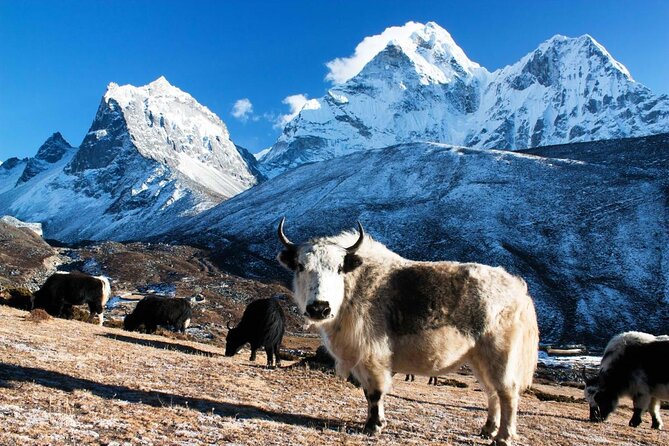
- Gokyo Ri sunrise at 5,463m: wide views of Everest, Lhotse, Cho-Oyu, and the glacier-studded valley.
- The Ngozumpa glacier moraine climb: you go from forests and summer herders’ villages into a harsher, ice-and-rock world.
- Namche acclimatization with an early hike: before clouds roll in, you get a sharp sunrise window over Ama Dablam and more.
- Crossing the Dudh Koshi on suspension bridges: prayer-flag bridges make the river crossings feel like part of the culture, not just a workout.
- Porter support built in: for two guests, you get one porter with insurance and equipment support.
- Lukla flight flexibility matters: the Lukla schedule can wobble in bad weather, and the team has handled diversions calmly in the past.
Why the Everest Gokyo Valley Trek Feels Different
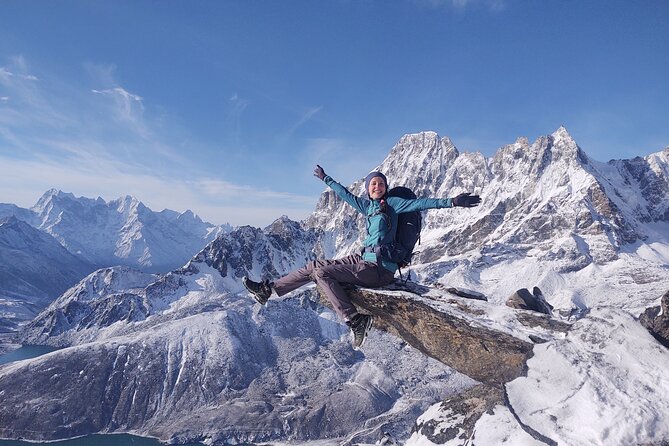
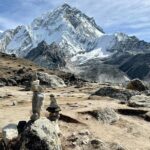
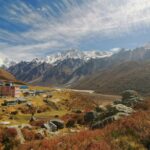
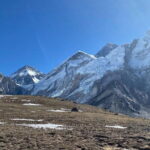
If your mental picture of Everest country is all about Base Camp, Gokyo gives you a different angle on the same giants. You’re still in the Everest region, but the emotional payoff comes from high lakes—bright, calm water sitting under enormous peaks—and from glacier scenery that looks almost otherworldly when you first step onto the moraine.
You’ll also get plenty of cultural details without needing a detour. Along the route you’ll see prayer wheels, colorful flags, Mani stones, and the constant hum of village life at different altitudes. And because this is a private tour, it’s easier to keep your pace, ask questions, and get the most out of those small stops that are easy to miss on faster group treks.
You can also read our reviews of more tours and experiences in Kathmandu.
Kathmandu to Lukla: the Short Flight That Changes Everything
Your trip starts early in Kathmandu, with a scheduled start time of 6:15 am at Tribhuvan Airport. From there it’s a quick, scenic flight to Lukla (about 35 minutes). That flight matters more than you might think. You go from city air and roads to terraced hills and mountain basins fast, and the views from the plane set the tone: this is real high-country walking.
The logistics here are tidy. Round-trip Kathmandu-to-Lukla flights are included, and the departure tax is included as well. A private airport pickup by vehicle is also included, so you’re not scrambling for transport on either end.
What to plan for: Lukla weather can shift. Even on a well-run itinerary, you may have to accept a delay or a reroute. The best mindset is flexibility, not stubbornness.
Phakding and Namche: River Crossings and Altitude Smarts
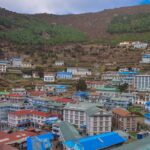
Day 1 is the transition day from Lukla to Phakding. The walk is about 3 hours with some ups and downs along the Dudh Koshi River. Most of the walking time is close enough to the river that you can steady your pace and settle into the rhythm of tea-house trekking. You sleep in Phakding after that first stretch, giving your body time to wake up to altitude.
Then on Day 2 you’re heading toward Namche Bazaar (about 6 hours). This is where the route starts feeling like a classic Everest walk. You cross the Dudh Koshi on suspension bridges decorated with prayer flags, and you’ll cross more than once. It’s a simple thing, but it turns the river into a story element rather than just terrain.
You also enter Sagarmartha National Park during this stage. From a practical point of view, that’s good: park fees and the TIMS card are included, so you’re not dealing with paperwork mid-trip.
Namche is also where the smart altitude choices happen. On Day 3 you get a rest and acclimatization day, plus an early hike above town timed before clouds move in. That’s when views of Everest, Lhotse, and Ama Dablam are most likely to show well.
You can also visit the Sherpa Museum in Namche, which adds context to what you’re seeing. It’s not required to enjoy the trek, but it helps you understand the people who make this region work year after year.
Phortse: Switchbacks, Chortens, and the Khumbu Spirit
Day 4 takes you toward Phortse (about 4 hours). This part of the trail has more character than raw elevation. You climb Khumjung hill, then descend through a broad valley leading from the Dudh Koshi area before the route turns north. Along the way you’ll see a chorten at 3,973m on a ridge top, with a descent toward Dush Koshi.
There’s also a cultural stop built into the plan: Mohang, described as the birthplace of the re-incarnate Lama of Rongbuk monastery of Tibet, connected to Buddhism’s introduction in the Khumbu region. It’s the sort of place you might not notice if you’re only staring at mountains, so having a guide who can point it out is a real value add.
This day ends with tea-house accommodation in Phortse. The payoff is that you’re not just “passing through.” You’re meeting the trail at a steadier pace, which helps you enjoy the day rather than rush it.
Rhododendron to Machhermo: When Cho-Oyu Starts Calling
Days 5 and 6 are where the trek shifts toward Gokyo Lakes territory. On Day 5 you climb steeply out of the valley through rhododendron forests. The trail also passes summer settlements—Kharkas used by Sherpas as herding camps for yaks. You’ll pass places like Tongba (3,950m) and Gyele (3,960m), which gives you a sense of how seasonal life shapes this landscape.
You end Day 5 at the tea house near the route that leads onward to the lake area. On Day 6 you reach Machhermo (4,410m). This stage is a steady climb along the valley side as rhododendron forest gradually gives way to more scrub and juniper. The altitude is rising, but the day is described as shorter, which matters because your body is learning a higher baseline.
The big draw on this day is the view angle: you get excellent views of Cho Oyu, while looking back toward Kantiaga and Thamsherku. Even if clouds come and go, Machhermo tends to put you in the right place to catch the peaks.
Gokyo and the Ngozumpa Moraine: The Day You Remember
Day 7 is a key summit-feeling day without requiring technical climbing. You go beyond Machhermo, climb to a ridge for a strong view down the valley and up toward Cho-Oyu, then move through areas like Pangram (4,390m). After that, the trail goes down to a river bank before you start working upward.
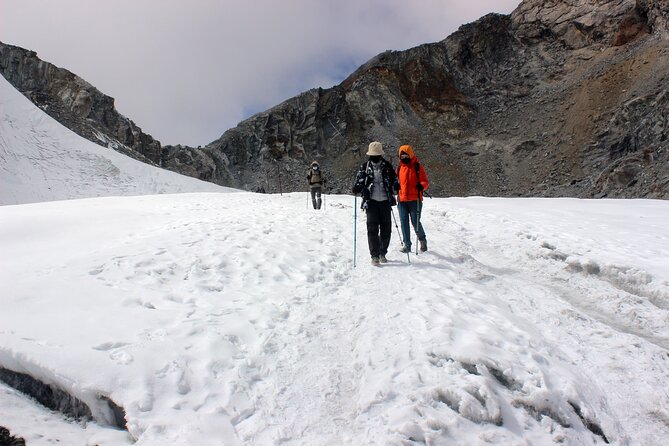
This is where the Ngozumpa glacier comes in. The plan describes a steep climb on the glacier’s terminal moraine. Moraines are basically the glacier’s messy leftovers—rocks, rubble, and uneven footing. That means your pace will slow, and you’ll want good boots and trekking poles. You’re not fighting ice with crampons, but you are negotiating rough ground at altitude.
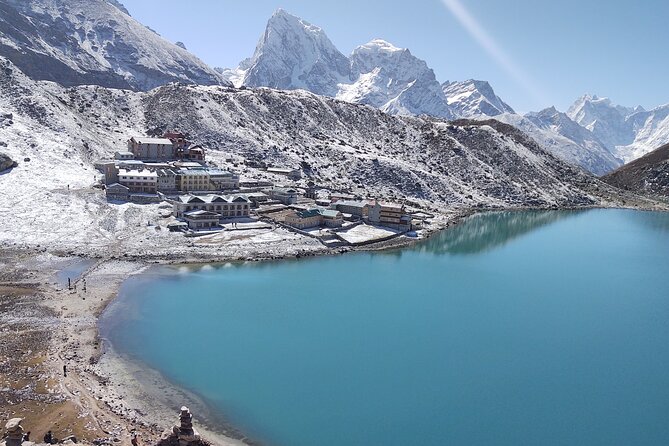
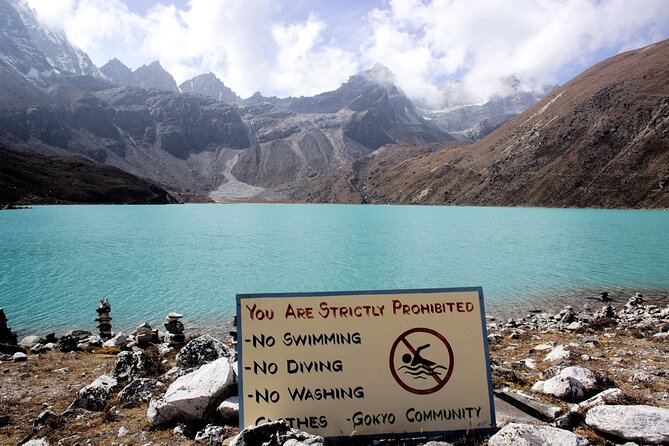
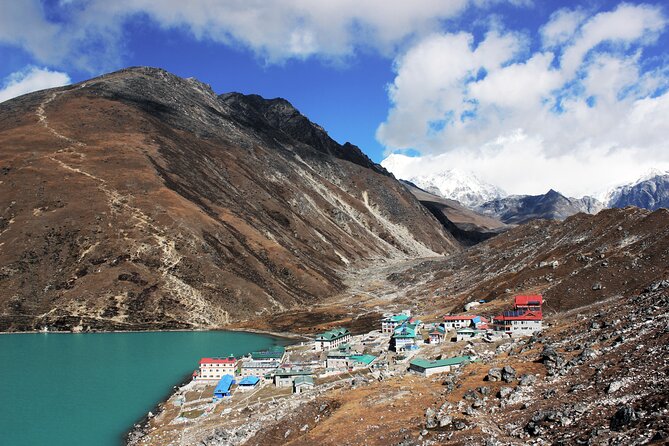
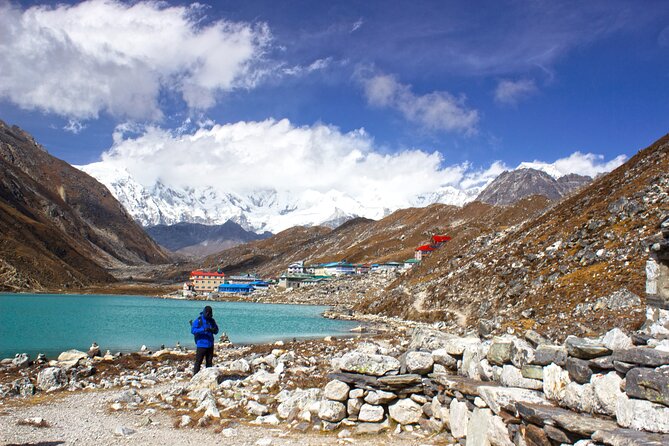
After the moraine climb, the trail levels out through the valley past Longponga Lake (4,690m). Then it’s a boulder-strewn path up to Gokyo (4,750m), at the edge of the third lake.
Gokyo itself is a small settlement with a handful of lodges (described as about 6–8). That matters because it keeps things human-sized. You’re not in a big town here; you’re in a working mountain village.
Gokyo Ri Sunrise and the Lakes Afternoon
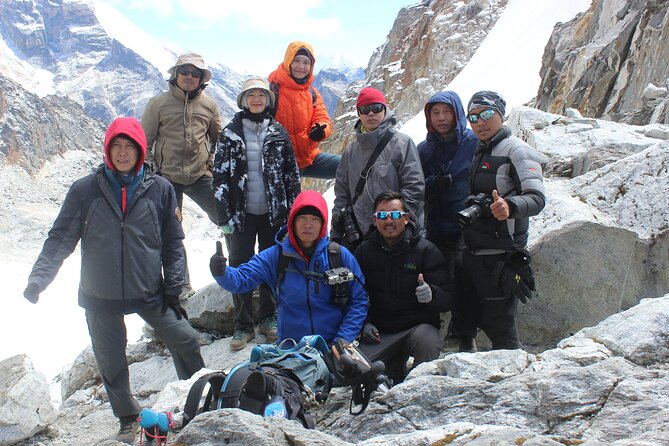
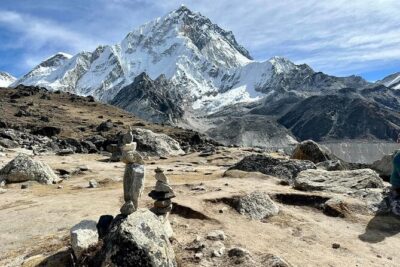
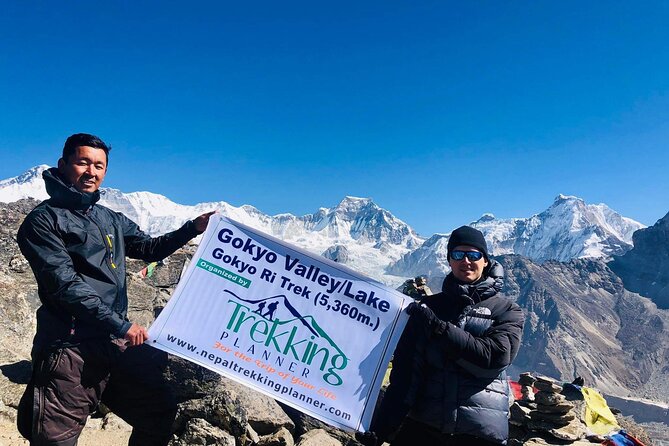
On Day 8 you go for sunrise at Gokyo Ri (5,463m). You leave early with your guide so you can catch clear light before weather shifts. From the viewpoint, the plan highlights full parts of Mount Everest and Cho-yu, plus lake views in the valley and the Na-Jumpa glacier.
Then you return for breakfast. Later, you head out for lake time again, with a plan to explore up to the fifth lake, passing a fourth lake on the way. This is one of the best ways to spend a day at Gokyo: the early push gives you the big picture, then the afternoon gives you the “slow looking” payoff.
If you’re the type who likes photos, this day is built for it. If you’re more into just feeling the place, it’s still perfect: you get both the viewpoint and the walk between water and rock.
The Return Route: Dole, Namche, and Lukla Again
Day 9 retraces part of the route back toward Dole via Machhermo (about 6 hours). Retracing is not as glamorous as the outward journey, but it’s useful. Your body can relax a bit after Gokyo Ri, and you’ll notice details you missed earlier, like the way vegetation changes with altitude.
Day 10 pushes you back toward Namche Bazaar with a different rhythm. After breakfast you descend toward Phortse Tanga, then ascend to Mongla Dada before slowly working back down to Namche. This kind of day is great for steady walkers: you keep moving, you don’t need to sprint, and the payoff is reaching the familiar comfort of Namche’s tea-house options.
Day 11 brings the final walking leg to Lukla (about 6 hours). With both up and down sections, it’s a “last miles” day. The good news is you’re already mentally trained by now: altitude isn’t new, and the rhythm of tea-house trekking is established.
Day 12 is the easy finish—an early morning guide helps you get to the airport for your flight back to Kathmandu, followed by transfer to your hotel.
What You Get for $1,399 and Where Costs Can Surprise You
At $1,399 per person, this is priced around a full package for the Everest region: flights, key fees, and on-trail support.
Here’s what’s included that you shouldn’t overlook:
- Kathmandu to Lukla and back flights, including airport departure tax
- National park entrance fee and TIMS card
- A highly experienced English-speaking guide (with salary, food, accommodation, and insurance)
- Porter support: for two guests, one porter is included, also with insurance, salary, food, accommodation, and equipment
- Twin/double sharing accommodation in the mountains
- Breakfast is included for 11 mornings
- Private vehicle pickup/drop in Kathmandu
What you should plan to pay for separately:
- International flights to and from Nepal and your Nepal visa
- Lunch and dinner during the trek (and all meals and lodging in Kathmandu)
- Personal and health insurance, including helicopter-evacuation coverage
- Tips for the trekking crew and driver
So is it good value? For me, yes if you’re the kind of traveler who wants the logistics handled and you’d rather spend effort on walking and seeing peaks than negotiating details. The included porter structure is especially important. It can make the difference between finishing tired-but-ok versus finishing drained.
Lukla Flight Reality: How to Keep Your Trip From Stressing You Out
Even with a well-planned itinerary, Lukla flights can change due to weather. This trek is designed around the reality that you might not always fly exactly when you expect.
From the operator’s past trip experiences shared in feedback, they’ve managed reroutes calmly, including handling diversions connected to Lukla flight conditions. In tough situations, they’ve even arranged helicopter transport when needed.
Your practical take-away is simple: don’t build the rest of Nepal—or your life—around Lukla leaving on a precise minute. If you have a firm return flight on day 12, consider building in some buffer after you land in Kathmandu.
Who Should Book This Trek
This itinerary is a strong fit if:
- You have moderate physical fitness
- You want a private experience with an English-speaking guide
- You want one of the best views of Everest country that comes through Gokyo Lakes and Gokyo Ri, not only from viewpoints tied to Base Camp
It’s worth thinking twice if:
- You’re very new to altitude and prefer a gentler, lower-elevation plan (this trek climbs well above 5,000m at Gokyo Ri)
- You don’t like cold mornings and early starts
- You’re trying to minimize out-of-pocket spending for trekking meals (since lunches and dinners aren’t included)
Also, because this is a private tour, you’re not sharing the trail with a massive crowd from this specific group. Still, the Everest region attracts trekkers, so tea-house demand and weather can affect your rhythm.
Should You Book This Everest Gokyo Valley Trek?
If your dream is to see Everest and Cho-Oyu from high viewpoints, then come down to lakes and glacier terrain, this tour makes a lot of sense. I like that it combines scenery with real pacing choices: Namche for acclimatization, Gokyo for the payoff, then a controlled return.
Book it if you want guided support and built-in porter help, and you’re comfortable paying for trekking lunches/dinners and bringing the right insurance. Don’t book it if you need a plan with zero schedule risk from Lukla weather, or if altitude at 5,463m sounds like too much.
If you do book, ask your guide ahead of time about your expected walking pace and your gear for the moraine day. That’s when preparation makes the trip feel smooth.
FAQ
Is airport pickup included?
Yes. You get airport pick up and drop in Kathmandu by private vehicle.
Does the price include the Lukla flights?
Yes. Kathmandu to Lukla to Kathmandu flights are included, along with airport departure tax.
What about park fees and TIMS?
Those are included: Sagarmartha National Park entrance fee and the Trekkers’ Information Management System (TIMS card).
How many days is the trek?
The tour runs for about 12 days.
What meals are included during the trek?
The package includes breakfast (11 breakfasts). Lunch and dinner during the trek are not included.
What kind of fitness level is required?
The trek is listed for travelers with moderate physical fitness.
Is it a private tour?
Yes. It’s private, meaning only your group participates.