REVIEW · SA PA
Sapa: 2-Day Local Guided Valley Trek with Night Homestay
Book on GetYourGuide →Operated by Sa pa Rice Terraces View Homestay & Bar · Bookable on GetYourGuide
Two days can change how you see Sa Pa. This trek with Zo, a Black H’mông guide from town, blends mountain views with real village life and a night in a local home. I like that it feels like a walk with people, not a sightseeing script.
What I love most is the mix of big views and close-up culture: Ham Rong Mountain, terraced rice around Muong Hoa, and time in Black H’mông villages like Hang Da and Hau Thao. You also get room to slow down, ask questions, and notice details you’d miss alone.
The main drawback is the effort. It’s a moderate trek (about 19 km total) with steep, uneven paths, plus basic homestay comfort that’s cozy, not luxurious. If you’re not steady on your feet, or you’re over 70, this is probably not your move.
In This Review
- Key things you’ll remember
- Why this Sa Pa trek feels local from the first step
- Getting started: pickup, Ham Rong Mountain, and Muong Hoa Valley views
- Hang Da and Hau Thao: Black H’mông village life you can actually watch
- Giang Ta Chai Mong homestay: dinner, conversation, and basic comfort
- Day 2: Giang Ta Chai Dao, bamboo forest walking, and Lao Chai terraces
- Transfers, group pace, and the real meaning of moderate difficulty
- Price and value: why $43 makes sense here
- What to pack (so the trekking days don’t bully you)
- Should you book this 2-day trek with Zo?
- FAQ
- How long is the tour and how far do I walk?
- Where do you pick me up in Sa Pa?
- What difficulty level should I expect?
- What’s included in the tour price?
- What is the homestay like?
- What should I bring for this trek?
- Can I cancel and get a refund?
Key things you’ll remember
- Fansipan views from Ham Rong Mountain on the way into Muong Hoa Valley
- Black H’mông village walks through Hang Da and Hau Thao, with everyday farming life
- A homestay night in Giang Ta Chai Mong with traditional dinner and host conversation
- Red Dao stops and a quiet lake at Giang Ta Chai Dao for calmer, scenic breaks
- Bamboo forest walking and photo stops at Ta Van before reaching Lao Chai terraces
- A guide who sets pace for the group and keeps the trip feeling safe and human
Why this Sa Pa trek feels local from the first step
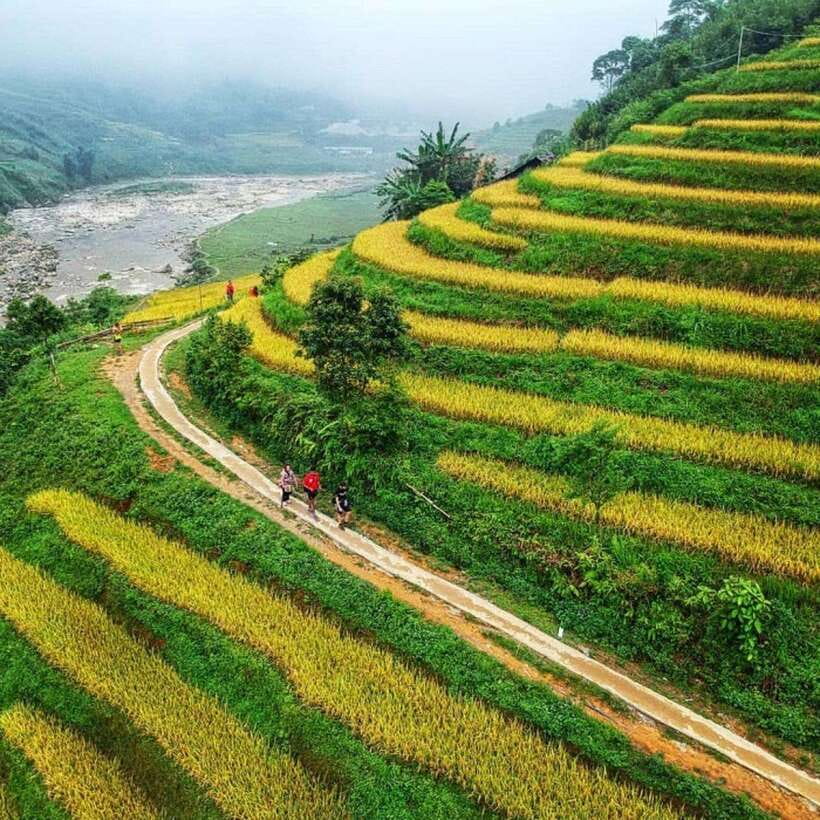
This is the kind of Sa Pa trip where the day starts with walking and ends with dinner at someone’s home. Zo’s role matters here. She’s not just directing you down a trail; she’s sharing how people live in these mountain valleys and what you’re looking at along the way.
I like that you’re guided through both the scenery and the human side of it. You’ll see rice terraces, watch animals roaming nearby, and then spend time in villages where daily work shapes the rhythm of the day. That’s where the trip turns from pretty photos into something you can actually explain.
The pace is built for a group trek, not a “run at the front” challenge. Still, you should expect uneven ground and some steep sections. The homestay side is also intentionally simple, since the point is authenticity over polish.
You can also read our reviews of more tours and experiences in Sa Pa.


Getting started: pickup, Ham Rong Mountain, and Muong Hoa Valley views
On the first day, the tour meets you at your Sa Pa hotel or in front of Sa Pa Stone Church around 09:00. After a quick intro, you begin with about 2 km uphill toward Ham Rong Mountain (around 2,000 m elevation).
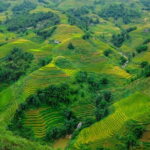
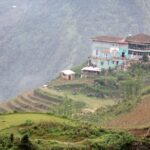
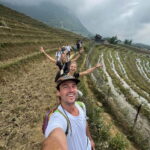
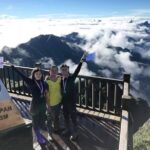
This is where the trek gives you your big payoff early. From Ham Rong Mountain, you can enjoy panoramic views of the mountains, including Fansipan Peak (3,143 m), often described as the Roof of Indochina. You’ll also look out over Muong Hoa Valley, the heart of Sa Pa’s famous terraced rice scene.
One practical note: the path includes stone steps. That’s good news if you like solid footing, but it still means your legs need to get warm and steady before you push uphill. Bring shoes you trust, and take breaks when your guide suggests.
As you head downhill, you start swapping wide views for closer details: river views, terraces, and the shift from open ridges into village trails. The transition is part of the charm. You’re moving from “wow” to “oh, I see how people live here.”
Hang Da and Hau Thao: Black H’mông village life you can actually watch
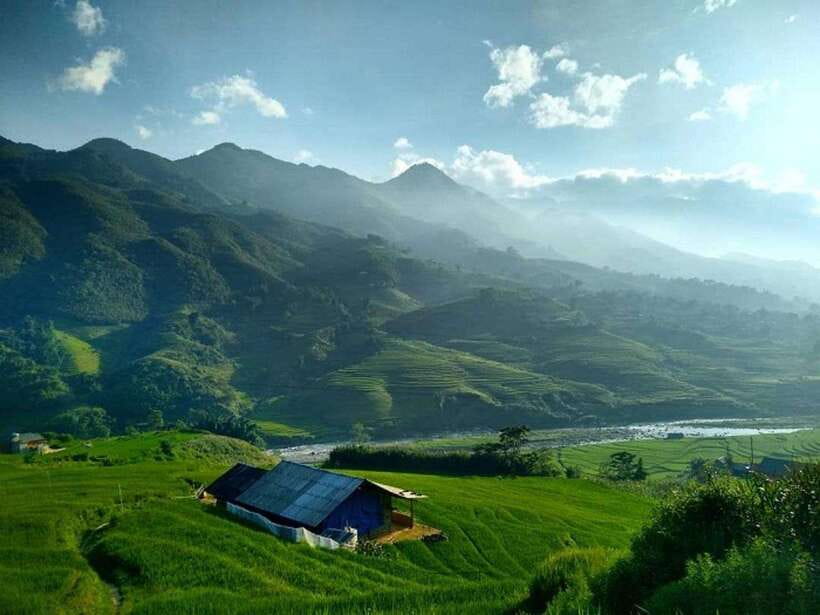
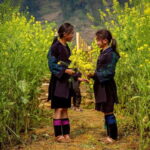
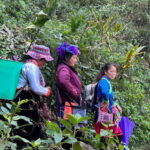
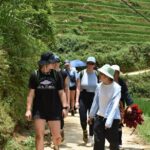
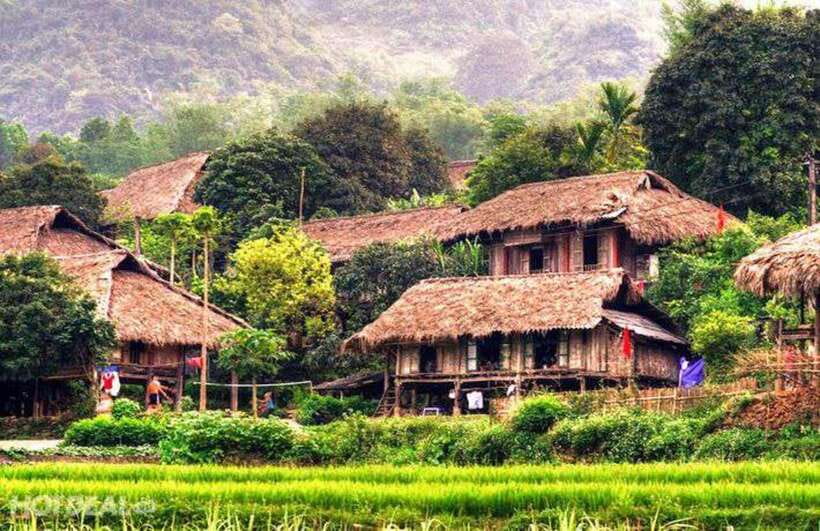
After the mountain section, the trek brings you into Hang Da Village, home to the Black H’mông community. Along the trail, you might spot buffaloes, horses, and pigs just doing their thing. It’s not staged. You’re walking through a working rural area.
Around 12:30, you stop for lunch at a small restaurant near a local family in Hang Da. This matters more than it sounds. Eating near the people you’re walking with keeps the day grounded in daily life instead of turning it into a tourist detour.
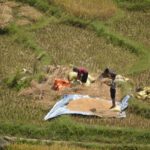
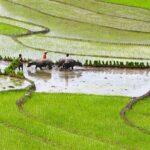
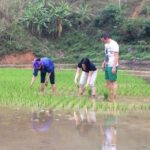
After lunch, you continue toward Hau Thao Village, another Black H’mông community, along smaller paths around 14:00. This is where you get time to observe everyday routines. Depending on the season, you might see planting or rice harvesting, and you’ll get a clearer picture of how farming shapes family schedules.
At 17:00, you reach the homestay area in Giang Ta Chai Mong. By then, the day feels physical, but also satisfying. You’ve walked ridges, walked village trails, and learned what to notice before you ever sit down.
Giang Ta Chai Mong homestay: dinner, conversation, and basic comfort
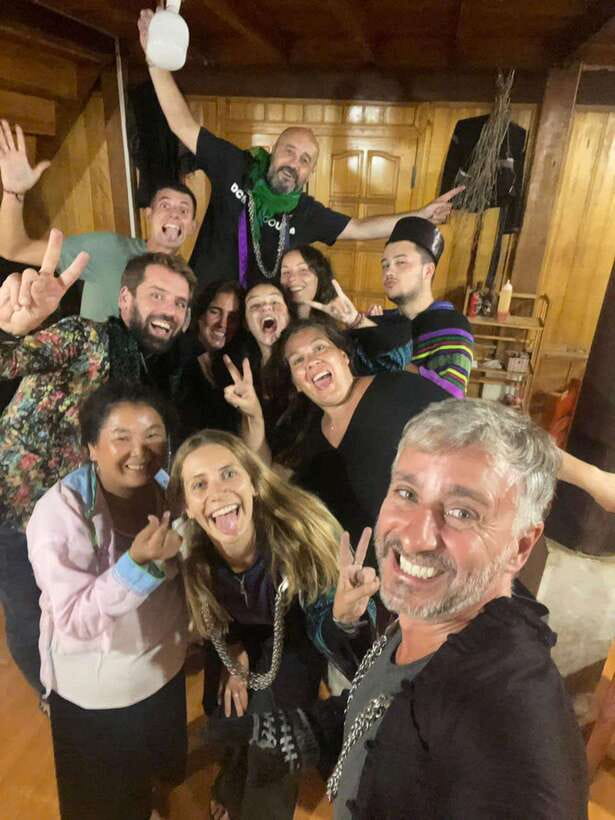
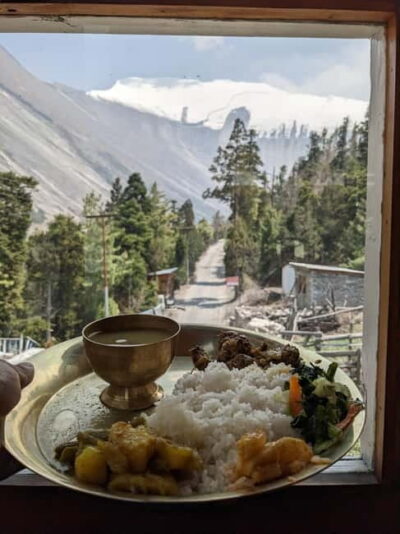
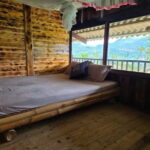
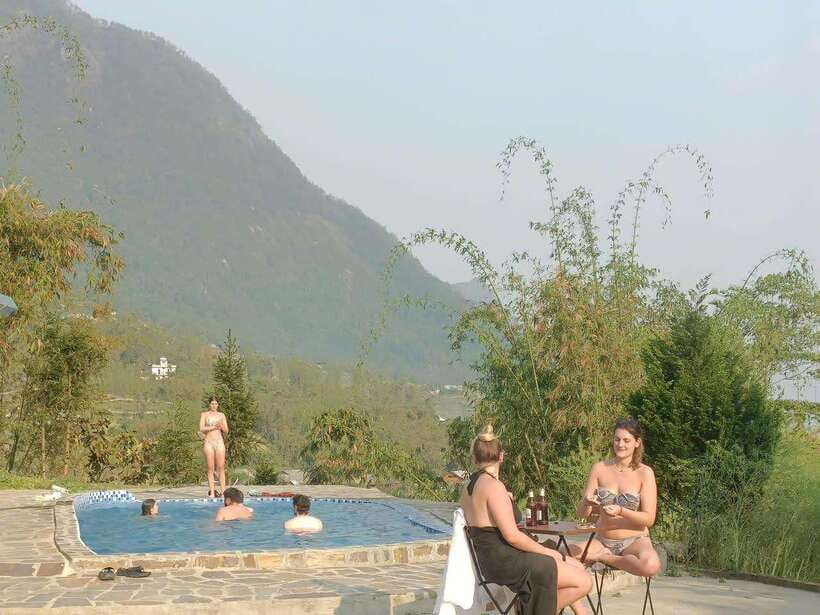
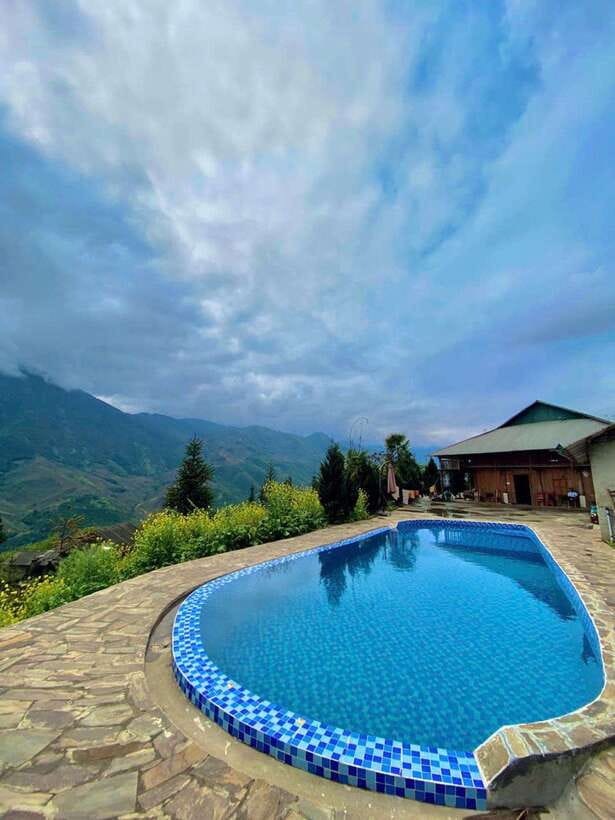
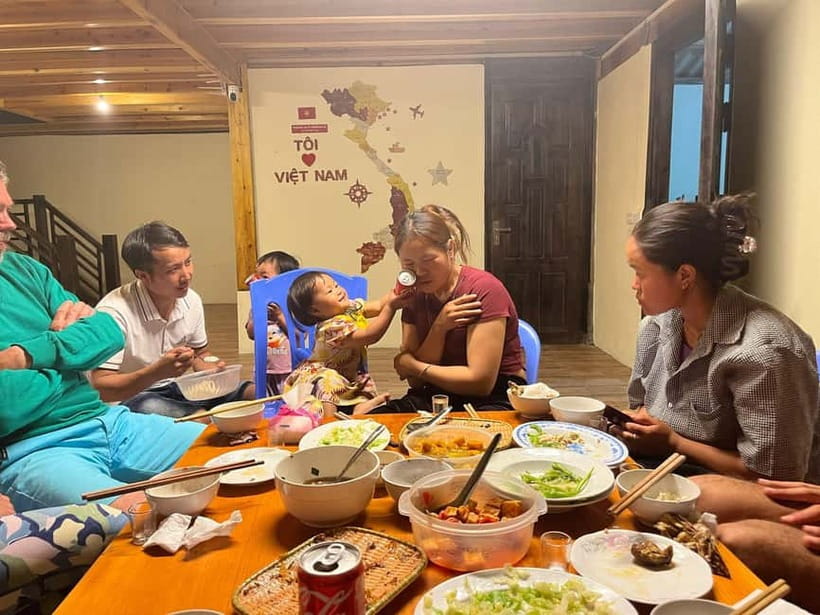
The homestay experience is simple and authentic, described as cozy with basic facilities. That’s a good expectation to have. You’re not booking a hotel room with perfect plumbing. You’re booking a night in a real home where you’ll be welcomed as part of the evening.
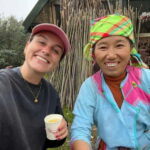
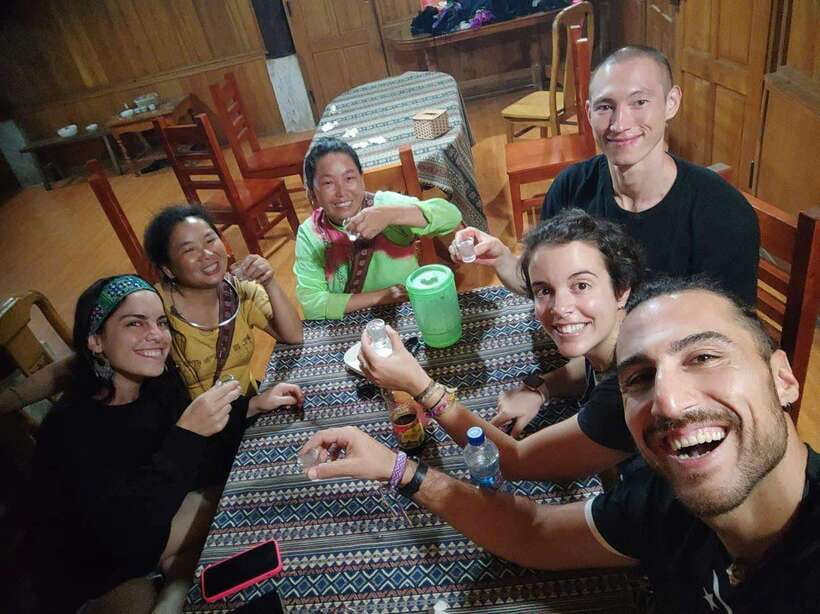
Zo’s hosts, Black H’mông hosts in Giang Ta Chai Mong, warm you into their space. You’ll have traditional dinner around 19:00, and you’ll get time to chat with the family and learn more about their culture. In the evening, the pace slows down. People talk. You listen. You ask questions.
One detail I really appreciate from the way this is run: safety and comfort are treated seriously. Zo adjusts pace and route when needed, so the homestay night doesn’t feel like you earned it through pain alone. It feels like you earned it through effort and attention.
Some homestay setups can be crowded, so if you value privacy, look for the fact that you may have private rooms here. Either way, the key is to pack for practical comfort: warm layers for the night, and a fresh outfit for after trekking.
Day 2: Giang Ta Chai Dao, bamboo forest walking, and Lao Chai terraces
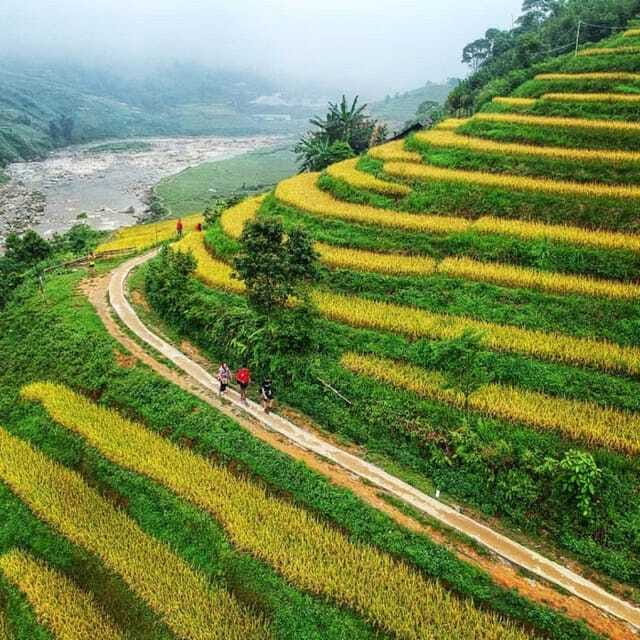
Day two starts quietly. You’ll wake up around 08:00 in the countryside, with morning light and clouds moving through the valley. Around 09:00, you’ll have breakfast at the homestay, usually with something hot like tea or coffee.
At 09:30, you leave for Giang Ta Chai Dao Village, a small Red Dao community near the mountain foothills. This part of the trek changes the tone. You’re not only chasing views; you’re watching how a different ethnic community lives in a similar mountainous setting.
Giang Ta Chai Dao gives you strong photo chances of the terraced rice fields. You’ll also be able to visit a tranquil lake, which the Red Dao community live near. A lake stop like this breaks up the walking rhythm and gives you a calmer moment before heading back into forest paths.
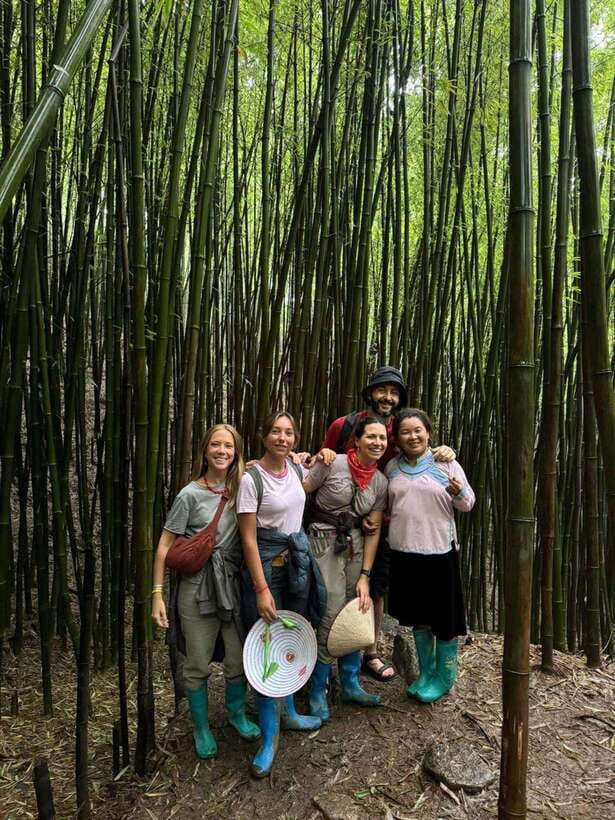
Around 11:00, you walk through a bamboo forest to Ta Van Village. It’s a classic Sapa walking change-up: cooler, quieter, and very different from open terraces. You can rest, take photos, and reset before the next terrain stretch.
By 12:00, you continue on to Lao Chai, one of Sa Pa’s most scenic terrace villages. Lunch is part of this stop. For a lot of people, this is where the trek shifts from “doing” into “savoring.” You’ll appreciate how much work it takes to maintain terraces on slopes.
You finish with a pick-up at Lao Chai around 14:00, and the tour wraps around 15:30 to 16:00 back in Sa Pa.


Transfers, group pace, and the real meaning of moderate difficulty
The total walking is about 19 km across two days: roughly 13–15 km day one and 10 km day two. That’s not extreme mileage, but it does add up because the paths are steep and uneven. Think traction and endurance more than speed.
Because it’s a group tour, you’re not tackling this alone. Zo guides you, and the route can be paced to fit the group’s comfort level. That’s a big deal on uneven terrain. It means you’re less likely to end up sprinting ahead and missing the cultural side of the day.
Transportation is included for the start and end: car or motobik pickup back to Sa Pa after Lao Chai, plus connection to the pickup location earlier in town. You get some relief here, because you’re not stuck navigating between villages yourself.
If you’re older or have mobility limits, take the age note seriously. This tour is listed as not suitable for people over 70 (and also not suitable for people over 95). It’s also not described as wheelchair-friendly or low-impact, so plan for real hiking time.
Price and value: why $43 makes sense here
At $43 per person, you’re paying for more than a walking day. You’re getting a local English-speaking guide, village meals during the program, some water, a full day of structured route guidance, and the homestay night plus transfers back to Sa Pa.
The best value piece is the combination of labor and access. A guided trek into remote village areas isn’t just about moving from point A to point B. It includes cultural interpretation, safe routing on uneven trails, and permission to enter daily life through a homestay connection.
What you should keep realistic: you are not paying for luxury lodging, private driver for every segment, or heavy comfort amenities. The homestay is described as simple with basic facilities. If you want modern hotel standards, your money will feel wasted here. But if you want a grounded rural experience, this price-to-experience ratio is strong.
What to pack (so the trekking days don’t bully you)
Your packing list is straightforward and it’s right for the terrain and weather swings in Sa Pa. I recommend you follow it closely, especially for wet conditions and evening comfort.
Bring comfortable shoes with good grip for stone steps and uneven paths. Add a sun hat, sunscreen, and sunglasses because ridge views also mean direct sun. You’ll also want a light raincoat or jacket if weather turns.
For practical trekking life, bring a change of clothes for the evening and mosquito repellent. A waterproof bag helps protect your essentials, and a waterproof camera (or waterproof phone case) can save your photos if clouds dump rain.
Don’t forget cash, especially since you may want small purchases or tips during the day. And keep a hiking-friendly day bag so you’re not juggling everything in your hands while walking.
Should you book this 2-day trek with Zo?
Book it if you want Sa Pa that’s measured in footsteps and conversations, not just viewpoints. This tour makes room for real village interaction: Black H’mông and Red Dao communities, terrace villages like Hang Da, Hau Thao, Ta Van, and Lao Chai, plus the feeling of walking through a living countryside.
It’s also a good choice if you like structure but don’t want a rigid, rushed day. Zo’s approach, including adjusting pace and route to the group, keeps the trek from feeling like a forced march. You’ll likely leave tired in a good way and with stories that aren’t just about weather.
Skip it if you need low-impact walking, if steep uneven trails are a problem for you, or if you fall into the listed age limits. Skip it too if basic homestay comfort will stress you out. This experience works best when you’re okay trading hotel polish for human connection.
FAQ
How long is the tour and how far do I walk?
It’s a 2-day, 1-night trek. You cover about 19 km total, with day one around 13–15 km and day two around 10 km.
Where do you pick me up in Sa Pa?
Your guide will pick you up at your hotel in Sa Pa or in front of Sa Pa Stone Church.
What difficulty level should I expect?
The trek is listed as moderate. Expect steep and uneven terrain, and plan for some climbing and uneven paths over the two days.
What’s included in the tour price?
Included items are a local English-speaking guide, small water per person, lunch at the village, and car/motobik pick up back to Sapa.
What is the homestay like?
The homestay is described as simple, authentic, and cozy, with basic facilities.
What should I bring for this trek?
Bring comfortable shoes, a sun hat, sunscreen, mosquito repellent, a change of clothes, water, and a waterproof bag. The tour also suggests a waterproof camera and comfortable clothes, plus cash.
Can I cancel and get a refund?
Yes. You can cancel up to 24 hours in advance for a full refund.