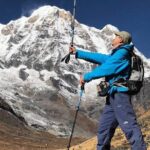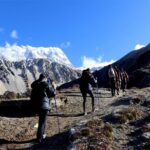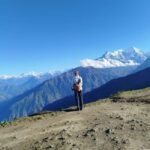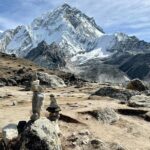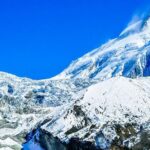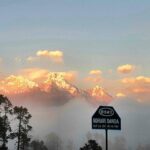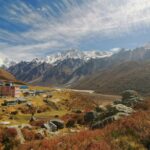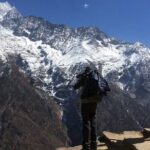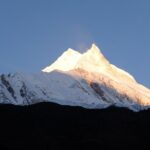
Manaslu Circuit hits harder than you expect. This trek pairs towering Mt. Manaslu views with daily village trails and the famous Larkya La Pass (5160m). I really like how the route doesn’t just throw you at altitude; it builds in gradual acclimatization so the trip feels earned, not rushed.
I also like the practical setup: you get teahouse beds, all meals on trek days, and a porter to help with the load. One consideration: this is still a high-altitude trek with long days and long drives, so you’ll want genuinely moderate fitness and a steady pace.
In This Review
- Key things that make this trek worth your time
- Manaslu Circuit in plain terms: big pass, small villages
- Kathmandu setup: private transfers and a proper start
- From Sotikhola to Maccha Khola: leaving the city feeling behind
- Jagat and Deng: steady elevation, steady mindset
- Namrung and Samagaon: where the mountain starts to dominate
- Samdo and Larkya Base Camp: acclimatization in the real world
- Larkya La (5160m): the hardest day, and why it matters
- Bimthang to Syange: descent days that still demand attention
- Teahouse lodging and included meals: how your day actually works
- Guide and porter support: the difference between surviving and enjoying
- Price and value: what $1,550 really covers
- Who this trek fits best (and who should reconsider)
- Should you book Manaslu Circuit Trek with Mount Mania Treks Expedition P. Ltd.?
- FAQ
- Where does the Manaslu Circuit trek start?
- What is the highest point on the trek?
- How long is the trek?
- Is this a private trek or a shared group?
- What permits are included?
- What’s included for meals and lodging?
- Is cancellation free?
Key things that make this trek worth your time
- Mt. Manaslu (8163m) focus from the start, with views that dominate the early days
- Larkya La Pass (5160m) as the peak moment, followed by a full day of trekking onward
- Teahouse lodging plus all trek meals so you can spend energy on hiking, not logistics
- 2 trekkers : 1 porter setup, easing the weight you carry
- Permits handled (ACAP, MCAP, TIMS) so you don’t get stuck on paperwork
- Experienced, government-licensed trek leader plus a medical kit carried by the leader
Manaslu Circuit in plain terms: big pass, small villages
If you want a Nepal trek that feels serious without losing the human scale, the Manaslu Circuit is a strong pick. You start near Kathmandu and work your way up through river valleys and hillside settlements, with daily sights that shift as the elevation changes. Then the whole trip pivots around the crossing at Larkya La (5160m)—the high point that hikers talk about because it’s physically demanding and visually dramatic.
The value here isn’t only the big mountain name. It’s the rhythm: long scenic walks, teahouse stops, and built-in days that help your body adjust before the hardest altitude moment. And since this is a private tour for your group, you’re not forced into a rigid pace that fits strangers instead of you.
You can also read our reviews of more tours and experiences in Kathmandu.
Kathmandu setup: private transfers and a proper start
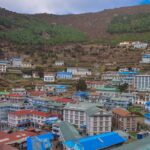
Your trip begins in Kathmandu, with airport pickups and drop-offs in a private vehicle. That matters more than it sounds. Kathmandu traffic can be intense, and after travel hours you don’t want to be figuring out transport or sharing rides with people you don’t know.
Day 2 is built for real preparation, with sightseeing plus trek prep. You’ll also get a 3-star hotel with breakfast, which is a helpful comfort before the first long drive to the trailhead. And with a mobile ticket included, your travel admin should stay simple—less hunting for printed papers and more time focused on getting ready.
One practical note for you: international airfare and lunch/dinner in Kathmandu aren’t included, so plan those meals and any extra hotel nights around your schedule. Also, bring a valid passport for the day of travel since you’ll need it for the trip.
From Sotikhola to Maccha Khola: leaving the city feeling behind
Day 3 is a long transfer day from Kathmandu to Sotikhola (about 8–9 hours). This part tests patience, but it also sets expectations: you’re not “just hiking” right away. You’re getting positioned for the trek and spending less energy on complicated connections.
Day 4 then starts the walking from Soti Khola to Maccha Khola (about 6–7 hours). Early on, the terrain is often about settling into hiking mode—firm footing, consistent breathing, and getting used to a trail that follows the river and changes gradually. This is a good day to practice your pace. If you go too fast early, altitude later will punish you.
Teahouses on the circuit are basic but functional. The big win is that this tour includes teahouse accommodation during the trek, so you’re not negotiating where to sleep each night. Your routine becomes more predictable: walk, stop, eat, rest, repeat.
Jagat and Deng: steady elevation, steady mindset
Day 5 walks from Maccha Khola to Jagat (6–7 hours). By now, you’ll feel the trek turning into something bigger than sightseeing. The air can feel different, and your legs start learning how the trail climbs.
Day 6 moves onward from Jagat to Deng (about 6–7 hours). Deng sits higher than the earlier valley stretches, and the pace matters. This is the phase where you’ll benefit from pacing advice from your leader, plus the porter support to keep your shoulders from taking a beating. The tour includes a medical kit carried by the trek leader, which also helps you feel covered without making the trek feel overly medical.
If you’re the type of hiker who wants to “win” each day, this is the time to resist. The circuit rewards steady effort. You’re building toward Larkya La, not speed-running the Andes.
Namrung and Samagaon: where the mountain starts to dominate
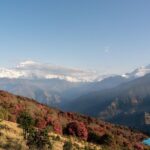
Day 7: Deng to Namrung (6–7 hours). Day 8: Namrung to Samagaon (about 6–7 hours). The big shift here is that you’re transitioning from lower valley trekking into higher mountain-adjacent scenery. The heights you sleep at rise quickly, and you may notice your breathing becomes more deliberate.
By Day 8 you’re at Samagaon (3530m), and it’s the kind of place where the trip starts feeling like a real mountain expedition. The trek is still “walking days,” but the scale of everything—distance, air, and views—changes.
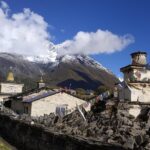
Day 9 adds a special touch: Samagaon to Pungyen gompa and back to Samagaon, with about 6–7 hours total for trekking plus exploration. This isn’t only about reaching elevation. It’s also about stepping into local religious life and taking a break from constant altitude pressure. If you like cultural context mixed with hiking, this is one of the more satisfying days.
Samdo and Larkya Base Camp: acclimatization in the real world
Day 10 takes you from Samagaon to Samdo (3860m) in 4–5 hours. That shorter day can feel like a gift, but it’s also part of how your body adjusts. You’re not “doing less.” You’re setting yourself up for the next big altitude work.
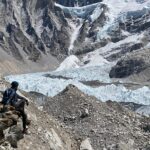
Day 11 goes from Samdo to Dharamsala / Larkya Base Camp (4460m) (about 4–5 hours). This is a key staging move. It’s also where the trek starts to feel visually serious even before you hit the pass. Cold can show up fast at these heights, and darkness arrives earlier than you expect.
The included setup helps here: meals are covered during the trek (breakfast, lunch, dinner), so once you arrive, your mental load drops. You can focus on rest, hydration, and whatever sleep quality you can manage at altitude.
Larkya La (5160m): the hardest day, and why it matters
Day 12 is the peak-day sequence: Larkya La (5160m) to Bimthang (3720m), about 8–9 hours. This is the day most people remember, for two reasons. First, it’s the highest point of the trek. Second, you climb up to it and then keep moving onward—no easy escape into a “just look around” stop.
What makes this day worth it is the payoff logic. When you’ve spent days adjusting and building strength, the pass crossing feels like the moment the whole route pays off. You’ll also likely feel your limits here, which is why the gradual build earlier matters. Your porter support and trek-leader guidance help you keep your effort controlled instead of frying yourself too early.
Then Day 13: Bimthang to Tilije (2300m) (about 5–6 hours). Notice the drop. That descent isn’t just “progress.” It’s recovery. It helps your body reset after the highest effort segment so you can enjoy the remainder of the circuit.
Bimthang to Syange: descent days that still demand attention
Day 14 walks Tilije to Tal (1700m) (about 5–6 hours). Day 15 continues Tal to Syange (1080m) (about 6–7 hours). These are easier than the pass day, but they still require attention. Steep descents can be rough on knees, and uneven trail can test balance when you’re tired.
The upside is that the circuit starts giving you variety again. You’ll see different terrain textures, different settlement patterns, and a clearer sense of how the region changes as altitude drops. It’s one of the more rewarding parts of the trek because you feel yourself coming back toward lower-elevation Nepal.
Day 16 then brings the long return transfer: Syange to Kathmandu (about 8–9 hours). This drive is the final push. It can feel long, but it also turns your trek into a complete loop instead of a one-way adventure.
Day 17 is departure. After 16–17 days, your reward is simple: you’re back in Kathmandu with the trip fully behind you and a clearer sense of what your body can handle.
Teahouse lodging and included meals: how your day actually works
A lot of Nepal treks advertise teahouses and meals like it’s an afterthought. Here, it’s actually central to the experience because it reduces decision fatigue. With all meals during the trek included, you don’t need to figure out what’s available each day or budget for lunch/dinner on the trail.
Teahouse nights usually mean you’ll have basic rooms and shared rhythms with other hikers in the area. The practical benefit is that you can spend your time walking, eating, resting, and getting ready—rather than shopping for food or negotiating lodging quality day to day.
Also, since this tour includes farewell dinners, you get a proper “end of trek” moment. It’s a nice human touch after a long stretch of trail days, and it gives you a chance to slow down and reflect without rushing to catch the next connection.
Guide and porter support: the difference between surviving and enjoying
The tour includes an experienced, English-speaking and government-licensed trek leader plus a porter. The porter ratio is clearly stated: 2 trekkers: 1 porter. That’s a meaningful detail. It means you’ll likely carry a lighter personal pack, which can be the difference between finishing tired and finishing miserable.
You’ll also get professional support on the paperwork side. The tour covers trekking permits including ACAP, MCAP, and TIMS, plus local taxes. If you’ve ever tried to figure out permits in a different country, you know this kind of handholding is worth real money.
From the names that have shown up with this operator, guides such as Ganesh and Balu Acharya are associated with groups in this region, and porters like Bijaya (sometimes written as Biyaya) also appear in the feedback. The consistent theme: the teams aim to keep you safe, comfortable, and moving. In a trek with altitude pressure, that attitude isn’t fluff—it affects how you pace, how quickly you adapt, and how much you enjoy the views instead of worrying about logistics.
Price and value: what $1,550 really covers
The price is $1,550 per group (up to 15), which makes the key question: how many people are in your group? In a small group, you pay more per person; in a fuller group, the cost per hiker drops. Either way, the total price is not just “a guide and some days on a trail.”
It includes:
- private airport transfers
- Kathmandu 3-star hotel with breakfast
- teahouse accommodation on trek days
- all meals on trek days
- ground transportation per the itinerary (including the big drives)
- porter service and staff costs
- permits (ACAP, MCAP, TIMS) and necessary paperwork
- a medical kit carried by the trek leader
What’s not included matters too: Nepalese visa fee, international airfare to/from TIA, travel/rescue insurance, lunch/dinner in Kathmandu, and personal expenses like phone/wifi, battery recharge, shower items, and bottled/boiled water. You’ll also want to plan for tips for the guide(s), porter(s), and driver(s), since those aren’t included.
So is it good value? It’s best value when you want fewer moving parts. If you like planning your own route, you might try to build it yourself. If you want a smooth, guided circuit with permits and daily meals sorted, this price looks reasonable on paper—especially because you’re paying for time, paperwork, and the kind of logistics that can eat vacation days when you DIY.
Who this trek fits best (and who should reconsider)
This trek is for you if you have moderate physical fitness and you want a classic high-altitude circuit with a real challenge at Larkya La. It’s also suited to hikers who appreciate teahouse travel and don’t need luxury on nights out of Kathmandu.
It’s not recommended for children aged 10 and under, and you must have a current valid passport on the day of travel. The operator also notes it operates in all weather conditions, so you should expect changing skies and dress appropriately with layers and rain protection that fit trekking.
If you’re dealing with serious altitude concerns or medical conditions, you’ll need to handle that with your own doctor first. The tour includes a medical kit carried by the leader, but that doesn’t replace personal medical readiness.
Should you book Manaslu Circuit Trek with Mount Mania Treks Expedition P. Ltd.?
If you’re weighing options, I’d book when you want the full circuit package: private transfers, permits handled, teahouse lodging, meals covered, and real support on the trail. The trek structure makes sense for acclimatization, and the team setup (English-speaking, licensed leader plus porter ratio) targets the things that usually make or break a high trek: pace, load, and calm decision-making.
I’d think twice if you hate long drives, or if you know you’re prone to burning out quickly on altitude. In that case, you might prefer a shorter acclimatization-focused route. But if you’re ready for 17 days that build toward one big crossing, this is a solid way to do it without turning your vacation into a project.
FAQ
Where does the Manaslu Circuit trek start?
It starts in Kathmandu, with arrival in Kathmandu (TIA) on Day 1 and trek preparation on Day 2, then driving to the trailhead afterward.
What is the highest point on the trek?
The highest point is Larkya La Pass (5160m).
How long is the trek?
The duration is about 17 days.
Is this a private trek or a shared group?
It’s a private tour/activity. Only your group participates.
What permits are included?
The tour includes necessary permits including ACAP, MCAP, and TIMS.
What’s included for meals and lodging?
Kathmandu includes a hotel with breakfast, and during the trek you get teahouse accommodation plus all meals (breakfast, lunch, dinner).
Is cancellation free?
Yes. You can cancel up to 24 hours in advance for a full refund. If you cancel less than 24 hours before the experience’s start time, the amount paid is not refunded.