REVIEW · GRANADA
Granada: Sierra Nevada Veleta Peak Trek with Lunch
Book on GetYourGuide →Operated by D.I.M. TRAP S.L. · Bookable on GetYourGuide
Veleta Peak puts real altitude on your day. You’ll hike the Sierra Nevada with a guide, then reach the summit of Andalusia’s second-highest peak with picnic lunch waiting at 3,396 meters.
I like two things a lot: the trip adapts to your fitness level, and the small group size (max 10) keeps the pace friendly instead of chaotic. A heads-up: weather can turn fast on high ground, so the summit plan may flex.
You’ll start from Granada at 09:00 (or meet at Hoya de la Mora at 10:00), then switch gear based on season—snowshoes and poles in winter, walking sticks in summer. That small detail matters, because traction changes everything when the ground is icy or covered. One drawback to plan for: this is not a casual stroll. Expect serious uphill sections and dress for wind and cold, especially near the top.
In This Review
- Key things to know before you go
- Why Veleta Peak changes your Granada day
- Meet at Centro comercial Neptuno, then climb with a plan
- Sierra Nevada terrain: snowshoes in winter, sticks in summer
- Reaching Veleta: what the summit moment really feels like
- Lunch at altitude: picnic break with a view
- Descent time: the part people forget to plan for
- Guides and pacing: why the trip stays comfortable in a real way
- What to bring (so the cold and wind don’t win)
- Who this Veleta trek is best for
- Price and value: is $112 worth it?
- Should you book the Veleta Peak trek?
- FAQ
- Where do I meet for the trek?
- What time does the experience start?
- Is snow gear provided in winter?
- What kind of footwear should I wear?
- Is lunch included, and where do you eat it?
- How long is the round trip?
- How big is the group, and what languages are offered?
Key things to know before you go
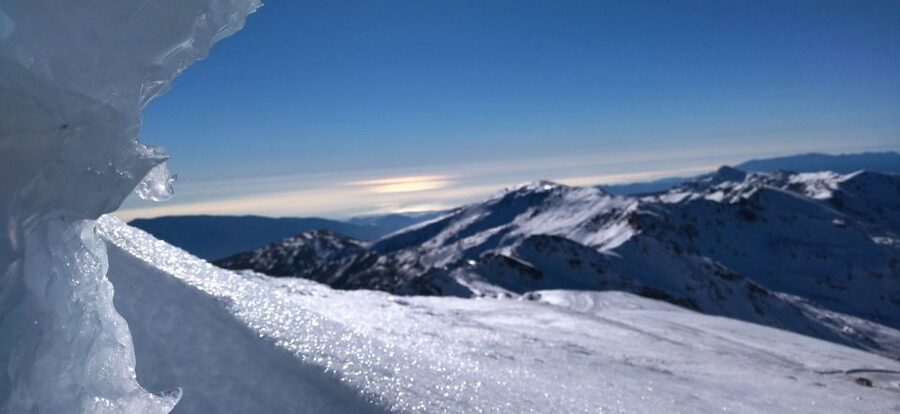
- Veleta at 3,396 m: a high-altitude finish with a rest stop and picnic lunch.
- Season-proof gear: snowshoes and poles in winter; walking sticks in summer.
- Big view payoff: on clear days you can see toward the Mediterranean and over landmarks like Mulhacén.
- Small group (up to 10): easier pacing, more attention, and less waiting around.
- Guide-led safety: you’ll get a safety briefing and help with how to move on snow or uneven rock.
Why Veleta Peak changes your Granada day
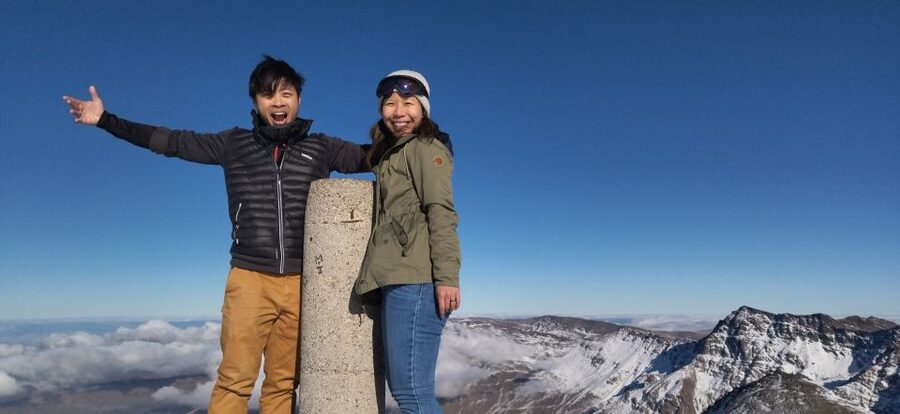
Most Granada sightseeing is about stone, history, and packed streets. This hike swaps all that for thin air, open sky, and mountains you can actually measure with your own effort. Veleta is in the Sierra Nevada, and the moment you climb above the tree line you get a whole new sense of scale for southern Spain.
I especially love that this trip is designed around how mountains behave by season. Winter isn’t the same hike as summer, and the gear reflects that. When you’re on snow and ice, you need the right walking setup. When the trail is clear, you still want sticks to save your knees on the descent.
The other strong point is the human side. Guides here focus on keeping you moving safely, and you’ll see that reflected in the way the hike is paced. Some people take more breaks; the guide adjusts and keeps the day fun, not frustrating.
Meet at Centro comercial Neptuno, then climb with a plan
Your day starts in a simple, clear way: you meet at Centro comercial Neptuno and head up by van. The drive is short—about 45 minutes—so you don’t waste half your trip stuck in traffic. That also means you get to start hiking while you still feel fresh.
Timing runs like this: you’ll begin at 09:00 from Granada or meet at 10:00 at Hoya de la Mora in the Sierra Nevada area. From there, the hike portion is long enough to feel like a real mountain outing (about 6 hours of hiking and guided time), followed by the 45-minute return van ride back to Neptuno.
One practical tip: treat this like a mountain day, not a sightseeing day. Even if your schedule is only 7 hours total, you’re dealing with altitude, exposure, and uneven footing. Start the hike thinking about hydration and steady movement, not speed.
Sierra Nevada terrain: snowshoes in winter, sticks in summer
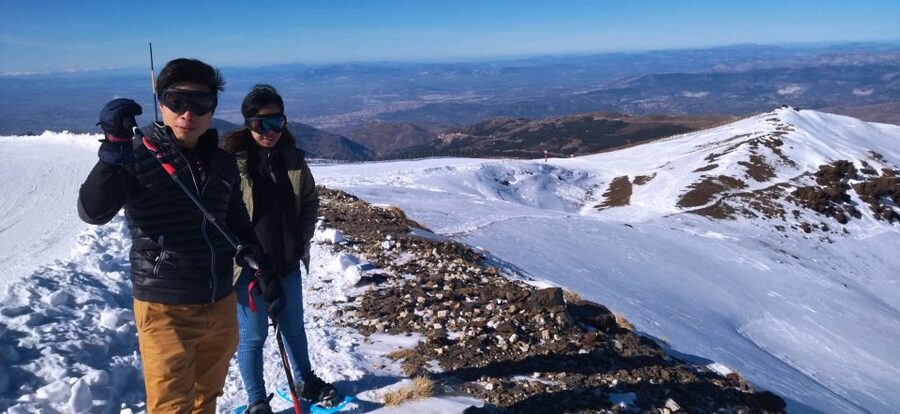
The Sierra Nevada is not one trail. It’s different surfaces that demand different technique, and this tour handles that by switching equipment based on season.
In winter, you use snowshoes and poles. That setup helps you distribute weight and maintain stability when the ground is slick. You’ll also get guidance for how to walk across snow and different textures of frozen terrain. It’s a big quality-of-life upgrade compared with “just try your best and hope.”
In summer, the plan is simpler—walking sticks instead of snow gear. The hiking still involves climbs and uneven steps, but your biggest challenge tends to be managing effort and protecting your knees on the way down.
Either way, the route is built to show you the heart of the Sierra Nevada experience:
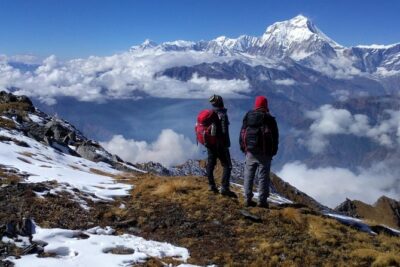
- views over the fertile plain of Granada
- sightlines toward big peaks like Mulhacén
- and the final push to Veleta, where the altitude hits and the air feels thinner
This is where guides earn their keep. On a mountain, the best advice isn’t dramatic. It’s small: where to place your feet, when to slow down, how to manage breath, and how to handle wind.
Reaching Veleta: what the summit moment really feels like
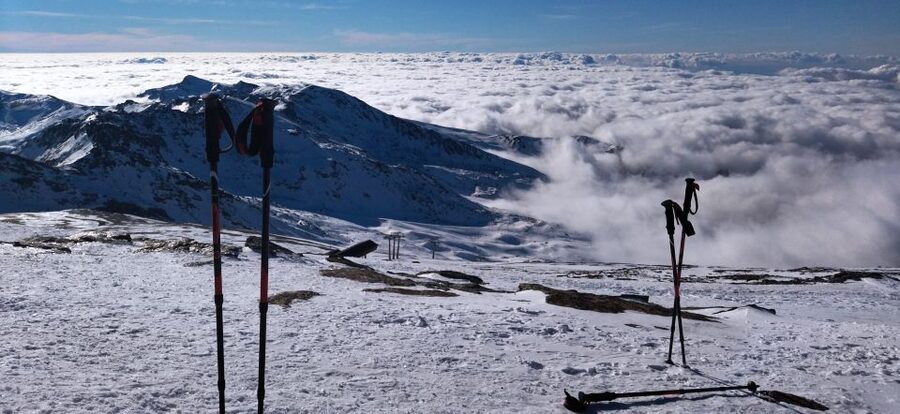
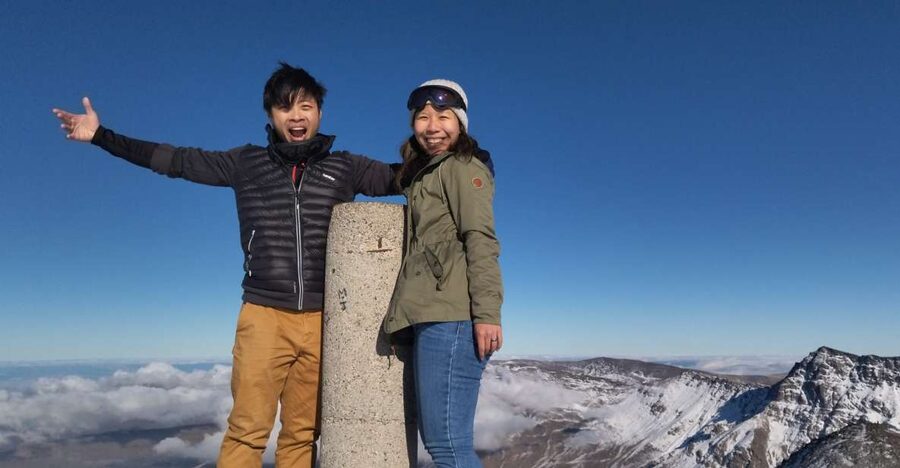
Veleta sits at 3,396 meters above sea level. That number sounds like trivia until you’re near it and you feel the air. The summit moment isn’t about sprinting. It’s about steady climbing, smart pacing, and then letting yourself enjoy the view without rushing back down.
And the view is the point. On clear days, you can look out toward the Mediterranean Sea, and you’ll also see the broader Sierra Nevada range from above. Even when skies aren’t perfect, the mountain scale still hits hard—you just trade sea views for sharper contrast and darker ridgelines.
The tour includes a well-deserved rest at the top. You’re not just arriving, taking a photo, and leaving. The pause is part of the experience because high altitude makes you tired in a different way. A short break gives you time to recover, take better photos, and enjoy the quiet.
Lunch at altitude: picnic break with a view
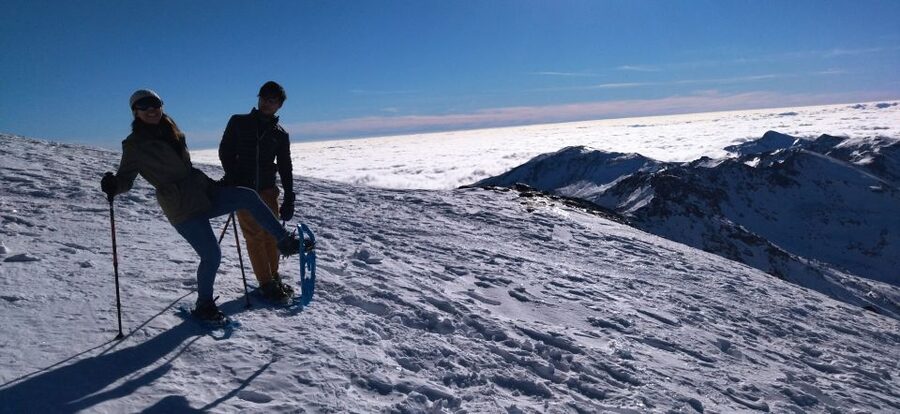
One of the best values here is that lunch isn’t an afterthought. You get a picnic lunch along with water and snacks, and it’s timed for a break after the climb.
In ideal conditions, lunch happens at/near the summit area. But high mountains also bring high drama: wind and cold can make eating outside unpleasant. On very rough-weather days, the plan may shift to a more sheltered spot (some guides handle this by moving the picnic near the vehicle). Either way, you’re fed and you’re not left to figure it out yourself.
I also like that the lunch is practical, not precious. You’re eating so you can descend safely afterward. That’s why having food ready, plus water, matters more than having something fancy.
There’s even evidence that dietary needs can be handled—vegan lunch requests have been accommodated when arranged through the guide. If that matters to you, tell your guide ahead of time and confirm what’s possible.
Descent time: the part people forget to plan for
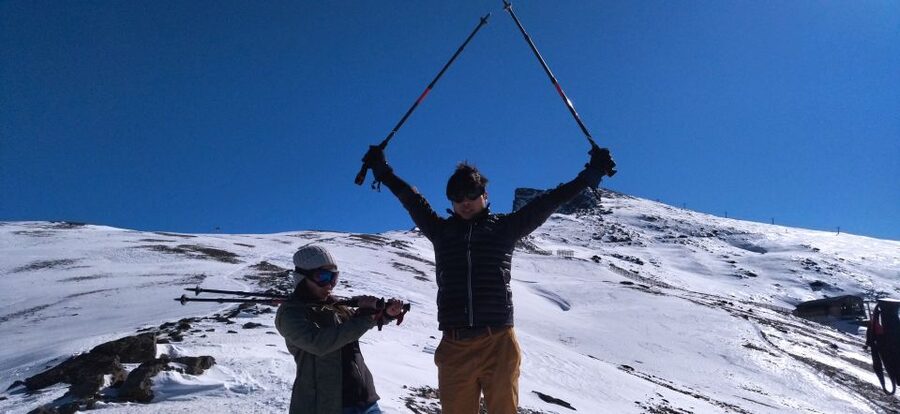
Most people feel proud reaching the summit. Then they remember the descent is still work. This trek includes the return hike down and aims to get you back to Hoya de la Mora and then Centro comercial Neptuno by around 6:00 p.m.
Descending is often harder than it sounds because:
- your quads take the hit
- footing can be slippery on snow or gravelly on rocky paths
- and fatigue changes how carefully you step
That’s why the gear choice matters. Snowshoes help in winter, and sticks help in summer. If you forget that, you end up paying for it with sore legs instead of enjoying the mountain.
If you want a simple rule: use the descent to reset your breathing, take controlled steps, and let your guide set the pace. It’s not a race back.
Guides and pacing: why the trip stays comfortable in a real way
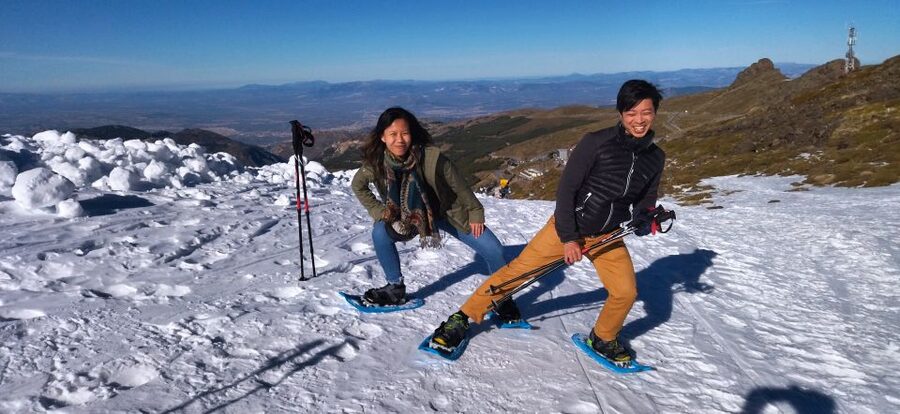
This tour is run by D.I.M. TRAP S.L., and the guide experience shows. English-speaking guides are included, and some tours may run with bilingual support (English and Spanish). Group size is capped at 10, which means you’re less likely to get separated from your guide or stuck behind slower hikers for long stretches.
The standout theme from guide performance is encouragement. People mention guides being friendly, patient, and tuned into how hard the climb feels for different bodies. Some even tailored the hike for knee comfort or heart conditions while still getting to the top.
You’ll also see the “host” style here. Guides share stories and geography during pauses. That turns the hike into a moving classroom instead of just a line of hikers stretching into the distance. And yes, small details can make the day feel personal—like having practical items on hand to help you celebrate the finish.
If you’re lucky, you’ll get a guide who really talks. Names that have shown up include Harry, Javi, Ariadna, and Jakub. Even with different guides, the tone seems consistent: safety first, then fun.
What to bring (so the cold and wind don’t win)
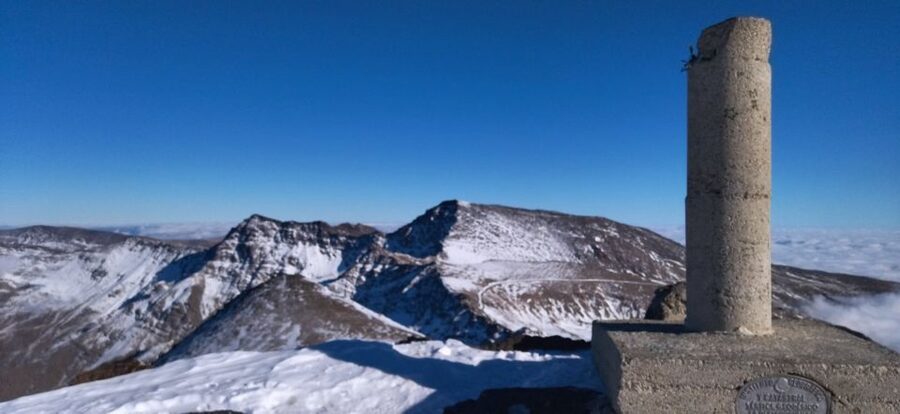
The tour is provided with snowshoes and poles when needed. You still need your own clothing and footwear for real mountain comfort. The essentials list is straightforward, and I agree with it.
Bring:
- Hiking shoes (non-negotiable; avoid flimsy sneakers)
- Daypack
- Jacket
- Gloves
- Sunscreen and sunglasses
- Hat or sun hat
- Hiking pants
- Waterproof shoes if you expect slush or wet conditions
Layering matters a lot in the Sierra Nevada. It can be warm at the start and brutally cold higher up, especially in winter. Even in warmer months, wind near exposed sections can chill you fast.
If you only pack one extra thing based on experience: bring gloves even if the forecast looks mild. The summit pause can be chilly, and you’ll be grateful.
Who this Veleta trek is best for
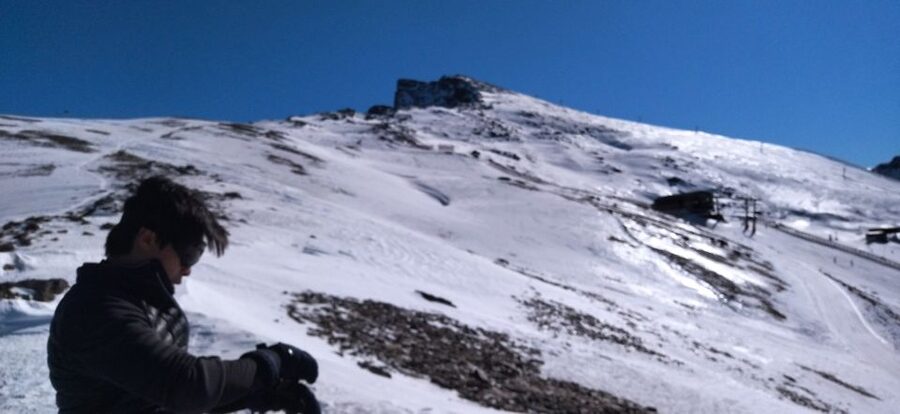
This is a great fit if you want a guided mountain hike with a clear goal and enough time to enjoy the summit. It’s also a smart choice if you don’t want to figure out logistics, route decisions, or gear setups on your own.
It’s especially good for:
- people who like big views but still want support and safety guidance
- hikers who want their pace respected (not everyone climbs the same way)
- travelers who appreciate a picnic lunch experience that happens because you earned altitude
It’s not suitable for:
- children under 14
- pregnant women
- people with mobility impairments
If you have medical concerns (knee, heart, breathing limits), the hike’s adaptable style can help, but you should evaluate your personal limits first. This is still a climb to high elevation.
Price and value: is $112 worth it?
At $112 per person for a 7-hour guided outing, the value is in what’s included and what you don’t have to worry about.
You get:
- round-trip transport from Granada (via the Neptuno meeting point)
- a qualified mountain guide in English/Spanish
- insurance coverage (civil liability and accident insurance)
- winter equipment like snowshoes and poles
- picnic lunch plus water and snacks
- a digital photographic report
The $112 price makes sense if you consider the equipment and guide labor. Hiking at altitude is one of those activities where self-guiding can go wrong fast if you’re underprepared for snow, ice, or exposure. Paying for an experienced guide is not just convenience. It’s time saved and risk reduced.
You also get a small-group experience. That matters because it changes how the day feels: less crowd energy, more attention, and more patience during tougher sections.
Should you book the Veleta Peak trek?
If you want a morning that feels like a mountain adventure—not just another stop—this is a strong pick. You’ll get a real climb, a summit rest, and a picnic lunch at altitude, plus the right seasonal gear.
I’d book it if:
- you’re comfortable with hiking and the idea of a tough but manageable uphill
- you want big Sierra Nevada views and a guide to help you handle the terrain
- you like having a structured day with food and water taken care of
Skip it if:
- you’re looking for an easy, flat walk
- you hate cold wind or you can’t dress in layers
- you fall into the listed non-suitable categories
If weather is awful, remember this kind of mountain outing can flex. That doesn’t mean it’s a waste—it just means your guide will steer the day toward what’s safe and doable.
FAQ
Where do I meet for the trek?
Meet your guide at Centro comercial Neptuno in Granada.
What time does the experience start?
You can depart from Granada at 09:00, or meet at Hoya de la Mora at 10:00.
Is snow gear provided in winter?
Yes. In winter, the trek uses snowshoes and poles.
What kind of footwear should I wear?
Wear hiking shoes and bring warm, weather-appropriate gear like a jacket and gloves. The activity also mentions waterproof shoes as an option.
Is lunch included, and where do you eat it?
Yes, picnic lunch is included, taken after reaching the higher point for a break before descending. On very cold or windy days, the picnic may be adjusted to a more sheltered spot.
How long is the round trip?
The trek is about 7 hours in total, with return transport and arrival back to Centro comercial Neptuno by around 6:00 p.m.
How big is the group, and what languages are offered?
The group is small, limited to 10 participants, and the guide works in English and Spanish.