REVIEW · SA PA
From Sapa: Terrace Fields and Local Villages Trek with Lunch
Book on GetYourGuide →Operated by Vietnam Real Tour · Bookable on GetYourGuide
Sapa looks best from a trail. This 7-hour trek pairs rice terraces with local village culture so you’re not just taking photos—you’re learning how people live here.
What I like most is the mix of scenery and conversation. You hike over working terraced fields (rice, plus corn and potatoes) on a route designed to feel less staged, and you get an English-speaking guide from the local ethnic minority who answers real questions.
One consideration: the walking can get slick and physical in bad weather. Even with trekking poles, fog and muddy paths can make the day harder, so plan for sturdy, grippy footwear.
In This Review
- Key things to know before you go
- Sapa Terrace Fields on Foot: the scenery you came for, plus village life
- Hotel pickup and Sapa town walking: 08:00–08:45
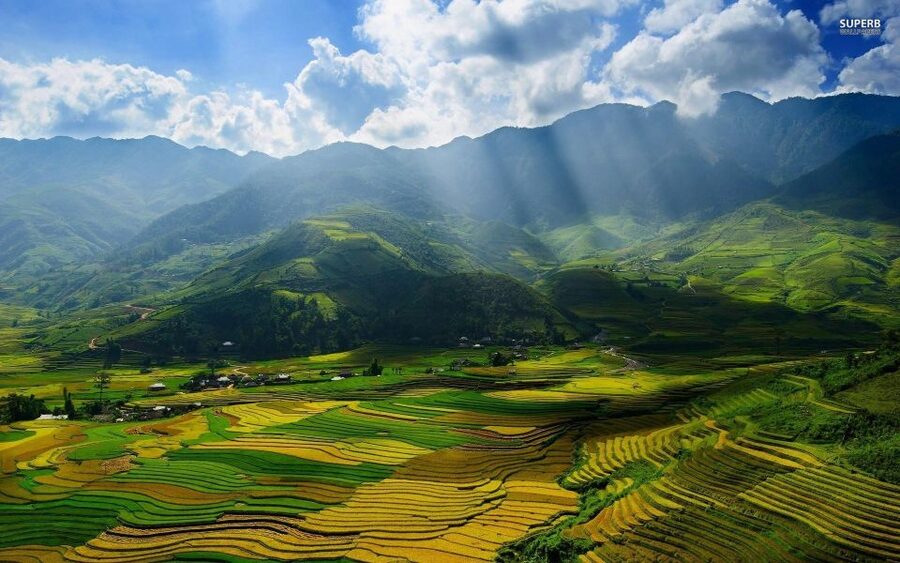
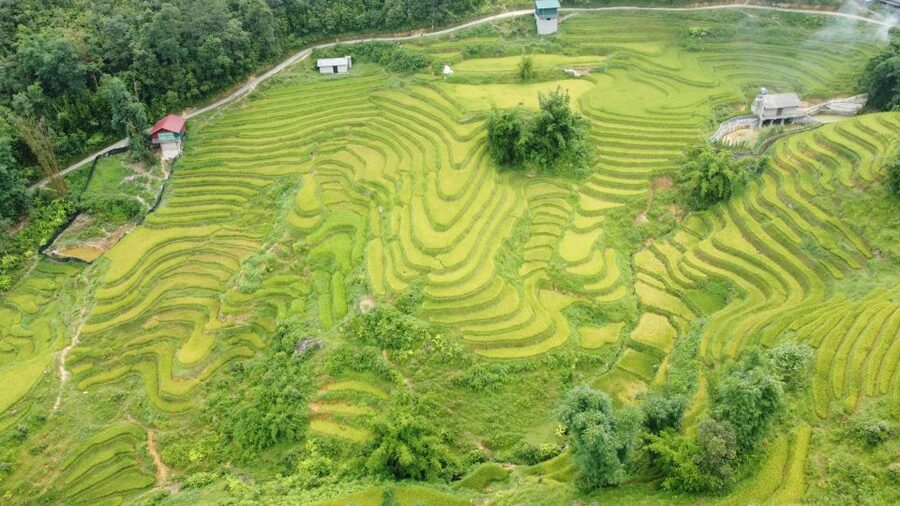
- From Sapa to terraces: rice, corn, and potato fields on a more natural route
- Lai Chai village and ethnic culture: what your English guide actually adds
- Waterfall break and photo stops: built-in recovery time
- Bamboo forest paths, fog, and slippery footing: how to handle the real conditions
- Lunch in a local restaurant: simple food, strong sense of place
- Shuttle back to Sapa: finish strong, not wiped out
- Price and value: why $22 can be a smart deal in Sapa
- Who this trek is best for (and who should skip it)
- Should you book this Sapa Terrace and Village Trek?
- FAQ
- What time does the pickup start?
- How long is the trek?
- Is lunch included, and what about drinks?
- Will the guide speak English?
- Do you visit specific villages and cultural sites?
- Is the walking suitable for everyone?
Key things to know before you go
- Hotel pickup in Sapa town starts early, with pickup walk time that can run 30–45 minutes depending on where you’re staying
- You hike about 11 km through terraces and village paths, so this is a real trekking day, not a quick stroll
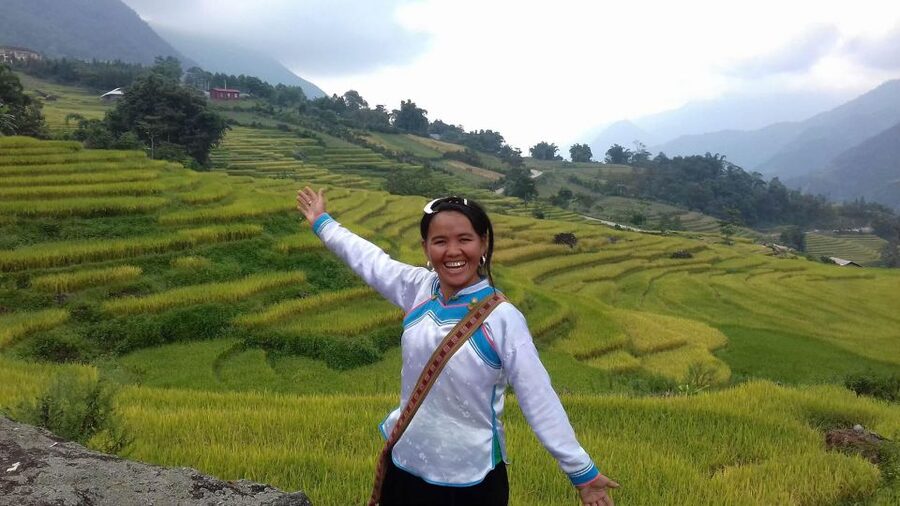
- A local ethnic guide explains daily customs and may even show you details of home life, not just talking points
- Expect a waterfall photo stop and plenty of stops for views along the way
- Fog can mean slippery footing, and rubber boots are a smart idea when conditions are wet
- Local lunch is included, but drinks are not, so bring cash or plan accordingly
Sapa Terrace Fields on Foot: the scenery you came for, plus village life
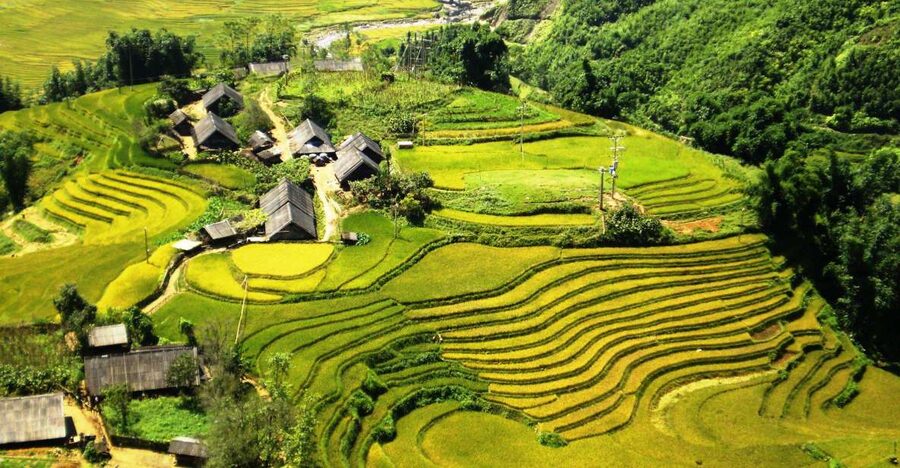
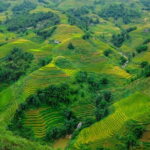
This trek is built around one idea: in Sapa, the views matter most when you’re walking where the locals walk. You’ll spend the day moving between terraced fields and villages on the tribal hill, with an English guide who helps you make sense of what you’re seeing.
I like that the route isn’t only about panoramas. You’re also learning about customs, habits, and ethnic minority life, so the landscapes have context—not just postcard angles.
You can also read our reviews of more tours and experiences in Sa Pa.


Hotel pickup and Sapa town walking: 08:00–08:45
The day kicks off between 08:00 and 08:45. Your guide picks you up from your hotel lobby in Sapa town, and the process can take longer because the guide walks hotel to hotel to collect everyone—expect roughly 30–45 minutes for that pickup stretch depending on your location.
That sounds slow until you remember you’re warming up. The town walk is a practical start: it helps you get your bearings and lets you see normal Sapa life before you head into the hills.
From Sapa to terraces: rice, corn, and potato fields on a more natural route
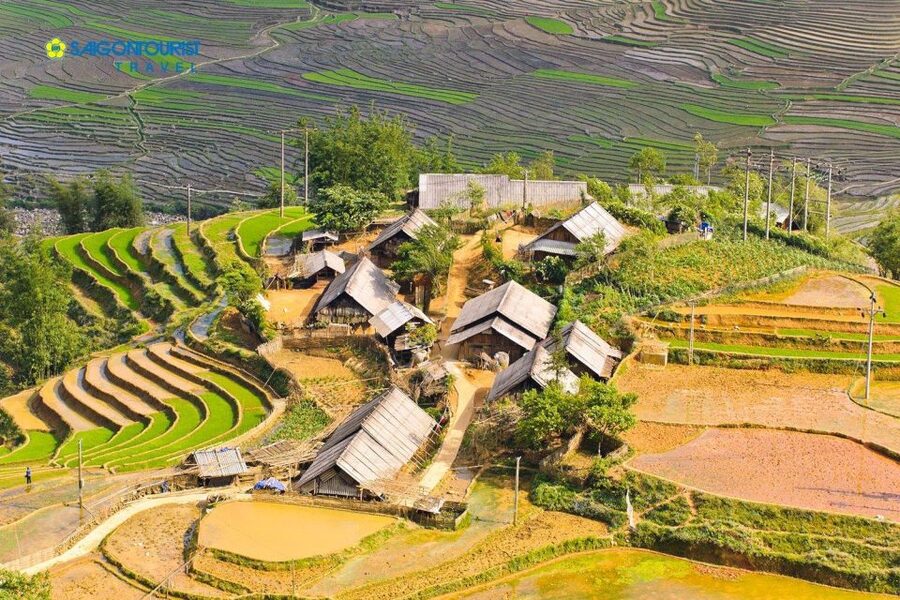
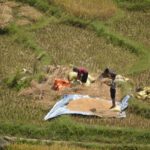
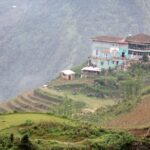
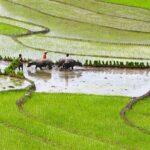
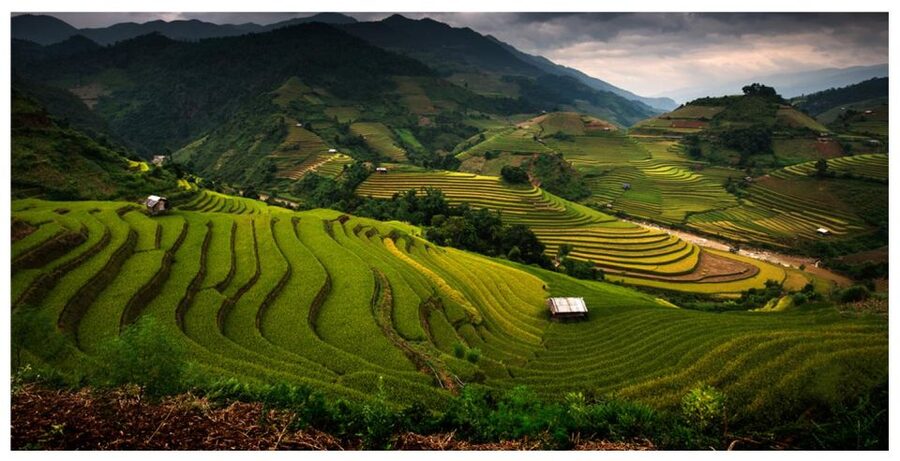
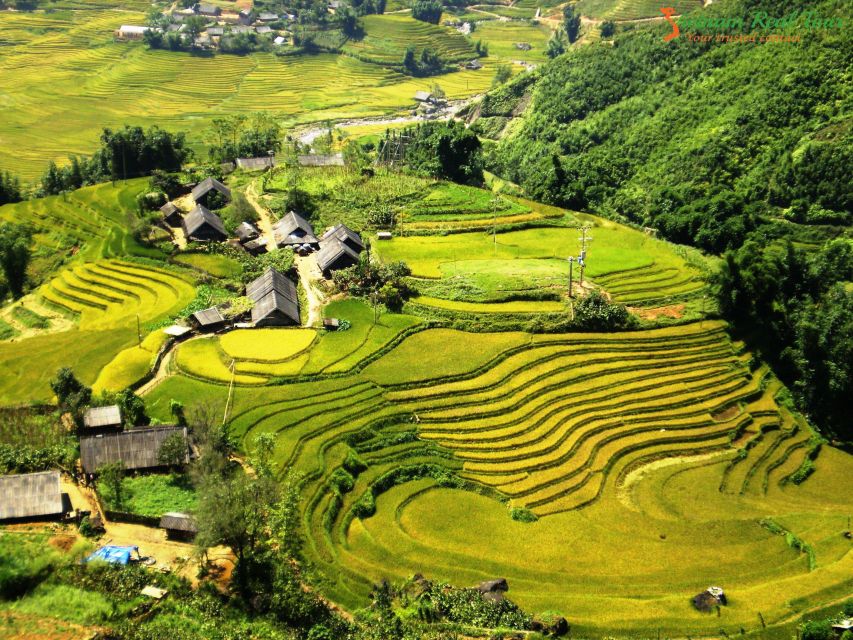
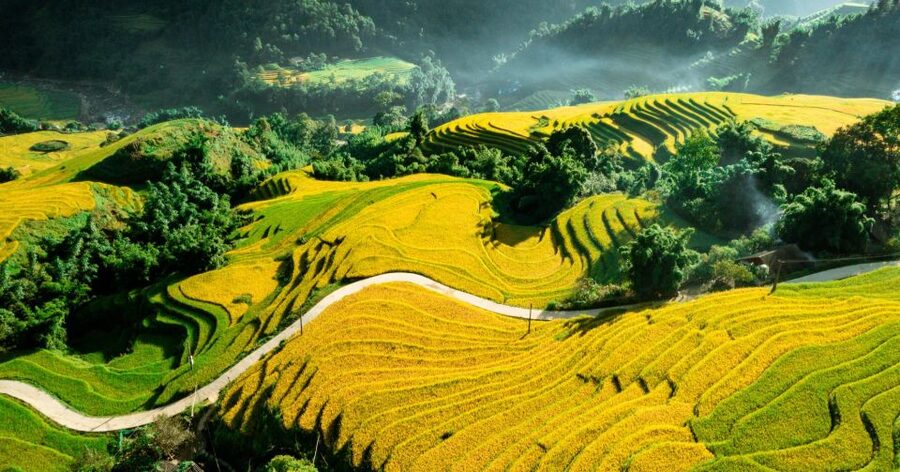
Once you leave town, you shift into field country. You’ll hike along terraced rice, with other crops in the mix like corn and potatoes, and you’re taken on a non-touristy route designed for quieter paths and fewer “stop-for-a-photo-then-go” moments.
What I find valuable here is that the terraces feel like a working system, not a theme park. The whole time, you’re moving step-by-step across farmland that’s shaped to catch light, water, and mountain weather.
You’ll also build a rhythm. The trek is paced for views and talking with your guide, with time to breathe the cool air and pause when the scenery opens up.
Lai Chai village and ethnic culture: what your English guide actually adds
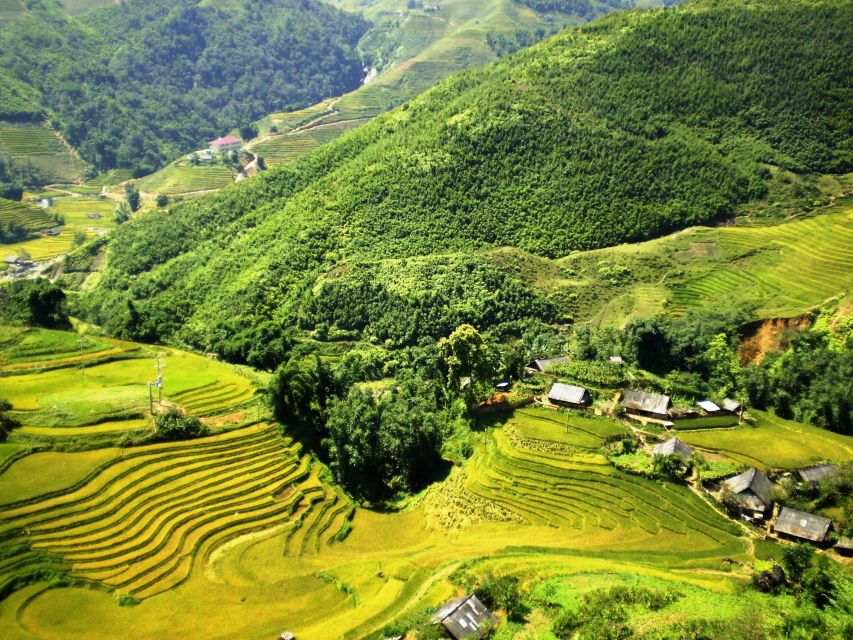
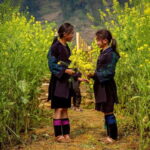
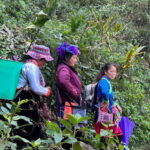
A key part of this experience is cultural context. You’ll make your way to Lai Chai, a smaller village on the tribal hill, and your guide shares how local ethnic minority communities live—through customs, habits, and day-to-day realities.
One of the best things I’ve learned from this kind of trek is that answers are rarely “textbook.” A guide from the community tends to give specifics—like what people do, how family life works, and what certain places are used for—so the visit feels grounded.
In one case, the guide (Mao) was especially attentive and even showed details from her own house and family life while walking and answering questions. That’s the difference between hearing facts and understanding how a place feels from inside.
Waterfall break and photo stops: built-in recovery time
You’ll stop at a waterfall during the hike. This is more than a quick snap: it’s where you can catch your breath, take photos, and reset your legs before lunch.
These pause points matter because your day includes real uneven ground. If you’re tempted to rush, try not to. Let the guide set the pace, because the best views tend to come with time to stop and look.



Bamboo forest paths, fog, and slippery footing: how to handle the real conditions
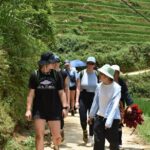
This trek can include bamboo forest sections, and weather can change the difficulty fast. In foggy conditions, paths can turn slick, and mud can make footing tricky even when you think you’re prepared.
I strongly recommend planning for wet-trail reality based on what you may experience here:
- Rubber boots can be a lifesaver when paths get muddy and slippery.
- Trekking poles can help with balance, especially on uneven slopes.
- If you’re not used to slippery trails, give yourself extra time and slow down on descents.
I also like that local support often shows up at the moments you need it. In one case, a local woman walking alongside helped someone avoid a fall when conditions were rough—proof that this route is navigated by people who know the terrain.
Lunch in a local restaurant: simple food, strong sense of place
After the hike, you head to lunch at a local restaurant. You’ll get a meal included in the price, with local cuisine that mixes different flavors rather than a standard buffet setup.
The practical win: lunch is scheduled after trekking, not before it. That means you actually have an appetite, and you’re eating while your body’s still in “I worked today” mode—which makes the meal taste better.
One small note: drinks aren’t included, so don’t count on getting everything sorted at the table. If you drink a lot of water during hikes, budget for it.
Shuttle back to Sapa: finish strong, not wiped out
Once you’re done with lunch, you return to Sapa. The experience includes a shuttle bus back to your hotel area in Sapa, which is a big deal after a 7-hour trek. You won’t have to figure out transport while your legs are bargaining with gravity.
If you still have energy afterward, you’ll often find yourself wanting to see Sapa town with fresh eyes. That early walking through town becomes useful later, because you understand where you are and what you’ve already passed.
Price and value: why $22 can be a smart deal in Sapa
At $22 per person for a 7-hour guided trek, this can offer good value, especially compared to half-day options. You’re getting several things that add cost on their own: hotel pickup and drop-off, a guided trek, village entry fees, an English live ethnic guide, lunch, and a shuttle back.
The real value is the balance. For this price, you’re not paying for views alone; you’re paying for local guidance and cultural explanation while you hike between terraces and villages.
The only consistent “missing piece” is drinks. That’s not unusual for tours, but it’s worth remembering so you don’t get surprised when you want something to drink.
Who this trek is best for (and who should skip it)
This is a walking trek with physical demands. It is not suitable for:
- children under 5
- people with back problems or heart problems
- wheelchair users
- people over 275 lbs (125 kg)
- people over 70
If you’re comfortable hiking on uneven ground and you’re okay with changing weather conditions, you’ll likely enjoy it. If your biggest goal is a relaxed stroll, this day may feel too active.
Also think about your expectations for “local.” You’ll be guided to villages and scheduled stops like the waterfall. That structure is part of how you get access, but if you want zero tour feel at all, this may feel a bit more organized than you imagined.
Should you book this Sapa Terrace and Village Trek?
I’d book it if you want terrace views + real village storytelling in one day. The mix of terraced rice/corn/potato fields, the Lai Chai village experience, and the fact that your guide can explain customs in English makes it more than a viewpoint hike.
Skip it if you’re worried about slippery conditions, uneven steps, or you can’t handle a full 7 hours on foot. And if you know you’ll hate muddy paths, plan your footwear carefully rather than assuming you’ll be fine.
If you do book, prepare for the terrain, not the postcard weather. Bring rubber boots if there’s fog or wet conditions, move slowly on descents, and let the guide set the pace. You’ll come away understanding Sapa in a way a cable-car viewpoint never can.
FAQ
What time does the pickup start?
Pickup is scheduled between 08:00 and 08:45, and your guide collects guests from hotel lobbies in Sapa town. Depending on where your hotel is, the pickup process can take about 30–45 minutes.
How long is the trek?
The experience lasts about 7 hours total.
Is lunch included, and what about drinks?
Lunch at a local restaurant is included. Drinks are not included.
Will the guide speak English?
Yes. The live tour guide speaks English.
Do you visit specific villages and cultural sites?
You’ll trek through terrace fields and make your way to Lai Chai, a small village on the tribal hill, with a local ethnic guide who explains customs and daily life.
Is the walking suitable for everyone?
No. It’s not suitable for people with back problems or heart problems, wheelchair users, and certain age/weight limits are listed (children under 5, and people over 70 or over 275 lbs / 125 kg).