Two days on Toubkal feels like a reset button. You start in the Berber village of Imlil, climb toward a mountain refuge, then chase sunrise views with a very early summit push.
What I like most is the practical organization: a pickup that leaves Marrakech at 8:00 am sharp, air-conditioned transport, and a team that keeps the rhythm tight. I also love that the food is built into the plan, from a cook-prepared picnic lunch on Day 1 to a 5:00 am breakfast on Day 2 so you’re fueled for the uphill.
One consideration: this is real walking in high altitude, and the tour depends on good weather. If you’re not into early starts or you get stressed by altitude, plan on taking it slow and packing for cool mountain conditions.
In This Review
- Key highlights before you go
- Why this 2-day Mt Toubkal trek works so well from Marrakech
- Getting from Marrakech to Imlil by 8:00 am
- Day 1 through the Atlas: shrine, picnic lunch, and the climb to the refuge
- Overnight at the mountain refuge: comfortable shelter, simple setup
- Day 2 sunrise summit push: breakfast at 5:00 am and the climb to Toubkal
- Food and pacing details that make this trek feel manageable
- Guide and driver quality: the real difference you’ll feel
- Price and value: what’s included for $128.55
- What to pack and what to confirm before you go
- Who this trek suits best
- Should you book this Mt Toubkal 2-day trek?
- FAQ
- What time does the tour start?
- How long is the Mountain Toubkal trek?
- Is pickup included?
- What meals are included?
- Where do we stay overnight?
- Do I need my own trekking equipment?
- What’s the group size limit?
Key highlights before you go
- 8:00 am Marrakech pickup with an air-conditioned car and bilingual driver
- Imlil at 1,740 m: the foothills gateway at about 65 km from Marrakech
- Sidi Chamharouch shrine: a small cultural stop on the way up
- Overnight in a mountain refuge around the 10,500-foot zone
- Day 2 ascent begins around 5:30 am after breakfast and a short fuel break
- Small group size (max 10) for a calmer trek pace
Why this 2-day Mt Toubkal trek works so well from Marrakech
Mt Toubkal is the big-name peak in Morocco, and doing it in two days is a sensible way to experience it without turning your vacation into a logistics project. You’re not just getting “a walk”; you’re getting a guided, staged plan with an overnight in the mountains, plus meals timed to match the climbing.
The value here is mostly about coordination. A lot of things that are annoying to organize yourself are handled for you: transport from Marrakech, a professional mountain guide, accommodation at the refuge, and meals built into the schedule (breakfast, dinner, and lunch—twice). At $128.55 per person, that package can be cheaper than piecing together a guide, meals, and lodging separately.
Just keep your expectations tuned to a two-day reality: it’s intense enough to feel meaningful, but it’s still a short timeline. You’ll spend Day 1 climbing and reaching the refuge area, then Day 2 doing the summit push and return.
You can also read our reviews of more tours and experiences in Marrakech.
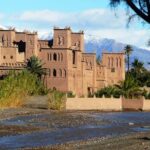
Getting from Marrakech to Imlil by 8:00 am
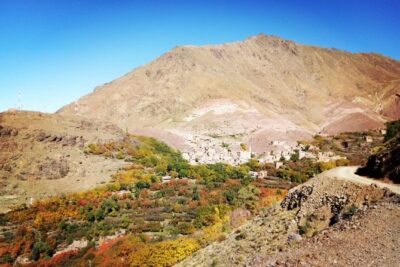
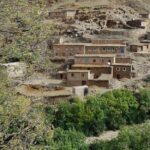
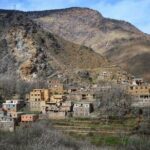
Your day starts with pickup at 8:00 am, and the plan is to leave Marrakech at 8:00 am sharp. That matters more than it sounds. The drive takes you about 65 km (40 miles) south to Imlil, the Berber village used as the common base for Atlas treks.
Imlil sits at 1,740 metres (5,700 feet), so even the first leg already puts you in altitude territory. The ride is described as comfortable and air-conditioned, with a bilingual and friendly driver. That’s useful because you’ll arrive having spent less energy on travel stress and more on the first part of the trek.
If you want an easy start, this is the right style: get picked up from your hotel or hostel, get to Imlil efficiently, and begin hiking without a scramble for local transport.
Day 1 through the Atlas: shrine, picnic lunch, and the climb to the refuge
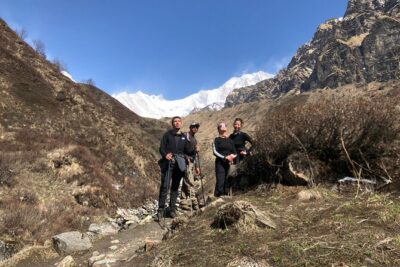
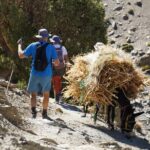
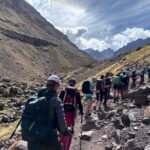
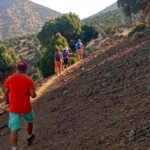
Day 1 begins in Imlil and builds up the altitude steadily. You’ll pass the mountain shrine of Sidi Chamharouch, which is one of those brief moments that gives context to the route. It’s not a long detour, but it helps you feel like you’re moving through lived-in mountain space, not just a trail on a map.
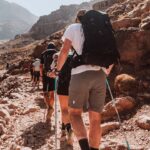
Then comes the rhythm of the hike: you move up through the mountains with the group and guide, and you’ll stop for a picnic lunch prepared beforehand by the cook. That detail is a big deal for real trekking days. You’re not negotiating lunch on the go—you’re getting a planned meal so you can keep pace.
As you climb, the plan notes you’ll be well over 8,000 feet and, later, reaching about 10,500 feet where there’s a refuge. You’ll take breaks along the way, and the itinerary is set up to get you to the overnight point without rushing you into burn-out.
What you should watch for on Day 1:
- You’ll gain altitude gradually, so pace yourself rather than competing with your own excitement.
- The trek includes multiple rest points, including a short break before continuing upward.
- You’ll finish the day at the refuge for dinner and accommodation, setting you up for the early summit start.
Overnight at the mountain refuge: comfortable shelter, simple setup
The whole point of the overnight is to make the Day 2 sunrise and summit attempt realistic. Instead of sleeping somewhere far away and waking up exhausted, you’re already in the mountain zone when you go for the main climb.
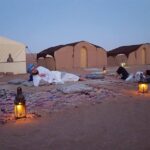
You’ll stay in a comfortable refuge for dinner and lodging. There’s also a seasonal note: in the summer months, there may be an option to use tents to sleep at night. That tells you something important about what the organizers think about conditions—sleeping arrangements can adjust with weather and season.
One helpful practical detail that’s come up for people on this route: the shelter is quite large, and you generally don’t need to bring a sleeping bag because the blanket provided is said to be enough. That doesn’t mean you shouldn’t pack warm layers, but it does reduce how much gear you have to carry.
My advice for comfort:
- Bring layers you can add and remove fast.
- Treat the overnight as part of your hiking day, not a hotel stay—your goal is warmth and recovery, not luxury.
Day 2 sunrise summit push: breakfast at 5:00 am and the climb to Toubkal
Day 2 starts early for a reason. You’ll have a powerful sun in the morning, and the early start helps you begin the ascent while conditions are more manageable.
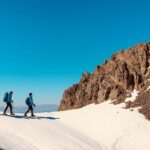
Breakfast is served at 5:00 am, and the itinerary aims to start the ascent by about 5:30 am. Most of the climb is described as uphill walking, taking around four hours to complete, with a short break about halfway up. That timing is useful because it gives you a sense of how long the hardest push lasts.
On the way up, you’ll be fed during the climb—nuts, oranges, and water—so you’re not trying to solve snacks while climbing. As you gain height, the plan says you’ll see distant views and splendid sights, and once you reach the summit you can rest for around 45 minutes.
Then it’s back down the same route. Expect photos, a bit of summit breathing time, and then a descent that still takes effort even after you’re satisfied.
If you’re a slower hiker, this can still work, but it helps to understand the trade: your total time on the mountain is fixed by the schedule. The upside is that the guide keeps the plan moving and the food stops you from getting under-fueled.
Food and pacing details that make this trek feel manageable
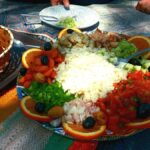
A lot of people underestimate how much stress food timing can add on hikes. Here, meals are stitched into the itinerary in a way that reduces decision fatigue.
Included meals:
- Breakfast (served at 5:00 am on Day 2)
- Dinner
- Lunch x2: one is a picnic lunch prepared by the cook on Day 1
Plus, on Day 2 you get nuts, oranges, and water while climbing. Those small, practical items help you keep steady energy without carrying extra heavy snacks.
For value, I think this is where the money actually shows. Instead of you guessing what to buy, and instead of you spending time stopping for food, the trek uses scheduled meals and snack breaks to keep you on track.
Guide and driver quality: the real difference you’ll feel
This is a guided mountain experience, and the guide can make or break your day—especially when the schedule starts early and the ascent is demanding.
The information you have suggests a professional mountain guide plus a coordinated transport team. Several guide and driver names show up as examples people associate with smooth service and good communication, including:
- Guides such as Omar, Mohamed, and Rachid
- Drivers/transport coordinators such as Ayoub Belgot, Zacharia, and Abderrahman abbassi
You can treat these names like signals of the kind of service style you’re booking: punctual, friendly, and able to explain what’s happening around you—culture, country, and the mountain routine.
A practical way to think about it: in the Atlas Mountains, a guide isn’t just “someone walking in front.” They’re the person keeping you safe, setting pace, and managing timing so you get the sunrise and summit window.
Price and value: what’s included for $128.55
At $128.55 per person, you’re paying for much more than a map-led walk. The included items are the backbone:
- Pickup offered
- Tour guide
- Accommodation at the refuge
- Breakfast and dinner
- Lunch (2)
- Mobile ticket
Also, the group is small, with a maximum of 10 travelers, which usually means you spend less time waiting around and more time walking at a manageable pace.
Could you do this cheaper on your own? Maybe, but then you’re taking on the planning load: finding a qualified guide, arranging lodging in the right place, and timing meals for early sunrise. For many visitors, that’s not a fair trade. The included structure is the value.
A smart note: this is commonly booked about 10 days in advance on average. If you want a particular day, don’t wait until the last minute, especially around weekends and peak seasons.
What to pack and what to confirm before you go
The tour info is clear about one key document and equipment point: take your equipment and your passport. If you don’t have the right gear, you can rent it there.
Beyond that, pack for mountain reality:
- Wear boots or solid trekking shoes with good grip.
- Bring warm layers for early mornings and the overnight refuge.
- Carry a small amount of water you can manage comfortably, even though you’ll have water provided during the climb on Day 2.
One more practical check: the experience requires good weather. If weather turns, you’ll be offered a different date or a full refund. That’s standard for this kind of trek, but it’s still worth planning with some flexibility.
Who this trek suits best
This works especially well if you’re:
- Traveling with friends or family and want a guided adventure without complex planning
- Excited by the idea of a summit attempt with a structured schedule
- Comfortable with early mornings and a couple of hard uphill hours
It may be less ideal if:
- You don’t like hiking in high altitude
- You struggle with steep, sustained walking
- You’re hoping for a relaxed schedule where you choose your own start time
The good news is that the plan says most travelers can participate, and the guide role is exactly what helps different fitness levels handle the route safely.
Should you book this Mt Toubkal 2-day trek?
Yes, I’d book it if you want the classic Mt Toubkal experience with the hard parts handled for you: transport, guide, refuge overnight, meals, and a sunrise summit plan.
Choose it with your eyes open if you’re sensitive to early starts or you’re not used to uphill walking at altitude. In that case, consider booking with a focus on pace, layers, and letting the guide set the tempo.
If you like structured days, small groups, and a real mountain overnight, this is a strong pick from Marrakech—one of those rare tours where the itinerary details (like breakfast timing and snack stops) actually matter once you’re on the trail.
FAQ
What time does the tour start?
The tour start time is 8:00 am.
How long is the Mountain Toubkal trek?
It’s a 2-day experience (approximately).
Is pickup included?
Yes, pickup is offered from your accommodation.
What meals are included?
The tour includes breakfast, dinner, and lunch (two lunches total).
Where do we stay overnight?
You’ll have an overnight stay in a comfortable refuge. In summer months, there may be an option to use tents to sleep at night.
Do I need my own trekking equipment?
You should take your equipment, but if you don’t have it, you can rent it there.
What’s the group size limit?
The tour has a maximum of 10 travelers.