REVIEW · RISHIKESH
Chandrashila and Tungnath Himalayan Trekking and Camping
Book on Viator →Operated by Yeti Outdoors · Bookable on Viator
Summit views and starry camps in Uttarakhand. I love the two-for-one payoff of Tungnath–Chandrashila (including a sacred high point) plus the calm, fairy-tale mood of Deoriatal lake. I also like that your trek leadership is in good hands, with guides named in real trip feedback like Rishabh and Manish Badoni. The main drawback to plan around is that the final climb from Tungnath temple toward Chandrashila is steep, and altitude can bother some people, so it’s not automatically kid-friendly.
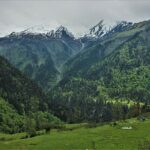
This is the kind of Himalayan outing that feels like a break from regular life, even though it’s well organized and easy to access. You’ll walk through pine, deodar, and rhododendron forests, then camp under the stars, with mountain views that show up again and again when the weather plays along. Just remember: because conditions can change fast, you’ll want a flexible attitude and proper trekking layers.
In This Review
- Key highlights you’ll feel fast
- Why this trek feels special: sacred peaks plus a real lake day
- Route snapshot: from Rishikesh base to the trailhead
- Day-by-day flow: what you’ll do and what to watch for
- Day 1: travel, then settle into the mountain pace
- Day 2: forests and meadows—easy terrain with big scenery rewards
- Day 3: Deoriatal lake and that calm, almost magical stop
- Day 4: turn toward Tungnath
- Day 5: Tungnath temple area, then Chandrashila summit push
- Day 6: descent, regrouping, and the end of the trek
- Tungnath–Chandrashila: what the steep part really means
- Deoriatal lake: the wildlife-and-quiet break you’ll remember
- Camping setup: tents, sleeping bags, and coping with night chills
- Price and value: what $155.76 buys you (and what it doesn’t)
- Guides and group feel: small details that reduce hassle
- Weather and gear: how to stay comfortable when conditions swing
- Who should book this trek (and who should think twice)
- Should you book this trek?
- FAQ
- FAQ
- How long is the Chandrashila and Tungnath trek?
- What is the highest altitude reached on this trip?
- Is this trek suitable for beginners?
- What’s the best time of year to go?
- What’s included in the price?
- What’s not included?
- Where do we meet, and what time does it start?
- Is there free cancellation?
Key highlights you’ll feel fast
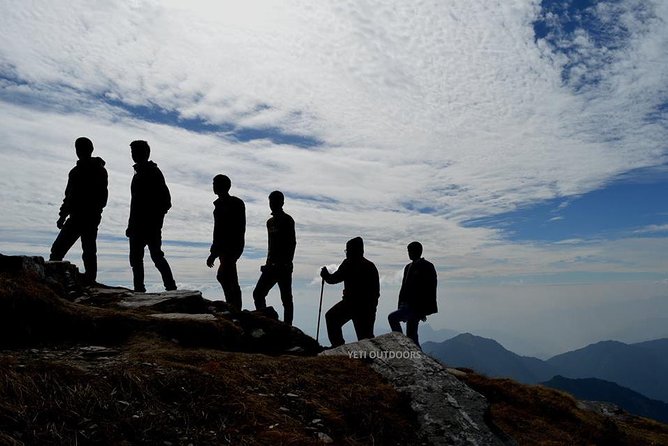
- Tungnath to Chandrashila in one run: you hike past one major spiritual stop and continue to the higher summit viewpoint.
- Deoriatal lake moments: a quiet pause with birds and even wildlife sightings when you’re lucky.
- Camping included, not optional: tents and sleeping bags are part of the package, and you camp during the trek.
- Early-start tactics for a 360 view: timing matters for clearer horizons around the summit.
- Steep last leg reality check: the final push is where many people feel it most.
Why this trek feels special: sacred peaks plus a real lake day
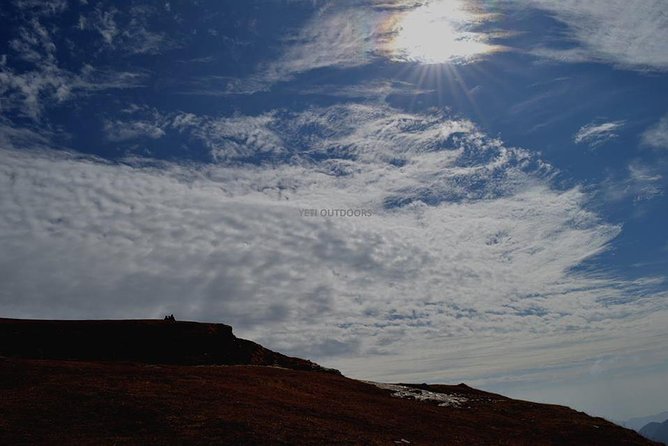
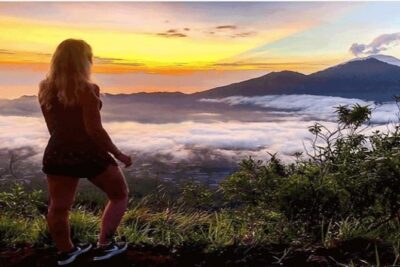
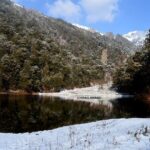
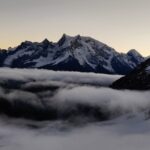
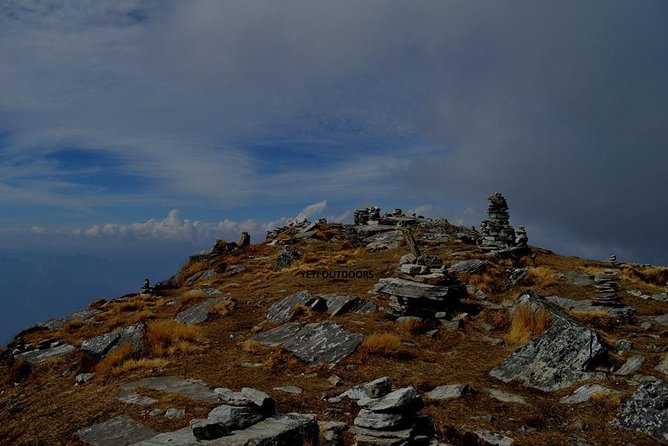
The Chandrashila and Tungnath trek stands out because it mixes two kinds of beauty without wasting time. On one side you get the big ticket mountain drama, walking up toward Chandrashila at a maximum altitude of 3992m/13100 feet. On the other side you get a softer, slower scene at Deoriatal—an alpine-feeling lake setting that’s described as almost storybook, with birds and animals coming to drink from the water.
You also get a spiritual layer that isn’t just a photo stop. Tungnath is known as the highest Shiva shrine in the world, and that matters because it shapes how people move through that section—more reverent, more paused, less rush-and-snap. That shift can actually make your trek feel more varied, even if the overall route is short by Himalayan standards.
You can also read our reviews of more tours and experiences in Rishikesh.
Route snapshot: from Rishikesh base to the trailhead
This trip is based around Rishikesh, with pickup offered in some cases, and it runs from the meeting point at Yeti Outdoors. Start time is 9:00 am, and the activity ends back at the same meeting point.
One practical detail: road travel can look like a mini-adventure. In real trip logistics shared by past hikers, the group met at Dehradun ISBT, then took a bus to Ukhimath, and finished with a jeep ride to Sari village. That kind of road leg is scenic and often reduces the stress of figuring out connections on your own.
What you should take from this: you’re not just buying a hike. You’re buying the whole smooth handoff—from city pickup time to the first hours on foot—so you spend your energy on the trail instead of ticket hassles.
Day-by-day flow: what you’ll do and what to watch for
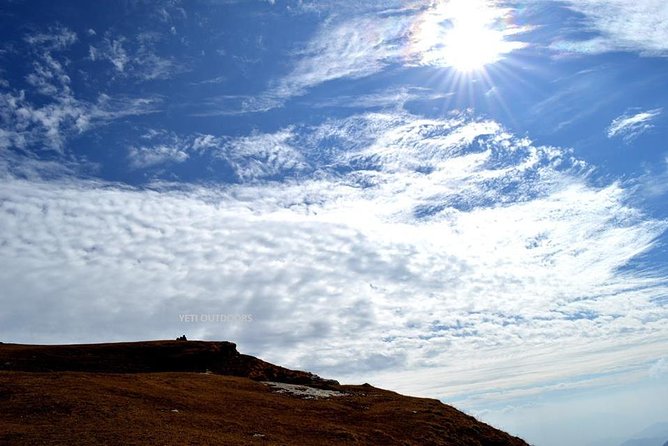
Because this is a 6-day trek and the package emphasizes camping and meals on trek, your schedule is built around multiple days of walking with rest and setup built in. Here’s the practical rhythm you should expect.
Day 1: travel, then settle into the mountain pace
You’ll start with the organized transfer from the Rishikesh area and move toward the trekking region. If your group follows the same common route pattern described earlier, you’ll use a bus and then a jeep before the actual hiking begins.
This day is about logistics and getting your body ready. Even if you’re excited, keep your pace calm and your water intake steady.
Day 2: forests and meadows—easy terrain with big scenery rewards
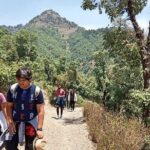
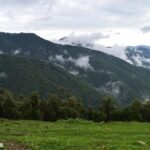
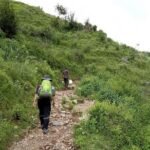
The trek is listed as easy, and that shows up early in the form of walking through evergreen pine, deodar, and rhododendron forests and along lush green meadows. This is where you build confidence: steady footing, fewer big altitude shocks, and plenty of chances to stop for views.
This is also a good day to test your gear. If your boots rub or your rain layer isn’t right, you’ll know early.
Day 3: Deoriatal lake and that calm, almost magical stop
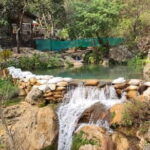
Deoriatal is one of the most memorable parts of the route. You’ll walk toward the lake area, and once you’re there, the scene is often described as fairy-tale-like. You may also spot animals and birds drinking sparkling water from the lake—those small moments are why this trek doesn’t feel like a race to a single summit.
If you’re photography-minded, this is the day for patience. Lake light changes quickly, and you’ll get better results by staying a bit longer rather than sprinting for the next viewpoint.
Day 4: turn toward Tungnath
As you move closer to Tungnath, the trek becomes more about direction and altitude feel. Tungnath sits around 3680m, so the air gets noticeably different compared with the lower forest sections.
Even on an easy-labeled trek, this is where you should start paying attention to breathing. Slow down your pace—not your determination—and you’ll feel better for the next day.
Day 5: Tungnath temple area, then Chandrashila summit push
This is the make-or-break day for many hikers. The spiritual stop at Tungnath is part of your approach to the final summit.
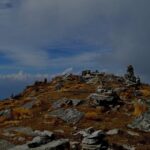
Then comes the steep reality check: the last leg of about 2 km between Tungnath temple and Chandrashila peak is highly steep and difficult for some people. It’s short, but it’s not a gentle stroll.
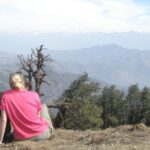
A strong tip from real trek feedback: start early and aim to reach the summit by around 11:00 am for a fuller 360-degree mountain view. Early starts also help you avoid the worst of wind and harsh sun, which can show up even when conditions look calm in the morning.
Day 6: descent, regrouping, and the end of the trek
Your final day is all about coming down safely and enjoying the afterglow. Descent can feel easier mentally but harder on the knees, so take your time.
You’ll end back at the meeting point, returning to the base area as arranged.
Tungnath–Chandrashila: what the steep part really means
The trek is often described as easy, and that’s true for the overall trail approach. But Chandrashila adds a different kind of difficulty—one that isn’t measured by distance alone.
Here’s the plain truth you should plan around: if you can handle uneven paths and a steep climb for a short burst, you’ll likely do fine. If you need frequent breaks, bring them. If you push too fast, altitude and effort will catch you.
You should also know the summit section can bring mixed weather—scorching sun, strong winds, and showers are possible. In other words, don’t assume you’ll only get one type of condition. Layering matters more than finding the perfect day forecast.
Deoriatal lake: the wildlife-and-quiet break you’ll remember
Most treks either go all summit all the time, or they go all forest all the time. Deoriatal is the in-between: a quieter, open-feeling stop that resets your senses after steeper sections.
This is where I’d expect you to slow down. Watch for birds near the water, and if you see animals drinking, keep your distance and let the moment stay calm. This isn’t about chasing wildlife—it’s about noticing it.
And yes, it’s also a morale booster. When you’re walking a lot, you need at least one day where the reward is serenity, not just a view.
Camping setup: tents, sleeping bags, and coping with night chills
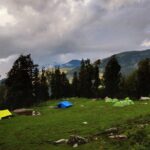
Camping is part of the package, and what I like is that tents and sleeping bags are included. That cuts down on decision fatigue: you don’t have to source bulky gear on your own.
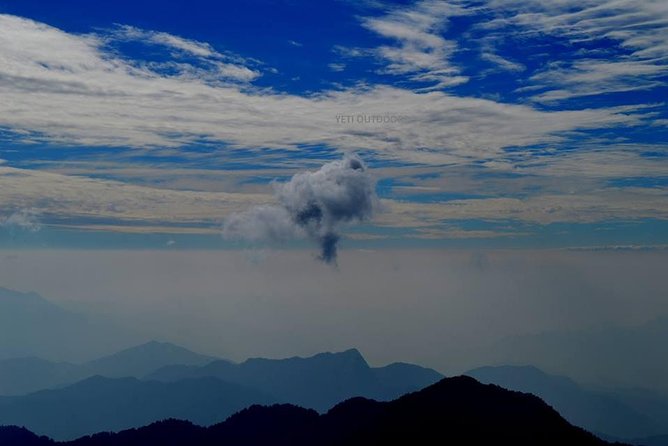
Starry skies are part of the experience description, and that’s one reason camping here can feel special. Nights in the mountains can be clear and cold, so your sleeping setup matters. Since sleeping bags are provided, you’re starting from a better baseline.
Still, treat this as a layering trip. Even with a good sleeping bag, you’ll want the right socks and a warm layer for when you step outside at night.
Price and value: what $155.76 buys you (and what it doesn’t)
At $155.76 per person for roughly 6 days, the value comes from how much is bundled. This isn’t just a guide-led walk.
What’s included:
- All meals on trek
- Use of tents, sleeping bags, and technical/kitchen/camping equipment
- Entry fees and permits
- Guide, cook, helpers, and porters/mules
- All fees and taxes
What’s not included:
- Insurance and claims due to natural issues like landslides or road blockage
- Personal expenses
- Food and stay in Mussoorie and food during transit
- Transportation can be arranged on request for an additional charge (even though pickup may be available)
My take: the real value isn’t the walking alone. It’s the combination of meals, permits, camping gear, and the on-the-ground support crew. That support is the difference between feeling like a hike and feeling like you’ve got a plan.
If you already have trekking gear and don’t need meals included, you might compare costs with other trips. But if you want a low-stress, well-organized experience, this price can feel fair.
Guides and group feel: small details that reduce hassle
This is a private tour/activity, meaning only your group participates. That typically helps with coordination and makes it easier to keep the day flow on track.
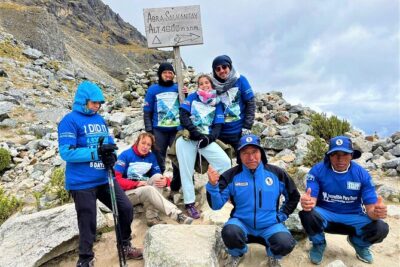
Guide leadership shows up in the feedback through named trek leaders like Rishabh and Manish Badoni. One thing I’d take from that: good navigation and a known route make the trek feel calmer, especially when weather shifts.
Also, the trip notes group discounts and provides a mobile ticket, both of which are simple but helpful for budgeting and day-of convenience.
Weather and gear: how to stay comfortable when conditions swing
This region can throw mixed conditions at you. One piece of direct advice from real experiences: expect uncertainty. You might see scorching sun, winds, and showers on the same overall trek window.
So here’s the practical approach:
- Bring a rain layer even if the morning looks clear
- Plan for wind protection near higher points
- Use layers you can add/remove quickly
- Don’t treat the trek like a summer walk just because some days look bright
And for the summit window: early starts help you catch better visibility. If you delay, you risk arriving later when clouds and wind become more annoying.
Who should book this trek (and who should think twice)
This is a strong pick if you want:
- An easy trek label with plenty of supportive infrastructure
- A real summit goal at Chandrashila
- A calm wildlife-and-lake day at Deoriatal
- Camping with included gear and meals on trek
You should think twice if:
- You’re very sensitive to altitude (and especially if you’re traveling with children)
- You dislike steep sections, even if they’re short
- You don’t want to deal with weather changes like wind and showers
Should you book this trek?
If you want a Himalayan trip that checks multiple boxes—forest walking, a serene lake break, and a high, sacred summit viewpoint—this is a solid choice. The included camping gear, meals, permits, and support crew make it easier than planning everything yourself, and the summit timing tip (aiming to reach by about 11:00 am) is the kind of detail that really helps on the ground.
If your main priority is a completely gentle trail with no steep pinch, this trek may feel like more work than the easy label implies. But if you can handle a steep 2 km push and plan for altitude with a slower pace, it’s the kind of trek you’ll remember for the views—and the quiet Deoriatal moments—long after the descent.
FAQ
FAQ
How long is the Chandrashila and Tungnath trek?
The trek runs for 6 days (approx.).
What is the highest altitude reached on this trip?
The maximum altitude listed is 3992m/13100 feet.
Is this trek suitable for beginners?
It’s listed as an easy trek and is described as doable due to accessible terrain, but there is a steep last leg near the summit section and altitude can be an issue for some people.
What’s the best time of year to go?
The best time to go is all year around.
What’s included in the price?
Included items are tents and sleeping bags, technical and kitchen equipment, all meals on trek, entry fees and permits, and the services of guides, cooks, helpers, porters, or mules, plus fees and taxes.
What’s not included?
Not included are insurance and claims due to natural calamities like landslides or road blockage, personal expenses, stay/food in Mussoorie, and food during transit. Transportation can be arranged on request for an added charge.
Where do we meet, and what time does it start?
Meet at Yeti Outdoors with a start time of 9:00 am. The activity ends back at the meeting point.
Is there free cancellation?
Yes. Free cancellation is available up to 24 hours before the experience start time for a full refund. The trip can also be changed or refunded if weather is poor or if the minimum number of travelers isn’t met.