Nag Tibba feels reachable in two days. This trek from Pantwari pairs you with an expert trek leader for a safer route and easier navigation, and you also get camping equipment plus meals so you don’t spend your vacation shopping for gear.
One thing to plan for: insurance is not included, so make sure you’re covered before you go.
In This Review
- Key highlights you’ll actually care about
- Naag Tibba in context: why this works from Rishikesh
- Start day logistics: Yeti Outdoors, pickup, and your first checklist
- Day 1 from Pantwari to the base camp: a gradual warm-up with real payoff
- Camp life basics: tents, meals, and what the support crew changes
- Day 2 summit strategy: early start, Nag Tibba top time, and back by lunch
- Safety and navigation: how the leader and team keep the route simple
- What you’ll likely see on the trail (and what to expect from the scenery)
- Price and value: what $53.93 covers (and what it doesn’t)
- Timing, confirmation, and small details that can save you stress
- Who this trek suits best (and who should rethink it)
- Should you book the Naag Tibba Trek with Yeti Outdoors?
- FAQ
- FAQ
- How long is the Naag Tibba Trek?
- Where do we meet and where does the trek end?
- Is pickup included?
- What camping gear is included?
- Are meals included?
- Does the trek include permits and a support team?
- Is this a private tour?
- Are service animals allowed?
- What’s the cancellation and weather policy?
Key highlights you’ll actually care about
- Pantwari base-camp setup starts with a gradual ~3-hour walk, so day 1 is about settling in and getting your legs moving.
- Tents, camping gear, and technical equipment are included, meaning you pack lighter and the team handles the hard logistics.
- Day 2 is an early push to Nag Tibba, with summit time built in and a return to camp by lunch.
- Meals come with the trek (breakfast, dinner, and lunches), so you’re not hunting for food on the trail.
- A support crew is part of the plan, including guides, cooks, helpers, and porters/mules, which helps keep your day focused.
- It’s a true private experience, so your group only travels with your own party while still getting the team around you.
Naag Tibba in context: why this works from Rishikesh
If you want Himalayan views but don’t want to live out of a backpack for a week, Naag Tibba is a smart fit. The trek structure is built for two days: you walk up from the village of Pantwari, camp at the base area, then go for the summit early the next morning.
I like that the emphasis here is practical. You get an expert leader with proper mountaineering training, and you’re not left to figure out routes or timing by yourself. You’re also not expected to bring your own camping setup, since tents and gear are included.
You can also read our reviews of more tours and experiences in Rishikesh.
Start day logistics: Yeti Outdoors, pickup, and your first checklist
The meeting point is Yeti Outdoors, and the trek ends back at the same place. Pickup is offered, which matters on a trip like this because getting to the trailhead can be the difference between a smooth start and a stressful one.
The office is open Monday through Sunday, 8:00 AM to 4:00 PM, and you’ll use a mobile ticket. If you book close to your travel date, you’ll get confirmation as soon as possible (depending on availability), so try not to wait until the last minute.
Practical tip: if your plan includes onward travel after the trek, keep a little flexibility. The schedule includes getting you back toward Mussoorie, but it doesn’t include your stay or meals there.
Day 1 from Pantwari to the base camp: a gradual warm-up with real payoff
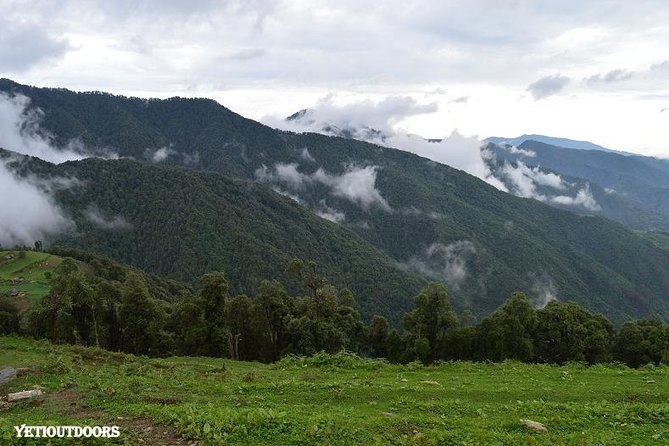
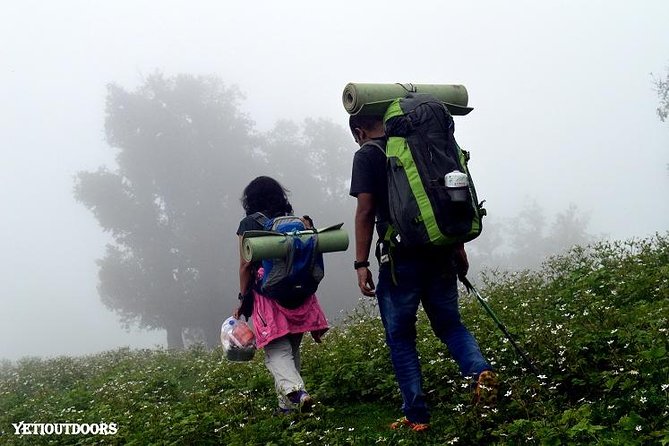
Day 1 begins in Pantwari and you walk toward the mountain base with a gradual climb of around 3 hours. This pacing is helpful because it lets you transition from road life to trail life without feeling instantly crushed.
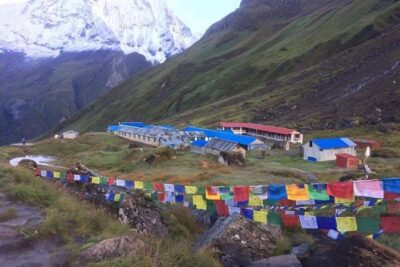
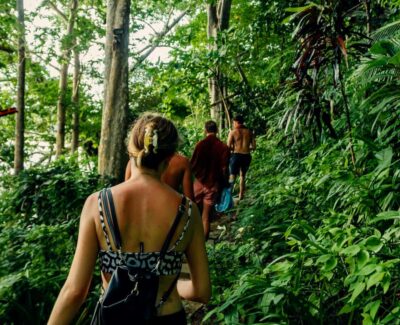
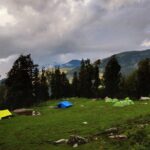
Once you reach the base area, you camp there. The evening is free to explore the forest, which is exactly the kind of decompress time I look for on mountain trips. You’re surrounded by Himalayan woodland, and many people remember the feel of oak and rhododendron forests along this kind of route.
Also, this is where the included setup really shows value. You’re not carrying tents or technical gear. The trek includes tents and camping equipment, and the team covers the equipment side so your energy goes into hiking and enjoying the evening.
Camp life basics: tents, meals, and what the support crew changes
This trek includes breakfast and dinner, plus two lunches across the two days. That’s a big deal. When meals are handled, you’re less distracted, and you can focus on pacing, hydration, and the views.
Behind the scenes, you also have a support layer: guides, cooks, helpers, and porters/mules. You still hike, but you’re not doing the full logistics math in your head all day. Permits are included too, which removes another paperwork hurdle that can slow down outdoor plans.
One more practical note: since the trek includes all technical and common equipment (tents and related gear), you don’t need to hunt for rentals locally. That’s one of the best ways to get good value on short treks like this: the package handles the expensive, annoying stuff.
Day 2 summit strategy: early start, Nag Tibba top time, and back by lunch
Day 2 starts early in the morning to reach the top of Nag Tibba. This matters because summit conditions change fast, and early timing is typically how teams manage both daylight and comfort.
After admiring the summit, you return back toward the camp area and reach it by lunch. Then you move back toward Pantwari and start the journey toward Mussoorie afterward.
Be aware of what’s not covered on this back end: stay and food in Mussoorie and food during transit are not included. So if your plan is to travel onward the same day, build in time buffers and budget for meals after the trek wraps.
Safety and navigation: how the leader and team keep the route simple
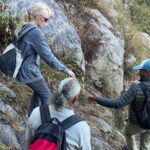
The trek is set up as a safe hiking experience with an expert trek leader traveling with you. The leader is described as trained through basic/advanced mountaineering courses, which is exactly the kind of credential you want on mountain routes.
From real trip stories tied to this trek, the guide team can include leaders like Manish, with assistants such as Rishabh and Ashish. That can matter because you want someone who answers questions clearly and keeps the group moving at a safe pace.
Also, the trip is designed to reduce the risk of getting lost. Instead of you acting like a map app, you follow the guide’s route and timing. On a short trek, that’s huge because it protects your limited time on the mountain.
What you’ll likely see on the trail (and what to expect from the scenery)
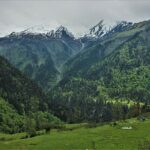
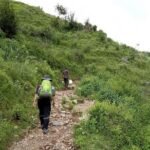
Even without turning this into a nature encyclopedia, you can expect classic Himalayan scenery in sections. This route is associated with oak and rhododendron forests, then shifting to open areas as you gain height.
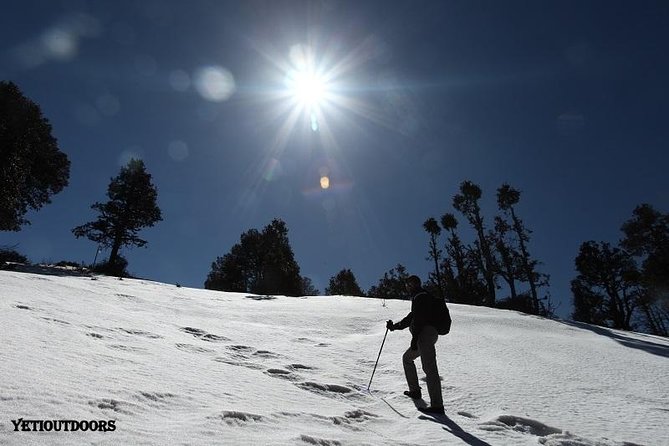
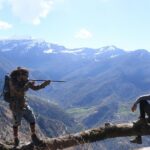
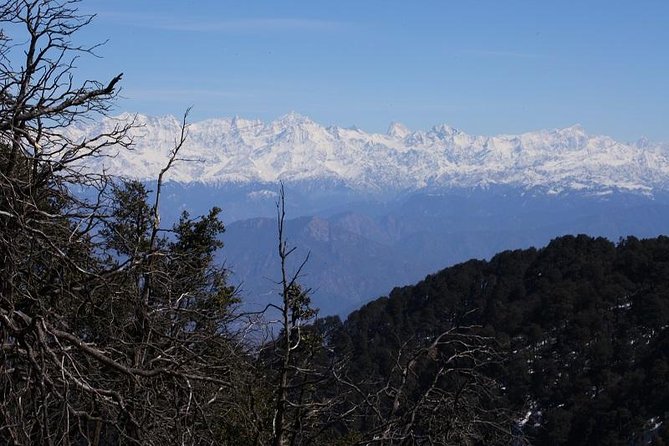
At the summit, you’re there for mountain views. Snow-capped peaks show up in the memories people share from this region, and the early start on day 2 is geared toward having that summit moment in daylight and workable conditions.
The honest tradeoff: this is not a casual stroll. You’ll hike uphill and you’ll camp. The upside is that it’s short enough that you can recover and still feel like you really went somewhere.
Price and value: what $53.93 covers (and what it doesn’t)
At $53.93 per person for a roughly 2-day trek, this is mostly good value because the package covers the things that usually add cost fast on small-group treks.
You’re getting:
- Camping equipment and tents
- Technical and common gear
- Permits
- Meals (breakfast, dinner, and lunches)
- A team including guides and support staff
What you still pay for:
- Private transportation (if you want it separately)
- Insurance
- Stay and food in Mussoorie and food during transit
So the value math depends on your overall travel plan. If you already have transport arranged and you’ve got insurance sorted, the trek price becomes easier to justify. If you still need to build in extra transport and multiple meals after Mussoorie, you’ll want to budget beyond the trek fee.
Tip: treat this as paying for the mountain part. Once you’re out of the trek zone and back near Mussoorie, you’ll switch to your own travel and meal plan.
Timing, confirmation, and small details that can save you stress
A short trek often feels easier than it is, and that can tempt you to assume everything will run on autopilot. Here are a few details that help you stay calm.
- Booking timing: on average, people book about 54 days in advance, so if your dates are flexible you can still shop around, but if you’re set on a specific window, get it locked in.
- Confirmation: you’ll receive confirmation at booking time unless you book within 12 hours of travel, in which case confirmation comes as soon as possible (subject to availability).
- Mobile ticket: plan to have your phone charged and accessible at the meeting point.
And keep in mind the bigger outdoors factor: the trek is described as requiring good weather. If conditions aren’t right, you may be offered a different date or receive a full refund.
Who this trek suits best (and who should rethink it)
This setup fits best if you want:
- a safe, guided hike with navigation handled
- camping gear and tents provided
- meals included
- a short commitment (about 2 days), with an overnight camp experience
It may not fit as well if you strongly prefer to control every detail yourself, like bringing your own gear and setting your own food plan. This trip leans on organization and team support, which is the point of the value.
If you’re traveling with limited hiking experience, you still may be able to participate because the tour notes that most people can join. That said, the route includes uphill hiking and a summit day, so you’ll want to be honest about your stamina.
Should you book the Naag Tibba Trek with Yeti Outdoors?
If you want a real Himalayan hike without the headache of gear rentals, meal planning, or navigating on your own, I think this is a solid booking. The combination of expert guidance, tents and technical gear included, and meals covered is where the money goes.
Before you hit book, do two quick checks:
- Sort out your insurance first, since it’s not included.
- Budget for what happens after the trek, especially food and overnight in Mussoorie, since that part isn’t part of the package.
FAQ
FAQ
How long is the Naag Tibba Trek?
It runs for about 2 days (approx.).
Where do we meet and where does the trek end?
You meet at Yeti Outdoors and the experience ends back at the same meeting point.
Is pickup included?
Yes, pickup is offered.
What camping gear is included?
You get tents and camping equipment, and the trek also includes all technical and common equipment.
Are meals included?
Yes. Breakfast and dinner are included, and there are two lunches.
Does the trek include permits and a support team?
Yes. Permits are included, and the trek includes an expert trek leader, plus guides, cooks, helpers, and porters/mules.
Is this a private tour?
Yes. It’s a private tour/activity, so only your group participates.
Are service animals allowed?
Yes. Service animals are allowed.
What’s the cancellation and weather policy?
You can cancel for a full refund if you cancel at least 24 hours in advance. The experience requires good weather, and if it’s canceled due to poor weather, you’ll be offered a different date or a full refund. It can also be canceled if a minimum number of travelers isn’t met, with a different date or full refund.