REVIEW · KATHMANDU
Everest Base Camp – Cho La Pass – Gokyo Trek
Book on Viator →Operated by The Great Adventure Treks & Expedition - Private Day Tours · Bookable on Viator
One epic pass changes the whole trek. This private Everest Base Camp–Cho La Pass–Gokyo itinerary mixes the classic route with a high-altitude detour, so you get Everest views twice—once from the base camp area and again from the turquoise Gokyo Lakes.
I especially like the Cho La Pass angle: it’s not just another summit day, it’s the pivot that shifts you from the Everest corridor to the Gokyo region. I also love the realistic rhythm of a private trek, where you can keep your own pace instead of feeling pushed.
The only real drawback is the obvious one: this is a challenging high-altitude trek, so you’ll need solid fitness and smart acclimatization habits to stay comfortable and safe.
In This Review
- Key things that make this trek worth your attention
- Why This Everest Base Camp–Cho La Pass–Gokyo Route Feels Special
- Cho La Pass: The Big Elevation Day You Should Respect
- Namche Bazaar And Tengboche: Culture Breaks From The Thin Air
- Dingboche, Lobuche, Gorak Shep, Then Everest Base Camp
- Gokyo Lakes: Why The Views Can Feel Better Than Base Camp
- Private Pace, Navigation Confidence, And Guide Support
- Timing, Meeting Point, And How The Trek Starts
- Price and Value: What You’re Really Paying For
- Packing And Pacing Tips For This Altitude Challenge
- Should You Book This Everest Base Camp–Cho La Pass–Gokyo Trek?
- FAQ
- How long is the Everest Base Camp – Cho La Pass – Gokyo trek?
- Where does the trek start from?
- Is this a private trek?
- What’s included in the price?
- Are lunch and dinner included?
- What’s the highlight altitude of Cho La Pass?
- Can I visit Tengboche Monastery on this trek?
- Is the Mani Rimdu festival included?
- What’s the cancellation policy like?
- Are service animals allowed?
Key things that make this trek worth your attention
- Cho La Pass (5,420 m / 17,782 ft) gives you a true “cross-the-line” day with huge rewards on the other side
- Gokyo Lakes views of Everest can feel even better than Base Camp-style sightseeing
- A private trek pace means you don’t have to match a faster group rhythm
- Culture stops include Namche Bazaar and Tengboche, plus the Tengboche Monastery
- You see major peaks like Cho Oyu, Makalu, Lhotse, and Everest during the trek
- You’re guided to avoid getting lost, which matters when trails get confusing at altitude
Why This Everest Base Camp–Cho La Pass–Gokyo Route Feels Special
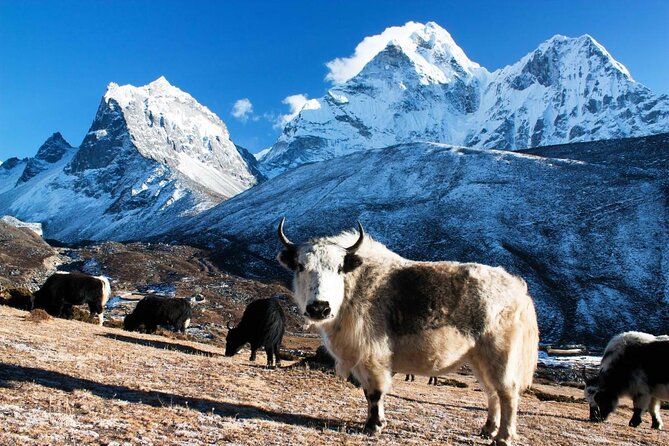
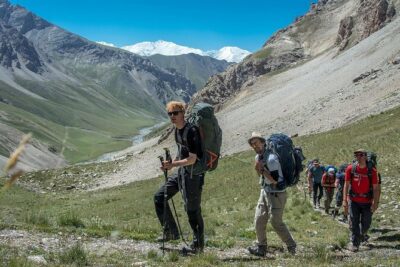
If Everest Base Camp is the bucket list “ticket,” then this trek is the version that gives you more scenery per day of effort. You’ll still follow the classic Everest Base Camp flow, but you’ll also detour over Cho La Pass and move toward the Gokyo Lakes. That detour is the whole point. It changes your hiking story and often changes your photos too.
Here’s what I like in practical terms: you’ll walk through a mix of popular stretches and quieter ones, so the experience doesn’t feel like one long line of people and camera phones. And because this is a private trek, the pace can be adjusted around you—rest when you need it, move when you feel steady, and don’t get pulled into a speed you can’t maintain.
One more thing: the itinerary is built around both scenery and mountain culture. You don’t just pass through villages; you reach places like Namche Bazaar and Tengboche, where you can interact with locals and even visit the Tengboche Monastery. If you’re hiking in autumn, there’s a chance to catch Mani Rimdu celebrations, which adds a very human layer to the big-mountain drama.
You can also read our reviews of more tours and experiences in Kathmandu.
Cho La Pass: The Big Elevation Day You Should Respect
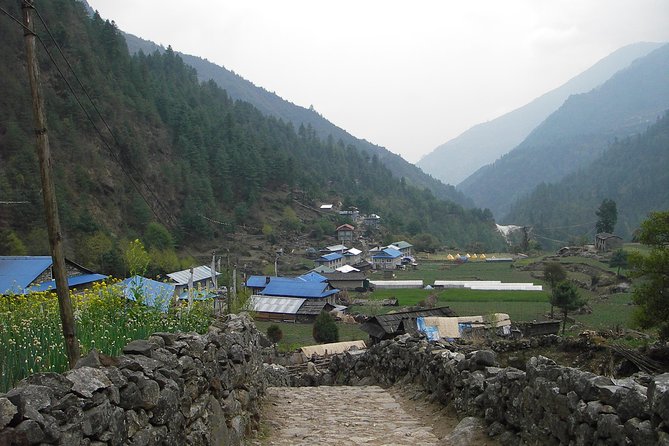
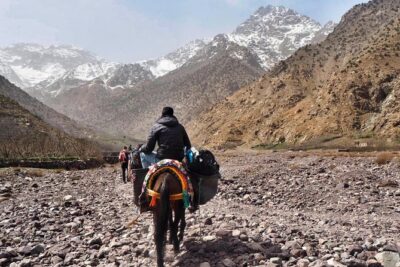
The headline altitude is Cho La Pass at 5,420 meters / 17,782 feet. That number sounds clean and simple on paper. On the trail, it’s where weather, breathing, and footing all matter at once. This pass is not a “trend” stop; it’s a serious mountain crossing that requires you to move carefully and steadily.
What you should understand before you go: passes like this are where planning meets physiology. If you try to brute-force the day, you’ll pay for it with slower movement, faster fatigue, and a higher risk of feeling wiped out. If you move with patience—shorter steps, controlled breathing—you tend to make the day feel more like a long grind than a panic situation.
The reward is what makes people talk. Once you’re across, you’ll head toward the Gokyo valley and lakes. And the big promise here is views: the turquoise Gokyo Lakes are known for offering Everest angles that can feel even stronger than what many people get at Base Camp. Put simply, the pass isn’t just an obstacle. It’s a switch that opens a different kind of Everest panorama.
Namche Bazaar And Tengboche: Culture Breaks From The Thin Air
Namche Bazaar is one of those places where altitude stops being abstract. It’s busy enough to feel like a hub, but it’s still close enough to the trail that you feel the mountain nearby—every direction looks serious.
In this route, Namche also matters because it’s a transition point. You’ll be moving from the “getting your legs” stage into the “this is real” stage of the trek. When your body is adjusting, having a place like Namche Bazaar in the middle helps you reset mentally. You can regroup, check how you’re feeling, and plan your next steps with your guide.
Then comes Tengboche, and with it Tengboche Monastery. This stop is more than sightseeing. It’s a chance to see how spiritual life and mountain life are interwoven in the Everest region. If you trek in autumn, you may even be able to participate in Mani Rimdu at the monastery—timing that can add meaning to the trip beyond the views.
Practical takeaway: treat Tengboche as a culture moment, not just a photo stop. If you’re curious, ask questions about what you’re seeing there. Even small interactions can help you understand why people keep returning to this part of Nepal.
Dingboche, Lobuche, Gorak Shep, Then Everest Base Camp
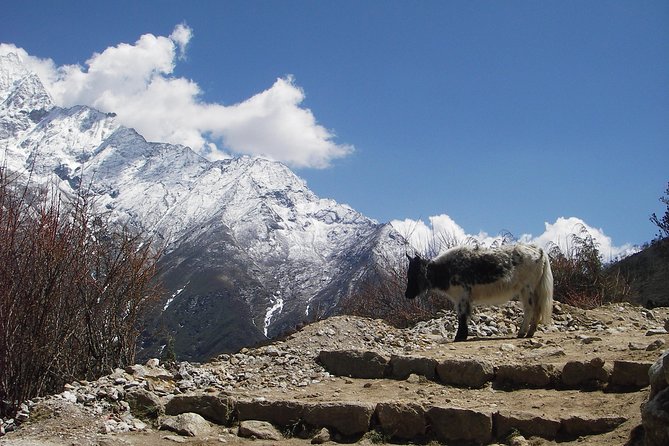
This trek includes some of the names you’ve probably seen on maps and in trekking photos: Dingboche, Lobuche, and Gorak Shep. These are high-altitude stepping stones. They’re also where the trek starts to feel like you’re living at mountain altitude, not just visiting it.
For me, the value of these stops isn’t only the geography—it’s the way they build toward Everest Base Camp. You’re gradually climbing, gradually changing your pace, and gradually learning how your body responds. A good private guide helps you handle that process without the pressure of keeping up with strangers.
Eventually, you’ll reach Everest Base Camp. The trek isn’t only about the final marker. It’s about the approach—watching the mountains grow sharper, feeling the trail rhythm settle into something repeatable, and learning to trust your pacing. You’ll also get a front-row feeling for the big peaks that people travel thousands of miles to see.
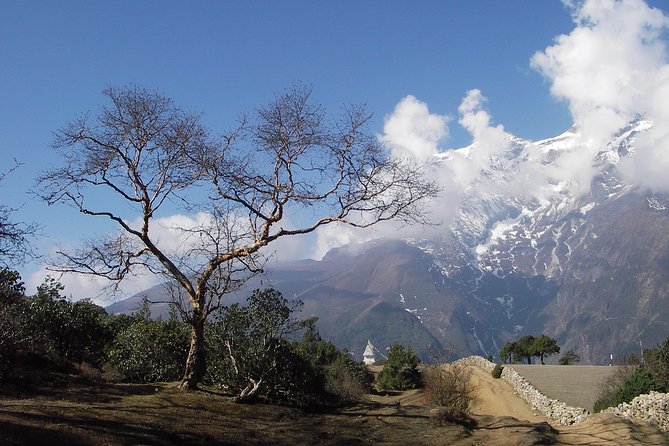
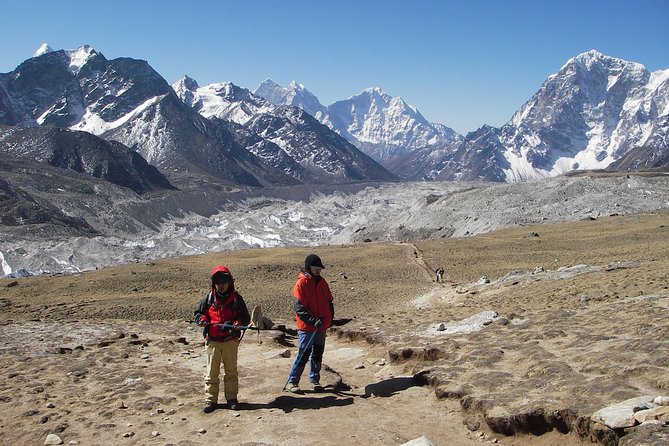
One detail from the route that I think is worth emphasizing: you can catch close views of Cho Oyu (8,201m), Makalu (8,463m), Lhotse (8,516m), and Everest (8,850m) during the trek. That’s a rare concentration of top-tier Himalaya scenery in a single trekking corridor.
Gokyo Lakes: Why The Views Can Feel Better Than Base Camp
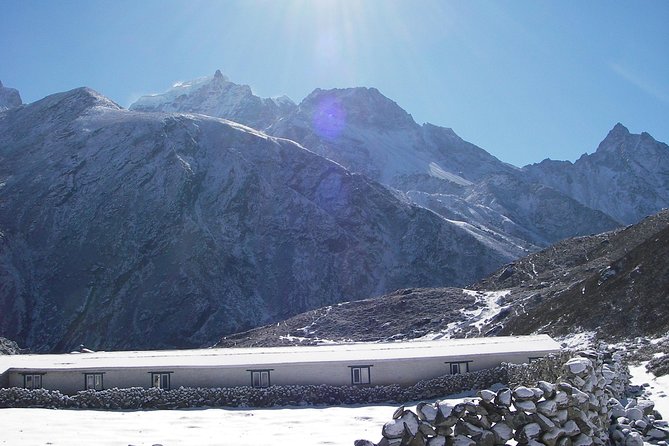
Let’s talk about the payoff. The route is designed so you don’t only chase the Base Camp moment. After crossing Cho La Pass, you’ll trek toward the Gokyo Lakes—and that’s where the “second wow” often happens.
The lakes are described as turquoise, and that color isn’t just a marketing term. High-altitude water under the right light can make mountains look even more dramatic. When you’re exhausted from walking all day, a view that feels crisp and new can change your whole mood.
Also, the Gokyo area tends to feel different from Base Camp. Base Camp can be busy and intense. Gokyo can feel more open and expansive, like the mountain is giving you space to breathe. Even if you’ve seen Everest before in other forms—books, documentaries—seeing it framed by the Gokyo lakes is the kind of contrast that stays with you.
What to do on lake days: slow down. Take breaks on purpose. When you’re at altitude, “resting” isn’t wasted time—it’s how you keep your enjoyment high and your stress low. If you’re the type who tries to power-walk past every viewpoint, you’ll lose what this part of the trek is built for.
Private Pace, Navigation Confidence, And Guide Support
This is a private trek, and that changes the experience more than most people expect. A private setup means you’re not trying to solve navigation or pacing while also managing a group that might be faster, slower, or having a different acclimatization day.
The route is also positioned as trekking “without the risk of getting lost,” which is huge in the Everest region. When the air is thin and trail lines are not always obvious, having your guide handle route-finding is not an optional luxury. It’s a safety tool.
The most praised element across guide support patterns is how much attention they pay to the group’s comfort and psychology—not only the logistics. Names that come up in the trek’s feedback include Binod, Surey, Pasang Lama, Ram Timalsina, Minor, Lapak, Sudam, and a local guide referred to as Sherman. Different guides, same themes: responsible planning, careful pacing, and support when something goes wrong.
If you care about communication, keep an eye on the language ability mentioned in feedback. Some guides are specifically noted for speaking Chinese, which can be a big confidence booster if you’re not trekking with strong Nepali/English skills.
Timing, Meeting Point, And How The Trek Starts
The trek starts with a 9:15 am start time, with Kathmandu as the base location. Pickup is offered, and the operator uses a mobile ticket approach, so you should expect digital information rather than paper-only chaos.
That start structure matters. When you’re traveling across time zones to Kathmandu and then heading toward the trekking region, you want your first logistics step to be clear and calm. In feedback, the support team is described as helping with planning details and even sourcing rental equipment when needed—so if you arrive and realize you’re missing gear, there’s a good chance you’ll have options.
One more practical note: this experience is described as suitable for people with moderate physical fitness, but it’s also clearly labeled a strenuous, high-altitude trek. Treat “moderate fitness” as baseline readiness, not a guarantee that you can hike comfortably if you’re starting from a low training level.
Price and Value: What You’re Really Paying For
The price is $1,394.88 per person for approximately 19 days. That may look high or low depending on how you compare it, but here’s the value logic I’d use:
You’re paying for a private setup (not a random join-in group), plus private transportation included in the package. You’re also paying for the kind of guidance that reduces uncertainty—especially around route navigation and pacing at altitude. That “less stress” value is real. It affects how you enjoy the trail, not just how you reach the finish line.
On the cost side, note what’s explicitly not included: lunch and dinner are not part of the package. So you should budget for those meals along the way. If you’re cost-comparing with other treks, make sure you’re not accidentally comparing apples (full board) to oranges (partial meals).
One smart move: don’t focus only on the headline price. Focus on the parts that reduce risk and improve comfort: private pace, guidance, and a plan that connects Everest Base Camp with Cho La Pass and Gokyo Lakes in one arc.
Packing And Pacing Tips For This Altitude Challenge
Because this is a high-altitude itinerary with a major pass at 5,420 meters, your success will hinge on how you pace yourself and how prepared you are for cold and thin air.
Here’s how I’d think about it:
- Plan to walk slower than you feel you should at the start. Altitude steals your speed.
- Use “rest stops on purpose.” Taking breaks early helps you avoid the crash later.
- Layer for temperature swings. Even in good weather, nights can be cold up high.
- Keep your hydration steady. If you wait until you feel thirsty, you’re already behind.
- Expect a long day on the pass segment. Footing and breathing should lead your pace, not motivation.
If you’re unsure about gear, that’s where the Kathmandu support described in feedback can help. People have reported assistance arranging rentals after arriving, which can save you from scrambling last-minute.
Finally, go into this with the mindset that the trip is strenuous. It’s not a casual hike. But that also means it’s the kind of challenge you’ll remember for years when you see how far you can get with patience and planning.
Should You Book This Everest Base Camp–Cho La Pass–Gokyo Trek?
If you want Everest, but you also want a quieter, more varied mountain story than the standard “only Base Camp” trip, I’d lean toward booking. The route gives you two major visual payoffs: Base Camp and then the Gokyo Lakes after crossing Cho La Pass. The private pace is a strong fit if you don’t want to be rushed or forced into someone else’s hiking tempo.
Book it if:
- you’re excited by a high pass day and want the extra scenery that comes afterward
- you value guide support and navigation confidence at altitude
- you like blending big-mountain views with culture stops like Namche Bazaar and Tengboche Monastery
Don’t book it if:
- you’re not ready for high-altitude strain (even with moderate baseline fitness)
- you’re looking for an easy vacation hike where pace is mostly irrelevant
If the weather is poor, the experience can be affected. This trek requires good conditions, so keep flexibility in mind.
FAQ
How long is the Everest Base Camp – Cho La Pass – Gokyo trek?
The duration is approximately 19 days.
Where does the trek start from?
The location is Kathmandu, Nepal, with a meeting/start time of 9:15 am.
Is this a private trek?
Yes. It’s a private tour/activity, and only your group will participate.
What’s included in the price?
The information provided lists private transportation as included.
Are lunch and dinner included?
No. Lunch and dinner are not included.
What’s the highlight altitude of Cho La Pass?
Cho La Pass is listed as 17,782 feet (5,420 meters).
Can I visit Tengboche Monastery on this trek?
Yes. The itinerary includes Tengboche, where you can visit Tengboche Monastery.
Is the Mani Rimdu festival included?
It’s mentioned as a possibility in autumn at the Tengboche Monastery, depending on the time of year you trek.
What’s the cancellation policy like?
Free cancellation is offered up to 24 hours in advance for a full refund, and the experience requires good weather.
Are service animals allowed?
Yes, service animals are allowed.