REVIEW · KATHMANDU
Ghorepani Poon Hill Trek
Book on Viator →Operated by Nepal High Trek & Expedition Pvt. Ltd · Bookable on Viator
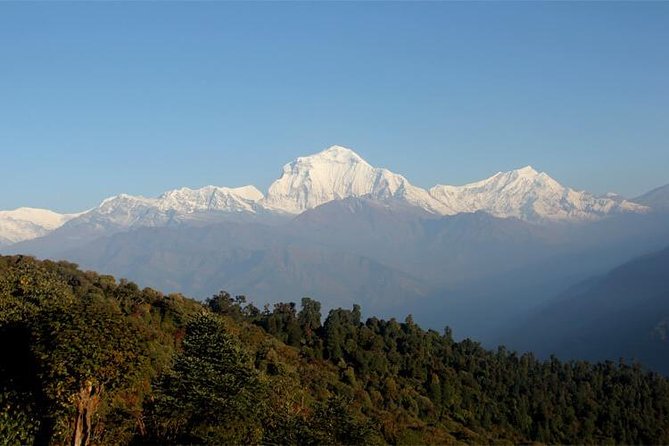
A sunrise view from the clouds is hard to beat. The Ghorepani Poon Hill Trek strings together big-mountain panoramas and village life in a way that feels doable, even if you’re new to trekking. I love that you get a real sunrise climb up to Poon Hill (3,210m), where the sightline stretches across peaks like Annapurna I, Annapurna South, Dhaulagiri, and even the Fish-tail. I also love the comfort side: you’re not just “roughing it,” because the package includes three nights with private attached bathrooms. The main drawback to consider is timing: you’ll be up early for sunrise, and the early starts can feel tough if you’re not used to mountain mornings.
This trek also has a practical, confidence-building rhythm. You’ll get mountain views on Day 1 during the drive into the Annapurna foothills, you’ll build your hiking legs gradually on Day 2 through Ulleri and the alpine forest, and then you’ll cash in the effort on Day 3 at Poon Hill. In groups, guides such as Anos, Surya Tamang, Arbind, and Indako Tamang are mentioned often, and the common theme is caring organization and safety-first pacing. If you’re the type who gets cold easily on mornings, pack for it—tea helps, but weather on ridgelines doesn’t care about your itinerary.
In This Review
- Key reasons this Ghorepani Poon Hill trek feels worth it
- Why Poon Hill is a smart first Himalaya trek
- Kathmandu to the foothills: the drive that sets the mood on Day 1
- Ulleri and Bhanthati: building legs on Day 2
- The Poon Hill sunrise payoff: what you’re really chasing on Day 3
- Ghandruk and Gurung life: your cultural reset on Day 4
- Price and what $399.67 buys you in real value
- The guide experience: why the named professionals matter
- Who should book this trek, and who should think twice
- Should you book the Ghorepani Poon Hill Trek?
- FAQ
- How long is the Ghorepani Poon Hill Trek?
- What’s the meeting time for the trek?
- Is pickup included?
- What’s included with the trek meals?
- Do I need a permit?
- Is a guide provided?
- Are accommodations private with bathrooms?
- Are porter fees included?
- What’s not included in the price?
- Is free cancellation available?
Key reasons this Ghorepani Poon Hill trek feels worth it
- Sunrise from Poon Hill at 3,210m: a short climb with a huge payoff in the Annapurna views.
- Private attached bathroom for three nights: comfort you don’t usually see on “beginner” treks.
- Guides who focus on pacing and care: named guides like Anos, Surya Tamang, Arbind, and Indako Tamang show up in many successful trips.
- Ulleri and Bhanthati trail sections: a mix of views and forest that makes Day 2 feel like more than just a slog.
- Ghandruk Gurung village time: culture comes after the peaks, not instead of them.
- Ground transport is included: you’re not left guessing how to get from Kathmandu area logistics to the trail.
Why Poon Hill is a smart first Himalaya trek
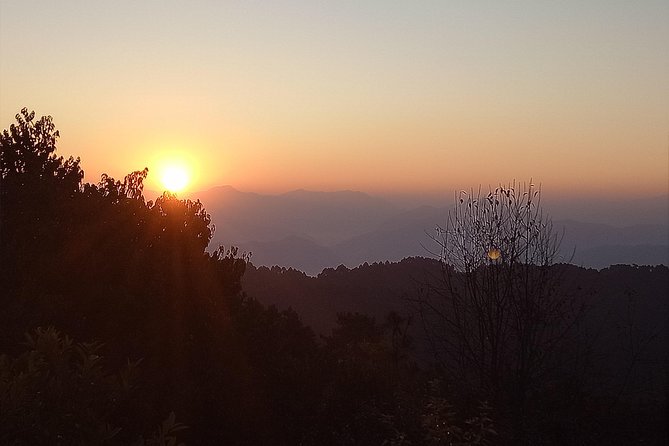
Poon Hill is famous for a reason: it’s high enough to feel like you’re in the Himalaya, but the trek is short enough that most people can manage it with good pacing. You get that rare combo of big altitude scenery and a schedule that doesn’t drag on for weeks.
The route also gives you variety without chaos. You’ll move from foothill views toward Ulleri, into forests, and then to a viewpoint. That matters because trekking can get repetitive fast when every day feels identical. Here, you’ll have the long-view drama of the mountains on multiple days, not just one.
And there’s a strong practical angle to this trek. You’re not paying only for scenery. Your package includes the Annapurna Conservation Area Project Permit, a government-licensed mountain guide, and 3 meals per trekking day (plus 3 cups of tea per day). That kind of “most of the hard parts handled” is exactly what you want when it’s your first Himalayan trek and you’d rather spend energy looking up than organizing details.
You can also read our reviews of more tours and experiences in Kathmandu.
Kathmandu to the foothills: the drive that sets the mood on Day 1
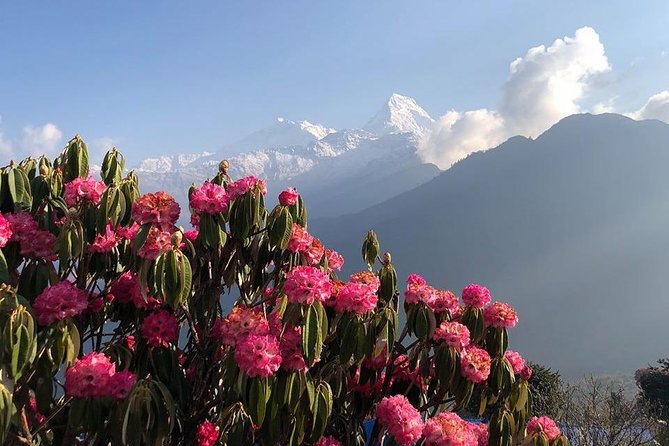
Day 1 starts with a long, scenic push from Kathmandu into the Annapurna foothills, with the mountains showing themselves along the way. You’ll ride past towns and villages, and you’ll get views of the Annapurna range and Mt. Machhapuchare, the famous Fish-tail.
This sounds simple, but it’s a big deal. That early visual contact helps your brain understand what you’re walking toward. It’s also a gentler way to start than jumping straight into a steep climb when you’re still adjusting to the region.
A key detail: your meeting time is 1:15 pm, and the trek begins after that with a two-hour drive to reach the foothills, then connection onward toward Nayapul (the new bridge area). In real life, that timing tends to work well if you want a half-day buffer for rest before the trail work begins.
What to watch: you’ll be in a vehicle for part of the day. If you’re sensitive to motion or you hate sitting, plan to hydrate and bring a small snack so you don’t feel stuck between meals.
Ulleri and Bhanthati: building legs on Day 2
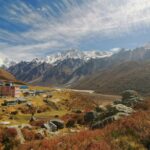
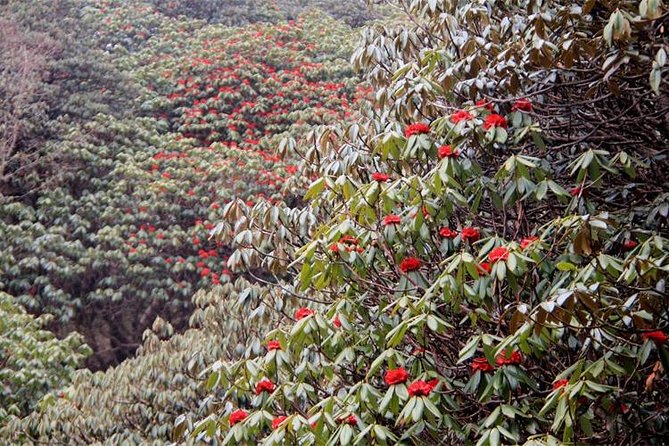
Day 2 shifts into walking mode with a clear structure. You’ll do an uphill stretch for about two hours to Ulleri village, with views that include Annapurna South and Mt. Machhapuchare. From there, the route improves as you head toward Bhanthati and then onto a pleasant path through alpine forest.
This day is the “get your trekking rhythm” part. It’s not about conquering a monster pass. It’s about learning how your body works when you’re breathing harder but moving steadily. In the Annapurna region, that matters because the landscape rewards consistent effort more than sudden bursts.
Another thing I like about this segment: it’s mentally easier because you’re not walking blind. You get repeated glimpses of major peaks while you climb. That keeps motivation up even when your legs feel like they’re making the decisions.
Possible consideration: Ulleri-to-Bhanthati includes uphill and forest walking. If you’re carrying cold gear you don’t need, you’ll feel it here. Dress in layers so you can shed warmth when you’re working and add it back when the air cools in the shade.
The Poon Hill sunrise payoff: what you’re really chasing on Day 3
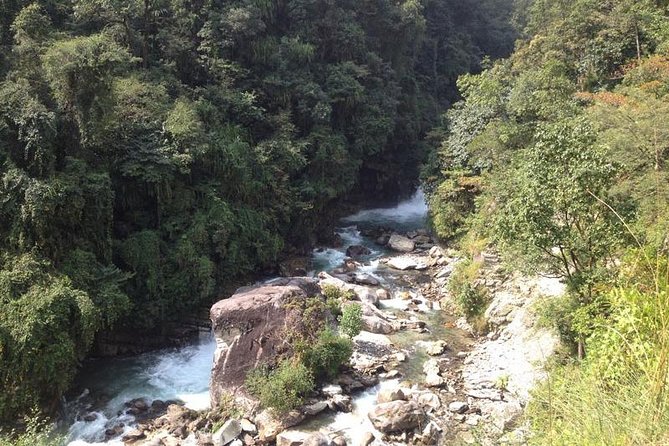
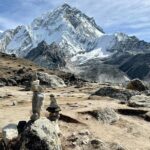
Day 3 is the big moment. You’ll do an early morning hike to Poon Hill (3,210m) specifically for sunrise views. This is the highlight because you’re positioned to see a wide chain of mountains at once.
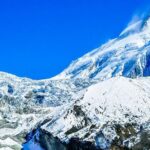
The view list for Poon Hill is huge, and it’s not just one dramatic peak. You can see Mt. Dhaulagiri (8,167m) and Mt. Manaslu (8,163m), plus multiple Annapurna summits like Annapurna I (8,091m), Annapurna South (7,219m), and Annapurna III (7,555m). You’re also looking out toward Gangapurna (7,455m), and toward Ganesh Himal. And yes, Mt. Machhapuchare (Fish-tail) shows up in the skyline too.
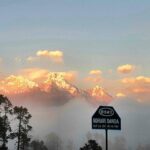
Why sunrise matters here: mountains change fast when light hits them. Even if clouds roll in later, sunrise timing gives you your best chance at a clean horizon and that moment when snow turns bright.
Here’s the practical tip: treat the sunrise climb like a warm-up, not an all-out effort. The pace that keeps you breathing comfortably usually gives you the best mood at the viewpoint. Bring a headlamp or reliable light source so you’re not improvising in the dark.
And plan for cold. Sunrise ridges can feel colder than you expect. The package includes tea (3 cups per day), but tea isn’t a substitute for weather-appropriate layers.
Ghandruk and Gurung life: your cultural reset on Day 4
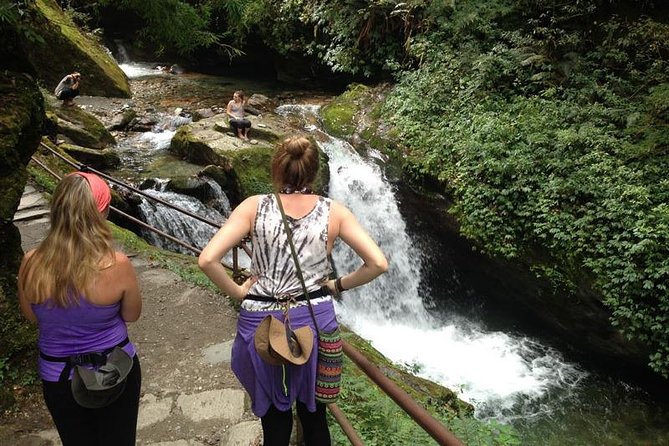
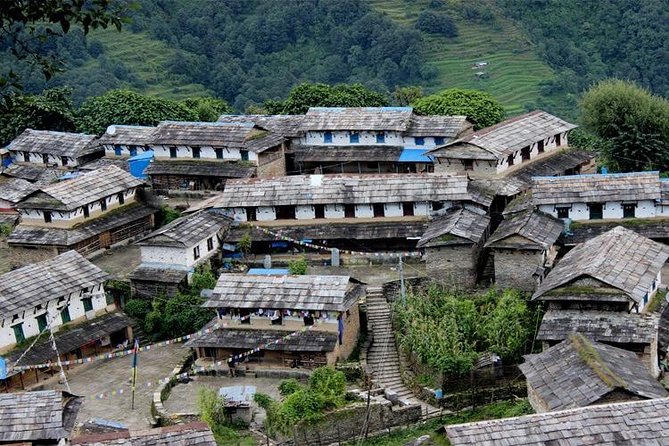
After the peak views, Day 4 shifts to a calmer rhythm. You’ll do a morning downhill walk into the forest to reach Ghandruk, a large village populated by the Gurung people in the Annapurna region. When you arrive, lunch is included, and you’ll have afternoon free time to explore the village.
This is a smart design for a trek this short. Many treks only focus on hiking. Here, you get to step into community life after your mountain fix. Ghandruk is the kind of place where you’re walking past everyday systems—homes, paths, and village-scale views—rather than only passing “points of interest.”
Comfort details also come into play. In feedback tied to this trek style, people talk about warm dining rooms with fires at night, and the ability to access conveniences like hot showers and wifi where available in the lodges. Even if you can’t control what’s open in any specific teahouse at any moment, your package approach aims for comfort, not just endurance.
Possible drawback: the Day 4 downhill can feel tough on your knees and ankles, especially after sunrise exertion. Take downhill slower than you think you should.
Price and what $399.67 buys you in real value
At $399.67 per person for an approx 4-day trek, the value depends on what you’d otherwise have to pay or arrange yourself. This package does a lot of the annoying logistics for you.
Here’s what’s included that often costs extra when you plan independently:
- Guide and permit: Annapurna Conservation Area Project Permit plus a government-licensed mountain guide.
- Meals: breakfast, lunch, and dinner included during the trek (with tea daily as well).
- Comfort: three nights with private attached bathrooms.
- Transport: all ground transport, including Pokhara to Nayapul and the trek area connection to Ghandrunk/Ghandruk, then back to Pokhara.
What’s not included is also important:
- Porter fees are listed as $20 per day (so if you want carrying help, budget for that).
- Tips for your guide aren’t included.
- Travel insurance isn’t included.
Balanced view: if you’re comparing this to DIY trekking, the upfront cost looks higher. If you’re comparing it to other guided options, the included permit, transport, meals, and private bathroom nights make the price feel more reasonable. The private-bathroom inclusion is a standout value for a short trek.
Who’s paying “for what”? You’re paying for someone to handle permits, guide work, and transport, plus the operational comfort of staying in better setups along the way.
The guide experience: why the named professionals matter
One of the most praised parts of this trek experience is the guide side. The names Anos, Surya Tamang, Arbind, and Indako Tamang show up across different trips, and the recurring message is that good guidance makes the trek feel safer and smoother.
What stands out in the guidance style described:
- Caring pacing: helping you keep moving without feeling wrecked.
- Practical help: carrying a bag at times, or adjusting to your needs.
- Warm professionalism: guides who feel welcoming and organized, not just instructional.
- Family-friendly patience: mention of successful trekking with kids and adults needing different levels of support.
- Customization: at least some groups received customized routing when needed.
I like this because Ghorepani Poon Hill is often chosen by first-time trekkers. The difference between a stressful trek and a fun one is usually not the trail—it’s how you manage energy, timing, and decision-making. A solid guide is a huge part of that.
Who should book this trek, and who should think twice
This trek is a great fit if you want:
- A short Himalayan taste with a sunrise viewpoint payoff.
- A trail that’s generally beginner/intermediate friendly, but still gives you real trekking satisfaction.
- A balanced mix of mountain scenery and village culture.
- The comfort upgrades like private attached bathrooms and included meals.
Think twice if:
- You hate early mornings and don’t want to hike at dawn for sunrise.
- You need a fully relaxing, no-hills vacation. Day 2 includes a meaningful uphill segment, and Day 4 includes downhill walking that can feel hard on joints.
- You’re hoping for a long, high-altitude summit adventure. This is about viewpoints and connection to the region, not extreme altitude hikes.
Also consider your travel style: this is a private tour/activity, meaning only your group participates. That tends to be calmer and easier to manage, but it also means you’ll want to coordinate your group’s pace so nobody feels rushed.
Should you book the Ghorepani Poon Hill Trek?
If you’re craving a first-time Annapurna trek that delivers spectacular views without turning into a week-long survival project, I’d book it. The combination of sunrise at Poon Hill, included transport, meals and tea, permits, and even private attached bathrooms makes this more comfortable than many “budget-friendly” treks.
I’d only hesitate if early mornings truly wreck your mood, or if you’re aiming for a more demanding mountaineering-style experience. For most people—especially first-timers or families—this trek is a smart, rewarding choice.
If you do book, plan to pack for cold mornings, take Day 2 uphill steadily, and protect your knees on the downhill Day 4. You’ll earn the sunrise view, and you’ll have a real village experience afterward.
FAQ
How long is the Ghorepani Poon Hill Trek?
It’s listed as about 4 days.
What’s the meeting time for the trek?
The start time shown is 1:15 pm.
Is pickup included?
Yes, pickup is offered.
What’s included with the trek meals?
You get 3 meals during the trek (breakfast, lunch, and dinner), plus 3 cups of tea per day.
Do I need a permit?
The Annapurna Conservation Area Project Permit is included.
Is a guide provided?
Yes. The trek includes a government license holder mountain guide.
Are accommodations private with bathrooms?
The package includes 3 night private attached bathroom lodging.
Are porter fees included?
No. Porter fees are listed as $20 per day.
What’s not included in the price?
Tips for your guide and travel insurance are not included.
Is free cancellation available?
Yes. You can cancel up to 24 hours in advance for a full refund.