REVIEW · LUANG PRABANG
Luang Prabang: Mountain Trek & Local Villages Overnight Tour
Book on GetYourGuide →Operated by Tiger Trail Travel Laos · Bookable on GetYourGuide
Two days, and the mountains feel close. This Luang Prabang trek mixes jungle trail hikes with an overnight family homestay in the highlands, plus boats on the Nam Khan and time at Tad Sae Waterfalls. It’s the kind of trip where you’ll walk into real village routines, not just take photos and move on.
I like how the day-by-day pacing gives you big views and hands-on moments without pretending it’s easy. Still, there’s one seasonal catch: Tad Sae Waterfall can be low or even dry from February to July, and the swim may get skipped if there’s not enough water.
In This Review
- Key highlights you’ll feel from day one
- Why this Luang Prabang mountain trek feels real (and not staged)
- Day 1 on the Longhut trail: boat across Nam Khan and into Khmu village life
- What actually happens at the homestay (and how to be a good guest)
- Day 2: rice fields, Ban Tin Pha views, and the river villages that lead to Tad Sae
- Tad Sae Waterfalls and the seasonal reality of swimming
- Village contributions, homestay fees, and why this trip is good value
- Pace, effort, and who should choose this trek
- What to pack (and the tiny stuff people regret not bringing)
- Rain, safety, and how the tour handles changing conditions
- Should you book this Luang Prabang trek?
- FAQ
- What time does the tour start, and where do I meet?
- How long and how challenging is the hike on Day 1?
- Will I be able to swim at Tad Sae Waterfalls?
- What meals are included in the price?
- What should I bring, and can I bring large luggage?
- Is the tour suitable for everyone?
Key highlights you’ll feel from day one
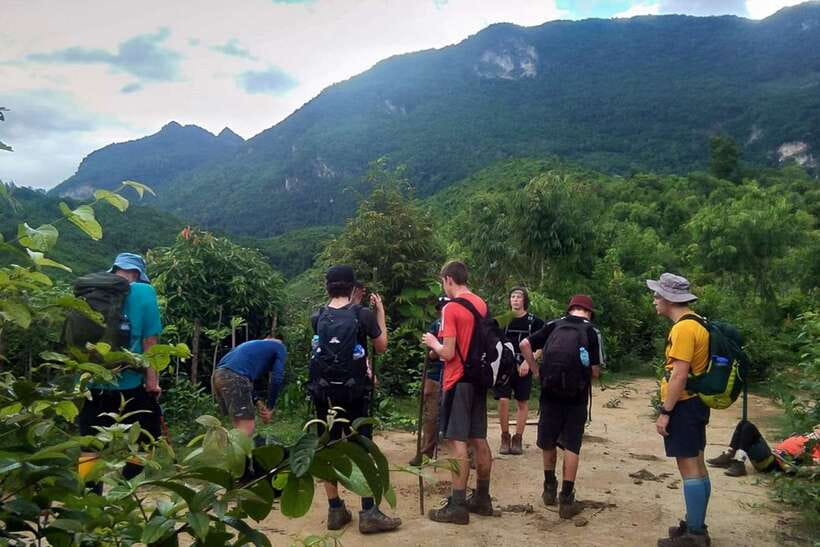
- Longhut & Thin Pha trail walking with steep jungle hills on one side and big valley views on the other
- Khmu village homestay overnight with a meal you’ll eat with the family
- Nam Khan River boat time that breaks up the trekking and keeps things scenic
- Ban Tin Pha and Ban Houay Yen village visits with views from the hillside down to the river
- Tad Sae waterfall pools for a cooling swim when water levels allow
- Village fund contributions that turn your visit into support for local communities
Why this Luang Prabang mountain trek feels real (and not staged)
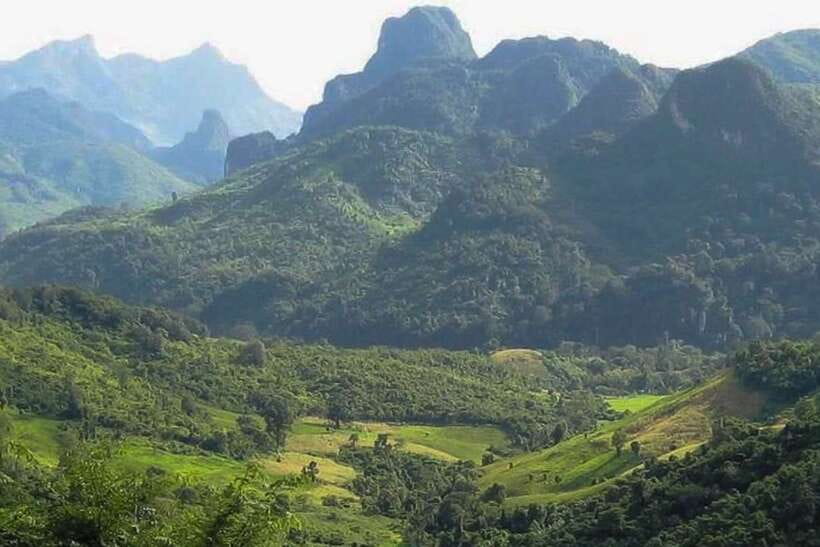
This is a 2-day mountain trek built around three things: walking, villages, and water. You start in the foothills, get pulled upward along forested routes, and end at Tad Sae where you can (often) cool off. The village visits aren’t tacked on as a quick photo stop. You spend the night in a family homestay, so the whole rhythm of the place stays in your day longer.
The homestay part matters. In Laos, family-based stays often mean you’re sleeping in a small home and sharing the same food routines your hosts rely on. That changes the mood. Instead of passing through, you’re part of the household for a night. And this tour also includes village fund contributions (plus village encounters with Lao Loum, Lao Theung, and Sung villages), which is a big reason to choose this kind of trip over a pure hiking day.
Another plus: the guide quality shows up again and again. Names like Chai, Arun, Oun, and Chan come up in the praised experiences, especially for clear English and friendly storytelling. Even when the hike is tough, good guides help you understand what you’re seeing and how to move safely on uneven ground.
You can also read our reviews of more tours and experiences in Luang Prabang.
Day 1 on the Longhut trail: boat across Nam Khan and into Khmu village life
Day 1 starts with hotel pickup at 8:00 AM. If you’re meeting at the office instead, it’s Tiger Trail Travel on the same street as Villa Maly, with a meet time around 8:20 AM and departure 8:45 AM. You’ll head out by air-conditioned vehicle, then shift into the hiking day.
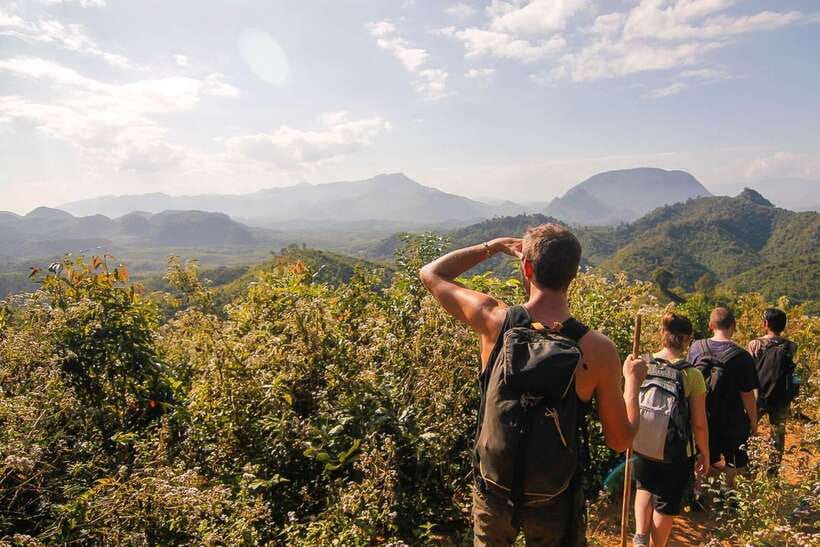
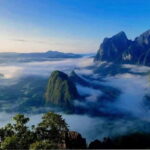
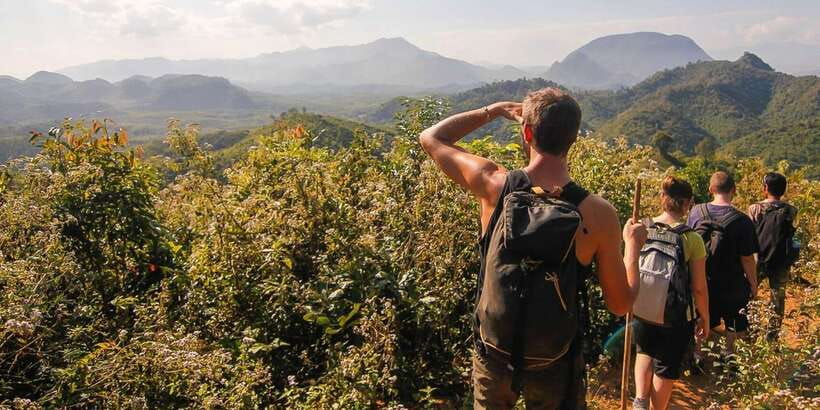
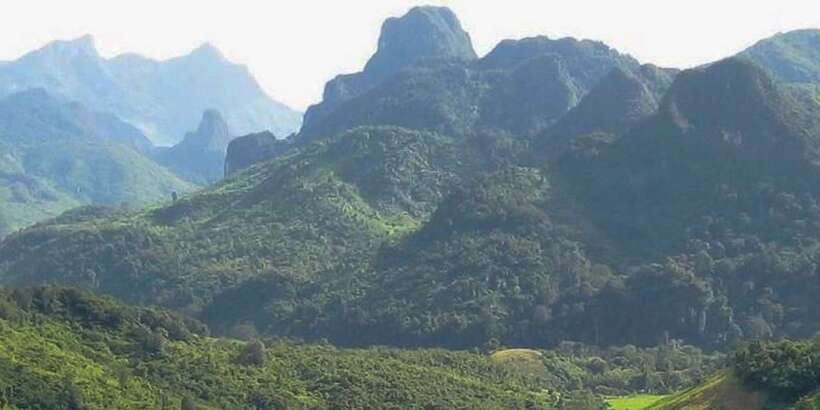
The Longhut trail gets attention for a reason. You hike with steep, jungle-covered slopes on one side, then you turn your head toward big views over Luang Prabang and the Mekong River area. Early on, you cross the Nam Khan River by boat, which is a nice reset before the climb. It also gives you a first look at the river corridor you’ll return to later.
What the hike is like in real terms:
- You’ll start the ascent into the mountains after the boat crossing.
- The route goes through canyons, remote village areas, and small lakes.
- The full-day hike is listed at about 13 km and usually takes around 6 hours with breaks.
- If conditions are wet, plan for 7–8 hours. Mud and slick footing can add time fast.
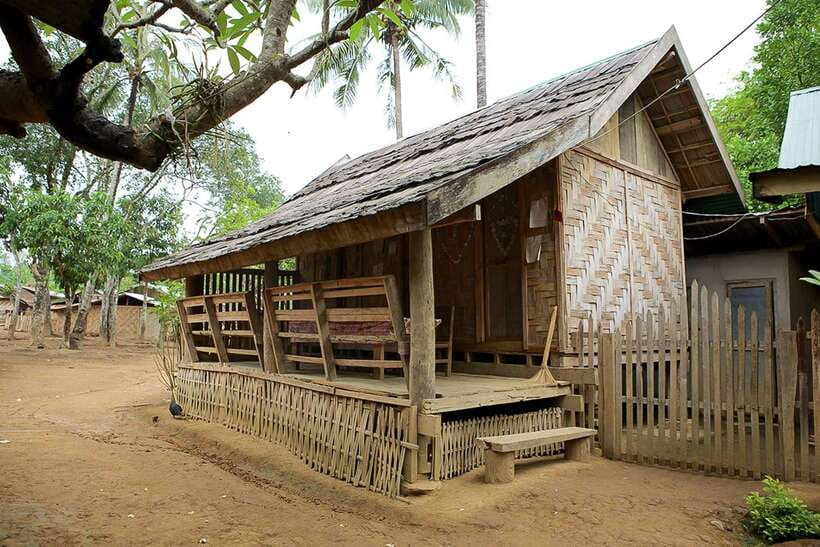
You’ll reach the Khmu village in the evening and settle into an authentic homestay. The guide helps organize the meal you’ll eat that night, and you’ll get time to explore the village with them. This is also when you get that “you’re up in the mountains, not at a roadside attraction” feeling. One helpful tip from past experiences: bring earplugs, because village mornings can start with crowing rooster noise well before you feel ready.
What actually happens at the homestay (and how to be a good guest)
A homestay isn’t complicated, but it’s different from a hotel. You’re typically in a family home environment, and your guide acts as the translator and connector. That’s the moment where you’ll notice the tour’s bigger goal: your presence supports rural households through homestay fees and guided village interaction.
A few practical things I’d plan for:
- Expect a simple, family-style meal rather than restaurant pacing.
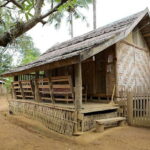
- You may be sleeping in small cabin-style quarters or rooms built for household life (not modern hotel comfort).
- You’ll want to be flexible about schedules. In village settings, the day often runs on household needs and daylight more than on an itinerary clock.
There’s one more reason this overnight matters: it gives you time to talk with people, not just stand next to them. Past experiences praised guides like Oun and Chan for stories and explanations, which is what turns a village encounter into something you remember.
Day 2: rice fields, Ban Tin Pha views, and the river villages that lead to Tad Sae
Day 2 begins after breakfast. Then you set out on a shorter trek compared to day one: about 1.5 to 2 hours through rice fields and forest. This part feels like a switch from steep jungle climbing to a more open, rural countryside walk. It’s also a good chance to catch your breath and take in the way the valley floor works with the seasons.
After that, you head uphill to the Hmong village of Ban Tin Pha. This is a viewpoint stop. You’ll get a panoramic view of the surrounding mountains, which is a nice reward for the climb and a good moment to pause, look around, and understand the geography from above.
Then you descend again to Ban Houay Yen, a village along the river. From there, you board a local boat for a relaxing ride on the Nam Khan to Tad Sae Waterfalls. Lunch is usually served either before the boat ride at the village or at the waterfall area, depending on how the day runs.
At Tad Sae, you can cool off in the pools at the base and relax in the shade. If water is decent, it’s one of the best payoff moments on the trip. If water is low, don’t assume you’ll still get the same swim conditions.
One caution that came up in a few experiences: day two walking can feel short compared to what some people expect from a “mountain trek” title. If you’re hoping for a long second hike, this trip may feel more like a mix of trekking plus river relaxation and waterfall time. For most people, that’s the sweet spot. For others, it can feel like the hike part ends sooner than expected.
Tad Sae Waterfalls and the seasonal reality of swimming
Tad Sae is one of the headline attractions, but the tour is honest about the seasonal issue. From February to July, the waterfall can be low or even dry, and it may get skipped if there isn’t enough water to make the plan work.
Here’s how I’d think about it when you’re deciding:
- If you’re traveling outside that window, you’ll usually have better odds for waterfall pools and a real dip.
- If you’re traveling in the drier months, treat swimming as a bonus, not a guarantee.
- Even if swimming isn’t perfect, the day still includes the boat ride on the Nam Khan and the village-to-water rhythm.
A practical gear tip helps either way: pack swimwear and a towel, because if pools are available you’ll want to jump in quickly. Also plan for damp ground around waterfalls. Comfortable shoes that can handle wet paths matter.
Village contributions, homestay fees, and why this trip is good value
At $200 per person for a 2-day overnight guided trek, you’re paying for more than walking. You’re paying for:
- a guided route over remote trails
- transportation (including air-conditioned vehicle)
- entry fees and homestay fees
- meals (lunch both days, plus breakfast day 2 and dinner day 1)
- boat services on the Nam Khan
- village fund contributions tied to community support
- accident insurance
When you compare this to piecing things together yourself, the value often comes from the “everything is handled” part. In rural areas, you don’t just hire a guide for the hike. You also need local coordination for the homestay and village encounters. That coordination is part of what you’re paying for.
Also, the tour doesn’t only promise contact with villagers. It includes planned encounters across different village groups (Lao Loum, Lao Theung, and Sung villages) and community funding. That’s the difference between an experience that feels like tourism and one that functions more like support.
Pace, effort, and who should choose this trek
This is not a casual stroll. Day one is around 13 km, often 6 hours, and can go up to 7–8 hours when wet. Trails can be steep and uneven. If you don’t enjoy hiking on real mountain terrain, this will feel more like a workout than a sightseeing walk.
It’s also not suitable for:
- people with mobility impairments
- people prone to seasickness (because you’ll be on boats, including the Nam Khan crossings)
On the flip side, it’s ideal for you if you want:
- a guided trek with clear pacing and safety support
- rural village time with a homestay overnight
- a day at Tad Sae for swimming and relaxing
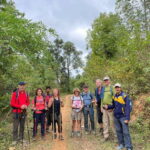
Group size can vary, and in at least one praised experience it was just the group of two with the guide. That kind of setup usually means you get more direct attention, faster explanations, and more flexibility. Even when it’s not just two people, the guide-led nature still keeps things personable.
What to pack (and the tiny stuff people regret not bringing)
The basics are straightforward:
- Comfortable shoes you trust on uneven, possibly wet paths
- Swimwear
- Towel
Then add the small “life-saver” items that often get missed:
- Earplugs, because you may sleep through village sound (roosters included)
- Tissues, since there may not be any available right where you need them
And one logistics item that affects everything: no luggage or large bags are allowed. That means you should travel light and carry what you need. A compact day bag is the easiest approach.
Also, the tour runs rain or shine. That’s normal for the region, and it’s why your shoe grip and quick-dry plan matter.
Rain, safety, and how the tour handles changing conditions
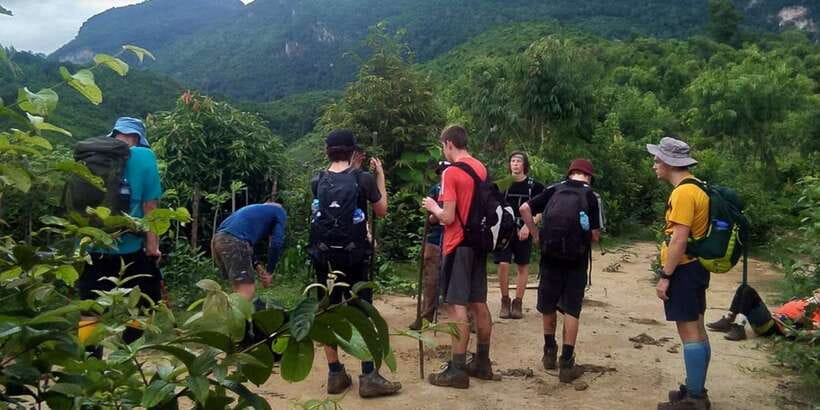
Expect weather to shape the trip. Rain affects trail time, including day one’s hike duration. Wet conditions can turn a manageable trek into a longer, more tiring one. I’d plan your expectations with extra time and energy on the first day.
On top of that, the waterfall is seasonal. The tour acknowledges that Tad Sae might not be swim-ready if water levels are too low. That’s why the day includes both trekking and village time. Even if the water doesn’t cooperate perfectly, the core experience still happens.
Finally, you get accident insurance. That’s not the kind of thing you want to think about, but it’s good to know it’s included.
Should you book this Luang Prabang trek?
Book it if you want a real Luang Prabang mountain experience: trail walking you can feel in your legs, an overnight homestay, village interaction that lasts past daylight hours, and the option to cool off at Tad Sae.
Skip it (or choose a different style of trip) if you’re chasing an easy day, you’re traveling with mobility limitations, or you strongly prefer not to be on boats and moving around by river routes. Also think carefully if you’re visiting in the February–July window and swimming at Tad Sae is your top priority.
If you’re flexible and enjoy getting a bit off the main track, this is strong value for a guided 2-day tour with meals, boats, and community support built into the plan.
FAQ
What time does the tour start, and where do I meet?
You’ll have hotel pickup at 8:00 AM. If you’re meeting at the office, meet at the Tiger Trail Travel office (same street as Villa Maly hotel) around 8:20 AM for an 8:45 AM departure.
How long and how challenging is the hike on Day 1?
Day 1 includes a full-day hike of about 13 km, normally around 6 hours with breaks included. Under wet conditions, it can take about 7 to 8 hours.
Will I be able to swim at Tad Sae Waterfalls?
It depends on the water level. Tad Sae can be low or even dry from February to July, and the waterfall may be skipped if conditions don’t allow swimming.
What meals are included in the price?
Lunch is included on both Day 1 and Day 2. Breakfast is included on Day 2, and dinner is included on Day 1. Additional drinks and snacks are not included.
What should I bring, and can I bring large luggage?
Bring comfortable shoes, swimwear, and a towel. Luggage or large bags are not allowed.
Is the tour suitable for everyone?
The tour is not suitable for people with mobility impairments. It’s also not recommended for people prone to seasickness due to the boat portions.