REVIEW · KATHMANDU
Everest Base Camp trek- 13 Days
Book on Viator →Operated by Outdoor Himalayan Treks P Ltd. · Bookable on Viator
Lukla’s tiny runway sets the tone. This Everest Base Camp trek blends big-mountain drama with real local life: you’ll fly into Lukla, cross hanging bridges, pass Sherpa villages, and spend days working your way up toward Namche Bazar, Tengboche, and eventually Everest Base Camp.
What I like most is the full support setup—you get an experienced English-speaking, license-holding guide (plus a porter for every two travelers) and all the core logistics like permits, flights, and meals are handled. The other win for me is the pace and structure, with acclimatization days built in so you can climb with less panic than a rushed trek. The main consideration is comfort is basic: the tea houses are simple twin-sharing stays, and toilets and bathrooms are outside, while extra drinks and tips are extra costs.
In This Review
- Key highlights worth planning around
- Lukla to Everest Base Camp: why this trek feels different
- Who this trek suits (and who should think twice)
- Your trekking crew: guide, porters, and manager support in Kathmandu
- Price and value: what $1,300 covers (and the extras to budget)
- Day-by-day on the trail: what each stage really gives you
- Day 1: Kathmandu to Lukla to Phakding (2610m)
- Day 2: Phakding to Namche Bazar (3440m)
- Day 3: Acclimatization day in Namche
- Day 4: Namche to Tengboche (3860m)
- Day 5: Tengboche to Dingboche
- Day 6: Acclimatization day in Dingboche
- Day 7: Dingboche to Lobuche
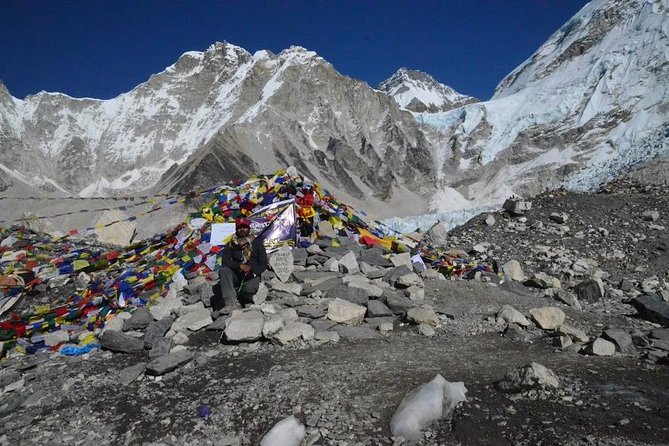
- Day 8: Lobuche to Gorak Shep, Everest Base Camp round-trip
- Day 9: Gorak Shep to Kalapatthar at sunrise, then Pheriche
- Day 10: Pheriche to Tengboche
- Day 11: Tengboche to Namche Bazar
- Day 12: Namche Bazar to Lukla
- Day 13: Lukla to Kathmandu, plus farewell dinner
- Tea houses, meals, and comfort at 3,000+ meters
- Practical value: what makes this itinerary feel well managed
- Should you book this Everest Base Camp trek?
- FAQ
- What’s the duration of the Everest Base Camp trek?
- Where does the trek start?
- What time does the trek start?
- Are flights between Kathmandu and Lukla included?
- Is the trek private?
- What lodging and bathroom setup should I expect?
- What’s included in meals?
- Are beverages included?
- Do I need to pay tips?
Key highlights worth planning around
- Lukla flight day: a short flight that feels like an adventure all by itself, even before trekking starts
- Acclimatization days: planned rest days in the Namche and Dingboche areas help your body adjust
- Tengboche Monastery stop: a 350+ year old monastery visit, plus classic Khumbu scenery around it
- Gorak Shep + Everest Base Camp round-trip: push high for the base camp day, then return the same day
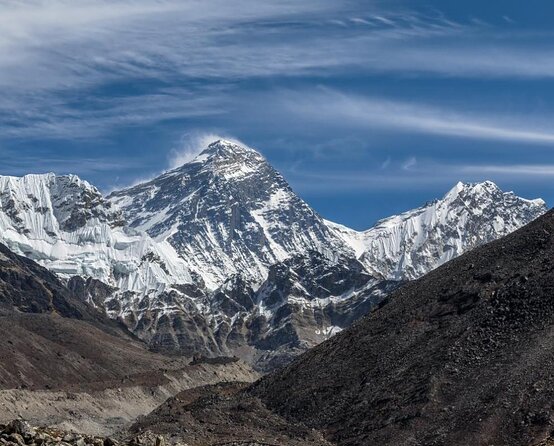
- Kalapatthar sunrise view: a go-for-it morning designed for big views from a high vantage point
- Real human support: a guide, a porter team, and a Kathmandu manager who’s quick to respond
Lukla to Everest Base Camp: why this trek feels different
This isn’t an Everest trek that hides behind “comfort first.” It starts with the jump-off point that makes the Khumbu feel real: Lukla. The flight is only about 30 minutes, but the experience is intense in the best way. You’re in Nepal, you’re looking at steep terrain below you, and suddenly the trek isn’t a plan on paper—it’s happening.
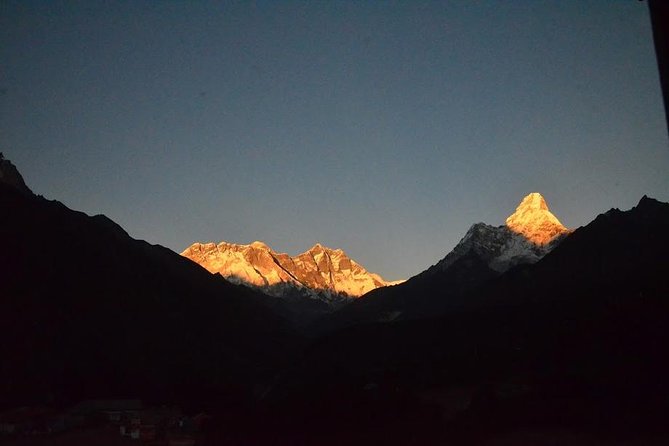
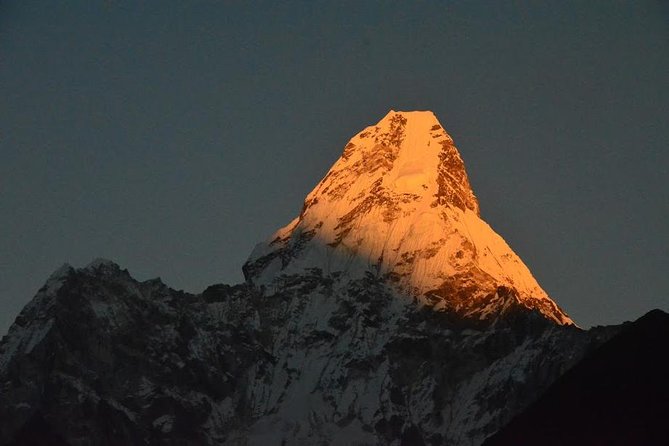
From there, the route gives you layers of Everest culture, not just altitude. You’ll pass through Sherpa villages and cross hanging bridges (the kind where you can feel the wind grab the rope). And the trek’s rhythm keeps feeding you “yes, this is Everest” moments: Namche Bazar as the gateway, Tengboche as a spiritual anchor, and the higher settlements where the air gets thinner and the mountains look closer than your brain wants them to.
Two days really show what makes this trek special. First, Namche Bazar: it’s the busy hub where you can understand how people live at altitude. Second, the final push toward Everest Base Camp and then up to Kalapatthar for sunrise views—those are the days that stick in memory because the physical effort matches what you’re seeing.
One other thing I appreciate: the itinerary isn’t just “walk and hope.” It’s structured to help you climb safely, including acclimatization days.
You can also read our reviews of more tours and experiences in Kathmandu.
Who this trek suits (and who should think twice)
This works best if you have moderate physical fitness and you’re comfortable with long hiking days on uneven paths. You’re looking at multi-hour walks most days, plus real altitude changes (starting in the mid-2,000s meters and reaching much higher terrain). If you’ve never done trekking at altitude before, don’t panic—but you should take acclimatization seriously and move at the pace your guide sets.
This trek is also a good match if you want a guided experience that handles the hard parts. You’ll have a license-holding English-speaking guide, emergency assistance included, and permits taken care of (Sagarmatha National Park and Khumbu village entry are included). That reduces the mental load of figuring out documentation and day-to-day decisions.
It may be less ideal if you’re chasing “private and luxury.” This is a private trek for your group, but the lodging is tea-house style with basic rooms. Also, drinks are not included, and hot shower and Wi‑Fi aren’t included either. If you want constant creature comforts, you’ll find them limited.
Your trekking crew: guide, porters, and manager support in Kathmandu
The best trekking companies don’t just drop you at the trailhead. They manage the human side—especially in a place where weather, flights, and timing can get tricky.
Here, your trek is backed by:
- An experienced English-speaking guide (license holder) with his expenses included
- A strong porter for every 2 travelers, carrying up to 25 kilos, with the porter’s expenses included
- Emergency assistance included
That porter arrangement is a big deal. Carrying less can change how you feel on the steep, higher days. You’ll still work hard, but you’re not stacking unnecessary weight on your back when the air gets thin.
I also like the way this company shows up in the background in Kathmandu. Multiple guest comments point to strong communication and quick help from the manager—names that came up include Ram—especially when plans change or questions pop up. And on the trek side, guide names like Krishna and Dipak were mentioned, with Dilly also noted in one account. I can’t promise which exact people you’ll get, but the pattern is clear: real staff support, not a handoff and good luck.
If you’re traveling with a parent, a friend who’s less confident, or anyone who needs reassurance, having that support culture matters.
Price and value: what $1,300 covers (and the extras to budget)
At $1,300 per person, this isn’t a cheap trek. But it’s also not “pay for flights and permits again later.” The value is mostly in what’s bundled.
Included costs that save you the most headaches:
- Kathmandu–Lukla–Kathmandu flight tickets (so you’re not arranging that yourself)
- Transfers: hotel–airport–hotel
- Sagarmatha National Park entry permit and Khumbu village entry permit
- Full board meals on the trek: breakfast, lunch, and dinner (menu choice, with 1 dish per meal)
- Basic tea house accommodation on a twin-sharing basis
- Guide and porter team (with expenses included), plus guide and porter insurance
- Emergency assistance
Now the “plan for reality” items:
- Beverages (cold/alcoholic drinks), bottled mineral water, tea/coffee, boiled water: all not included
- Extra meals/snacks/dessert: not included
- Tips for guide and porters (listed as mandatory): not included
- Hot shower and Wi‑Fi and battery charging fees: not included
- Kathmandu sightseeing/tours: not included
So the value question is simple: if you want the trek with most of the core costs handled (flights, permits, staff, meals), this price makes sense. If you’re the type who plans every detail yourself and already has systems for guides/permits/flights, then it can feel pricey.
Day-by-day on the trail: what each stage really gives you
This trek is 13 days in total. You’ll start early in Kathmandu—meeting point is in Thamel at Outdoor Himalayan Treks, with a start time of 5:15 am—and then the trek unfolds with altitude gains and built-in adjustment days.
Day 1: Kathmandu to Lukla to Phakding (2610m)
You’ll fly from Kathmandu to Lukla (about a 30-minute flight) and then start walking to Phakding, around 4–5 hours on foot. This day is about settling in. You’re not racing to get high; you’re getting your legs used to trail travel after the flight.
Phakding is your first taste of Khumbu village life at trekking altitude. Even if it’s not the most dramatic scenery yet, it sets the tone: you’re hiking into a lived-in mountain region.
Day 2: Phakding to Namche Bazar (3440m)
This is a longer day, around 6–7 hours, and it’s where you feel the altitude. Namche Bazar sits higher, and the effort starts to matter more than scenery for a while.
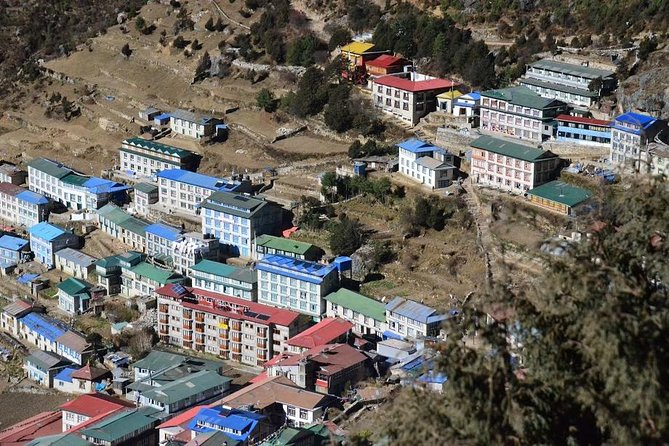
Namche is also where the trek starts to feel like a “gateway.” It’s a hub with shops, lodges, and constant movement. You’re entering the world where Everest is daily business, not a distant headline.
Day 3: Acclimatization day in Namche
This is a smart pause. Acclimatization days give your body time to adjust so later climbs are more controlled. Even if you feel okay on arrival, altitude is sneaky. Using this day well (walking moderately, taking it easy, hydrating) can make the next days feel more manageable.
Day 4: Namche to Tengboche (3860m)
About 5–6 hours, and you’ll rise quickly to Tengboche. Tengboche brings a different kind of impact than “just walking higher.” The highlight here is the visit to Tengboche Monastery, a 350+ year old site. It’s the kind of stop that helps you slow down and look at the bigger picture of the region—spiritual life alongside trekking life.
Day 5: Tengboche to Dingboche
This day continues the climb, but it’s also one of the emotional “stacking” days: each settlement feels more exposed, and the mountains look bigger. It’s a steady step toward the higher, quieter part of the trek.
Day 6: Acclimatization day in Dingboche
Again, this is about giving your body a fighting chance. Dingboche sits at a much higher altitude than earlier days, and the goal is to avoid turning the trek into a race. This day can be the difference between feeling worn out and feeling steady for the high-country section ahead.
Day 7: Dingboche to Lobuche
You keep climbing toward Lobuche. This is where cold and thin air start to feel more “real,” not just theoretical. Pace matters more than speed here.
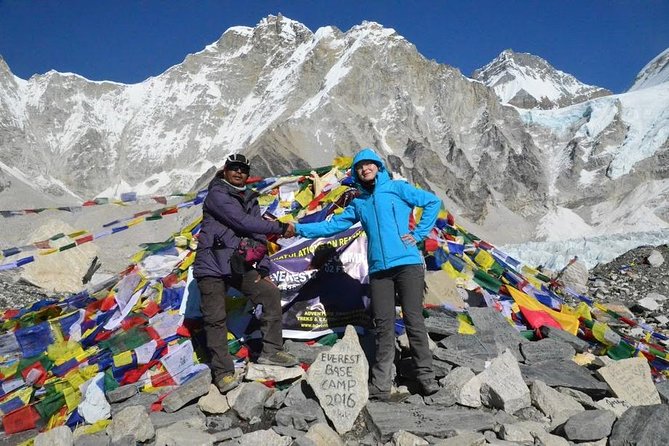
Day 8: Lobuche to Gorak Shep, Everest Base Camp round-trip
This is a big day: you go to Gorak Shep and then do Everest Base Camp and back. The itinerary doesn’t give a set time for this day, which usually means you should expect it to be a full, demanding stretch. Gorak Shep is a high base for the base camp push, and the effort can be intense even if you’ve been doing fine earlier.
This is also the day where you’ll likely feel the emotional high: the base camp area has that surreal combination of human determination and raw mountain scale. You’ll be tired, but it’s the kind of tired that feels earned.
Day 9: Gorak Shep to Kalapatthar at sunrise, then Pheriche
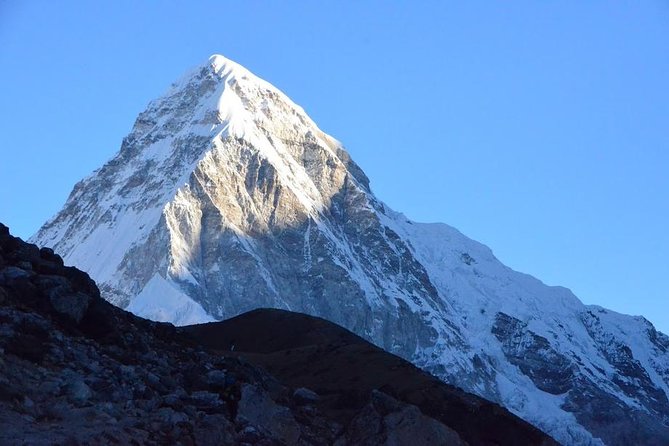
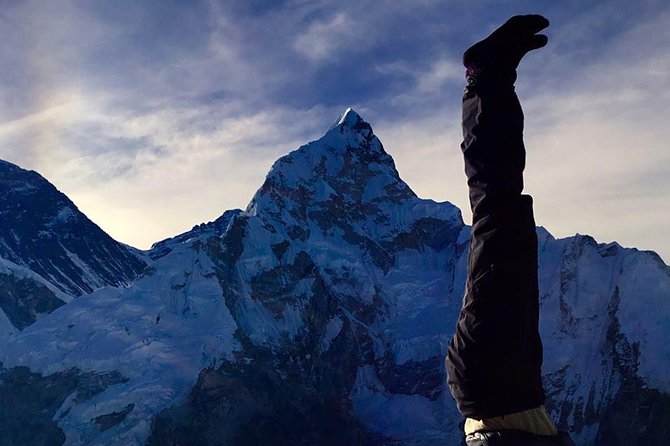
This is the sunrise day. Kalapatthar is built into the trek for a reason: you’re chasing a high vantage view at the best possible light. After that, you hike down to Pheriche.
Sunrise treks are not for people who hate early starts. If you do it well, though, it’s one of the most memorable moments of the whole 13 days.
Day 10: Pheriche to Tengboche
You’re coming back down toward earlier terrain. This can feel like a relief after the high-altitude grind, but it still takes effort. It’s also a chance to experience Tengboche’s atmosphere again as you transition out of the highest zone.
Day 11: Tengboche to Namche Bazar
You’ll continue the return route, and Namche comes back into view like an old friend. This day often feels easier than the climb days, but keep your footing careful—descent can be hard on knees.
Day 12: Namche Bazar to Lukla
Another big walking day, returning to Lukla by trekking. It’s a home stretch day. You’ll feel the excitement of the end approaching, but it’s not over until you’re back.
Day 13: Lukla to Kathmandu, plus farewell dinner
You fly from Lukla back to Kathmandu and then transfer to your hotel. The day also includes a farewell dinner at an authentic Nepali restaurant with live cultural show. It’s a nice way to end: food, stories, and a final look at what you just survived.
Tea houses, meals, and comfort at 3,000+ meters
You’re staying in basic tea houses on a twin-sharing basis. Toilets and bathrooms are outside, so think of this as functional comfort, not a hotel setup.
Meals are included: breakfast, lunch, and dinner. You choose from the menu, but the structure is usually one dish per meal. That’s totally normal in these trekking regions, and it keeps the daily schedule moving.
Beverages are not included, so budget for water and drinks. Bottled water, hot drinks, and snacks can add up quickly at altitude where everything feels more expensive and you want to stay comfortable.
Hot showers and Wi‑Fi aren’t included either. If you need them, you may find limited options along the way, but you shouldn’t plan around it being available.
What you can plan around is this: you’ll sleep in simple places, eat warming meals, and climb day after day with steady support from guide and porter team. In exchange, you get one of the most famous trekking routes on Earth—plus the less-famous parts that make it worth doing.
Practical value: what makes this itinerary feel well managed
A lot of Everest treks sound similar on paper. What changes is the management of the “hard parts”—the parts you feel in your lungs and legs.
Here, the management shows up in:
- Acclimatization days: Day 3 (Namche) and Day 6 (Dingboche) are built in, not improvised
- Porter support: one porter for every two travelers, carrying up to 25 kilos
- Permits handled: Sagarmatha National Park and Khumbu village permits included
- Staff infrastructure: emergency assistance included, plus guide/porter insurance
- End-of-trek closure: farewell dinner with live cultural show
And the cultural touches aren’t window dressing. Tengboche Monastery is a real spiritual site with age behind it, and the route through Sherpa villages and bridge crossings keeps the trek tied to place.
One more practical note: this is a private tour for your group. That can help you feel less rushed and more able to take breaks when needed, rather than being pushed along by a larger mixed group.
Should you book this Everest Base Camp trek?
If you want a guided Everest Base Camp trek with the core costs handled—flights, permits, guide, porter team, and full board meals—this is a strong option for the value. The standout advantages for me are the support system and the itinerary’s acclimatization structure, which is what keeps the trek from turning into survival mode.
You should think twice if you’re expecting hotel-level comfort, hot showers on demand, or drinks included. And if you hate early mornings, the sunrise-focused Kalapatthar day will challenge you.
If you’re the kind of traveler who wants Everest without guessing how to manage permits, altitude timing, or daily logistics, this is the right style of trek to book.
FAQ
What’s the duration of the Everest Base Camp trek?
It’s listed as 13 days (approx.).
Where does the trek start?
The meeting point is Outdoor Himalayan Treks, Thamel Marg, Kathmandu 44600, Nepal.
What time does the trek start?
Start time is 5:15 am.
Are flights between Kathmandu and Lukla included?
Yes. Kathmandu–Lukla–Kathmandu flight tickets are included.
Is the trek private?
Yes. Only your group will participate.
What lodging and bathroom setup should I expect?
You’ll use basic tea houses with twin sharing. Toilets and bathrooms are outside.
What’s included in meals?
Breakfast, lunch, and dinner are included. You can choose food from the menu (1 dish on each meal).
Are beverages included?
No. Beverage costs (cold/alcoholic drinks, bottled mineral water, tea/coffee, boiled water, etc.) are not included.
Do I need to pay tips?
Tips for the guide and porters are listed as mandatory and are not included.