REVIEW · KATHMANDU
Gokyo Lake trek(gokyori trek, Chola pass trek, Renjola pass trek)
Book on Viator →Operated by Nepal Trekking Routes Pvt. Ltd · Bookable on Viator
Turquoise lakes at Everest altitude sounds unreal. This trek pairs 19 freshwater lakes with Sherpa culture, then layers in the big viewpoints from Gokyo Ri and the famous pass crossings of the Khumbu. I like that the whole vibe stays calm at the water’s edge, even while the itinerary tackles serious altitude.
One catch: you’ll earn those views with long days and high altitude, including peaks near 5,357m and 5,364m. Also, while the package includes your guide and park fees, food and drinks are not included, so you’ll want to budget for daily meals and water.
In This Review
- Key Things That Make This Gokyo Lake Trek Special
- Why Gokyo Lakes Feels Different Than a Straight Everest Route
- Mong La, Chola, and Renjola: The Pass Crossings That Shape the Trek
- Dudhpokhari and Gokyo Ri: When the Lakes Become the Main Event
- Everest Base Camp Connection at 5,364m (Plus the Everest View Hotel Stop)
- Sherpa Villages and the Sherpa Museum: Culture Here Isn’t a Side Trip
- UNESCO Conservation Rules You Actually Feel on the Trail
- Price and Logistics: What $1,290 Per Person Really Covers
- Group Style: Private Trek Comfort With Real-Mountain Expectations
- Your Day-to-Day Trek Reality: Fitness, Altitude, and What to Plan for
- The Human Side: Friendly Airport Welcome and On-Trail Support
- Who Should Book the Gokyo Lake Trek (and Who Might Think Twice)
- Should You Book This Trek?
- FAQ
- Where is the trek meeting point in Nepal?
- How long is the Gokyo Lake trek?
- What does the $1,290 per person price include?
- What is not included in the package?
- Is this trek private or shared?
- What altitude highlights should I plan for?
- What is the operator like for support in Kathmandu and on the trek?
- Can I cancel for a full refund?
Key Things That Make This Gokyo Lake Trek Special
- 19 interconnected lakes with turquoise water, including the main Gokyo Lake area (Dudhpokhari)
- Chola Pass and Renjola Pass trekking for that full Khumbu “big mountains, real effort” feel
- UNESCO World Heritage protection across the Everest Region conservation area, plus pine, oak, and rhododendron forest
- Sherpa culture stops such as the Sherpa Museum and traditional villages, with rites and rituals you can actually observe
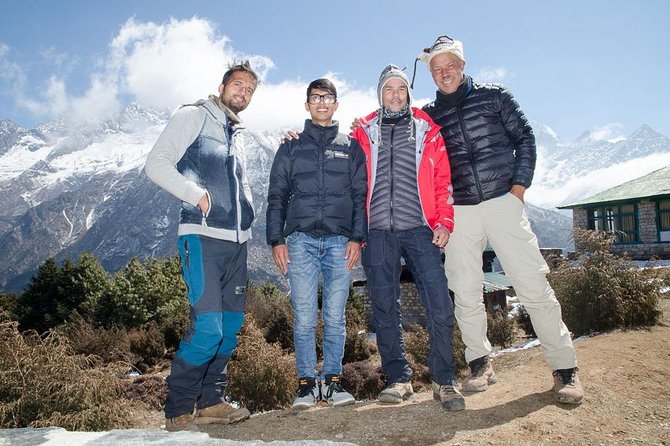
- A supported private trek with a local guide, plus airport-area pickup and drop-off arranged through the company (including a warm welcome from Shailesh Pokharel in Kathmandu, and guiding support from Bishnu Magar on the trail)
Why Gokyo Lakes Feels Different Than a Straight Everest Route
Most Everest itineraries are built around the same idea: get high, get near the Base Camp area, then head back. The Gokyo Lake trek keeps that Everest connection, but shifts the emotional center of the trip to a quieter place—Gokyo Valley—where your “wow” moments often start before you even reach the pass viewpoints.
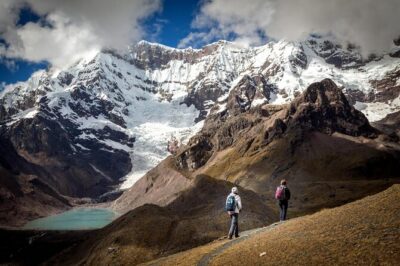
You’re hiking through a chain of high-altitude lakes in the Everest region. The water colors are a huge part of the appeal: that turquoise look doesn’t feel like a marketing photo when you’re standing there breathing thin air. And because the trek is tied into the wider Everest circuit, you also get access to the classic high-mountain sights like Everest view points and the Base Camp altitude zone.
I also appreciate the way the route balances scenery with culture. Sherpa villages and the Sherpa Museum aren’t an afterthought here; they’re part of what makes the trek feel human, not just athletic.
You can also read our reviews of more tours and experiences in Kathmandu.
Mong La, Chola, and Renjola: The Pass Crossings That Shape the Trek
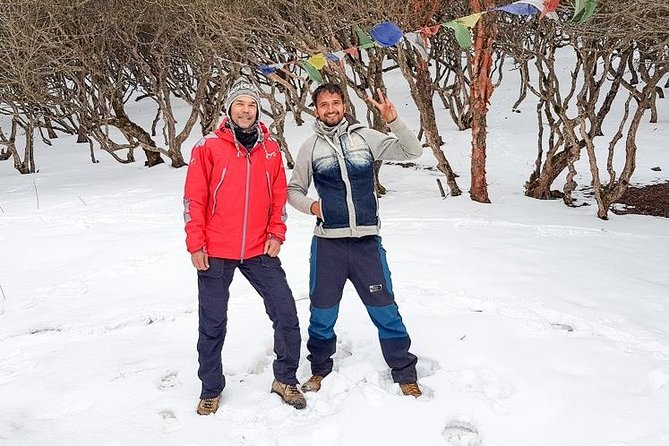
This trek is sometimes described as a variant of the Everest Base Camp route, but the pass crossings are what make it feel distinct. You travel along the traditional Everest path up to Mong La Pass (3,610m), then the route turns into the Gokyo-focused direction. After that, the itinerary leans into the pass drama with Chola Pass and Renjola Pass trekking.
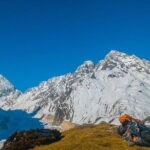
Here’s the practical takeaway: passes aren’t just scenic. They control your pacing, your sense of time, and how carefully you manage breathing. When you crest a high pass, the landscape tends to look wide-open and exposed. That’s great for views, but it also means wind can cut harder and weather can change quickly.
If you like a challenge (and you’re fit), you’ll likely enjoy how the passes “write” the story of your trek. If you’re the type who prefers steady, low-stress walking days, you might find the pass segments demanding. Either way, they’re a major reason people choose this route over an easier-feeling alternative.
Dudhpokhari and Gokyo Ri: When the Lakes Become the Main Event
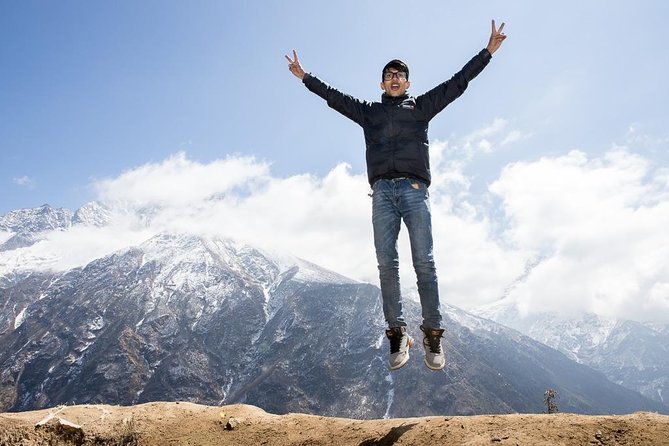
The heart of this trek is the Gokyo Lake area, often referred to as Dudhpokhari, sitting at the foothill of Gokyo Ri (5,357m) near Renjola Pass. This is one of those places where you start to understand why high-altitude lakes can feel almost unreal. The calm water plus the surrounding mountains can make your trekking pace feel slower, even when your legs are tired.
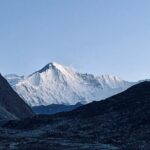
Climbing Gokyo Ri is a key highlight. At over 5,000 meters, it’s high enough that you shouldn’t treat it like a casual hike. The reward is the big panoramic payoff: you get sweeping views across the Khumbu region and a strong sense of where everything sits—lakes below, ridgelines around, and massive peaks in the distance.
If you’re wondering what to prioritize, prioritize your mornings. High-altitude viewpoints tend to be best when the sky is clear, and early starts often give you the best chance at stable weather. It’s not magic, but it’s smart trekking.
Everest Base Camp Connection at 5,364m (Plus the Everest View Hotel Stop)
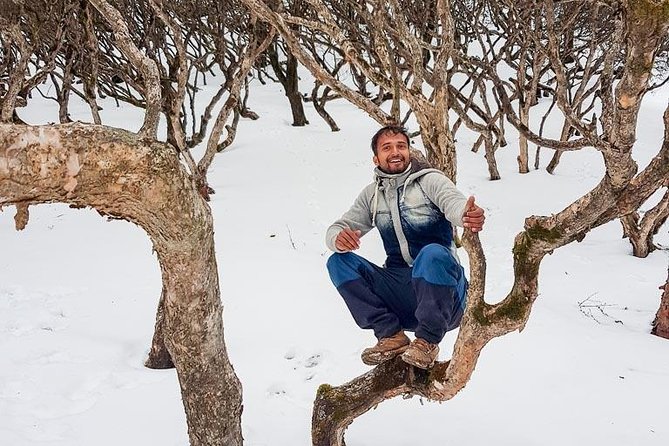
This trek can be planned either before or after reaching the Everest Base Camp area, and it’s worth thinking about why you’d do that. If you go after Gokyo, you get a sequence that moves from lakes and Sherpa valley life into the classic Everest Base Camp altitude zone. If you go before, you might appreciate the lakes as a recovery break after the most iconic Everest atmosphere.
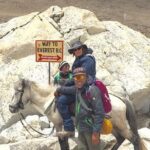
Everest Base Camp is listed at 5,364m in the trek description, and that’s high enough that acclimatization matters a lot. Don’t underestimate how long it takes for your body to adjust when you’re moving day after day.
One clever addition in this route is the option to hike to Everest View Hotel (3,880m). Even if you never make it to Base Camp that day, you can still get a close-up look at Everest from a high viewpoint. That gives you a “big name” experience without needing every last kilometer of the classic Base Camp area.
Sherpa Villages and the Sherpa Museum: Culture Here Isn’t a Side Trip
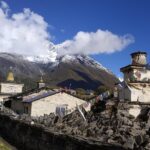
This is one of the reasons I’d put Gokyo lakes in the same conversation as the best cultural trekking routes in Nepal. The Sherpa Valley experience isn’t just scenery. You see traditional villages and you can visit the Sherpa Museum, which functions like a small cultural gallery for the region.
What you should expect is not a checklist. It’s more like learning the setting. In Sherpa communities, religious practices, local life, and the trekking season all connect. When you’re on a trail like this, you’re not just passing through; you’re moving through a living landscape where people know the mountains intimately.
If you care about understanding what you’re walking through, this is the kind of trek where culture adds meaning to the effort. And if you don’t care much about museums, you may still enjoy it, because the museum and village stops help you slow down and process the altitude days.
UNESCO Conservation Rules You Actually Feel on the Trail
The trek takes place in the Everest region conservation area, which is listed as a UNESCO World Heritage Site. That matters because it signals that the area isn’t just “scenery for hikers.” It’s protected, managed, and treated as part of a larger natural system.
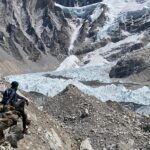
Even if you don’t read signage every day, you’ll feel the ecology. The trek route passes through forests of pine, oak, and rhododendron, with alpine birds and animals living in the region. You might not spot every animal on a given day, but the presence of different vegetation bands is part of what makes the trek feel real rather than just rocky and gray.
This is another reason why Gokyo works well in varied weather. When the light is harsh, the lakes and peaks catch it differently. When it’s clear, the protected high-altitude setting makes every view feel more intentional, not random.
Price and Logistics: What $1,290 Per Person Really Covers
The listed price is $1,290 per person for about 18 days. That’s not a budget trek, and it’s not meant to be. For the money, you’re getting structured support: accommodation as per itinerary, national park fees, a local guide, and hotel/port pickup and drop-off.
Here’s how to think about value. Park fees and guide costs are the kinds of things you often end up paying anyway when you go independently, especially when you’re trying to keep your permits and planning in order. Having pickup and drop-off arranged in Kathmandu also reduces stress at the start and end of your trip.
The part to watch is what’s not included. The package does not include food and drinks (and breakfast and dinner are listed as not included). Alcoholic drinks are available to purchase. So you’ll want to estimate your daily meals and water. If you tend to buy more snacks, coffee, or soda at tea houses, your total can rise fast at altitude.
If you’re the type who values a smooth, organized experience with a guide handling route and timing, this price can feel fair. If you like strict cost control and full DIY, you might compare alternatives.
Group Style: Private Trek Comfort With Real-Mountain Expectations
This is a private tour/activity, meaning it’s your group only. That matters because in high-altitude trekking, small adjustments can make a big difference. Your guide can pace around your comfort level, and you’re not forced to match the speed of a random mix of hikers.
At the same time, private doesn’t mean easy. The tour description asks for a strong physical fitness level, and the route includes serious altitude highlights and pass crossings. In other words, the comfort is in the support, not in the effort.
Also, the company uses mobile tickets, and you’ll get confirmation at booking. If you like knowing you’re not going to scramble for documents right before departure, that’s a plus.
Your Day-to-Day Trek Reality: Fitness, Altitude, and What to Plan for
This route hits high elevations repeatedly: Mong La Pass (3,610m), Gokyo Ri (5,357m), and Base Camp zone (5,364m), plus the option to hike up to Everest View Hotel (3,880m). That profile means you should plan for slow walking, frequent breaks, and a focus on how you feel, not just how far you go.
The practical truth: you can be “in shape” and still get hit by altitude if your acclimatization is off. So aim to treat every day like part of your body’s adjustment process. Hydrate, keep your effort steady, and don’t chase speed at the expense of comfort.
Gear-wise, the data you have doesn’t list specifics, but high-altitude trekking always means cold nights, potential wind on exposed ridges, and dry air. Bring layers that handle cold mornings and warming midday sun, and make sure your footwear fits comfortably for long hours on uneven trails.
One more practical note: because meals and drinks aren’t included, your nutrition strategy depends on what you buy along the way. If you’re picky about food, or if you have dietary limits, plan ahead so you’re not stressed mid-trek.
The Human Side: Friendly Airport Welcome and On-Trail Support
It’s easy for trekking companies to claim support. What matters is whether you feel it when things are chaotic—like at arrival in Kathmandu or when your body is testing you on a tough day.
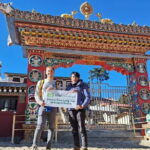
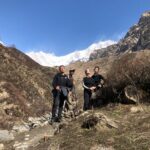
The company behind this trek has a noticeable “human-first” approach. In Kathmandu, Shailesh Pokharel (CEO) has been involved in warm welcomes, with the feeling that you’re not just a number. On the trail, guidance can come from Bishnu Magar, and the tone from the trek experience is that your questions don’t get brushed off.
That kind of support matters most when altitude and logistics overlap. You want a guide who can explain the day’s plan clearly, keep your group moving at the right pace, and help you interpret what’s happening—whether that’s wind, fatigue, or how your body is handling the next elevation jump.
Who Should Book the Gokyo Lake Trek (and Who Might Think Twice)
You’ll likely love this trek if:
- You want Everest-area views but prefer a route centered on lakes and Sherpa valley culture
- You’re excited by Chola Pass and Renjola Pass trekking and don’t mind a challenge
- You want big altitude highlights that include Gokyo Ri and optional connection to Everest Base Camp and Everest View Hotel
You might think twice if:
- You’re not ready for sustained high-altitude effort around the 5,000m mark
- You want a price that includes every meal without extra budgeting (food and drinks are not included)
- You strongly prefer a route with fewer exposed pass days
This isn’t a “casual walk in the mountains” experience. It’s for people who want a real trek story—and the lakes are the reason that story feels different.
Should You Book This Trek?
If you’re deciding between a classic Everest Base Camp plan and the Gokyo Lakes variant, I’d lean toward Gokyo if you care about atmosphere. You get turquoise lakes, Sherpa culture, and the big pass-and-peak feeling that makes the Khumbu memorable.
Book it if you’re fit enough for high altitude, and if you’re comfortable budgeting for meals since food and drinks aren’t included. Skip it if you want maximum comfort or minimum altitude stress—because the route is built around challenge, not convenience.
If you do book, I’d suggest one mindset: treat each day as preparation for the next altitude step. You’re not just sightseeing. You’re hiking in one of the highest working mountain regions on Earth, and doing it smart is the difference between tough and miserable.
FAQ
Where is the trek meeting point in Nepal?
The start point is Tribhuvan Airport in Kathmandu, Nepal. The listing also mentions hotel/port pickup and drop-off is offered.
How long is the Gokyo Lake trek?
It’s about 18 days (approx.). The exact pacing is tied to the trek route and altitude schedule.
What does the $1,290 per person price include?
Included items are accommodation as per itinerary, national park fees, a local guide, and hotel/port pickup and drop-off.
What is not included in the package?
Food and drinks are not included, including lunch, breakfast, and dinner. Alcoholic drinks are available to purchase along the way.
Is this trek private or shared?
It’s a private tour/activity. Only your group will participate.
What altitude highlights should I plan for?
The description lists Mong La Pass at 3,610m, Everest View Hotel at 3,880m, Gokyo Ri at 5,357m, and Everest Base Camp at 5,364m.
What is the operator like for support in Kathmandu and on the trek?
The company provides pickup service and uses mobile tickets. There are also indications of personal attention, including a warm welcome in Kathmandu and on-trail guidance.
Can I cancel for a full refund?
Yes. You can cancel up to 24 hours in advance for a full refund, based on local time cut-off rules. Free cancellation is offered under that condition.